


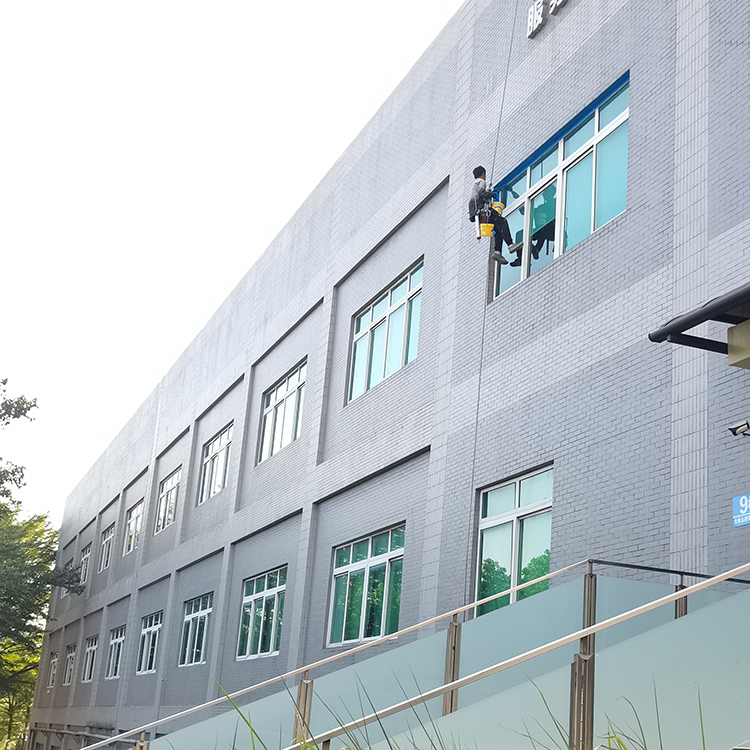
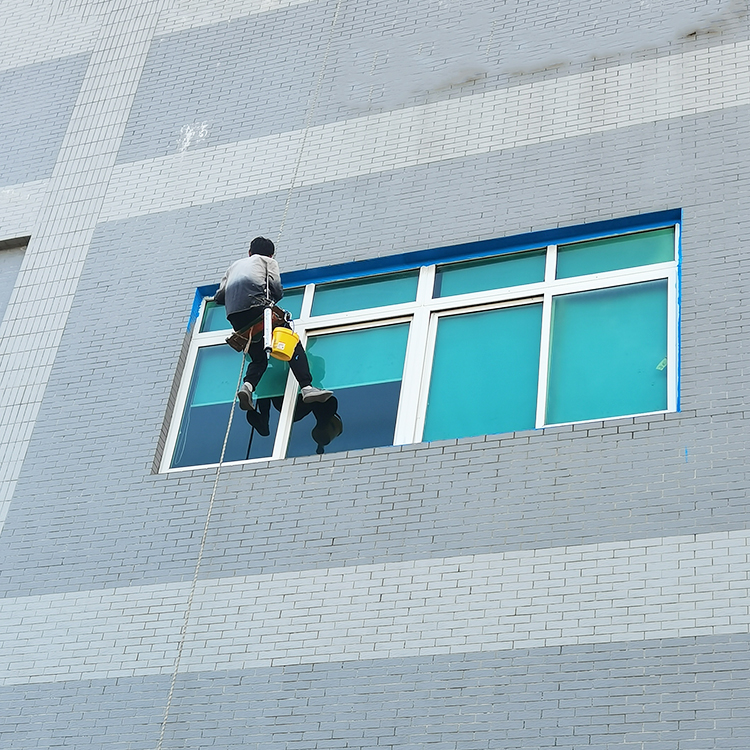
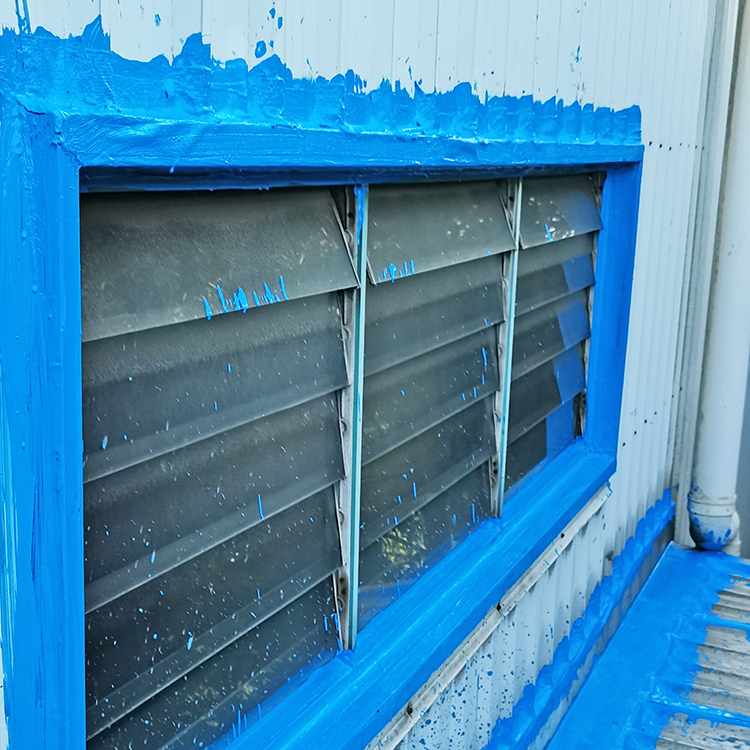
Illustration of Window and Beam Leakage to External Wall
The compression between buildings leads to many walls developing cracks, sand eyes, and holes. Rainwater seeps into the walls along these cracks, washing onto the exterior walls and causing leakage into the interior walls.

Illustration of curtain wall sealant strip cracking and leakage

Environmental factors affecting the aging of structural adhesives
1. During the actual application of curtain walls, it is inevitable that they will be affected by surrounding environmental factors. Such as: rainwater, ultraviolet radiation, and high temperatures, which can lead to discoloration, bubbling, cracking, and even脆ification, cracking, and adhesive failure during use, reducing the lifespan and severely affecting the safety of the curtain wall project.
2. The adhesive application is not dense; there is no proper control over the amount of adhesive at the joint area during the curing process, leading to excessively thin adhesive thickness. Since the aging of weather-resistant sealant progresses from the surface to the depth, insufficient depth of the sealant can result in premature cracking and leakage. If the sealing of threaded holes is not tight or there are omissions, water leakage paths will form.
