
 High ammonia-nitrogen wastewater treatment
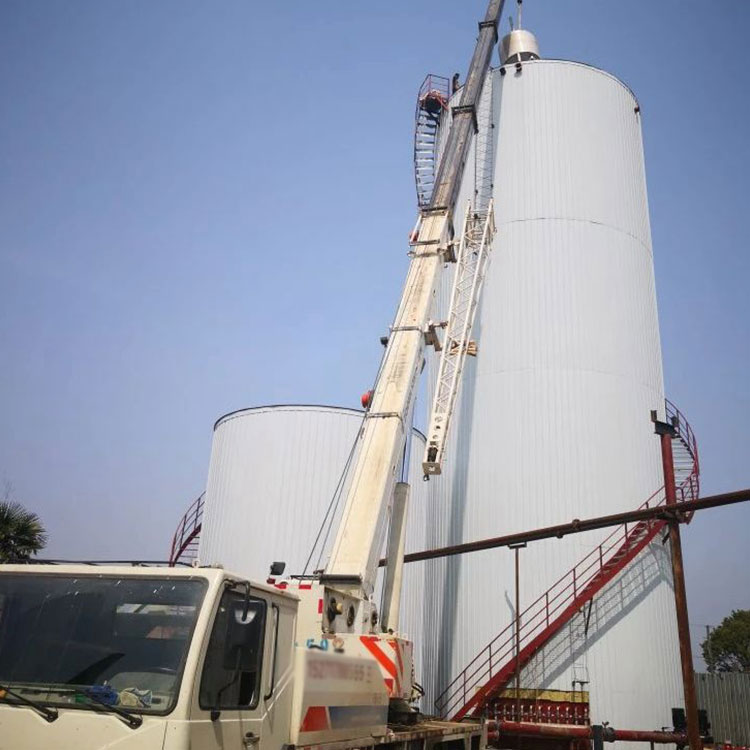 DMF Wastewater Treatment, Fenton Technology, Two-Stage A/O
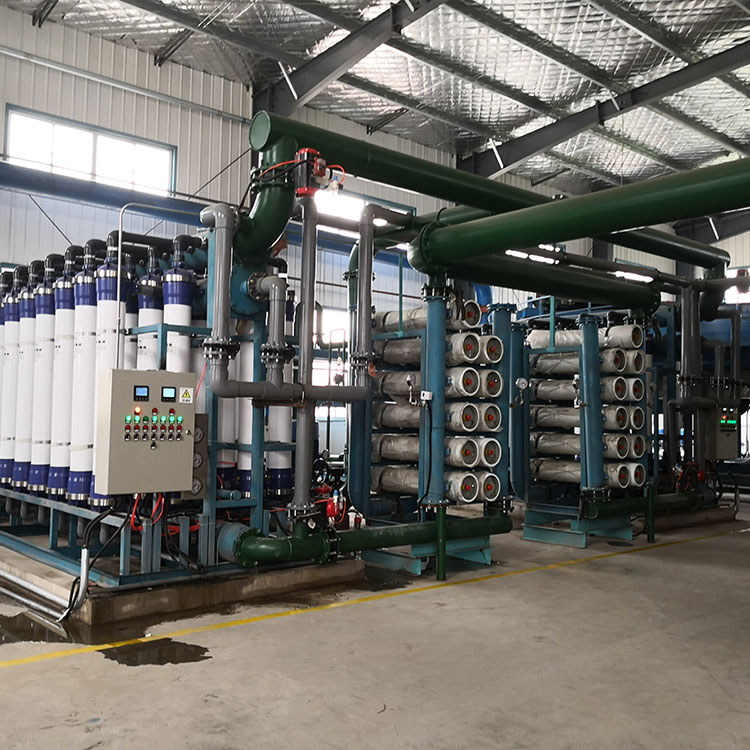 Reclaimed Water Recycling Equipment
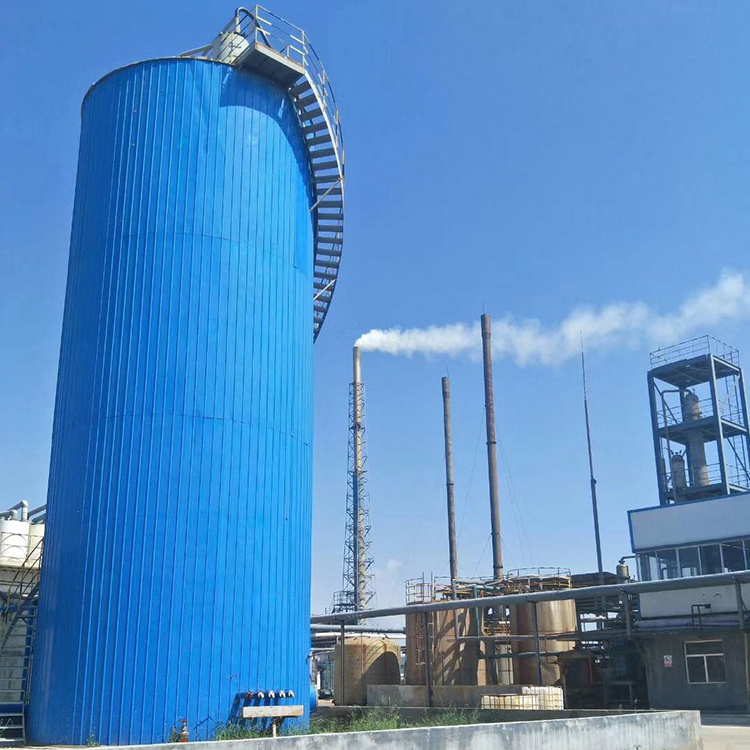 Integrated Equipment, Chemical Wastewater Treatment, River Management
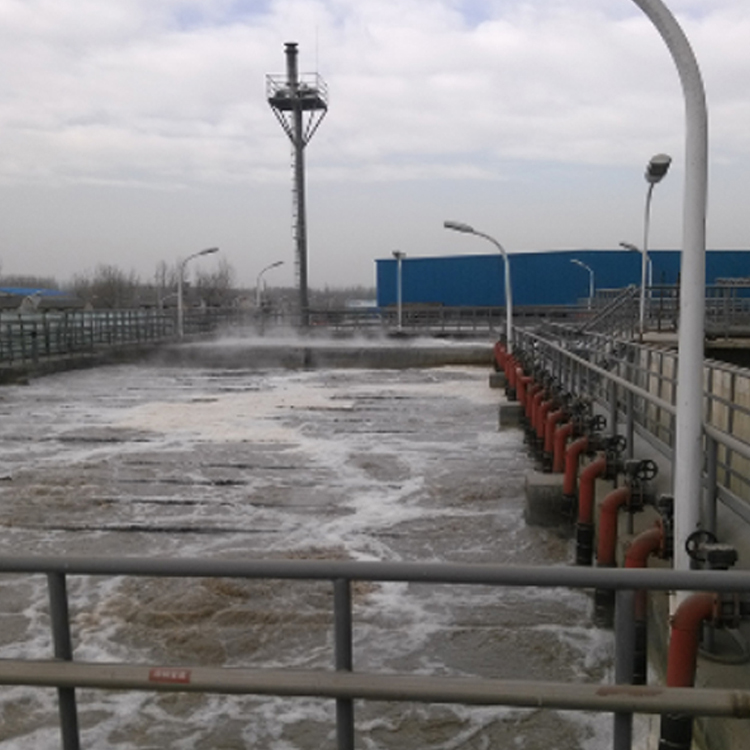 Textile dyeing and finishing wastewater treatment plant
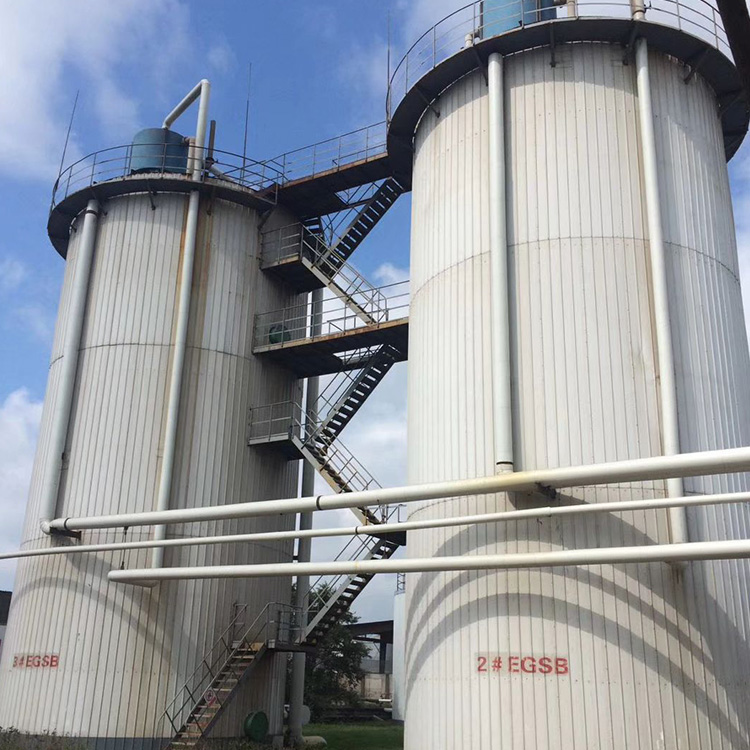 Wastewater Treatment Project, Paper Mill Wastewater Treatment Equipment, Paper Mill Wastewater Treatment
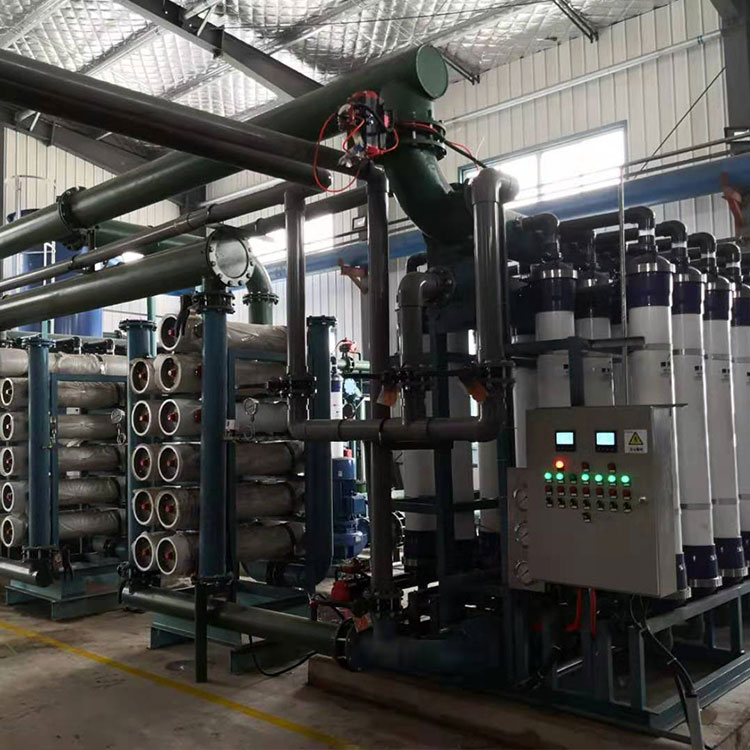 Nitrile wastewater, Nitrile production wastewater
Product Details

Wetland Design, Wastewater Treatment Process Design, Wastewater Treatment Equ...





产品Price Negotiable
最小起订Quantity: 供货总Quantity:


The forced electrolysis reactor operates on electrochemical principles, utilizing special three-dimensional electrode technology. Under the influence of an external power source, the anode dissolves fresh divalent iron ions, which possess a strong reducing property. This process converts refractory organic pollutants in wastewater into easily biodegradable compounds, achieving a reduction rate of over 90%. Post-treatment through this unit can lower CODcr levels significantly and greatly enhance BOD5, facilitating the subsequent biochemical treatment process. It has a high removal rate for refractory substances like pyridine. The introduction of iron ions reduces the oxidation-reduction potential in subsequent anaerobic treatment, improves the anaerobic microorganisms' tolerance to sulfate shock, and makes the anaerobic sludge denser, ensuring the stability of subsequent anaerobic processes. This method is an improved technology based on traditional electrochemical methods, characterized by the need for minimal pH adjustments, no formation of lumps, strong synergistic effects, high decolorization efficiency, low energy consumption from the external power source, and ease of control. Adding PAM flocculant at the end of the electrochemical reduction reactor helps to enhance the sedimentation efficiency in the sedimentation tank. Oxidation groups (hydroxyl radicals ·OH) generated during the reaction degrade organic matter in water, effectively disrupting the stable structures of biodegradable organic matter and chromophore functionalities, thereby degrading pollutants. The forced electrolytic reactor is a mature technological process for enhancing the biochemical properties of wastewater, developed by integrating the advantages of iron-carbon bed technology, optimizing its strengths, and mitigating its weaknesses. By employing an external electric field, we have significantly increased the current density, thereby greatly enhancing the battery-like function of the iron-carbon bed, resulting in a highly effective electrolytic reduction capability of the system. We employ a 3D alloy electrode technology to prevent clogs and short circuits and add an aeration device to the forced electrolytic reactor. This not only ensures uniform inflow but also provides ample oxygen, enhancing the flocculation effect. However, throughout the process of improving the biochemical properties of chemical wastewater, we have not added any inorganic salt flocculants yet achieved impressive flocculation results. This is a significant innovation for high-salinity, high-concentration wastewater. Under the influence of the external electric field, there is electron transfer and transmission between the three-dimensional electrodes, increasing the charged specific surface area, forming numerous charged points, which can destabilize colloidal pollutants. The forced electrolytic reactor, through the synergistic effects of electrolysis and adsorption, achieves a high removal rate for complex and variable water quality with high color concentration and a large amount of non-biodegradable organic pollutants. It is indeed feasible for improving the biochemical properties of high-concentration wastewater. Currently, it is widely used in the treatment of difficult-to-treat chemical wastewater. II. Equipment Selection and Content Standard models are the 400 type and the 900 type, with actual wastewater treatment capacities ranging from 10t/d to 2000t/d. We can design and manufacture to meet specific customer requirements. Installation power: 10-120kW, actual operating parameters: voltage 10-100V, current 800-1500A, operating power 8-100kW (optional) Electrolysis involves applying direct current to multiple high-carbon steel plates, creating an electric field between them. Water to be treated flows into the gaps between the plates. Within this electric field, some of the electrically charged plates are consumed and enter the water. Ions and non-ionic pollutants within the field are electrified and react with the ionized products in the field as well as the steel plate consumed and entering the water. The interaction of various ions during this process usually results in the formation of stable solid particles, which precipitate out of the water. The electrolysis process of wastewater in the main reactor typically produces four effects: electrolytic oxidation, electrolytic reduction, electrolytic flocculation, and electrolytic air flotation. Oxidation process The oxidation process during electrolysis is categorized into direct and indirect oxidation. Direct oxidation refers to the pollutants losing electrons and undergoing oxidation directly at the anode. Indirect oxidation utilizes the lower electrode potential anions in the solution, such as OH— and Cl—, which lose electrons at the anode to generate new active substances like Cl2, which are stronger oxidizers. These active substances facilitate the loss of electrons by pollutants, initiating the oxidation decomposition process, thereby reducing the levels of BOD5, CODcr, NH3-N, and other contaminants in the original solution. (2) Restorative Function The reduction process in electrolysing involves direct and indirect oxidation. Direct reduction is when pollutants receive electrons directly at the cathode, leading to reduction. Indirect reduction occurs when the cations in pollutants first gain electrons at the cathode, causing high or low-valent metal cations in the electrolyte to receive electrons and be directly reduced to low-valent cations or metal precipitates. (3) Cohesion Soluble anodes such as iron and aluminum, when subjected to direct current, lose electrons to form metal cations Fe2+ and Al3+, which then react with OH- in the solution to create metal hydroxide colloidal flocculants. These have a strong adsorption capacity, adsorbing and coagulating pollutants in wastewater for removal. (4) Froth Flotation Electroflotation involves the electrolysis of wastewater, where hydrogen and oxygen gases are respectively released at the cathode and anode when the voltage reaches the decomposition voltage of water. The tiny bubbles, with high dispersion, adhere to suspended matter in the water and rise to the surface, making it easy to remove pollutants. Electroflotation can eliminate both hydrophobic and hydrophilic pollutants from wastewater. The bubbles produced by electrolysis have very small sizes—hydrogen bubbles are about 10 to 30 μm, and oxygen bubbles are about 20 to 60 μm. In contrast, bubbles produced by pressurized dissolved air flotation are 100 to 150 μm in size, and those generated by mechanical agitation are 800 to 1000 μm in diameter. It is evident that the ability of electrolytically produced bubbles to capture impurity particles is higher than the latter two, resulting in naturally better water quality after treatment. Moreover, the average density of the electrolytically produced bubbles at 20°C is 0.5 g/L, whereas the average density of general air bubbles is 1.2 g/L. This indicates that the buoyant capacity of the former is more than double that of the latter.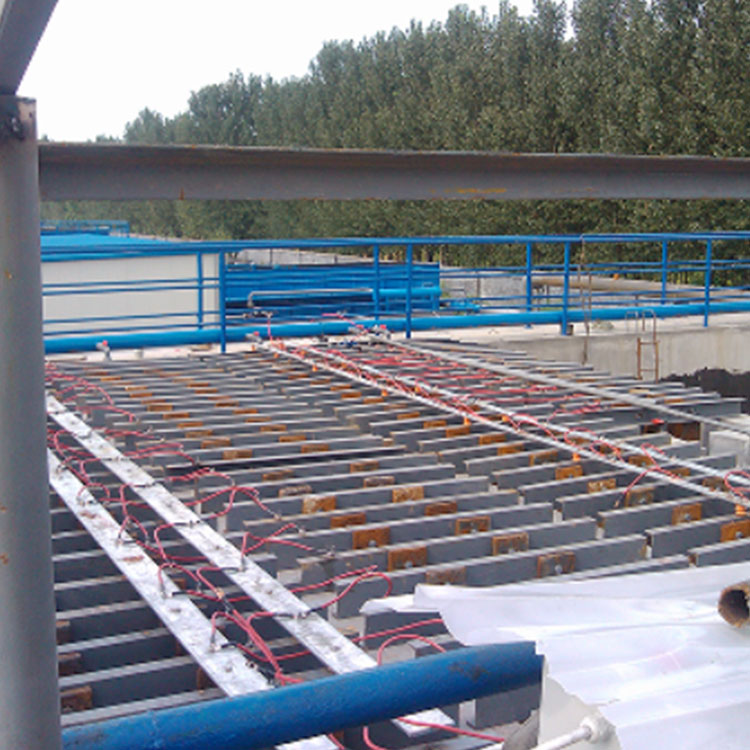

Phone Consultation
QQ Service