
 High ammonia-nitrogen wastewater treatment
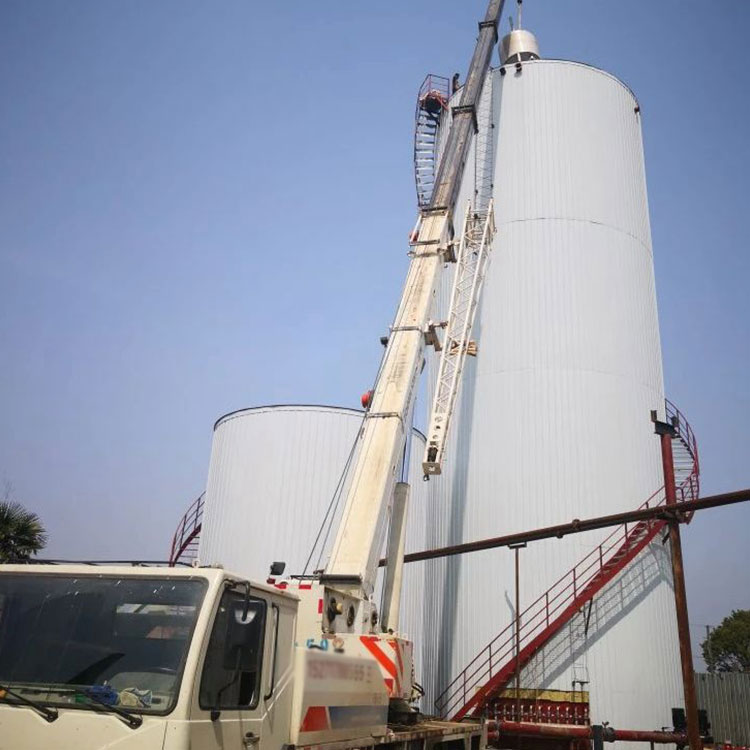 DMF Wastewater Treatment, Fenton Technology, Two-Stage A/O
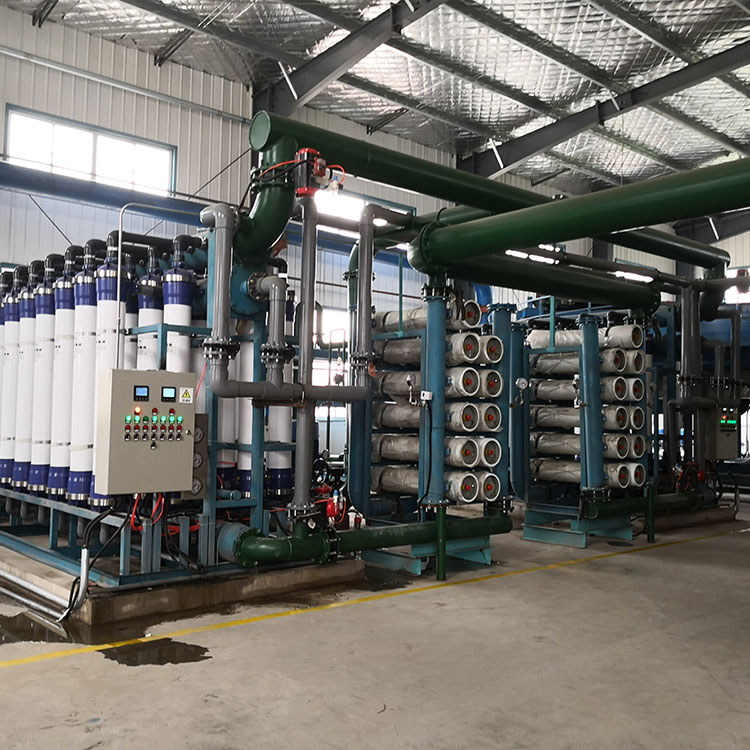 Reclaimed Water Recycling Equipment
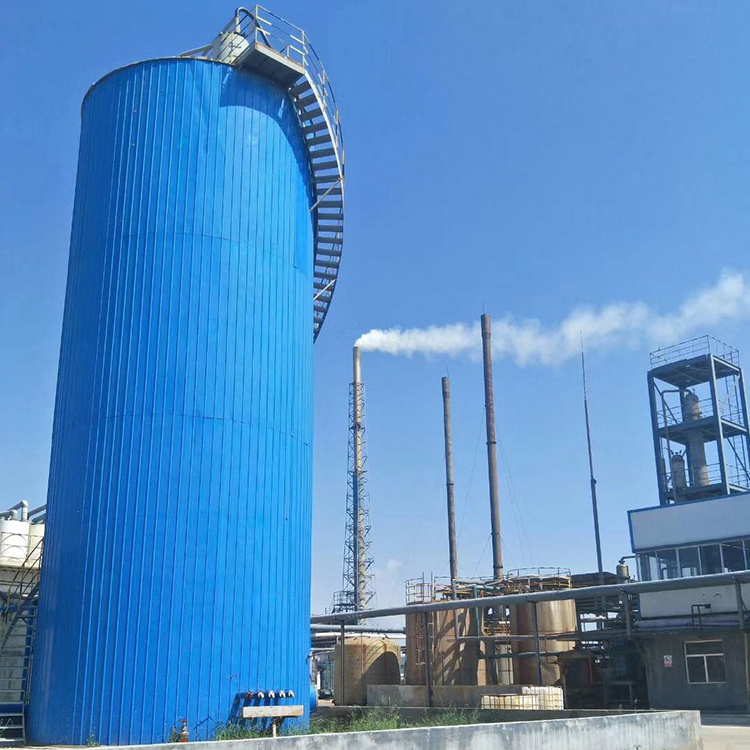 Integrated Equipment, Chemical Wastewater Treatment, River Management
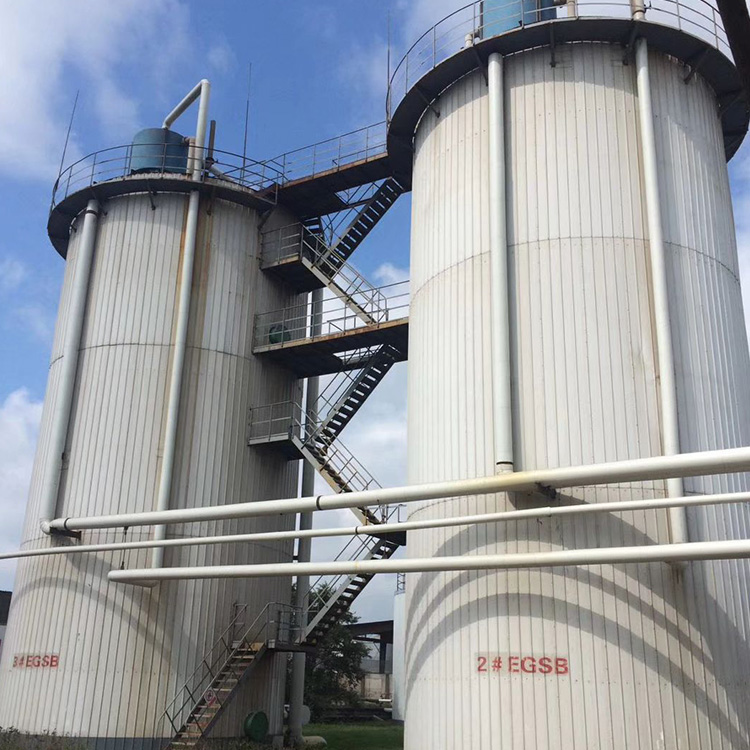 Wastewater Treatment Project, Paper Mill Wastewater Treatment Equipment, Paper Mill Wastewater Treatment
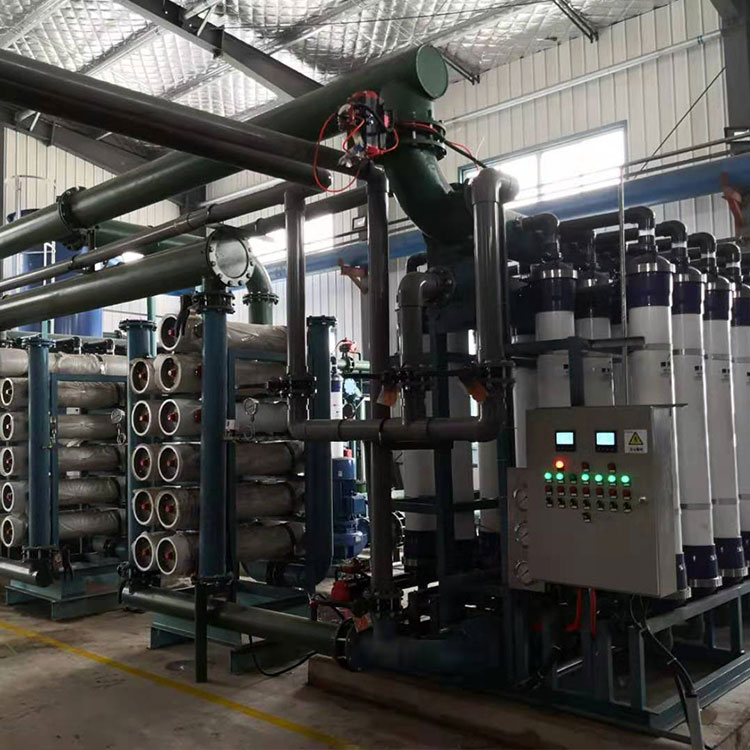 Nitrile wastewater, Nitrile production wastewater
Product Details

Wetland Design, Wastewater Treatment Process Design, Wastewater Treatment Equ...



产品Price Negotiable
最小起订Quantity: 供货总Quantity:


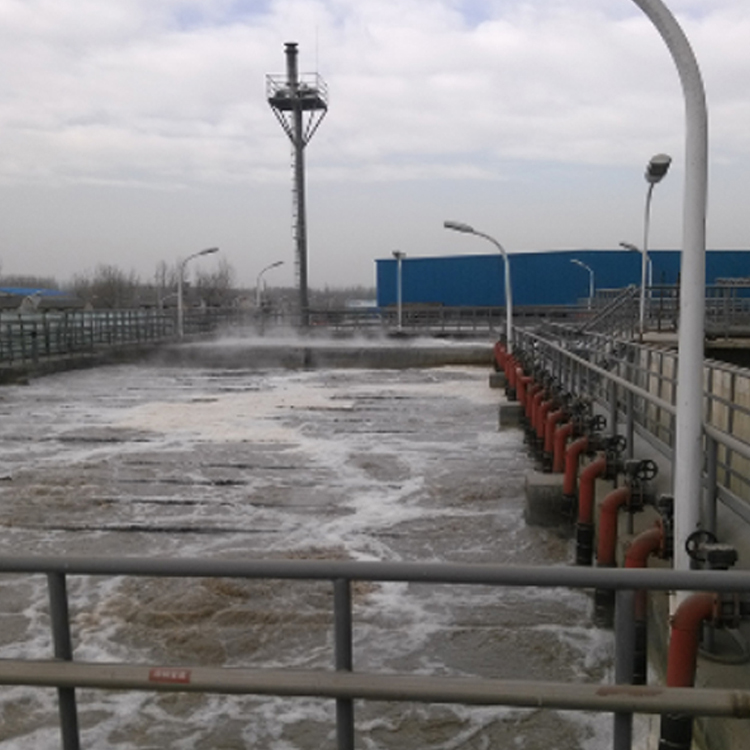
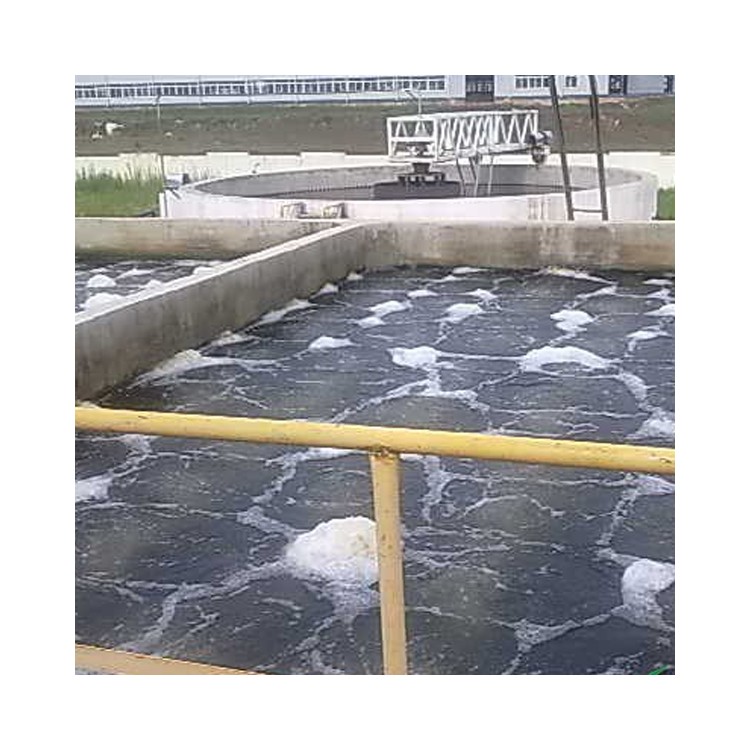
The textile dyeing and printing industry is a major emitter of industrial wastewater, primarily containing pollutants from textile fibers, oils, salts, as well as various sizing agents, dyes, surfactants, auxiliaries, acids, and alkalis added during processing. However, the treatment of most dyeing and printing wastewater is not particularly complex. Our company has extensive construction experience in dyeing and printing wastewater treatment, and the process has shown excellent biochemical properties after pretreatment. By combining conventional anaerobic and aerobic processes, we can meet national discharge standards, resulting in very clear effluent. Dyeing and printing wastewater is characterized by high organic concentrations, complex composition, deep and variable color intensity, significant pH changes, and large fluctuations in water volume and quality, making it a challenging industrial wastewater to treat. With the development of chemical fiber fabrics, the rise of artificial silk, and the increased demand for post-dyeing finishing, difficultly biodegradable organic substances such as PVA sizing agents, artificial silk alkali-soluble substances, new dyes, and auxiliaries have entered the textile dyeing and printing wastewater in large quantities, posing a severe challenge to traditional wastewater treatment processes. The COD concentration has also increased from a few hundred milligrams per liter to 3000-5000 mg/l. The wastewater from sizing and dyeing has high color intensity and COD levels, especially with the dyeing processes such as silk luster blue, silk luster black, extra deep blue, and extra deep black developed for the foreign market in recent years. These processes extensively use sulfur dyes and dyeing auxiliaries like sodium sulfide, resulting in a high concentration of sulfides in the wastewater. Such wastewater requires pretreatment with chemicals before undergoing a series of treatments to ensure stable, compliant discharge. Bleaching and dyeing wastewater contains dyes, sizing agents, surfactants, and other auxiliaries. This type of wastewater has a large volume, lower concentrations and color intensity. If only physical-chemical treatment is used, the effluent concentration would be between 100-200 mg/l, and the color intensity would meet discharge requirements. However, the pollution load would significantly increase, and the cost of sludge treatment would be high, leading to potential secondary pollution. Under the current strict environmental protection requirements, it is essential to give full consideration to biochemical treatment systems. Conventional enhanced biological treatment processes can meet the treatment requirements. After the bidding and tendering process, the project was awarded to Shandong Guangbo Environmental Protection Engineering Co., Ltd. After six months of construction and debugging, the project officially entered the warranty period. As of June 2015, the project has been operational for a full year, with the equipment and process running smoothly, achieving the designed effluent targets, marking the successful completion of the project.

Phone Consultation
QQ Service