
 High ammonia-nitrogen wastewater treatment
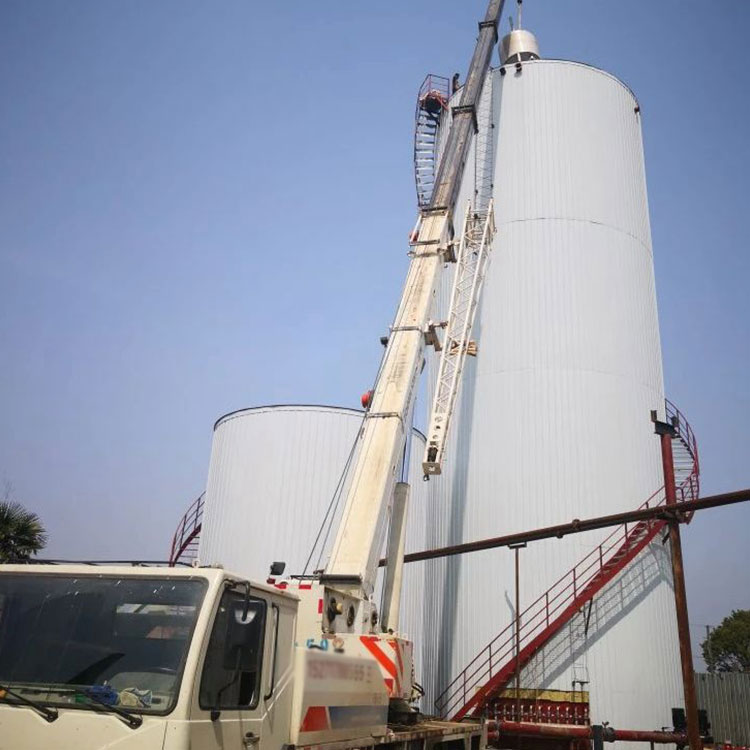 DMF Wastewater Treatment, Fenton Technology, Two-Stage A/O
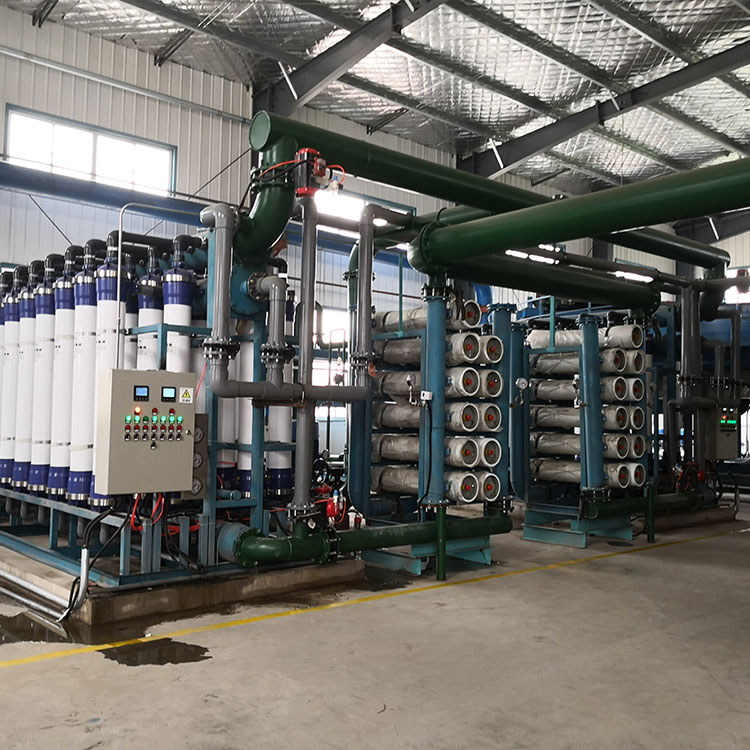 Reclaimed Water Recycling Equipment
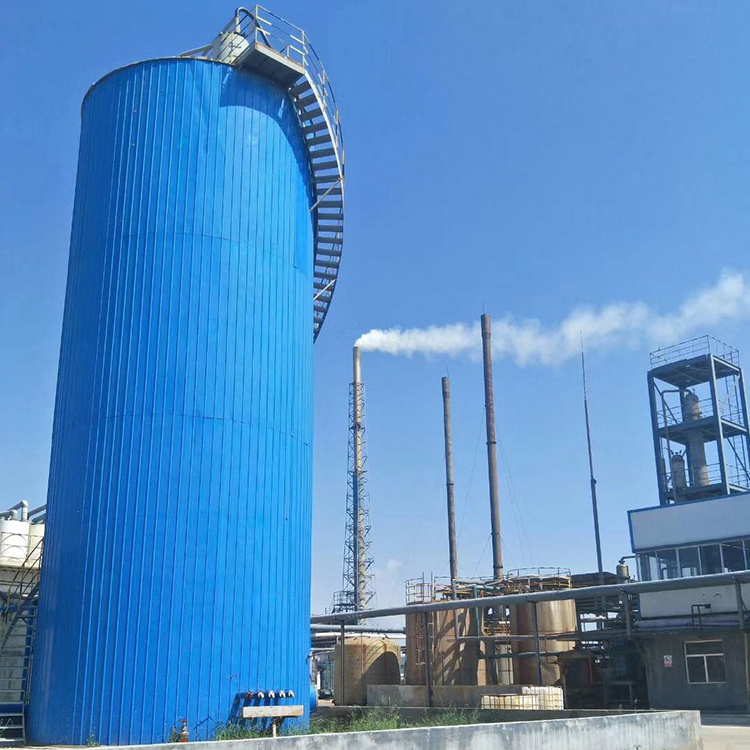 Integrated Equipment, Chemical Wastewater Treatment, River Management
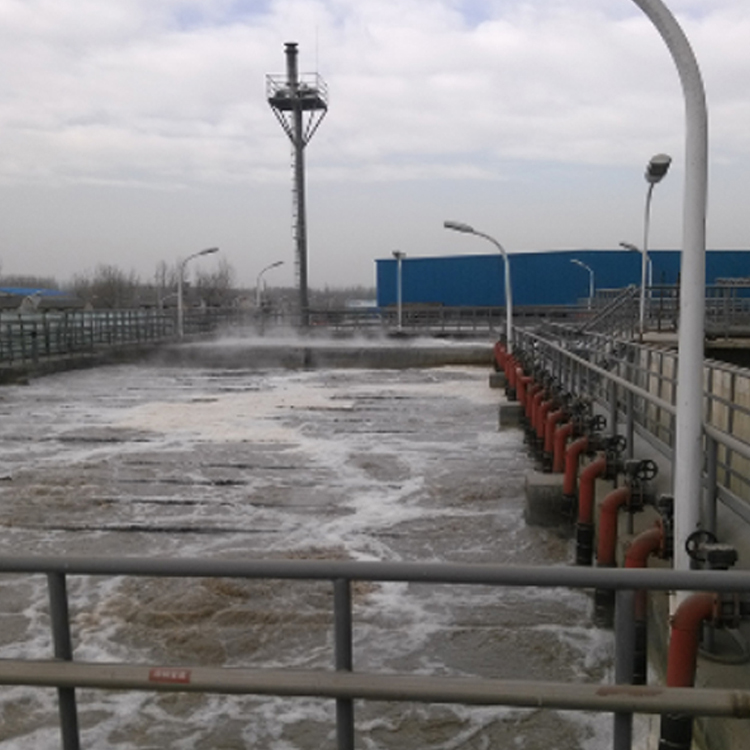 Textile dyeing and finishing wastewater treatment plant
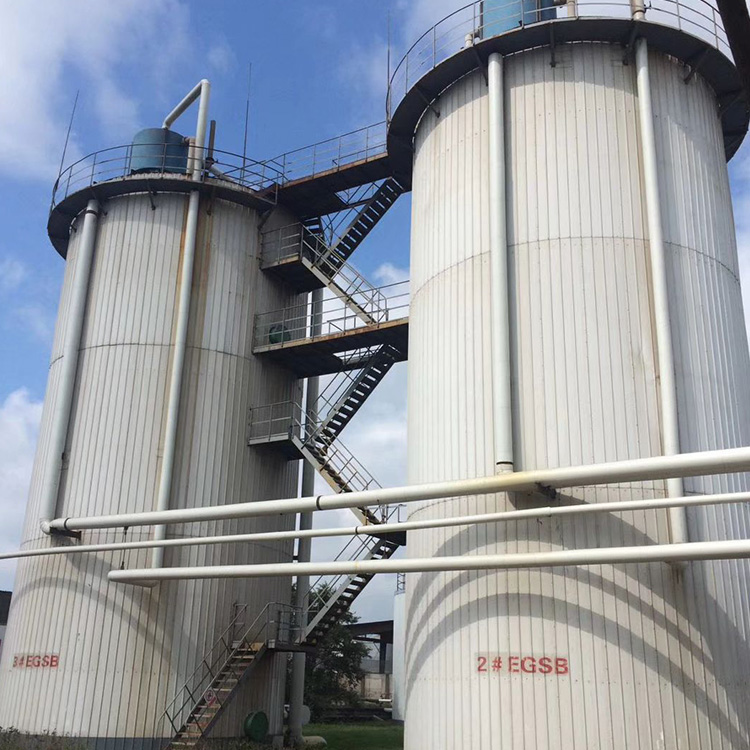 Wastewater Treatment Project, Paper Mill Wastewater Treatment Equipment, Paper Mill Wastewater Treatment
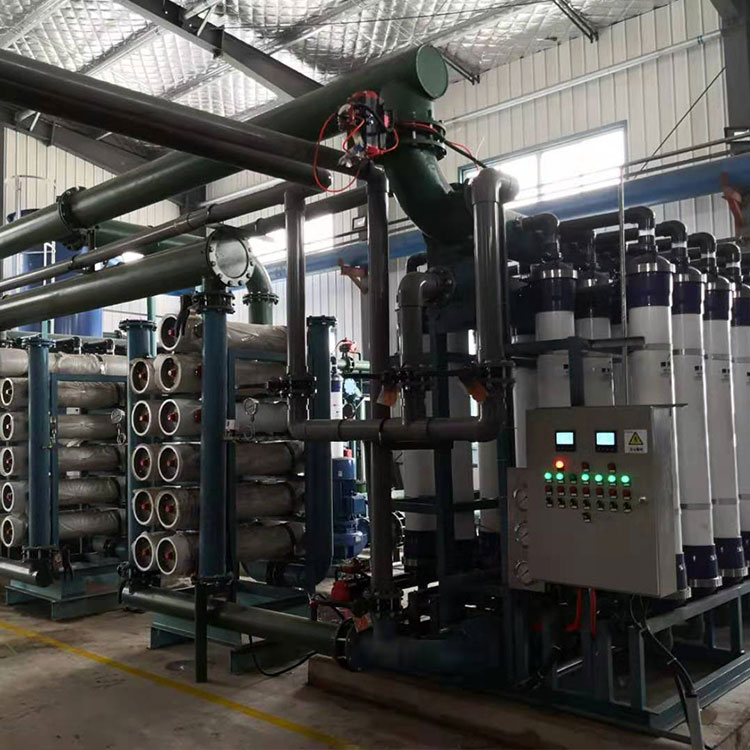 Nitrile wastewater, Nitrile production wastewater
Product Details

Wetland Design, Wastewater Treatment Process Design, Wastewater Treatment Equ...




产品Price Negotiable
最小起订Quantity: 供货总Quantity:


Jinan Guangbo Environmental Protection Technology Co., Ltd.'s electrolytic reactor is a chemical wastewater treatment reactor that integrates electrochemical oxidation, reduction, and adsorption. I. Main Principle Electrochemical oxidation degrades organic matter in water through the reaction-generated oxidative groups (hydroxyl radicals, OH), effectively disrupting the stable structures of refractory biodegradable organic matter and dye chromophore functional groups, thereby decomposing pollutants. Electrochemical reduction, utilizing special three-dimensional electrode technology, involves the anode dissolving fresh divalent iron ions under the influence of an external power source, which exhibit strong reductivity. This process converts difficult-to-biodegrade organic pollutants in wastewater into easily biodegradable compounds, achieving a reduction rate of over 90%. This method is an improved technology based on traditional electrochemical methods and, after treatment through this unit, can significantly reduce CODCr and greatly increase BOD5, ensuring the smooth progression of subsequent biochemical treatment. This technology is a mature process for enhancing the biochemical performance of wastewater, which is based on the integration of the various advantages of the iron-carbon bed process, capitalizing on strengths and avoiding weaknesses. By introducing an external electric field, we have significantly increased the current density, greatly enhancing the primary battery function of the iron-carbon bed, thereby achieving a strong electrolytic reduction capacity of the system. We utilize three-dimensional electrode technology to prevent clogging and short circuits, and add aeration devices to the electrolytic cell, ensuring uniform water intake and providing ample oxygen, enhancing flocculation. Throughout the process of improving the biochemical properties of chemical wastewater, we did not add any inorganic salt flocculants, yet achieved impressive flocculation results. This is a significant innovation for high-concentration wastewater with relatively high salt content. Under the influence of the external electric field, there is electron transfer and transmission between the three-dimensional electrodes, resulting in an increased charged specific surface area and the formation of numerous charged points, which can destabilize colloidal pollutants. This technology, through the synergistic effects of electrolysis and adsorption, achieves a high removal rate for complex and variable water quality with high color concentration and a large amount of biologically difficult-to-degrade organic pollutants. It is indeed feasible for enhancing the biochemical properties of highly concentrated wastewater. This technology has now been adopted by several companies. II. Equipment Selection and Content Standard models include the 400-type and the 900-type, with actual wastewater treatment capacities ranging from 50t/d to 1000t/d. We can design and manufacture custom solutions to meet customer requirements. Installation Power: 30~60 Kw, Actual Operating Parameters: Voltage 10~20V, Current 800~1500A, Operating Power: 8~30Kw Electrode plate replacement cycle: 2-3 years. III. Installation This equipment only requires precast simple concrete support foundations, without the need for pre-buried foundation bolts. During equipment installation, the pool surface must be level with an inclination rate not exceeding 1%. All connecting pipes must be free of leaks, and the operation of valves must be smooth and flexible. The insulation of the electrolytic reactor must meet the requirements. To ensure the normal service life of the equipment, a sun and rain cover should be placed over the equipment. In cold regions, especially during winter, frost protection measures should also be considered. Electrolytic reactors are filled with high-efficiency, non-toxic granular electrolytic adsorption fillers between the two main electrodes, based on the type and nature of pollutants to be removed from the wastewater. Under specific operating conditions, the device generates a certain amount of hydroxyl free radicals (OH). This leads to catalytic oxidation decomposition and synergistic adsorption effects on pollutants and color in the wastewater, rapidly removing them. Process technology is stable and reliable, with simple operation and low running costs. It has been successfully used for treating wastewater from leather processing, dyeing, electroplating, chemicals, and landfill leachate, among others. Equipment Structure: The device is primarily composed of a DC power supply, electrolytic cell, anode plate, cathode plate, filling material, and a backflush system. The operational process is as follows: Direct Current Power Supply Adjustable DC voltage regulator, electrolytic current range: 1-20A, electrolytic voltage: 15-30V. Connected to the electrode plate via wires. 2. Electrolytic Cell The electrolytic cells are divided into Sections A and B. The cell walls are lined with rubber for insulation and corrosion resistance, ensuring the electrolysis effect. The lower section features a backflush water piping system and a packed bed plate, which supports the packing material and distributes water during backflushing. Water discharge is collected using a triangular weir. 3. Anode plates, cathode plates Anodes are made of inert high-density graphite plates, offering superior strength and conductivity, overcoming the defects of metal anodes that are prone to passivation and wear. They are reinforced externally with PVC boards. Cathode plates are made of stainless steel. 4. Filling Material Composed of activated carbon with high adsorption values and good conductivity, plus semiconductor materials, under the influence of an external electric field, the semiconductor materials can act as an electron enrichment agent, thereby forming an electrolytic multipolarization effect, which in turn enhances electrolytic efficiency and the removal capacity of pollutants in wastewater. Depending on the debugging conditions, some metal particles can also be added to utilize the strong flocculation effect of newly formed metallic ions during the reaction process, thereby removing water color. 5. Recoil System The backflush system includes a backflush pipe and a water distribution plate, with an air-washing interface reserved. The backflush intensity is 5-10 L/S·m².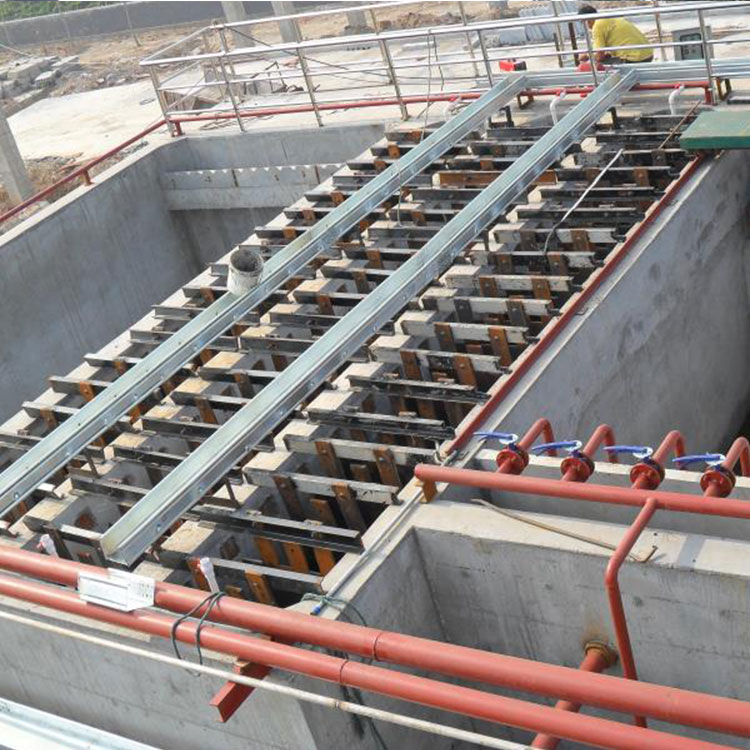

Phone Consultation
QQ Service