
 High ammonia-nitrogen wastewater treatment
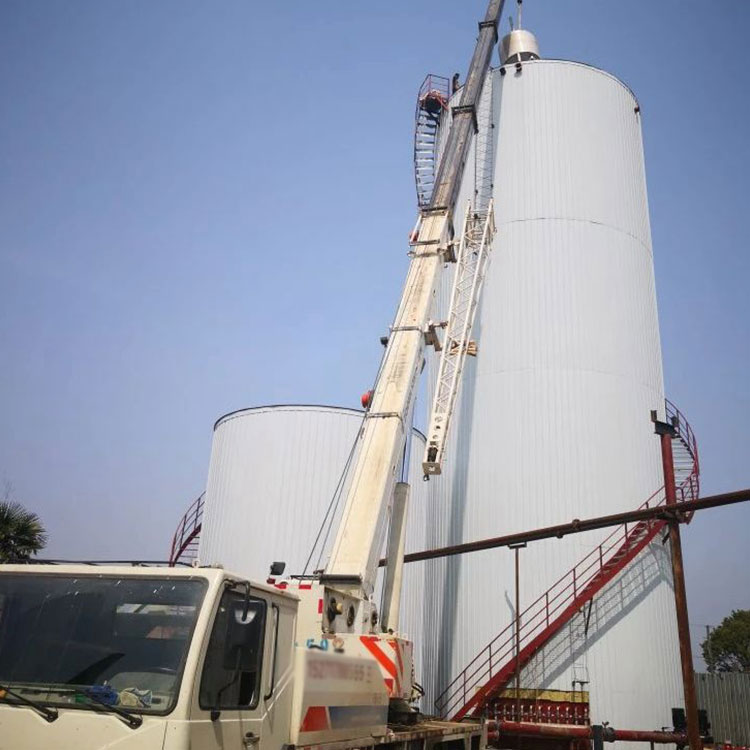 DMF Wastewater Treatment, Fenton Technology, Two-Stage A/O
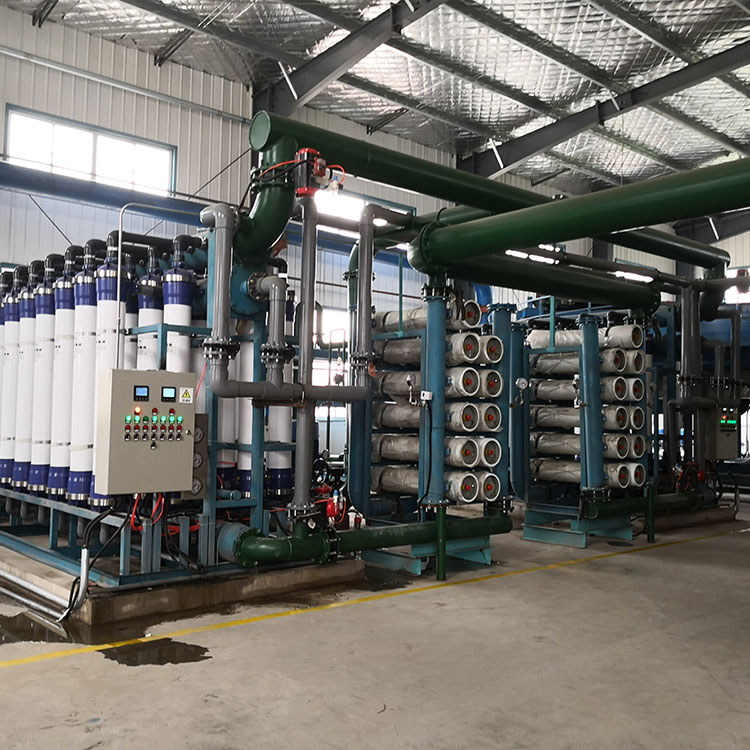 Reclaimed Water Recycling Equipment
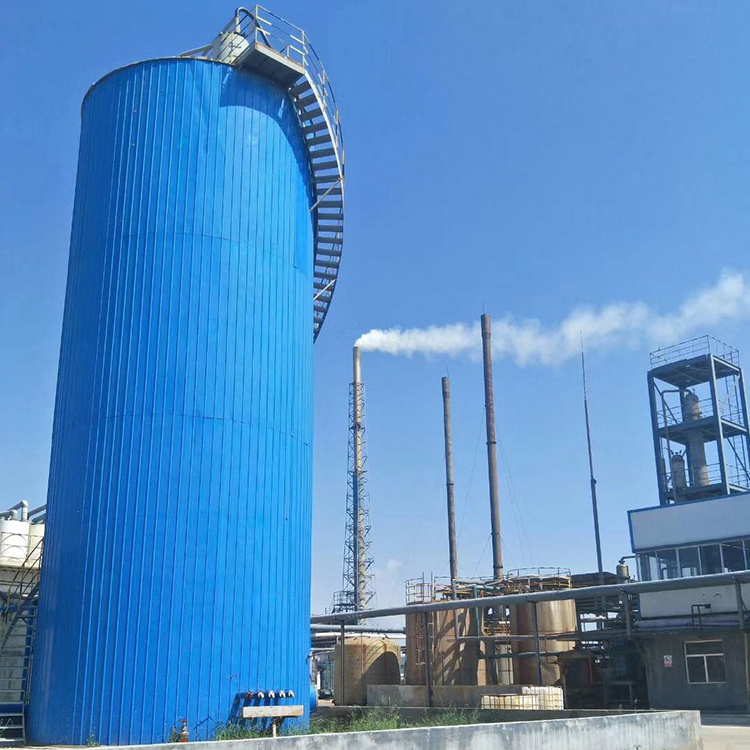 Integrated Equipment, Chemical Wastewater Treatment, River Management
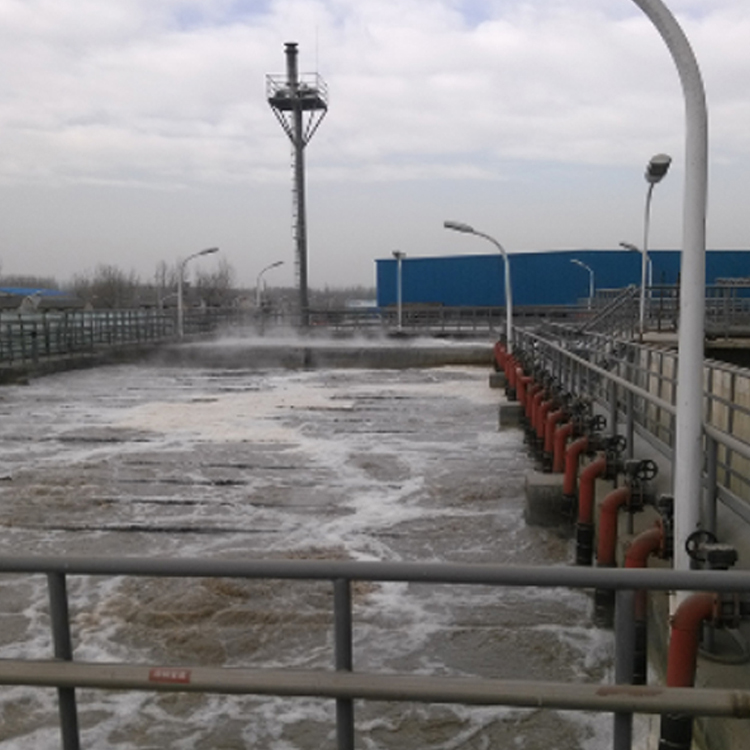 Textile dyeing and finishing wastewater treatment plant
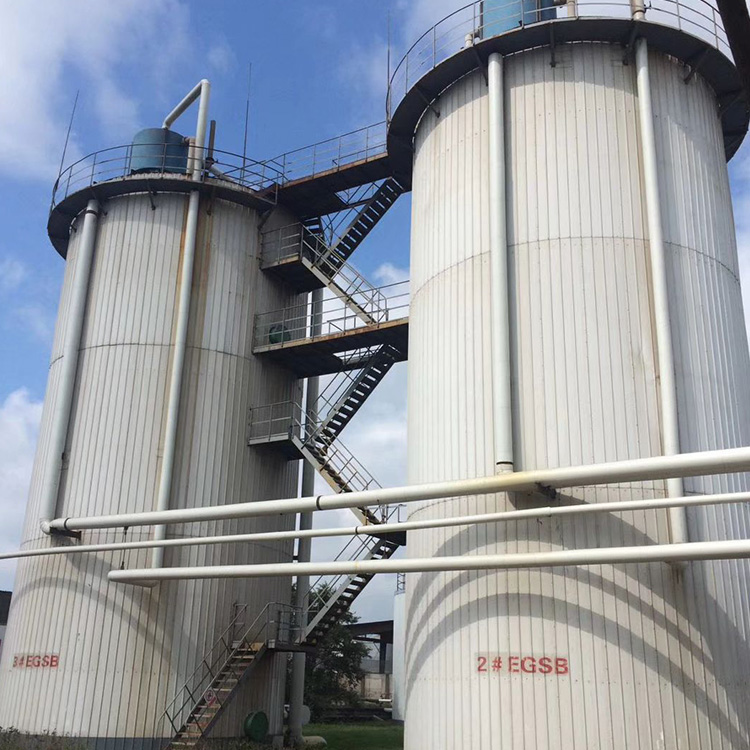 Wastewater Treatment Project, Paper Mill Wastewater Treatment Equipment, Paper Mill Wastewater Treatment
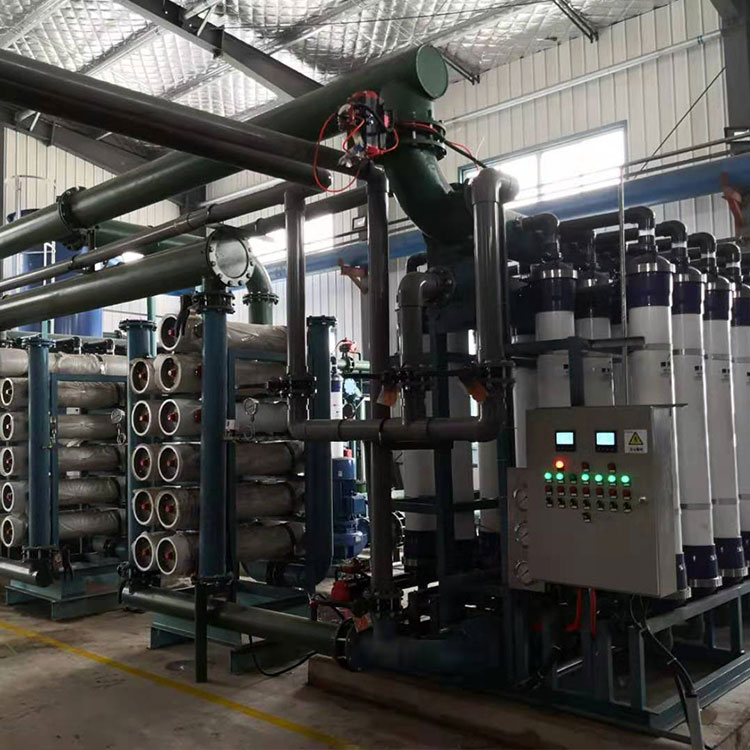 Nitrile wastewater, Nitrile production wastewater
Product Details

Wetland Design, Wastewater Treatment Process Design, Wastewater Treatment Equ...




产品Price Negotiable
最小起订Quantity: 供货总Quantity:


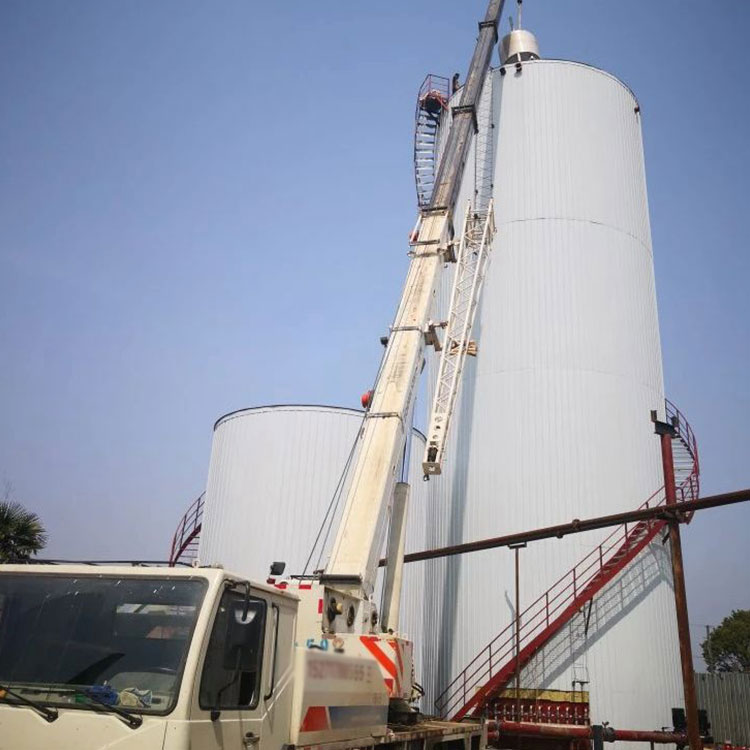
Based on the inherent characteristics of the project and in conjunction with the current international technological development in high-concentration wastewater treatment, this project adheres to the following principles: 1) Minimize investment while meeting the process requirements. 2) Utilizes a streamlined process with easy and convenient operation and management. 3) Mature process technology, stable performance, high shock load resistance. 4) Operates safely and reliably, with simple and convenient operation, flexible adjustment, and high versatility. 5) Utilize energy-saving and noise reduction equipment to lower operational costs. 1.2 Process Plan Determination Based on the basic data of wastewater quality and volume provided by the owner, and adhering to the principle of "advanced and reliable technology, stable treatment effect, and convenient operation management" for the chosen process, this proposal mainly adopts the treatment process of regulating pond + dissolved air flotation + GBIC anaerobic reactor + two-stage A/O denitrification pond + secondary sedimentation tank + coagulation and sedimentation tank. Major equipment and structures of the second-level biochemical treatment unit include: hydrolysis and equalization tank, GBIC anaerobic reactor, two-stage A/O biological denitrification pond, secondary sedimentation tank, and coagulation and sedimentation tank. 1) Hydrolysis Feed Tank: Degrades some large molecular organic substances, serving as a pretreatment process for the subsequent GBIC anaerobic treatment. Meanwhile, add alkali based on water quality conditions, monitor water temperature and pH levels, to create favorable reaction conditions for the GBIC. 2) GBIC Anaerobic Reactor: Decomposes organic matter in wastewater under the action of anaerobic microorganisms, producing biogas. 3) Anaerobically treated wastewater flows into the aerobic biochemical treatment section of the A/O biological denitrification pond's aeration zone. The aeration tank employs a vortex lifting aeration method, decomposing organic matter in the wastewater. A/O Process: Abbreviation for Anoxic/Oxic (Anaerobic/Oxic) Process. It is a biological carbon and nitrogen removal technology developed on the basis of conventional secondary biochemical treatment and is commonly used in wastewater denitrification. It fully utilizes the characteristics of anaerobic and aerobic microorganisms to purify the wastewater. The typical A/O process involves advancing the denitrification stage before the aerobic stage, utilizing the organic matter in the raw water as an organic carbon source, hence the name "pre-denitrification process." During the aerobic stage, carbon-containing organic matter is decomposed by aerobic microorganisms, and organic nitrogen is converted into nitrate nitrogen through ammonification and nitrification. In the anoxic stage, denitrifying bacteria in the activated sludge utilize nitrate nitrogen and carbon-containing organic matter from the wastewater to perform denitrification, converting combined nitrogen into molecular nitrogen, achieving carbon and nitrogen removal. This process also serves the biological selection function of the denitrification stage, preventing sludge bulking. The A/O process not only offers stable denitrification, but also, due to the low organic load in the nitrification stage, it has a high removal rate for COD and BOD, with high treatment depth and minimal excess sludge.

Phone Consultation
QQ Service