
 High ammonia-nitrogen wastewater treatment
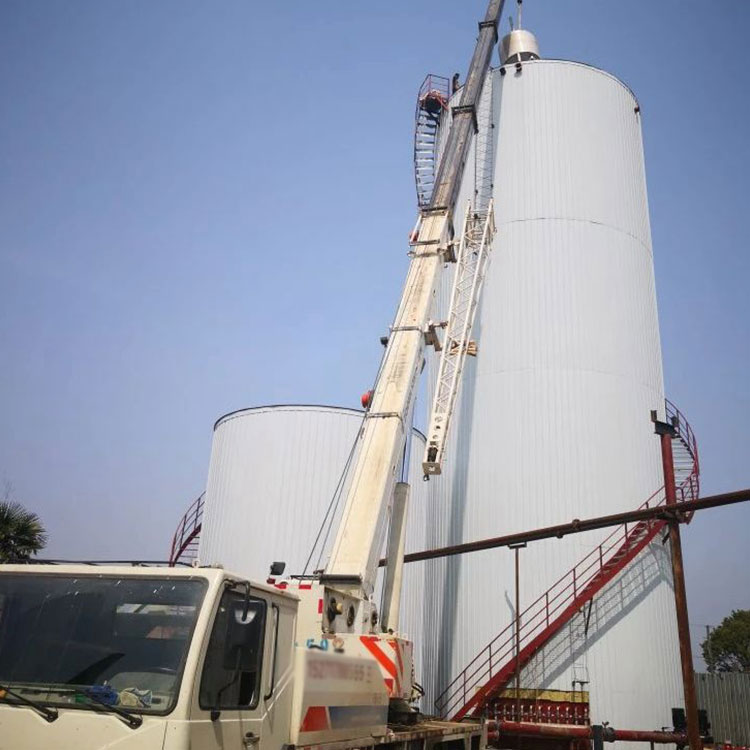 DMF Wastewater Treatment, Fenton Technology, Two-Stage A/O
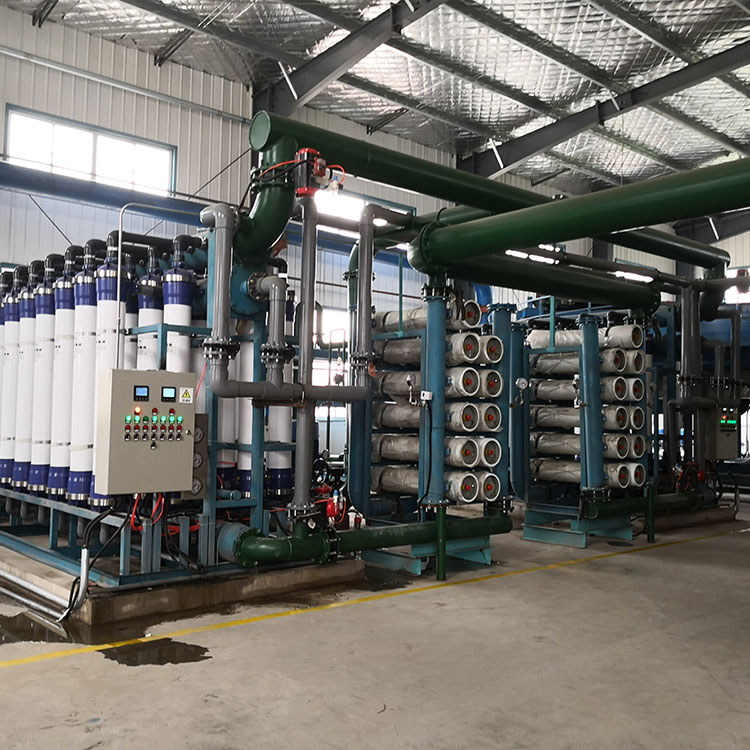 Reclaimed Water Recycling Equipment
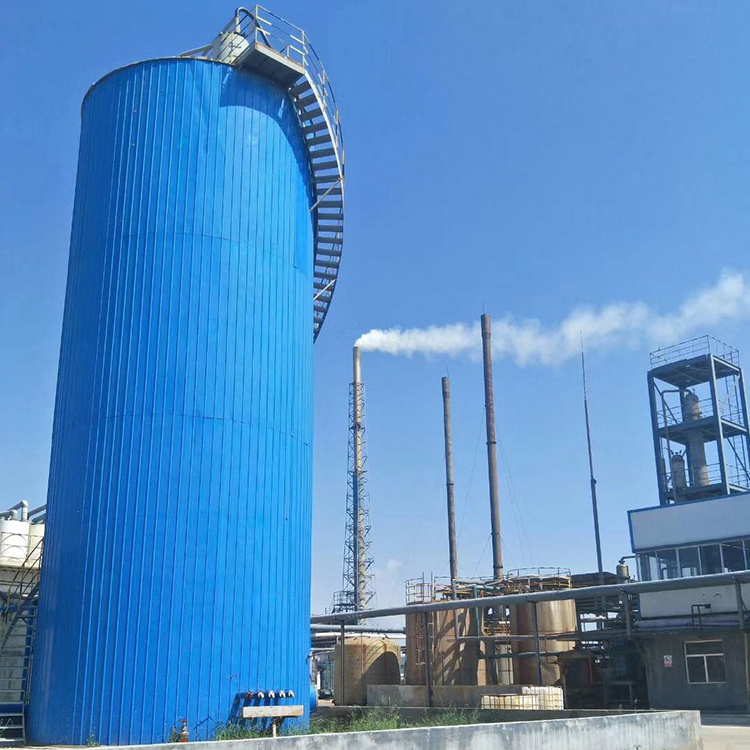 Integrated Equipment, Chemical Wastewater Treatment, River Management
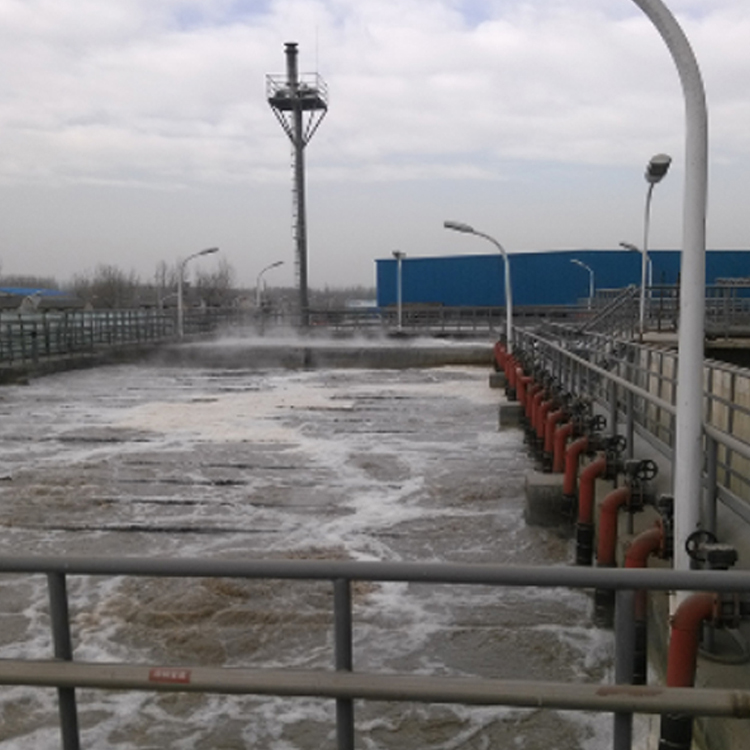 Textile dyeing and finishing wastewater treatment plant
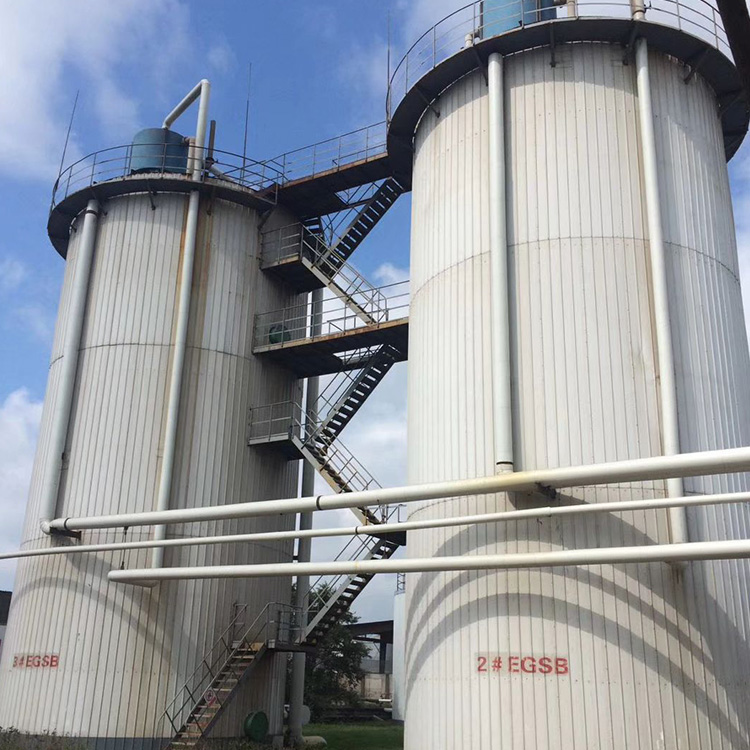 Wastewater Treatment Project, Paper Mill Wastewater Treatment Equipment, Paper Mill Wastewater Treatment
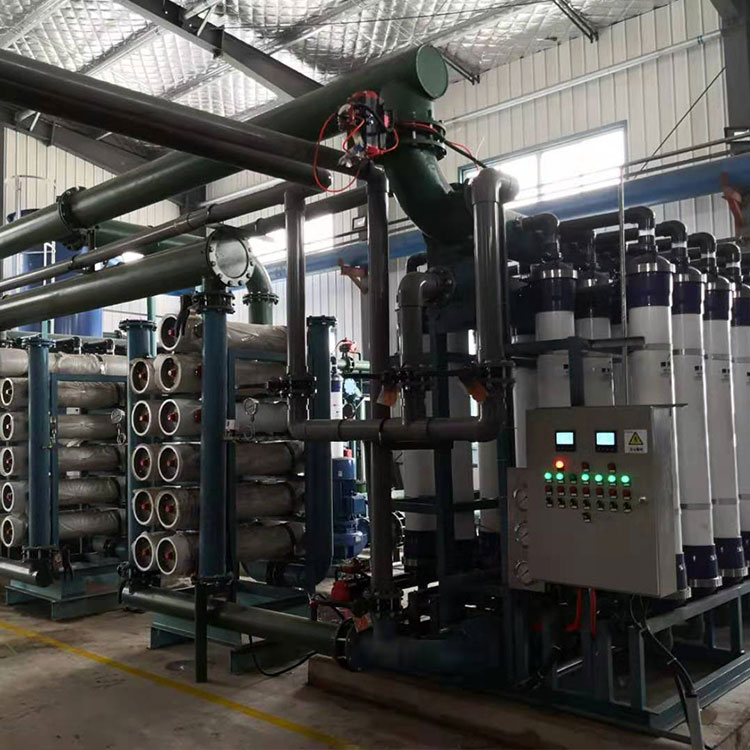 Nitrile wastewater, Nitrile production wastewater
Product Details

Wetland Design, Wastewater Treatment Process Design, Wastewater Treatment Equ...



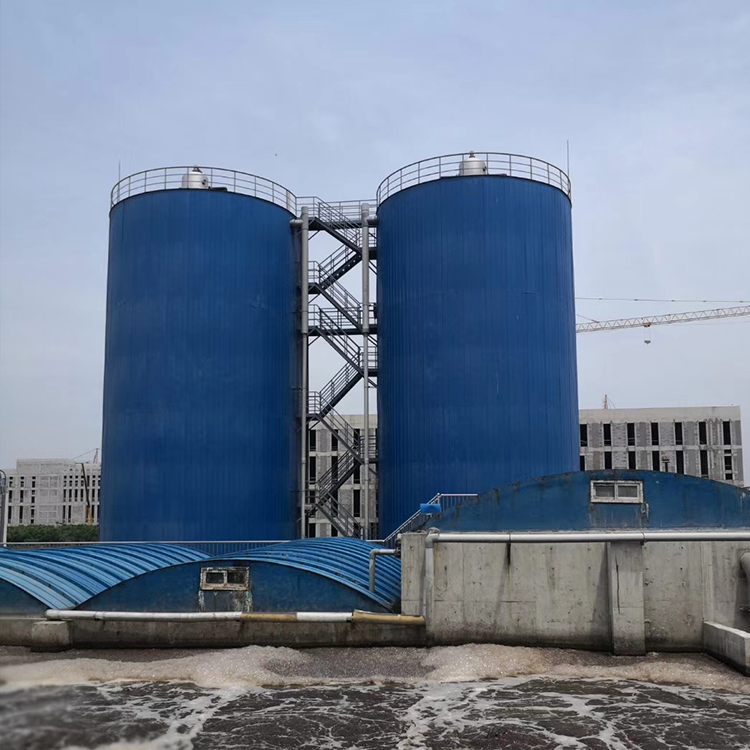

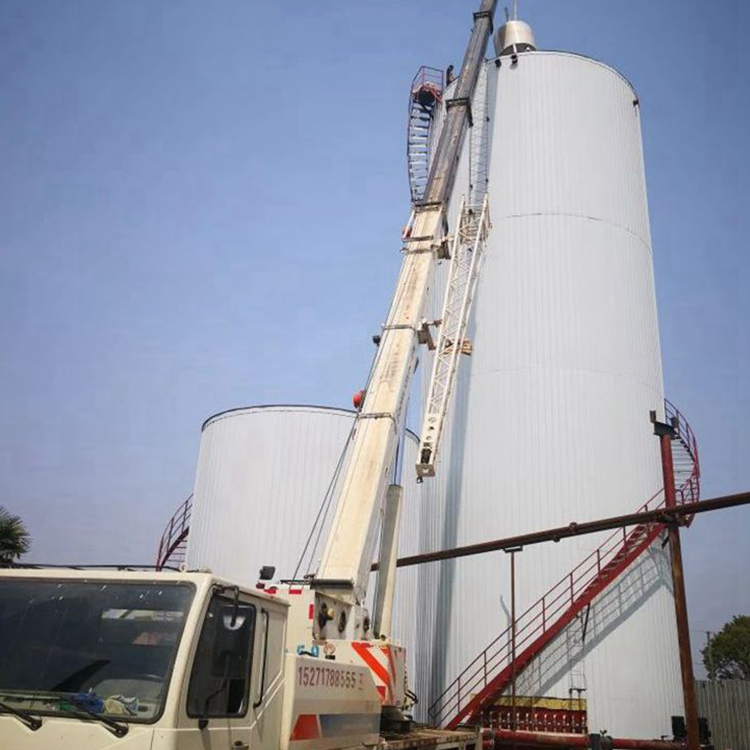
产品Price Negotiable
最小起订Quantity: 供货总Quantity:


Poultry and livestock farming pollutants mainly include feces, wastewater, and odors. Livestock feces contain a large number of pathogenic microorganisms, parasitic eggs, and breeding mosquitoes and flies, which can increase the types of pathogens and the amount of bacteria in the environment, leading to the massive reproduction of pathogenic bacteria and parasites, causing the spread of infectious diseases in humans and animals. Poultry and livestock farming wastewater is a typical high-concentration organic wastewater, characterized by large volume and low temperature. The wastewater is a mixture of solids and liquids, with high contents of nitrogen and phosphorus compounds and organic matter. The characteristics of the wastewater quality from the dry cleaning process are as follows: 1) Inconsistent drainage. The wastewater volume varies significantly. 2) The wastewater from washing pens is relatively concentrated, with a high shock load. 3) Although the process has separated feces and urine, the wastewater still has a high organic matter concentration and high viscosity, and contains silt-like substances. 4) Good biodegradability. The wastewater contains sufficient nutrients such as N and P, which provide conditions for the growth and reproduction of microorganisms. 5) Pollution indicators such as COD and ammonia nitrogen are relatively high, with COD around 10,000-15,000 mg/L and ammonia nitrogen approximately 1,000 mg/L; the COD for cattle farming is about 3,000-5,000 mg/L. 6) Generally free of heavy metals and toxic chemicals.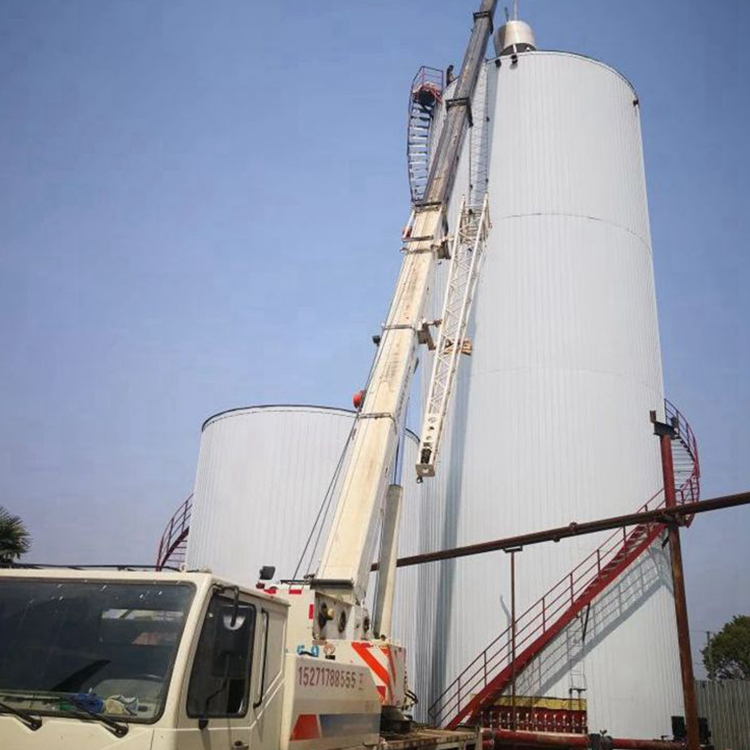

Phone Consultation
QQ Service