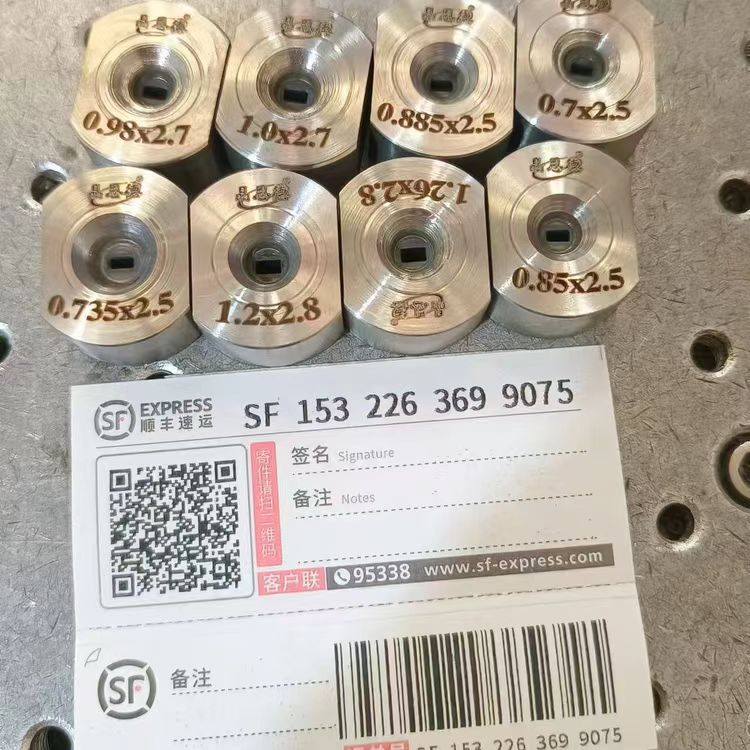
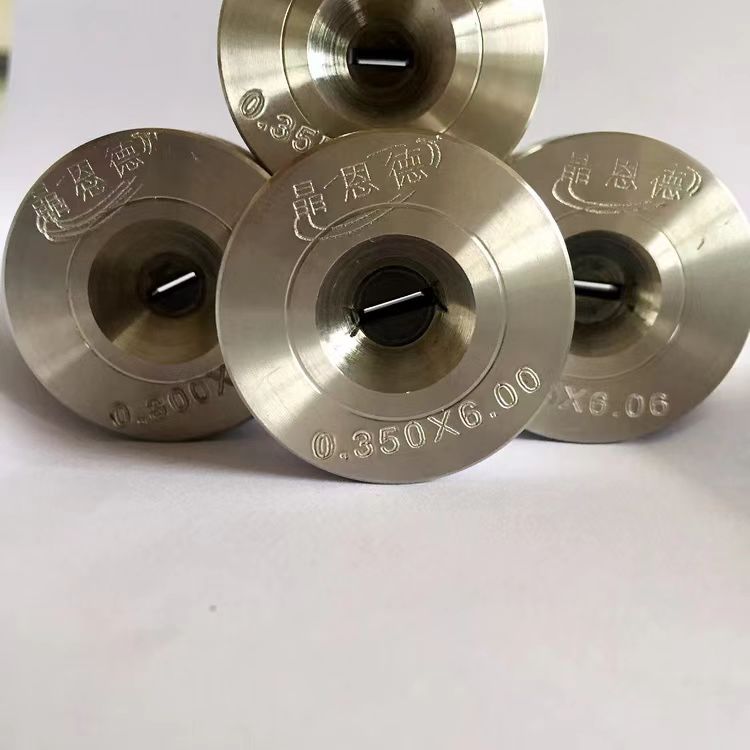
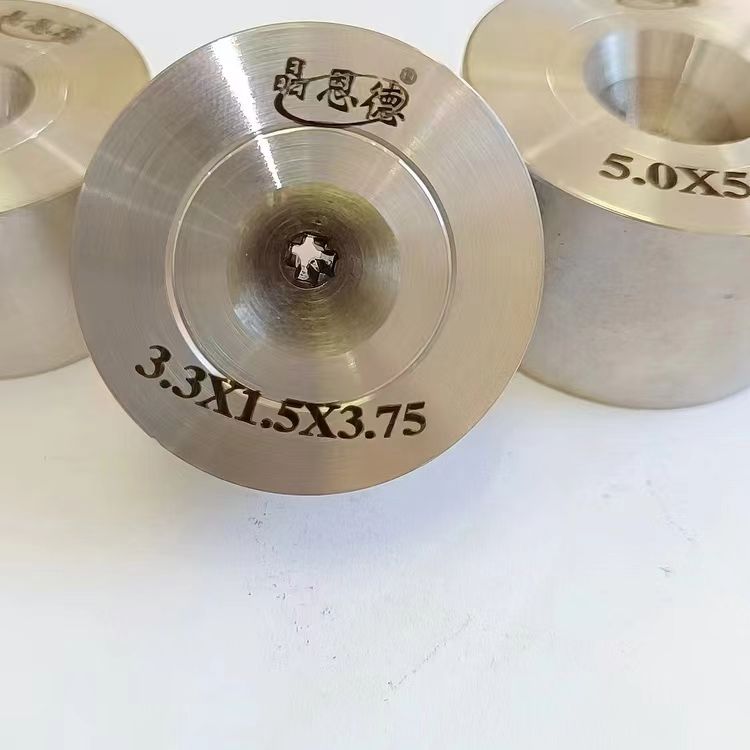
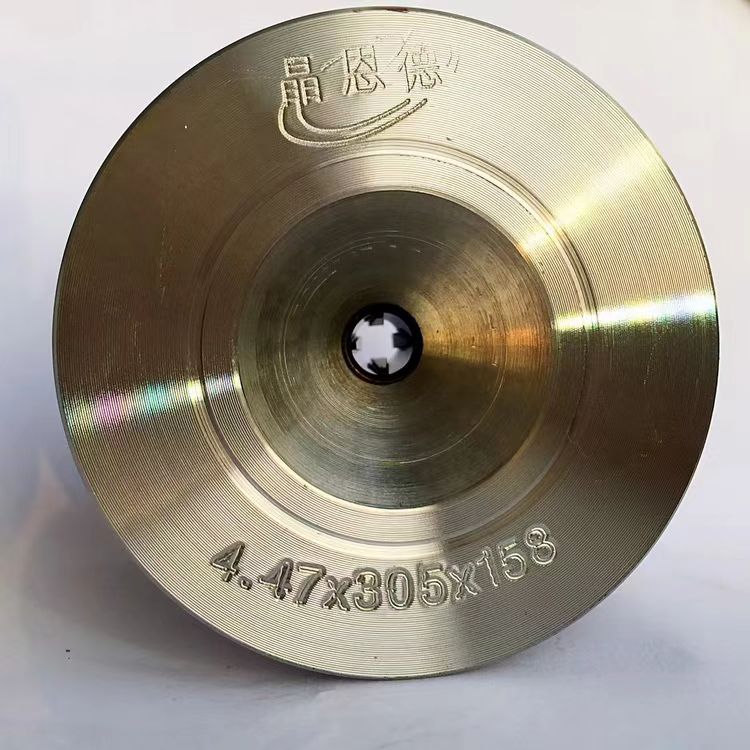
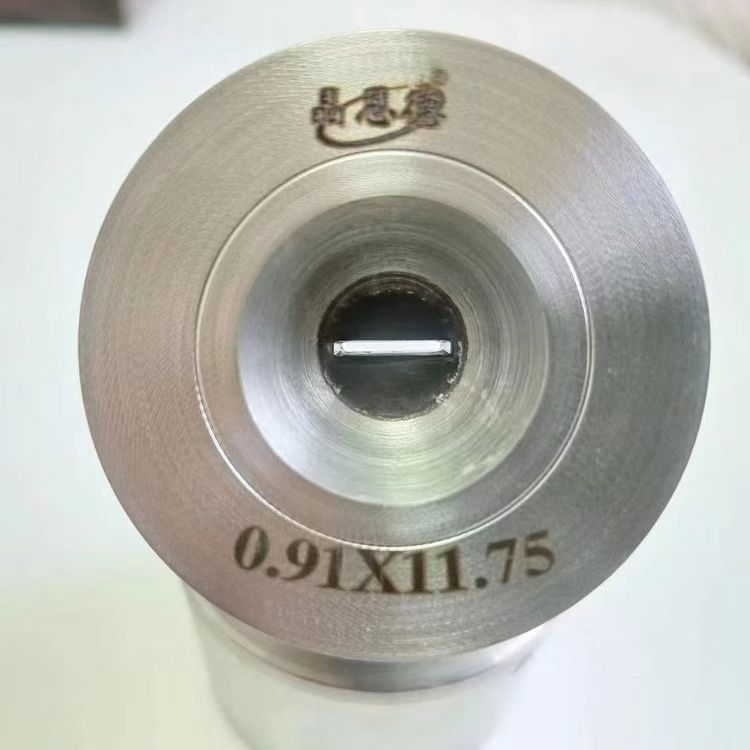
Wire Drawing Molds, Wire Drawing Dies, Special-shaped Wire Drawing Molds, Polycrystalline Wire Drawing Molds
18132035888
1. Abrasion resistance
During the plastic deformation of stock in the mold cavity, it flows and slides along the surface, resulting in intense friction between the mold cavity surface and the stock, which leads to the failure of the mold due to wear. Therefore, the wear resistance of the material is one of the important properties of the mold.
Hardness is the primary factor affecting wear resistance. Generally, the higher the hardness of the mold parts, the less wear they experience, and the better their wear resistance. Additionally, wear resistance is also related to the type, quantity, shape, size, and distribution of carbides within the material.
2. Tenacity
Mold working conditions are often extremely harsh, with some commonly subjected to significant impact loads, leading to brittle fractures. To prevent sudden brittle failure of mold components during operation, molds must possess high strength and toughness.
The toughness of molds primarily depends on the carbon content, grain size, and microstructure of the material.
3. Fatigue Fracture Performance
During the molding process, long-term cyclic stress often leads to fatigue fractures. These can manifest in the form of low-energy multiple impact fatigue fractures, tensile fatigue fractures, contact fatigue fractures, and bending fatigue fractures.
The fatigue fracture performance of molds primarily depends on their strength, toughness, hardness, and the content of inclusions within the material.
4. High-Temperature Performance
At higher working temperatures, molds can experience a decrease in hardness and strength, leading to early wear or failure due to plastic deformation. Therefore, mold materials should possess high resistance to tempering to ensure that molds maintain high hardness and strength at working temperatures.
5. Cold and hot fatigue resistance performance
Some molds are subjected to repeated heating and cooling during operation, causing tensile and compressive stresses on the mold cavity surface, leading to surface cracking and peeling, increased friction, and hindrance to plastic deformation, which in turn reduces dimensional accuracy and ultimately causes mold failure. Thermal fatigue is one of the main forms of failure in hot working molds, and such molds should possess high resistance to thermal fatigue.
6. Corrosion resistance
Some molds, such as plastic molds, during operation may release highly erosive gases like HCI and HF due to the presence of elements like chlorine and fluorine in the plastic. This decomposition upon heating erodes the mold cavity surface, increasing surface roughness and exacerbating wear and failure.
Contact us

Service Hotline
18132035888
Company Telephone
18132035888

Address
Hebei Province, Cangzhou City, Heyang County, Xicun Town, Zuojiazhuang Industrial Area
b2b.china9.net © Zhongshang 114 Hebei Network Technology Co., Ltd.Address: Room 6009, Oriental New World Center, No.118 East Zhongshan Road, Qiaoxi District, Shijiazhuang City, Hebei ProvincePlatform Service Hotline: 4006299930