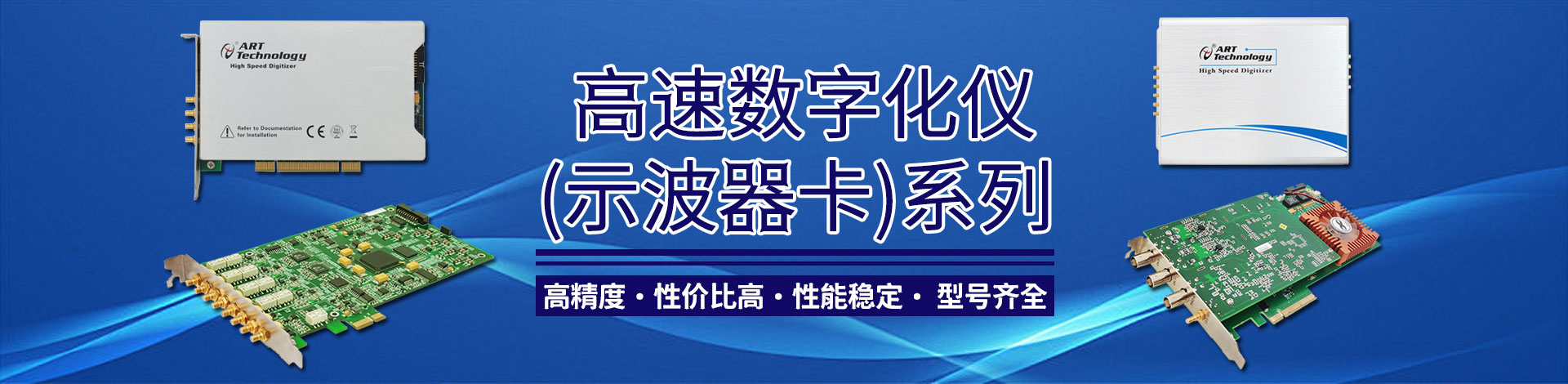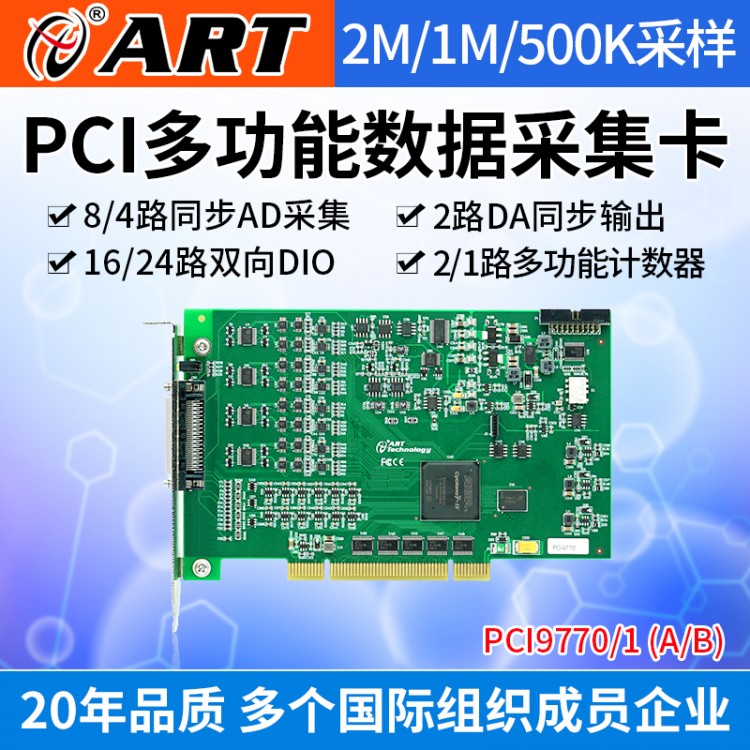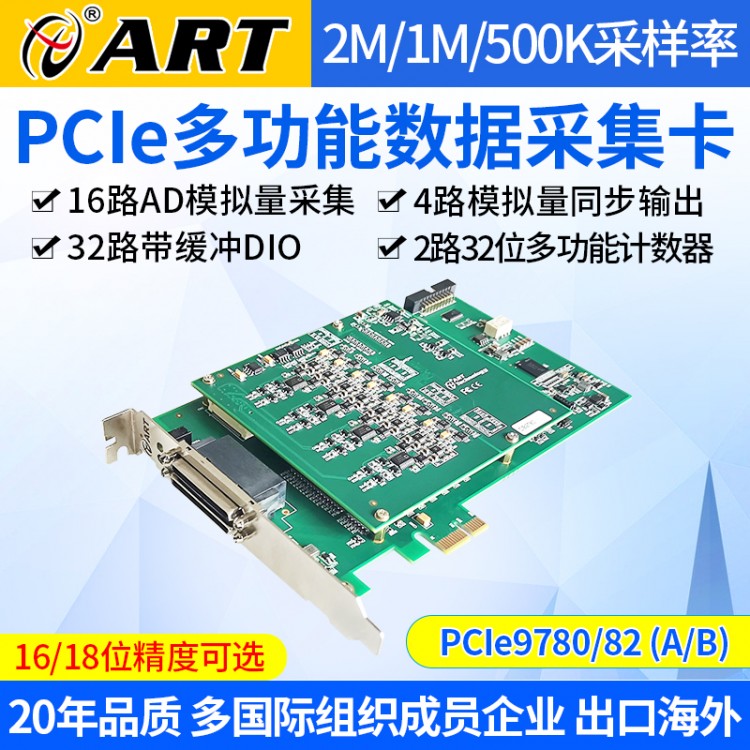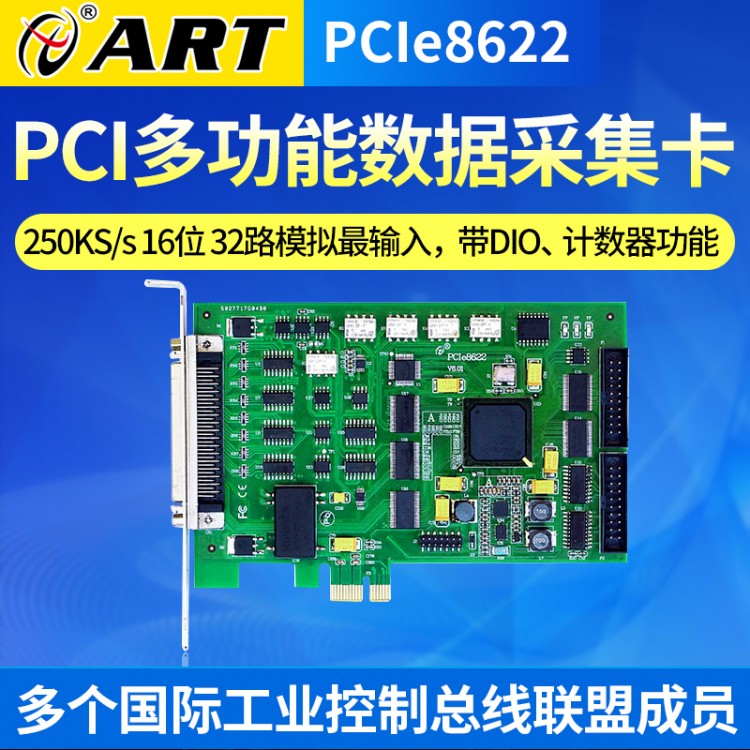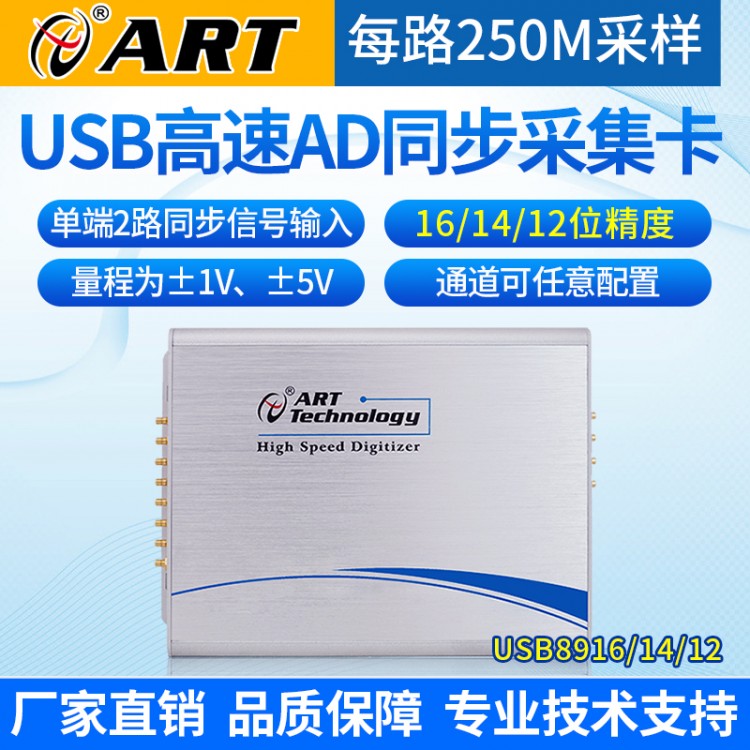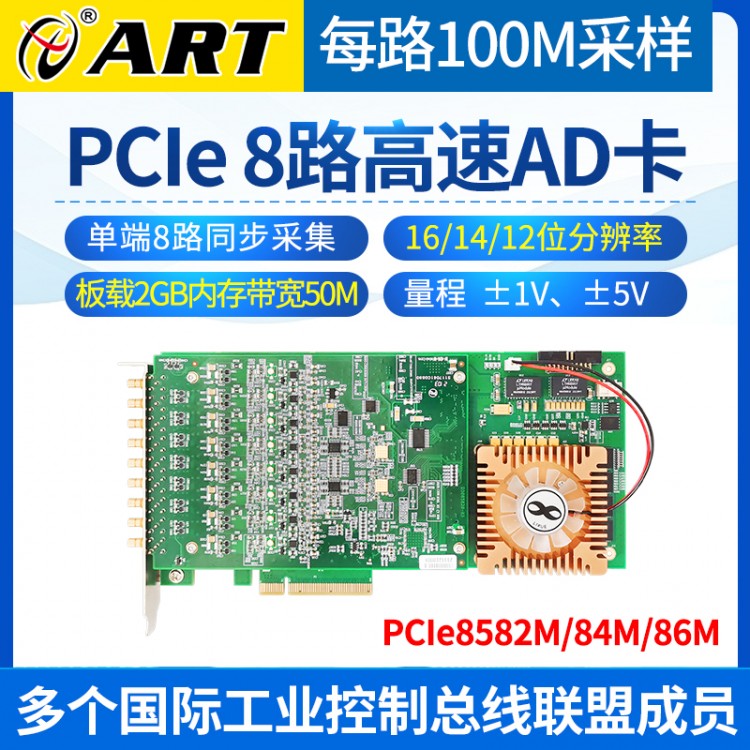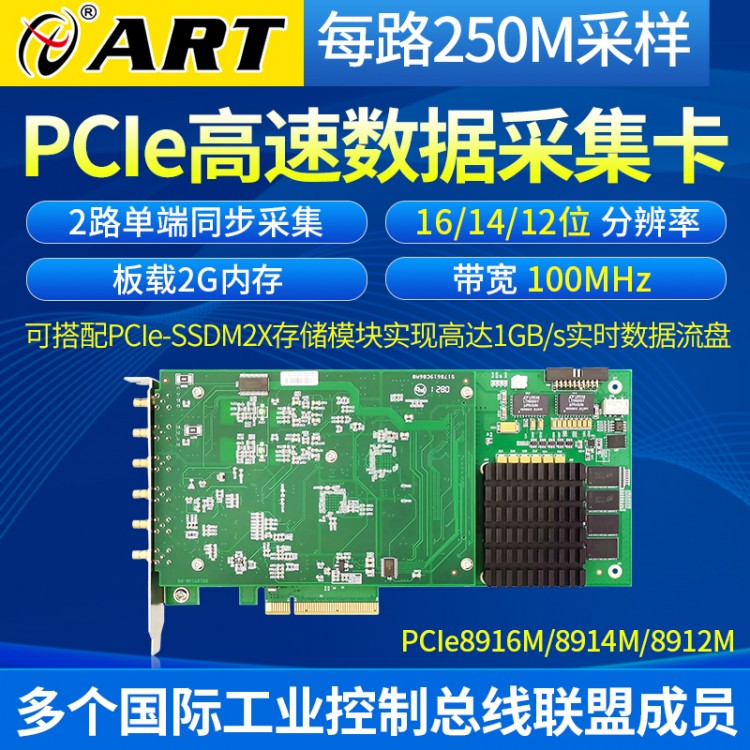
Data acquisition cards, acquisition modules, cabinets, co...

During data collection, signal instability often affects the accuracy and reliability of the results. In this article, we will analyze the potential causes of unstable signal collection and propose corresponding solutions.
01.Signal source instability
Unstable signal source
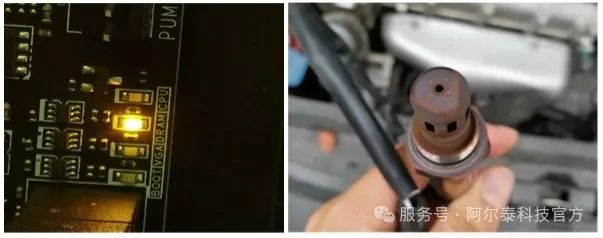
Unstable signal sources are a common cause of unstable signal acquisition. Issues such as hardware malfunctions, unstable power supply, aging sensors, or environmental factors (like temperature and humidity changes) can be at play. These factors directly lead to unstable signal outputs, thereby affecting the reading of the acquisition card.
Solution:
1. Verify Signal Source: First, check the signal source itself to ensure it is operating normally. For instance, confirm that the sensors are securely connected, the power voltage is stable, and the sensors themselves are not worn out or damaged.
2. Replace or Calibrate Sensors: For sensor-based signal sources, regular calibration is essential to ensure accurate output. If instability in sensors is detected, replace them promptly to maintain data reliability.
3. Select a more stable signal source: During system design, opt for a high-precision, stable signal source to minimize the impact of signal fluctuations on the collection results.
02.Data Acquisition Card Error
Acquisition card error
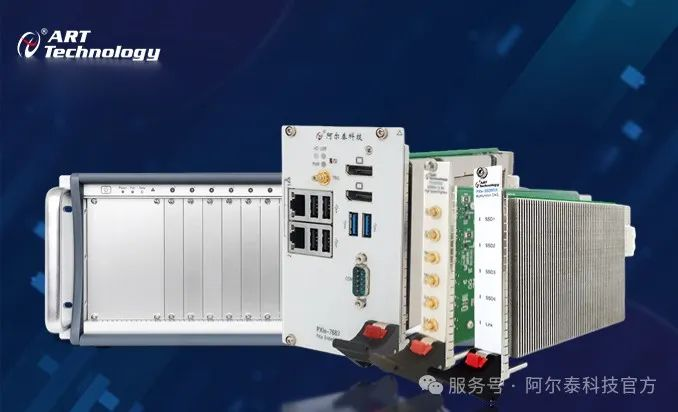
Card acquisition errors are also a significant factor in the instability of signal acquisition. The performance of data acquisition cards directly impacts the accuracy of the acquisition results. Mismatches in parameters such as the precision, resolution, and sampling rate of acquisition cards can lead to errors or signal loss, resulting in unstable data.
Solution:
1. Selecting the Appropriate Data Acquisition Card: Different models of data acquisition cards come with a default standard error range (e.g., 0.008%, 0.01%, 0.05%, 0.1% etc.), which are calibrated at the factory to ensure the error remains within this range. Before choosing a data acquisition card, consider your precision requirements to select the most suitable option.
03.Industrial Frequency Interference
Acquisition card error
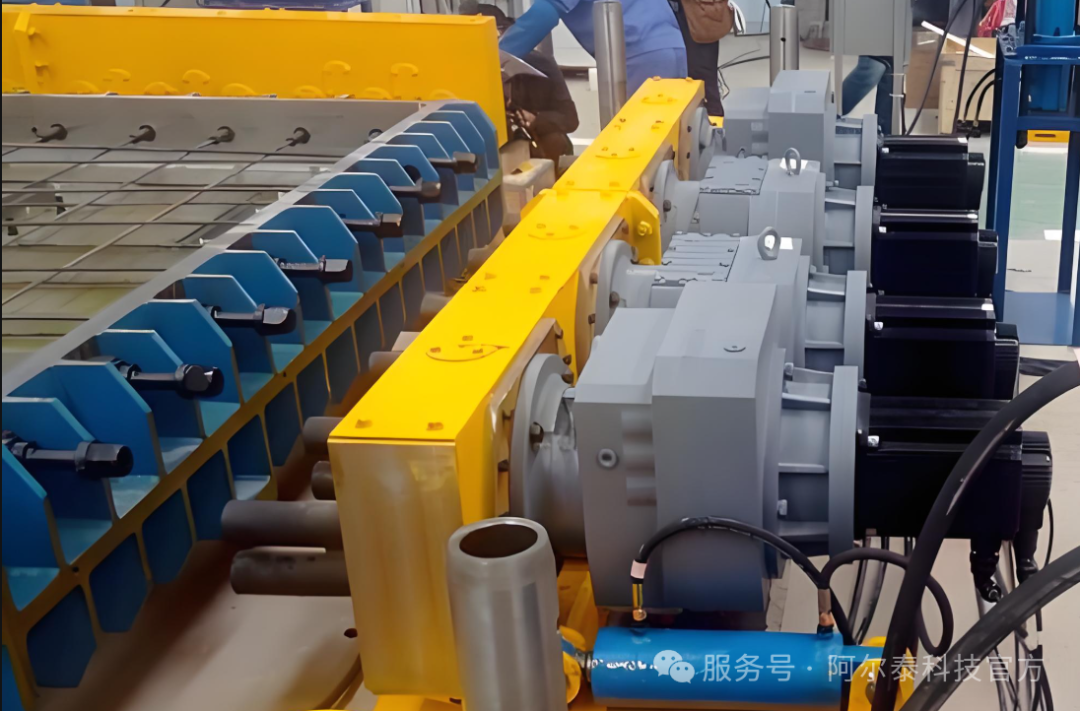
In industrial environments or power systems, power frequency interference (50Hz or 60Hz) is a non-negligible issue. Power lines and electrical equipment generate periodic electromagnetic fields, and these interference signals may pass through cables, transmission lines, and other pathways.
Sensors, even air transmission, can affect the collection system, leading to signal distortion or fluctuation.
Solution:
Filter Usage: Industrial frequency interference typically occurs within the 50Hz or 60Hz range, so a low-pass filter or band-pass filter can be utilized in the signal acquisition system to filter out industrial frequency signals, reducing the impact of interference.
2. Enhance Electromagnetic Compatibility Design: Add appropriate shielding to the collection system and signal source to avoid external electromagnetic interference. Methods such as shielded cables and metal enclosures can be used to isolate the system from surrounding interference sources.
3. Proper Wiring: Minimize the parallel routing of signal and power lines, especially near high-power electrical equipment, to avoid common-mode noise. Utilize twisted pair or shielded cables to reduce noise interference.
4. Grounding Management: Properly arrange the grounding system to avoid interference caused by grounding loops. Ensure that the signal source, data acquisition card, and power system have good grounding connections.
04.System settings and configuration issues
System settings and configuration issues
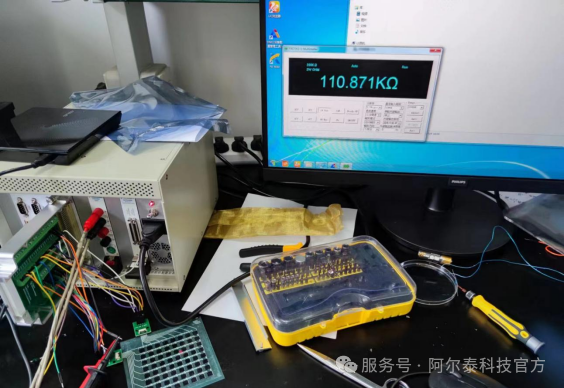
During the data collection process, improper configuration or incorrect settings of the data acquisition card and the signal source are also a significant cause of signal instability. For instance, a low sampling frequency, low collection precision settings, or selecting the wrong input channel can all lead to inaccurate signal collection.
Solution:
Properly Configure Acquisition Parameters: Set the sampling frequency, sampling accuracy, and input channels based on the characteristics of the actual signal. Ensure that the acquisition system's settings align with the signal source's properties.
2. Inspect Connections and Connectors: Check the connection between the signal source and the data acquisition card, ensuring there are no poor contacts or wiring errors, particularly after long-term operation, as connectors may become loose.
3. Employing Appropriate Signal Conditioning Circuits: Utilizing signal conditioning circuits, such as amplifiers and filters, for high-frequency or weak signals can enhance signal quality and minimize errors during the collection process.
Conclusion
The instability in signal collection may be attributed to factors such as unstable signal sources, errors in collection cards, and power frequency interference, among others. Through in-depth analysis and targeted solutions to these issues, we can effectively enhance the stability and accuracy of the data collection system. Regular maintenance of equipment, optimization of system configurations, and implementation of effective anti-interference measures ensure the stable operation of the signal collection system under various conditions, thereby guaranteeing the reliability and precision of the data.


b2b.china9.net © Zhongshang 114 Hebei Network Technology Co., Ltd.Address: Room 6009, Oriental New World Center, No.118 East Zhongshan Road, Qiaoxi District, Shijiazhuang City, Hebei ProvincePlatform Service Hotline: 4006299930