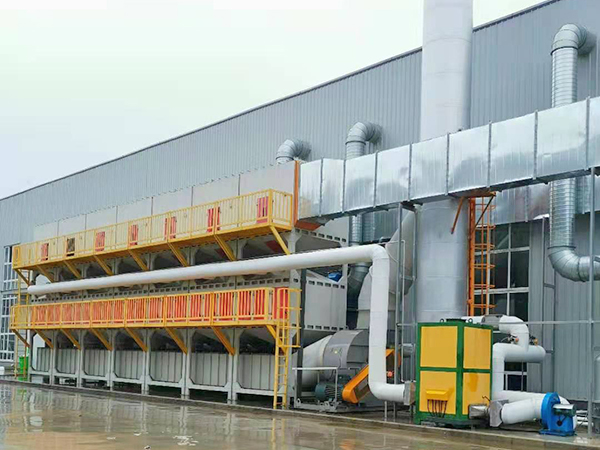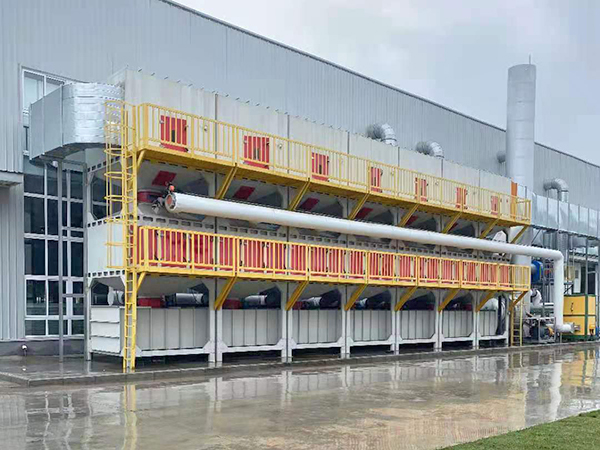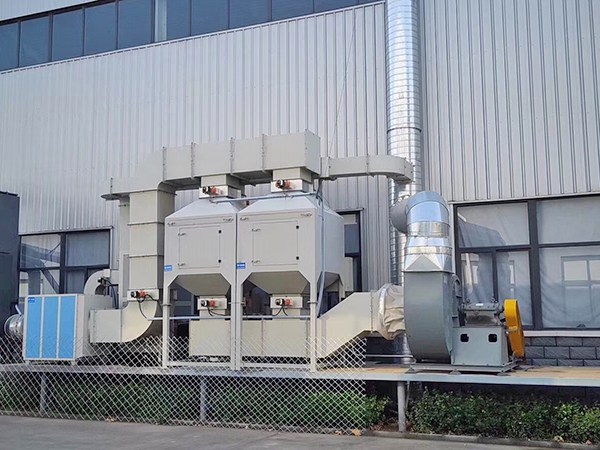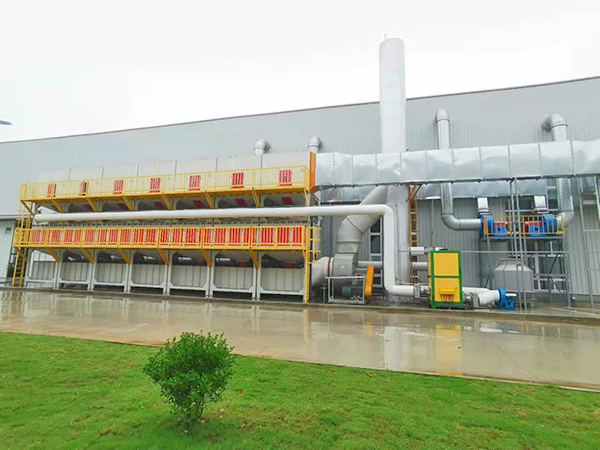

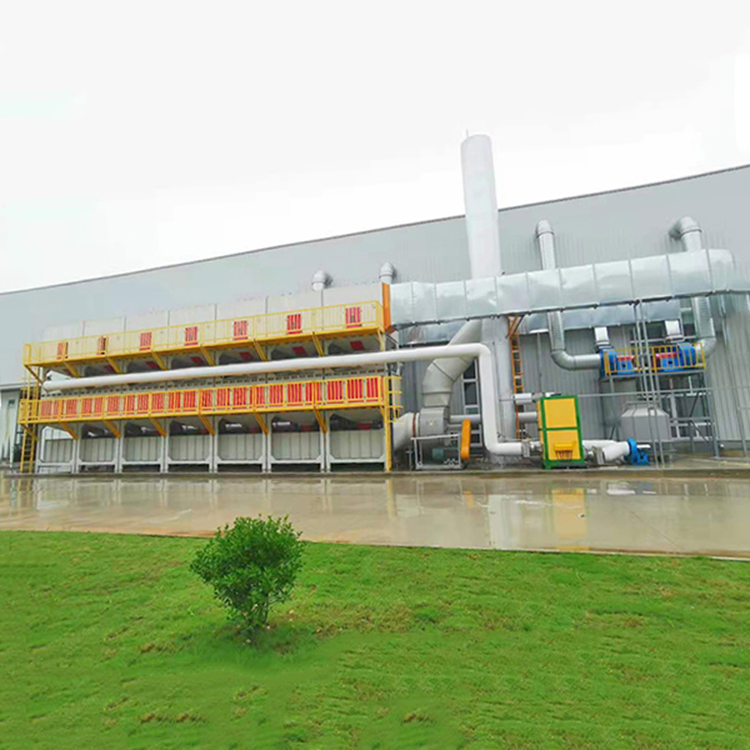
Product Description
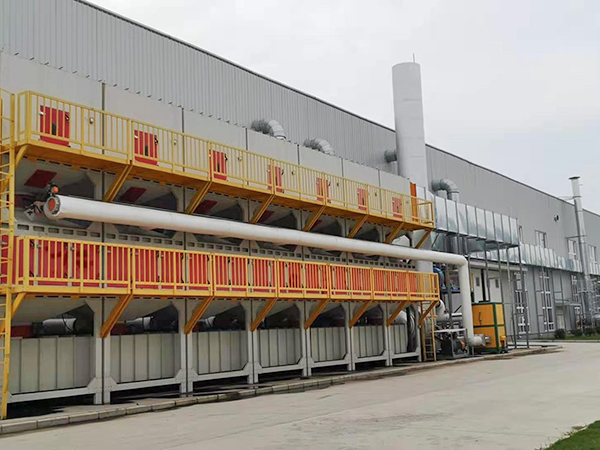
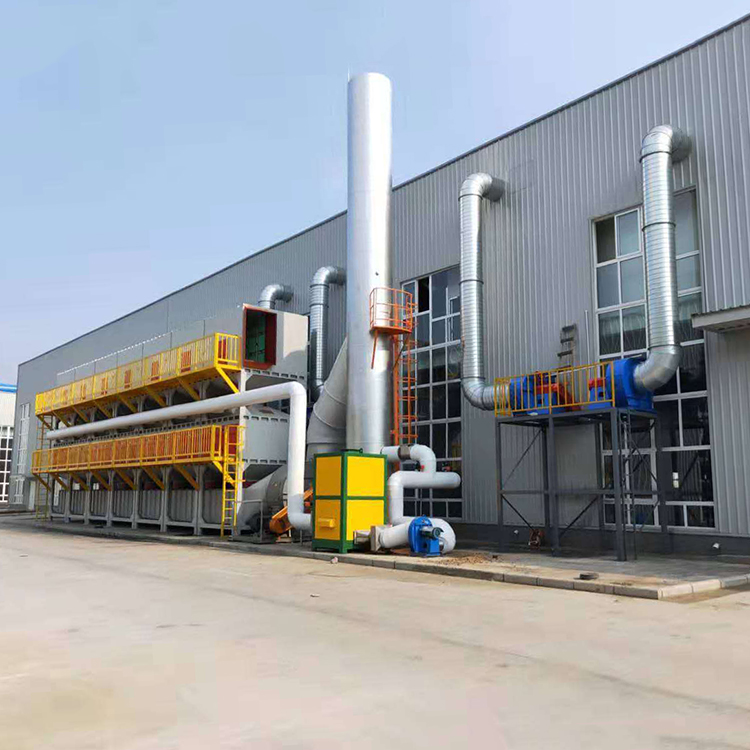
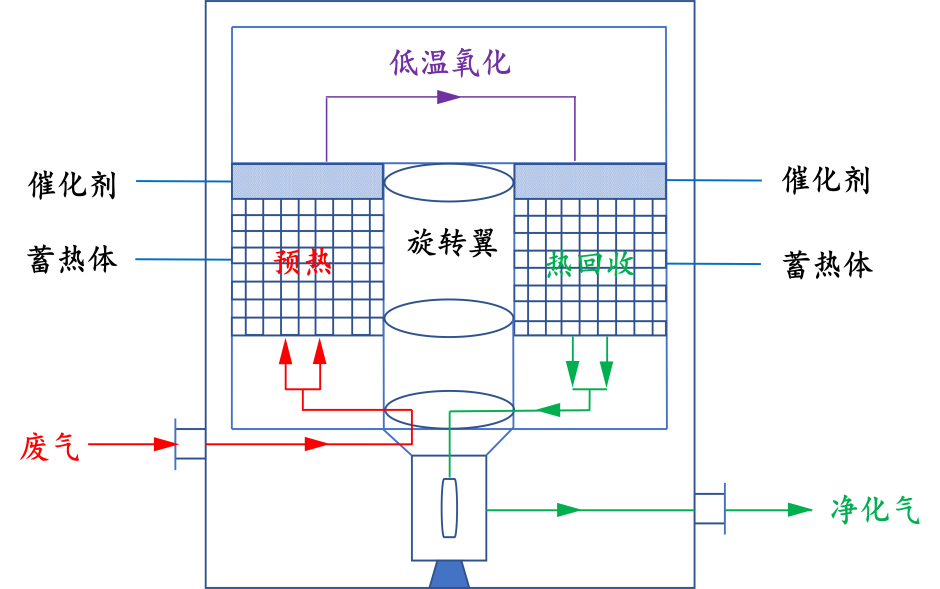
The catalytic combustion unit is designed specifically for the purification of large-volume organic waste gases, featuring low operation costs. It also thoroughly considers the safety of waste gas combustion, heat recovery, and the longevity of the equipment. The catalytic combustion method involves oxidizing organic pollutants in waste gases to CO₂ and water at lower temperatures under the action of catalysts platinum and palladium. Due to its low ignition temperature, it is an ideal method for treating organic pollutants through catalytic reactions (without open flame).
Product Features
High purification efficiency, up to 98% or more, ensuring exhaust meets environmental emission standards.
Flameless combustion, equipped with multiple safety features, ensuring safe and reliable operation of the equipment.
Low ignition temperature, high heat exchange and heating efficiency, low energy consumption, and low operation costs.
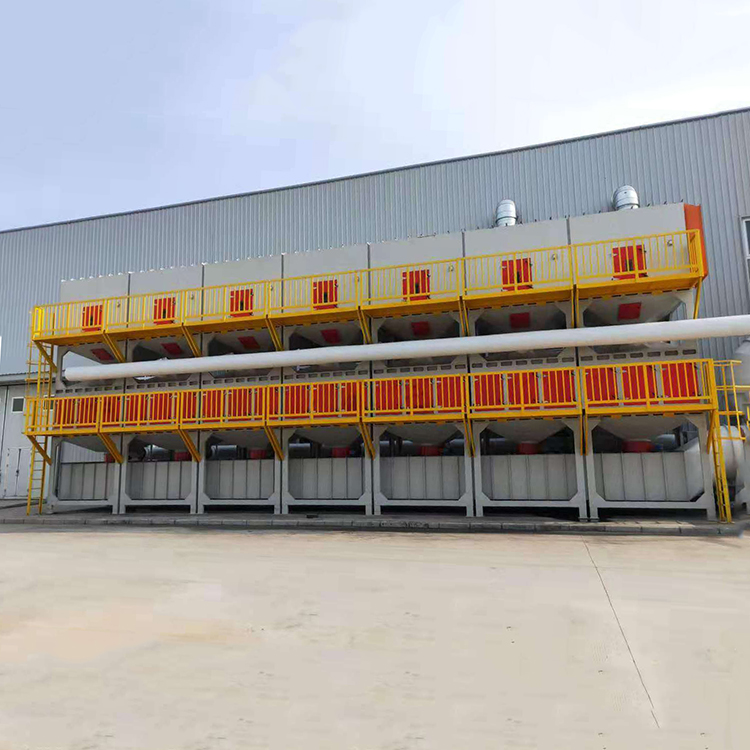
Equipment layout is compact, occupying minimal space, saving construction and installation costs, and convenient for operation and maintenance management.
Utilizing an extremely efficient waste heat recovery system, we maximize the recovery of waste heat, enabling normal production without any fuel requirements and generating superheated high-pressure steam, resulting in significant economic benefits.
Utilizing a rectangular catalyst reactor for easy filling, replacement, installation, and maintenance.
Specifically utilizes imported palladium, platinum stainless steel metal honeycomb catalysts, characterized by high activity, excellent high-temperature stability (up to 730℃), high mechanical strength, long service life (up to 4-5 years), reduced pressure drop, easy cleaning, and broad application range.
Low ignition temperature, catalytic ignition temperature: 230~370°C, energy-saving.
Catalytic combustion of organic waste gases has significant advantages over direct combustion, such as a lower ignition temperature and reduced energy consumption. In some cases, once the ignition temperature is reached, external heating is no longer required.
Case Studies