

Product Introduction
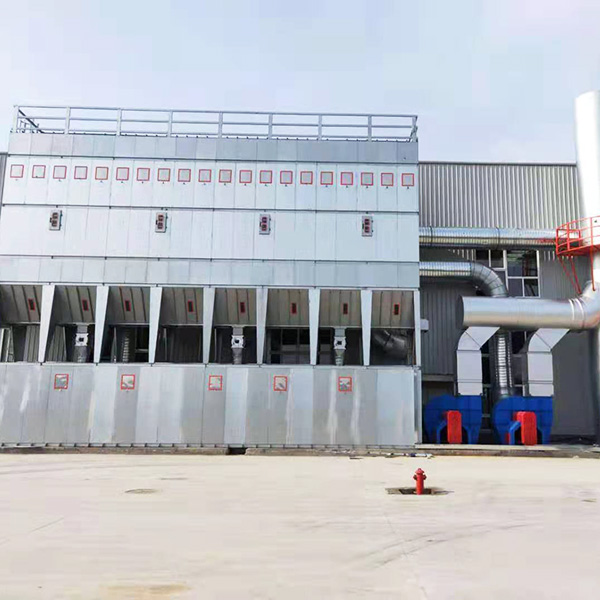
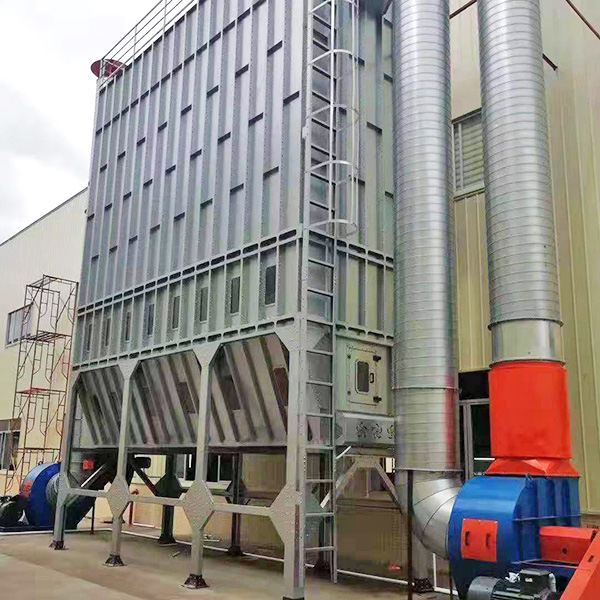
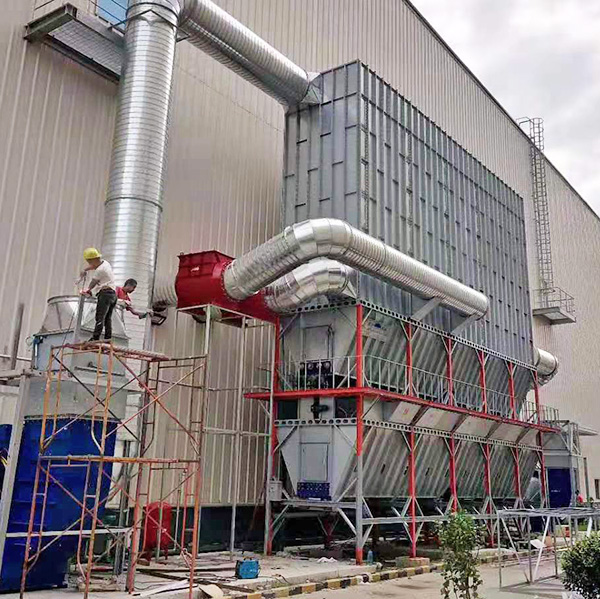
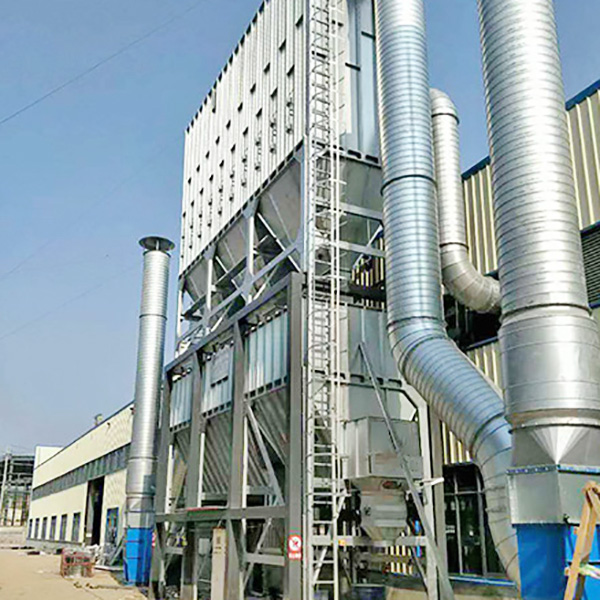
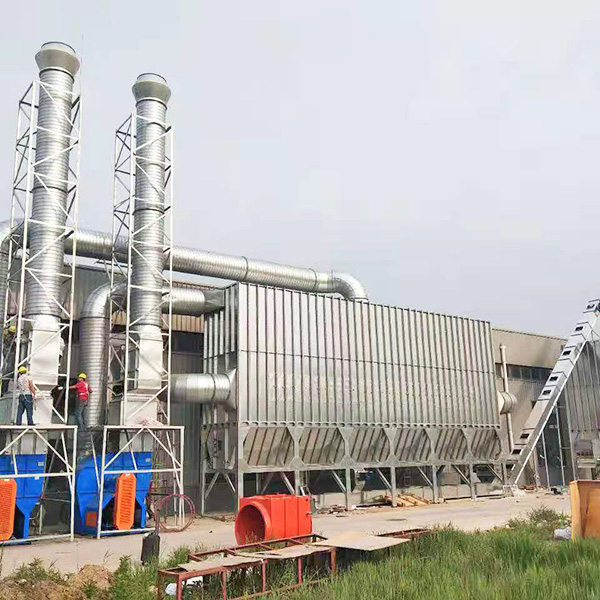
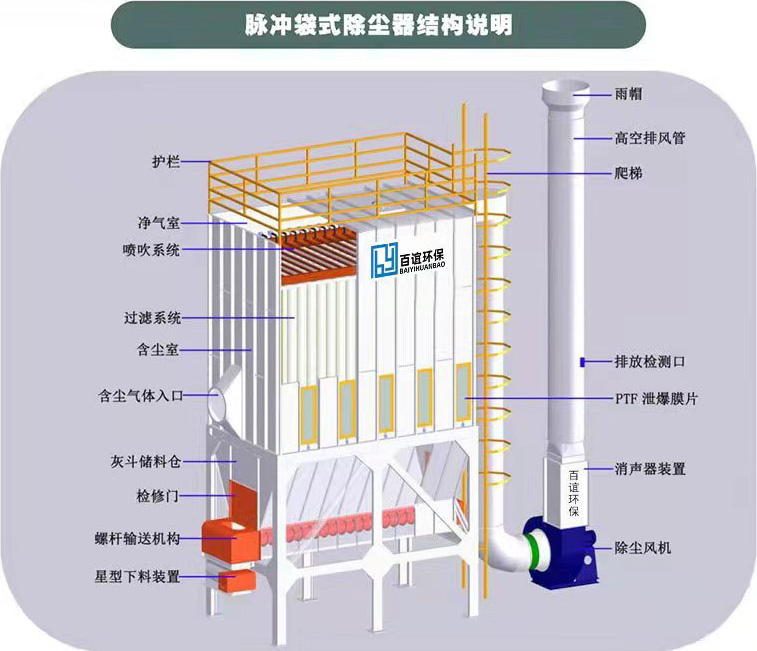
During the operation of the dust removal system, dust particles generated at various dust points are captured and, under the suction of the fan, transported through the duct system to the dust collector. Most of the coarser dust particles fall into the ash storage chamber due to inertia or natural settling. Some finer dust particles rise with the air flow into the bag chamber, where they are filtered by the filter bags, isolating the dust and adhering to the outer side of the bags. The purified gas is then discharged through the filter bags by the fan, thereby purifying the dusty air. An automatic control system with continuous pulse-jetting cleaning is also employed to quickly remove the dust adhering to the surface of the filter bags, restoring the filtering capacity of the filter media. The retained dust particles settle into the ash storage chamber of the dust collector and, upon reaching a certain quantity, are discharged by the unloading system. The dust can be recycled or transported for disposal by relevant departments. The cleaning process can be performed without stopping the machine, ensuring production continuity. The dust is effectively separated and removed by the strong retention action of the filter media within the bag house, resulting in air that meets emission standards. The dust can be recycled or transported for disposal by relevant departments.
Product Features
High dust removal efficiency: Achieves higher dust removal efficiency for gases containing dust particles at the micron or submicron level.
Wide Range of Application: Can process different dusty gases with various filtration materials based on the nature of the dust.
High capacity handling: Adaptable to requirements of dust-laden gases with varying volumes, the dedusting equipment can process flue gas volumes ranging from a few cubic meters per hour to several million cubic meters per hour.
Low energy consumption, smooth operation, easy operation, and convenient maintenance.
Standard modular assembly structure: Achieves interchangeability of workpieces, adaptable to the future development needs of the user unit, and allows for convenient upgrading and transformation.
Multiple material discharge methods: Adopt spiral, scraper, or bottom hopper discharge systems based on different operating conditions to ensure unobstructed dust emission.
High environmental and safety factor: Equipped with fire protection systems and a comprehensive fault detection and alarm system; utilizes 3C certified explosion-proof and anti-explosion devices to ensure the reduction of fire hazards in equipment.
Application Range
Widely applied in the collection and treatment of dust-laden gases in industrial fields such as wood products, hardware, rubber, cement, steel, electricity, food, metallurgy, and chemical industry.
Structural Description
Case Study Showcase