


Introduction to the residential zinc-aluminum alloy fence:
The material of zinc steel fences is hot-dipped galvanized steel pipes, which themselves can resist rust for several years. After the pipes are punched, the surface is then electrostatically sprayed, extending the service life even further. Zinc steel fences are made using a punching and interlocking process with no weld points, making them less prone to rust. They are easy to assemble, aesthetically pleasing, and have bright colors (colors can be customized according to customer requirements) that are easy to clean.
Surface treatment of the residential zinc steel railing:
The surface treatment of zinc steel fences is typically electrostatic powder coating with PVC, followed by high-temperature treatment. This results in a surface that is resistant to high temperatures, sun exposure, rain, corrosion, and is not prone to peeling, without causing wall pollution.
Color of residential zinc steel fence:
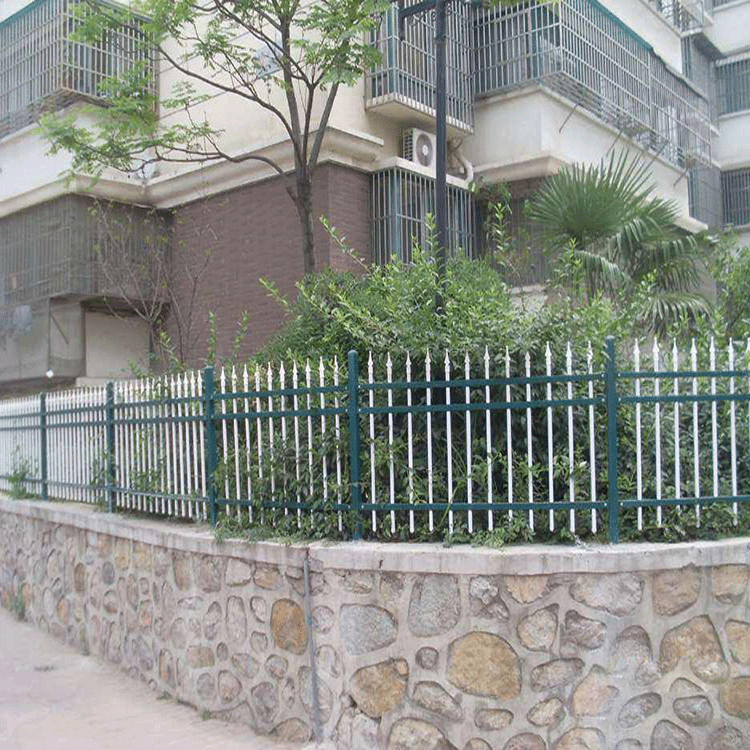
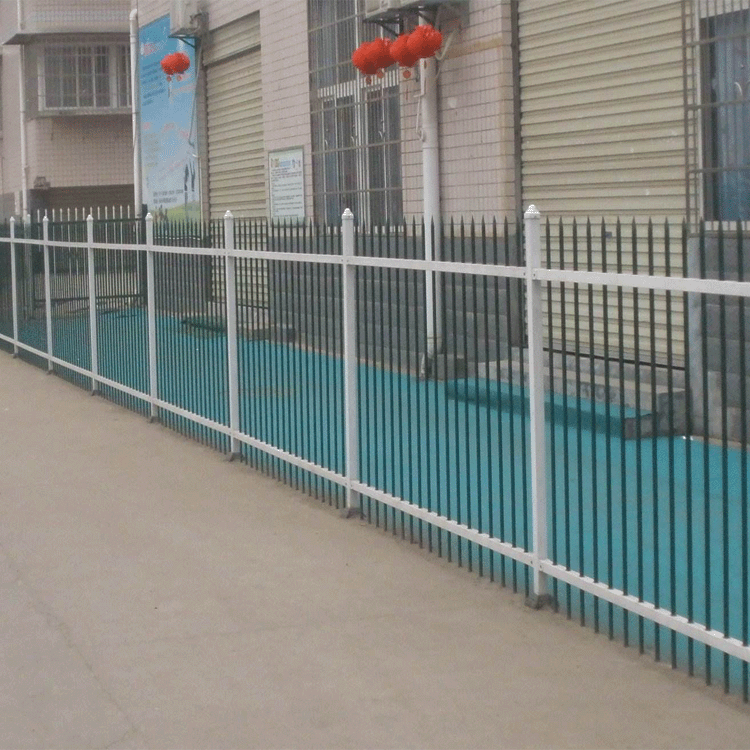
Common colors for zinc steel fences include blue and white, green and white, black, gray, and yellow. Custom colors can also be spray-painted upon customer request. Sandblasting treatment is available as well.
Common styles of residential zinc-aluminum alloy railing:
Double-bar zinc steel railing, meaning one horizontal bar on top and one on the bottom.
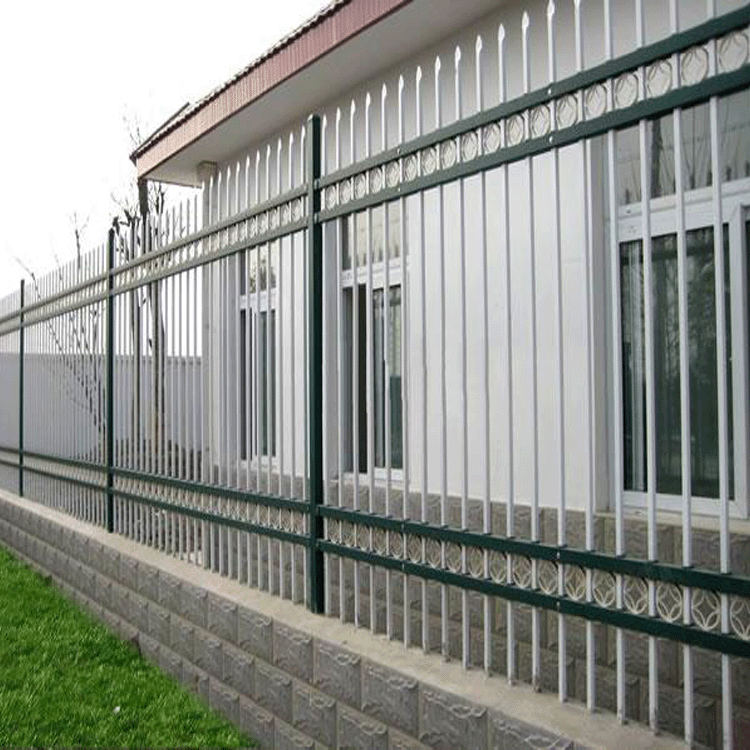
2. Three-bar zinc steel fence, featuring two horizontal bars on top and one at the bottom, with decorative flowers available for installation between the top two bars upon customer request.
3. Four-bar zinc steel railing, featuring two horizontal bars on top and two on the bottom, with decorative flowers available for installation between the bars according to customer requirements.
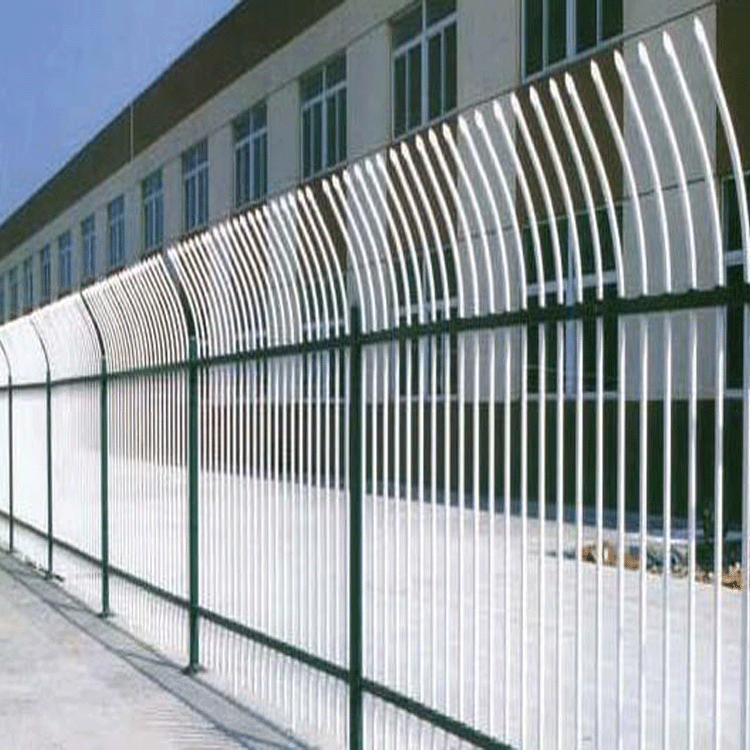
4. Single bend zinc steel guardrail, which is a zinc steel guardrail with vertical pipes processed into a bend shape for enhanced protective capabilities.
5. Bi-directional zinc steel guardrail, which is a zinc steel guardrail with vertical pipes processed into a bend style, and the number of guardrails at the top is increased to form bends on both sides, further enhancing the protective capability.