
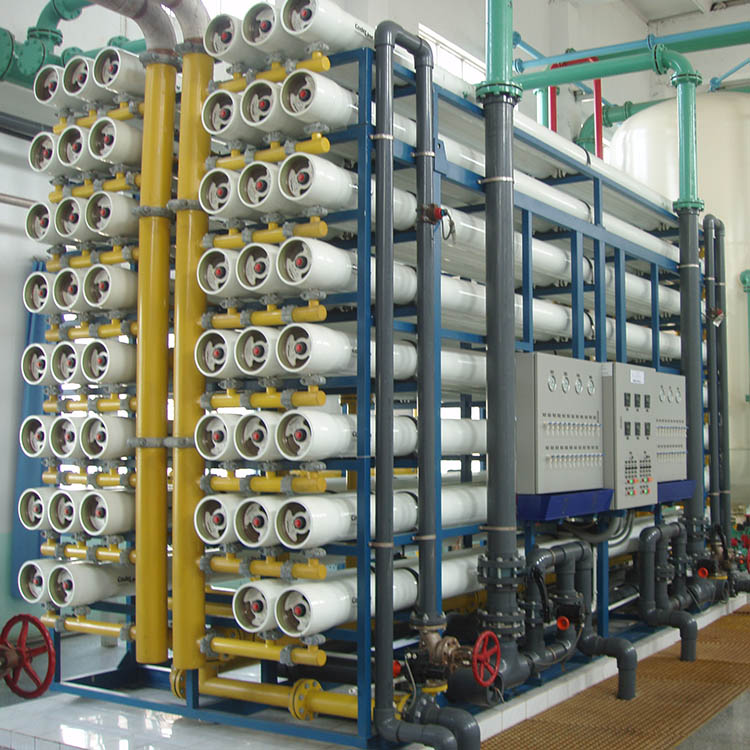
 Power plant demineralized water reverse osmosis
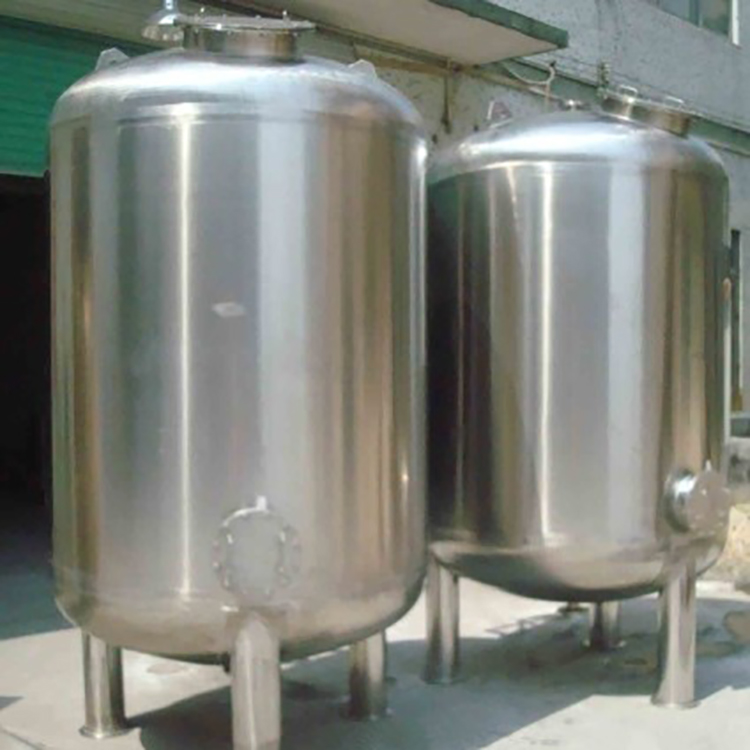 Mechanical Filter
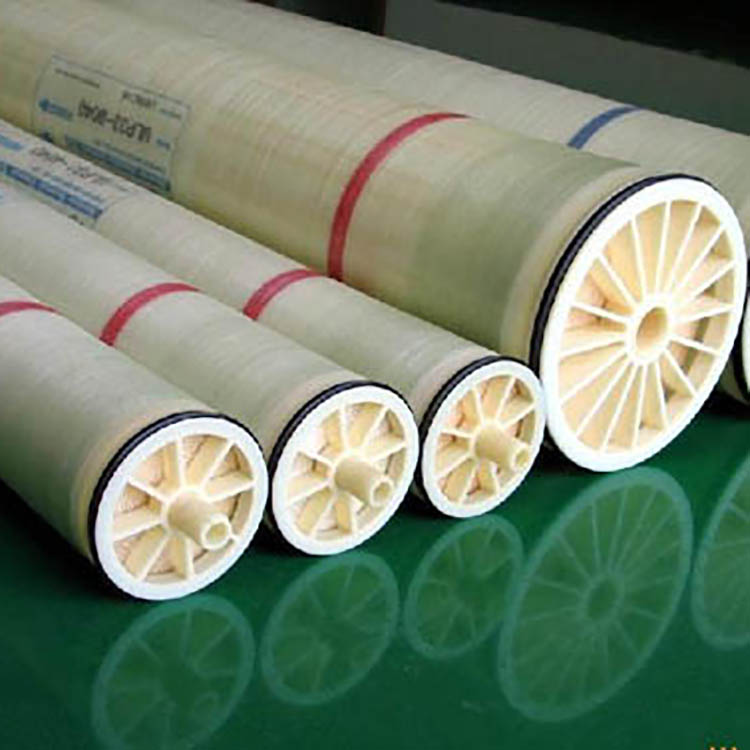 Reverse Osmosis Membrane
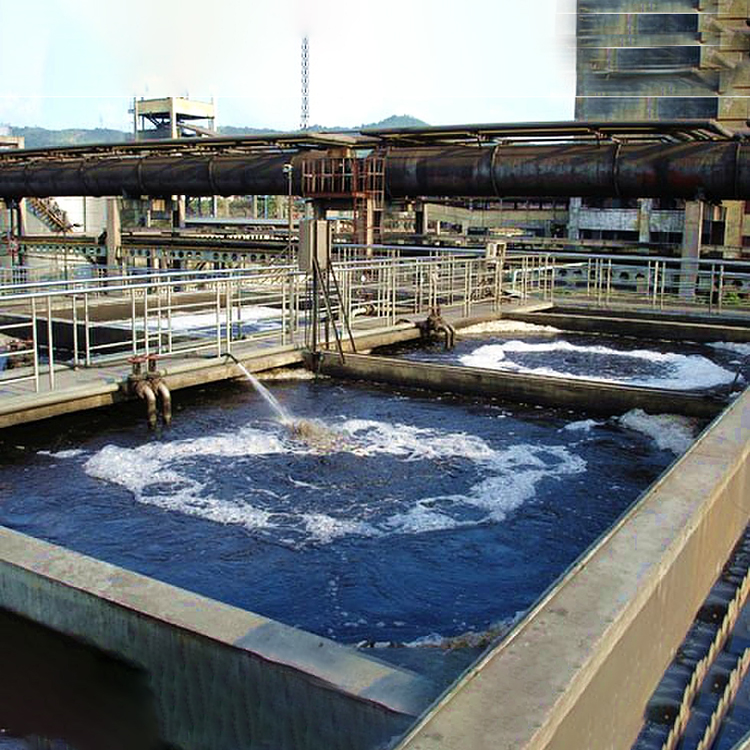 Coal Mine Sewage Treatment
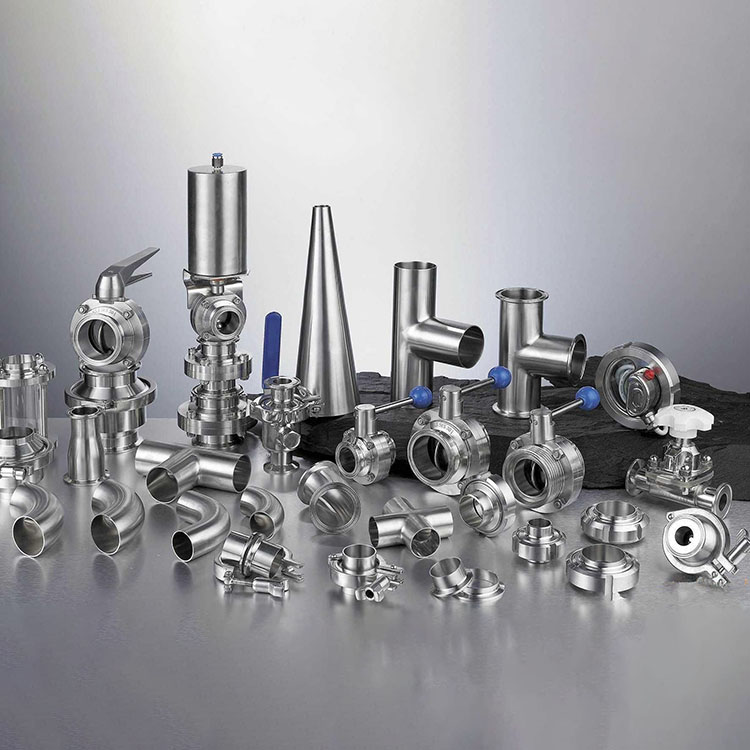 Stainless Steel Fittings
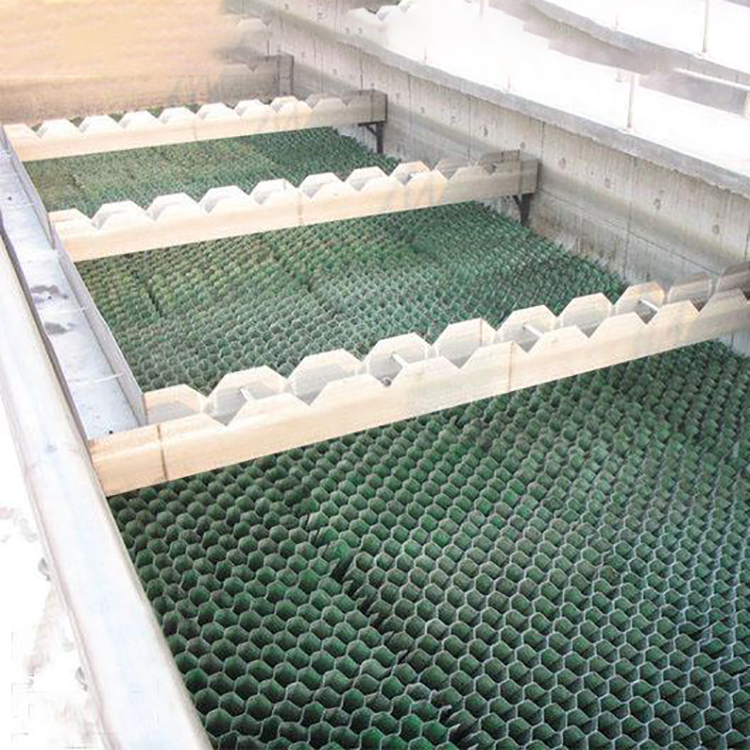 Tilted tube sedimentation tank
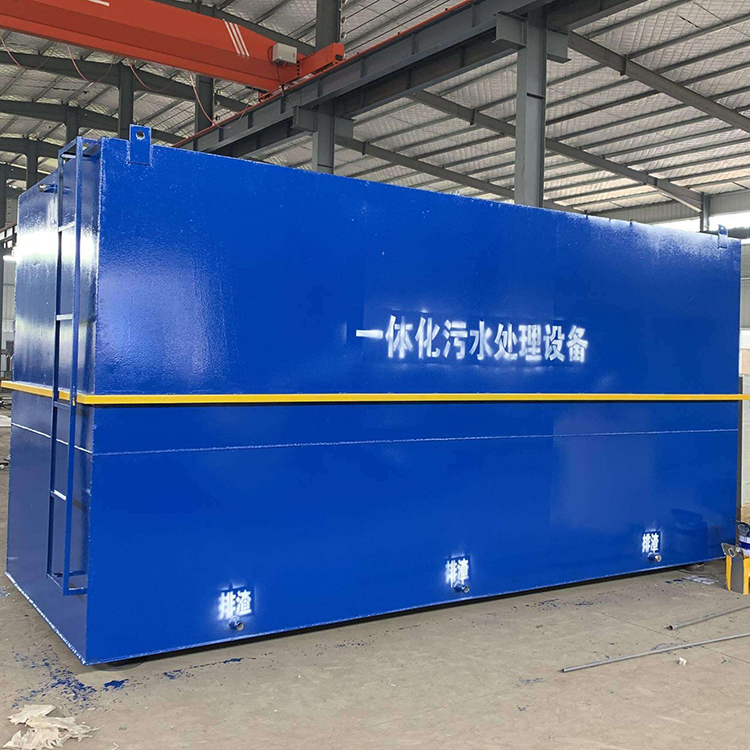 Integrated Wastewater Treatment Equipment
Product Details

Engaged in the design and manufacturing of purification water treatment equip...


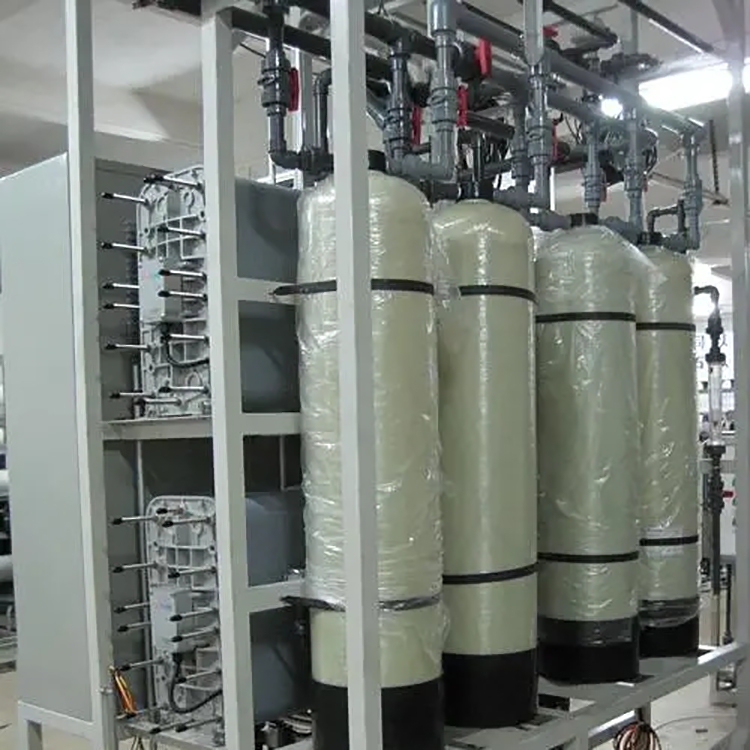


产品Price Negotiable
最小起订Quantity:1 Tai 供货总Quantity: 10000 Tai


High purity water refers to water with an electrical conductivity less than 0.1 μs/cm at 25°C and a residual salt content of less than 0.3 mg/L, free of trace impurities such as bacteria, microorganisms, and particles. Preparation methods include distillation, membrane separation, ion exchange, and sterilization. It is primarily used in the electronics and microelectronics industries, as well as in papermaking, electronics, and nuclear industries. The purity of water is typically expressed as the relative content of impurities present in the water. However, once the purity of water reaches a certain level, the total amount of impurities is already minimal, and the concentration of individual impurities is even lower, with some being difficult to detect. In such cases, the resistivity of water is commonly used to indicate its purity. Since the concentration of H+ and OH- ions in pure water is both 10^-7 mol/L, its conductivity is very low, almost non-conductive. When water contains certain impurities (such as soluble salts), the conductivity increases rapidly due to the conductive nature of the impurity ions. Therefore, the conductivity of water is closely related to its purity. High-purity water is a type of chemically pure water, which involves nearly complete removal of conductive media from water, as well as the colloidal substances, gases, and organic matter to a very low extent. The impurity content is less than 0.1 mg/L, with a resistivity greater than 17.5 Ω, and a pH range of 6.8 to 7.0, with impurities below 0.01 mg/L.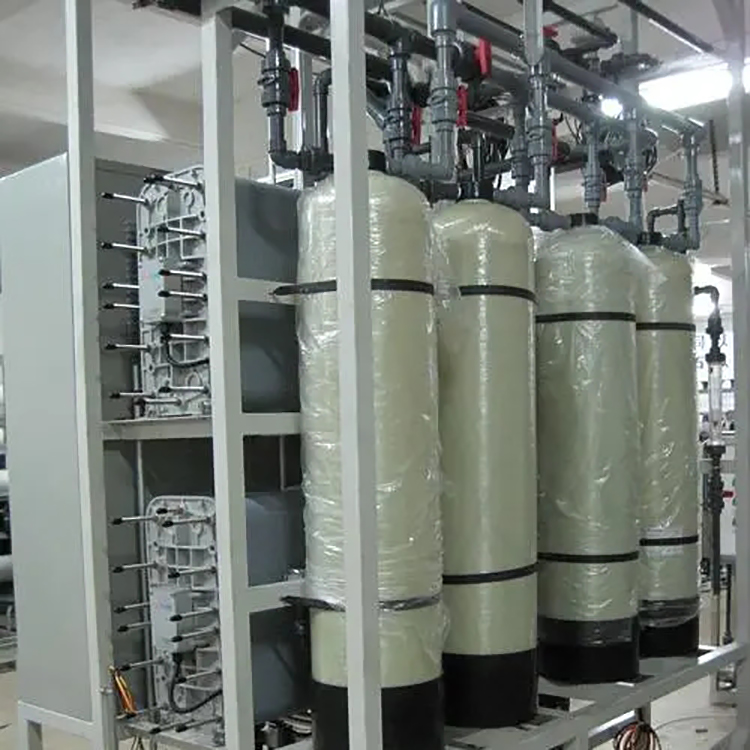

Phone Consultation