
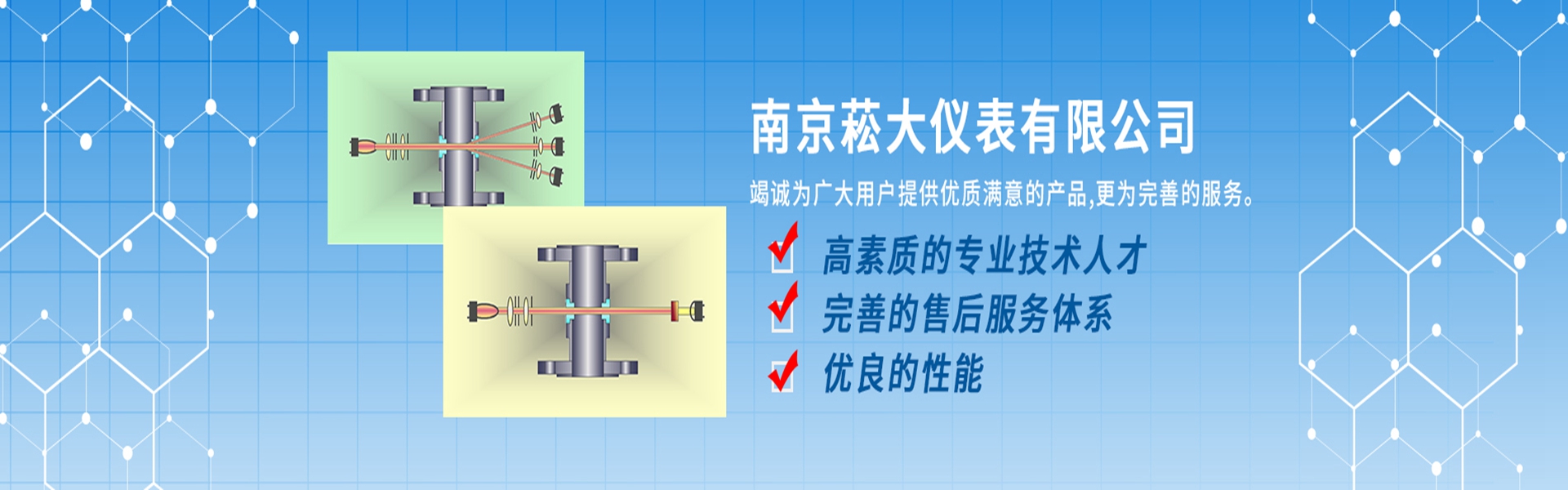



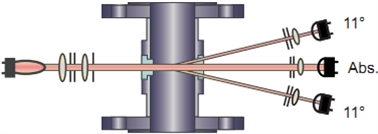
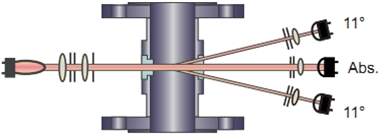
ClarityII Turbidity Analyzer offers two environmentally friendly sensor options: one meets the U.S. EPA 180.1 environmental standard, and the other meets the national standard.
International ISO 7027 environmental standard. The former uses visible light sources, while the latter employs near-infrared light-emitting diodes. In the United States, we choose options that comply with EPA 180.1.
Sensors meeting environmental standards; In other countries, suitable sensors can be chosen based on each country's environmental regulations.
ClarityII Turbidity Analyzer offers two environmental protection standard sensors for selection, one meeting the U.S. EPA 180.1 environmental protection standard, and the other meeting the national standard.
International ISO 7027 environmental standard. The former uses visible light sources, while the latter employs near-infrared light-emitting diodes. In the United States, choose those that meet the EPA 180.1
Environmental standard sensors; In other countries, Nanjing Turbidity Analytical Instruments can select the appropriate sensor according to each country's environmental regulations.

Turbidity Analysis - Quality Control
Extensive application cases demonstrate that our turbidity meter is a great tool for process and quality control, as it helps users ensure consistent turbidity after filtration. Additionally, it aids in reducing product loss, increasing filtration volume, optimizing the dosage of flocculants, and maintaining consistent product quality.
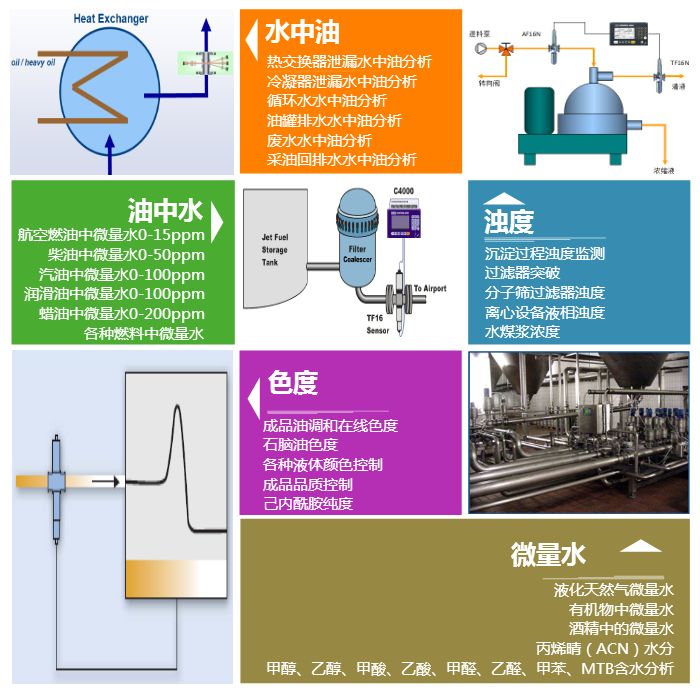
Typical Applications:
Catalyst leakage detection in the catalyst filtration and recovery process
Crystal quantity detection in crystallization process
? ● Detection of aid-filtration addition in filtration process
● Filter equipment filters out product inspection
Downstream Product Concentration Testing
Filter regeneration process control
Advantages of Online Measurement:
Monitor the dosage of filter aid to save costs and prevent filter clogging
Optimize the production efficiency of filtration equipment
? ● Effectively prevent filter overload and clogging
Ensure filtered product quality
● Promptly detect filter malfunctions (e.g., filter membrane damage)
Turbidity Analysis — Primary and Secondary Brine
In the chlor-alkali industry, due to the advantages of Kymen filtration, which can be performed at room temperature without chemical reactions or phase changes, it offers high selectivity, strong adaptability, stable operation, high automation, and high-quality refined brine, most manufacturers are employing it. Every filter has a service life; if the filtration unit is damaged, the raw brine containing a large amount of particles will inevitably clog the ion exchange resin in the secondary brine refining unit, leading to equipment damage, turbidity analyzer system issues, or even production halt. If the filter membrane is replaced at fixed intervals, and the membrane's service life has not been reached, it would result in waste. Therefore, real-time monitoring of the filter's turbidity value is crucial to accurately grasp the filter's condition. The raw brine has an SS of ≤10ppm, while the refined brine has an SS of ≤1ppm.
Benefits of Monitoring:
● Promptly identify and address damaged filters
Reduce downtime and save costs.
Extend the lifespan of the filter membrane
Turbidity Analyzer Price - Turbidity Analyzer - Songda Instruments provided by Nanjing Songda Instrument Co., Ltd. Strive for the distant road, forge ahead. Nanjing Songda Instrument Co., Ltd. is committed to becoming a strategic partner that wins together, coexists, and progresses together with you, and is also determined to become a competitive enterprise in analytical instruments. Let's soar together and achieve success!

