



- AllProduct Category
-
Electrical Training
Electrical Training
Welder Training
Remodeling Training
Appliance Repair Training
Appliance Repair Training
Mobile Repair Training
Computer Repair Training
Motorcycle & Electric Scooter Repair Training
Mobile Repair Training
Computer Repair Training
Welder Training
Remodeling Training
Electric Vehicle Repair Training
Motorcycle Repair Training


详情描述
Motorcycle Electric Scooter Repair Workshop
Learning Time:3 months.
Class Start Time:Classes begin on the 1st and 16th of each month. Enrollment is also available on a walk-in basis. The school is responsible for arranging employment.
Curriculum Content:Repair Basic Module + Electric Vehicle Repair Module + Motorcycle Repair Module
Maintenance Basic Module:Usage methods and precautions for various maintenance tools and testers: charger tester, controller tester, battery discharge tester, battery repair tester, dynamometer, multimeter. Proficient in the functions, principles, models, and performance parameters of various electronic components, as well as assessing their quality; skilled in common basic concepts, laws, terminology, and calculation formulas in circuits; familiar with the characteristics and repair methods of various integrated circuits.
Electric Vehicle Repair Module
1. Study national technical standards for electric vehicles, including the composition, names, and functions of each part, the naming methods of electric vehicles, the names of various styles of electric vehicles, and the development trends of electric vehicles.
2. Learn the structure, principles, testing methods, measurement of key parameters, common fault diagnosis, and repair procedures for various electric vehicle motors. Study typical electric vehicle motor repairs: brushed with gear motors, brushed without gear motors, brushless without gear motors, brushless with gear motors, side-hung motors, and new patented motors.
3. Master the functions, naming methods, internal circuit analysis, working principles, detection of important parameters, fault judgment, and repair skills of controllers. Learn common controller replacement techniques. Study new technologies: three-speed variable frequency, dual power, controller, anti-theft alarm controller, and the structure, working principles, debugging, and repair skills of non-hall controllers.
4. Learn the operation methods for various chargers, measurement of charger working parameters, structure of electronic circuit boards, fault diagnosis and repair, as well as replacement of electronic components.
5. Learn and master the structure, specifications, working principle, usage, maintenance methods, precautions, and charging/discharging technology of lead-acid, lithium-ion, and nickel-hydride batteries. Common battery malfunctions and analysis, and how to properly use a repair device to fix batteries.
6. Learn and master the skills of operation and maintenance for mechanical, electronic, and LCD instruments.
7. Learn the assembly, tuning, and whole vehicle circuit analysis of brushed, brushless, and dual-power electric vehicles, as well as skills for diagnosing and repairing various complex issues.
Motorcycle Maintenance Module:
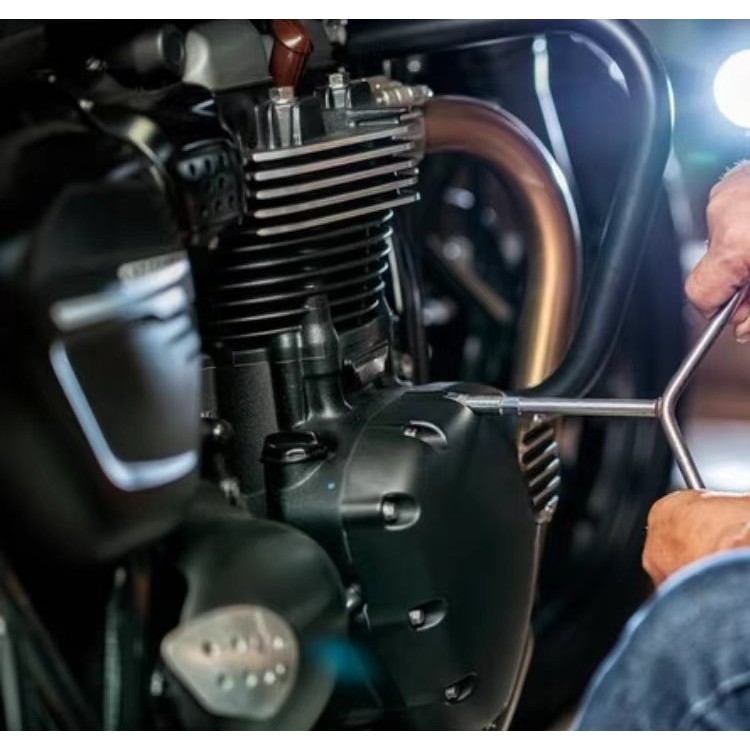
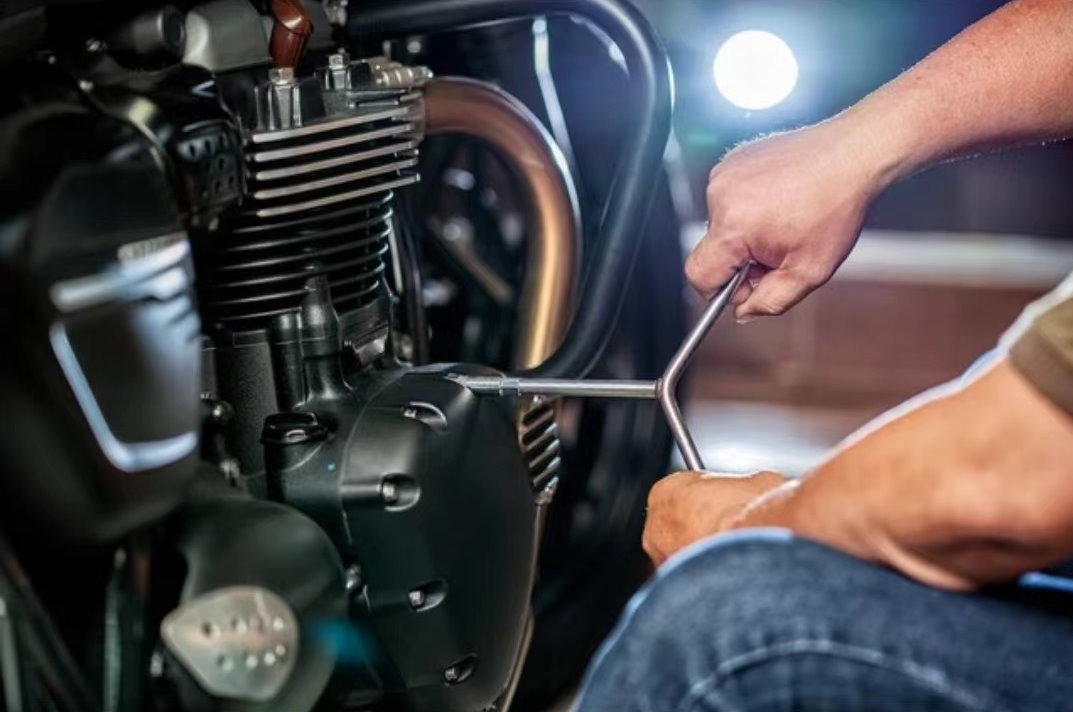
1. Learn assembly, tuning, and repair skills for various G3 motorcycles; enable students to master the structure, principles, and repair techniques of motorcycle engines, as well as whole vehicle assembly, tuning, and repair skills, along with circuit analysis and troubleshooting for different motorcycle models.
2. Learn the repair techniques for typical G3 motorcycle circuits both domestically and internationally, as well as the assembly, tuning, inspection, and repair of complete motorcycles. The school provides typical motorcycle models for hands-on repair practice. Study motorcycle overhaul techniques.
3. Learn the basic structure, types, classifications, models, common terminology, and compilation methods of G3 motorcycles.
4. Learn the mechanical drawings for G3 motorcycles.
5. Learn the structure, function, principle, adjustment, maintenance, and troubleshooting of the G3 motorcycle's various systems.
6. Learn motorcycle circuit diagrams, master the circuits of various models, and be proficient in troubleshooting methods.
7. Learn motorcycle assembly, tuning, inspection, and maintenance technical standards.
8. Learn the structure, working principles, and repair techniques of electric control engines, as well as the construction and repair techniques of various motorcycle models.
9. Study the structure, operating principles, and repair techniques of motorcycle electronic control systems, as well as the construction and repair techniques of motorcycles with large and medium displacements produced by renowned international motorcycle companies.
询价单


