



- AllProduct Category
-
Electrical Training
Electrical Training
Welder Training
Remodeling Training
Appliance Repair Training
Appliance Repair Training
Mobile Repair Training
Computer Repair Training
Motorcycle & Electric Scooter Repair Training
Mobile Repair Training
Computer Repair Training
Welder Training
Remodeling Training
Electric Vehicle Repair Training
Motorcycle Repair Training








详情描述

Advantages of studying plumbing and electrical work:
1. No cultural requirements; learning to install plumbing and electrical work doesn't demand a high level of education. A middle or primary school education is more than sufficient to master the skills.
2. No age limit, 16 to 60 years old are eligible. Electrician wages are still relatively generous. As a technician, the older you get, the more valuable you become, and future compensation will be more favorable.
Electrician's Practical Training Course Curriculum Content:
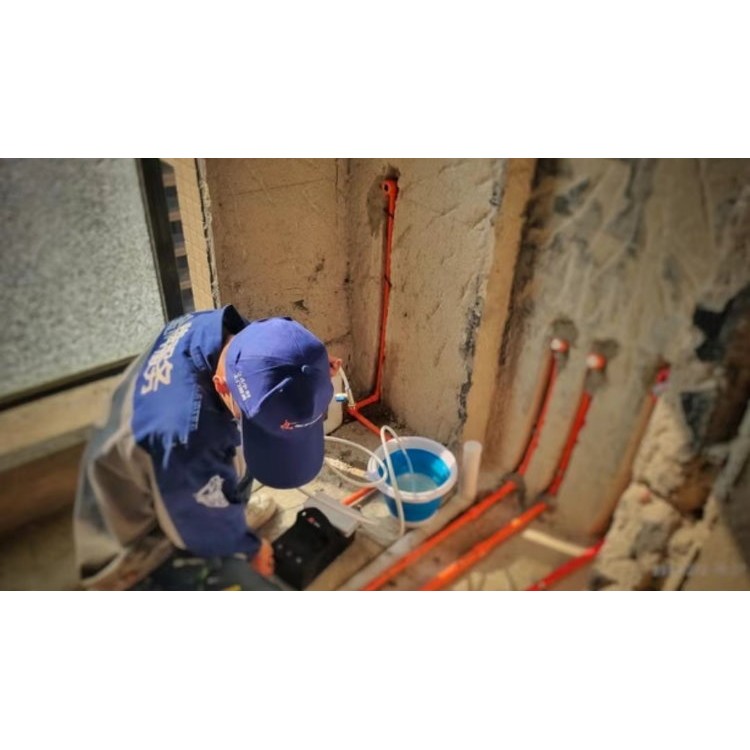
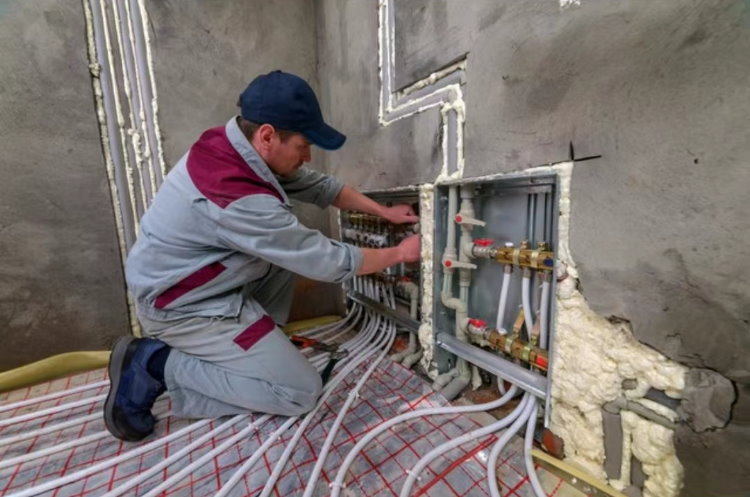
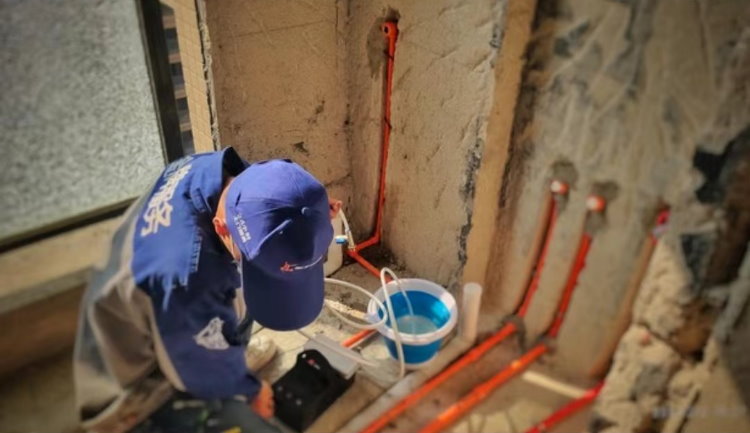
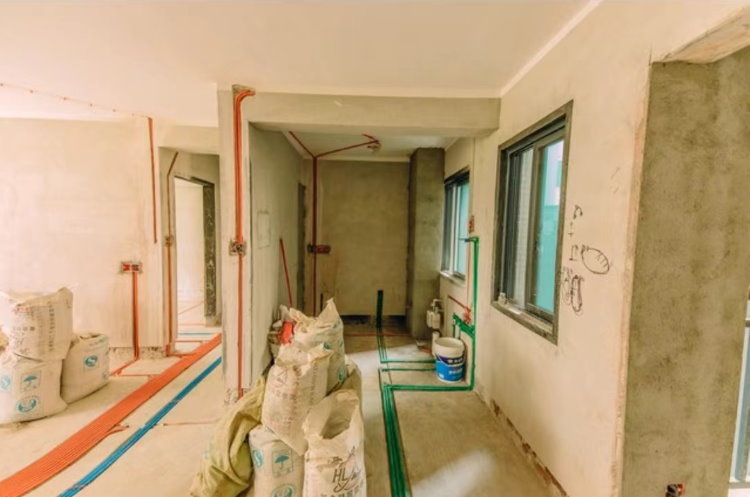
1. Common Tools for Home Water Systems. Common Materials and Drawing Interpretation for Water System Construction. Installation and Requirements for Water Pipe Systems. Installation of Accessories and Sanitaryware in Water System Construction.
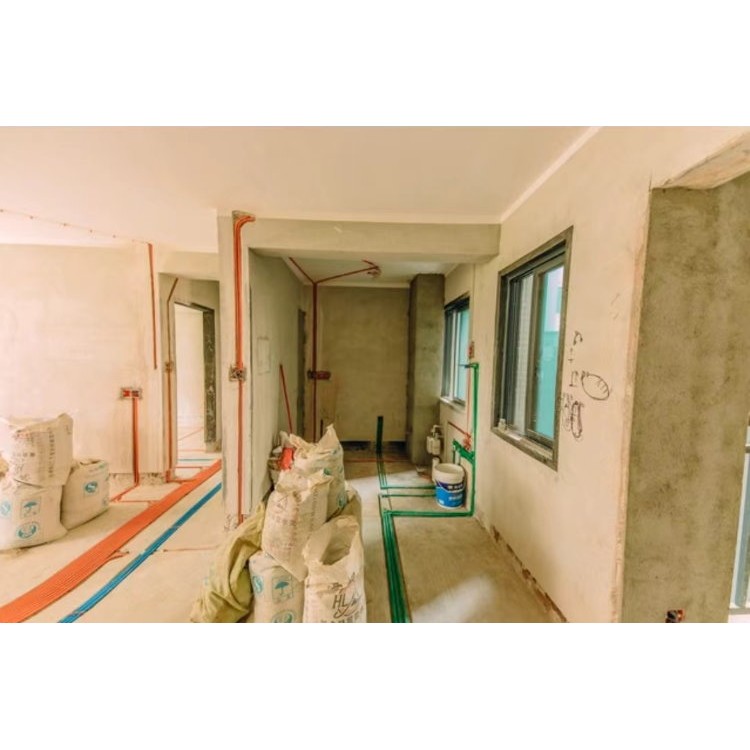
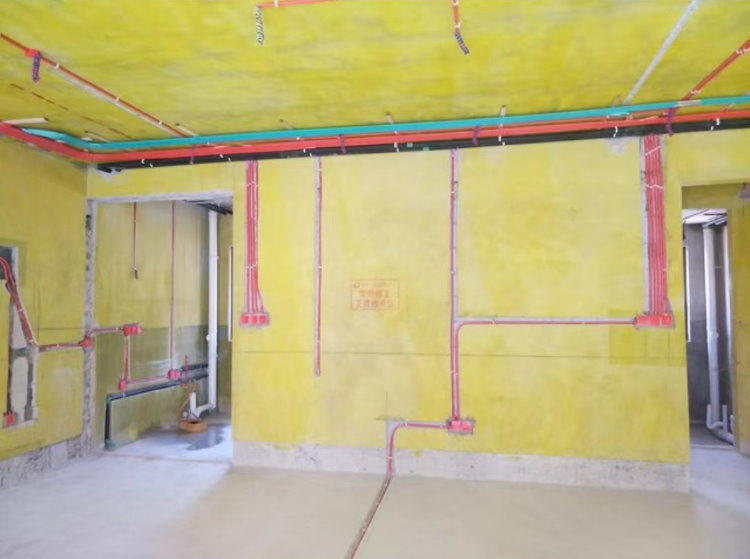
2. Basic Home Wiring Knowledge and Common Tools. Common Tools for Home Wiring. Standard Materials for Wiring Construction. Reading Wiring Diagrams. Laying Out Common Wiring Routes in Home Electrical Systems.
3. Installation of switches and outlets. Lighting fixture installation. Installation of other electrical equipment.
4. Safety precautions for water and electrical systems, initial layout and design of water and electrical lines, electrical wiring construction, plumbing work, trenching techniques, completion pressure testing of water lines, installation of bathroom fixtures, later installation of switch plates, lighting installation and adjustment.
5. Names and usage of plumbing and electrical tools (operation methods for angle grinders, usage of hot melt machines, operation of hammer drills and chisels, operation methods for pressurized machines, multimeters, megohmmeters, infrared level gauges, and circuit testers, etc.). Common specifications and materials of water pipes and electrical wires used in home installation (applications and explanations for 20mm, 25mm, PPR, PVC, aluminum-plastic pipes, 2.5 square mm wires, and 4 square mm wires).
6. Cable tray installation: hang the wires, install brackets, mount the cable tray, connect the trays, install grounding wires at the junctions, ground the cable tray, lay the wires into the tray, secure the wires within the tray, and cover the tray.
7. Water and electrical layout design, pipe welding, faucet installation, safe electrical operation procedures, wire threading methods, hammer drill usage, water and electrical system inspections.
8. Groove safety knowledge and techniques, hot and cold water distribution, soldering wire joints on pipe elbows, hot melt machine usage, pressure tester operation, residential electrical and plumbing completion inspection standards.
9. Learn to read electrical and waterworks construction drawings, and study cost estimation for electrical and waterworks projects.
10. Learn the installation and cabling of network and telephone lines.
Teaching Methods:Morning theory class from 9:00 to 10:30 AM, followed by hands-on training from 10:30 AM to 5:00 PM, with instructors guiding step-by-step, sharing on-site construction experience and techniques.
Learning Time:1 month.
Work Schedule:Ages 16 to 55, school responsible for work arrangement.
Class Start Time:We enroll new students monthly, with new classes starting on the 1st and 16th of each month. Enrollment is also available on a walk-in basis. For those with lower learning abilities, if you haven't mastered the skills within a month, you can study for free until you do, without any time limit.
Living Arrangements:The school has a cafeteria where students can purchase meals with tickets.
Examination and Certification:1. Electrical license (nationwide). 2. Qualification Certificate for Water and Electrician Skills.
询价单


