




- AllProduct Category
-
Electrical Training
Electrical Training
Welder Training
Remodeling Training
Appliance Repair Training
Appliance Repair Training
Mobile Repair Training
Computer Repair Training
Motorcycle & Electric Scooter Repair Training
Mobile Repair Training
Computer Repair Training
Welder Training
Remodeling Training
Electric Vehicle Repair Training
Motorcycle Repair Training









详情描述

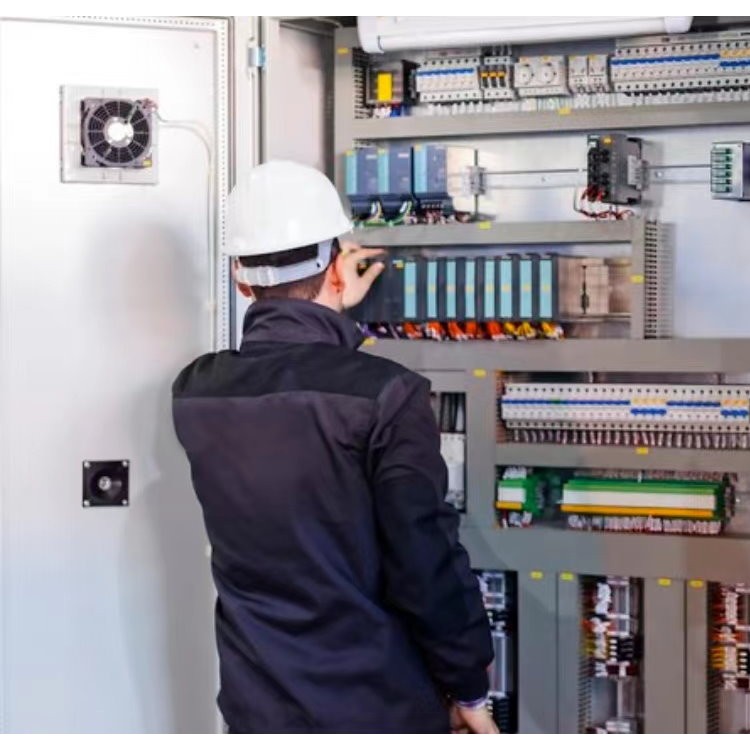
Advantages of Property Electricians:
1. Learning Content: High Voltage + Low Voltage + Water & Electricity
2. No cultural requirements; learning property and plumbing installation does not demand a high level of education. A junior high school education is more than sufficient to master the skills.
3. No age restrictions; individuals aged 16 to 60 are eligible. The salary for property and electrical workers is still relatively generous. As a technician, the older you get, the more valuable you become, and future benefits will be even more favorable.
4. Property electricians learn both strong electricity and weak electricity (security surveillance), as well as water and electricity technology.Plumbing and electrical maintenance personnel are also known as versatile electricians.A modern all-rounded electrician with broad career prospects and generous compensation.
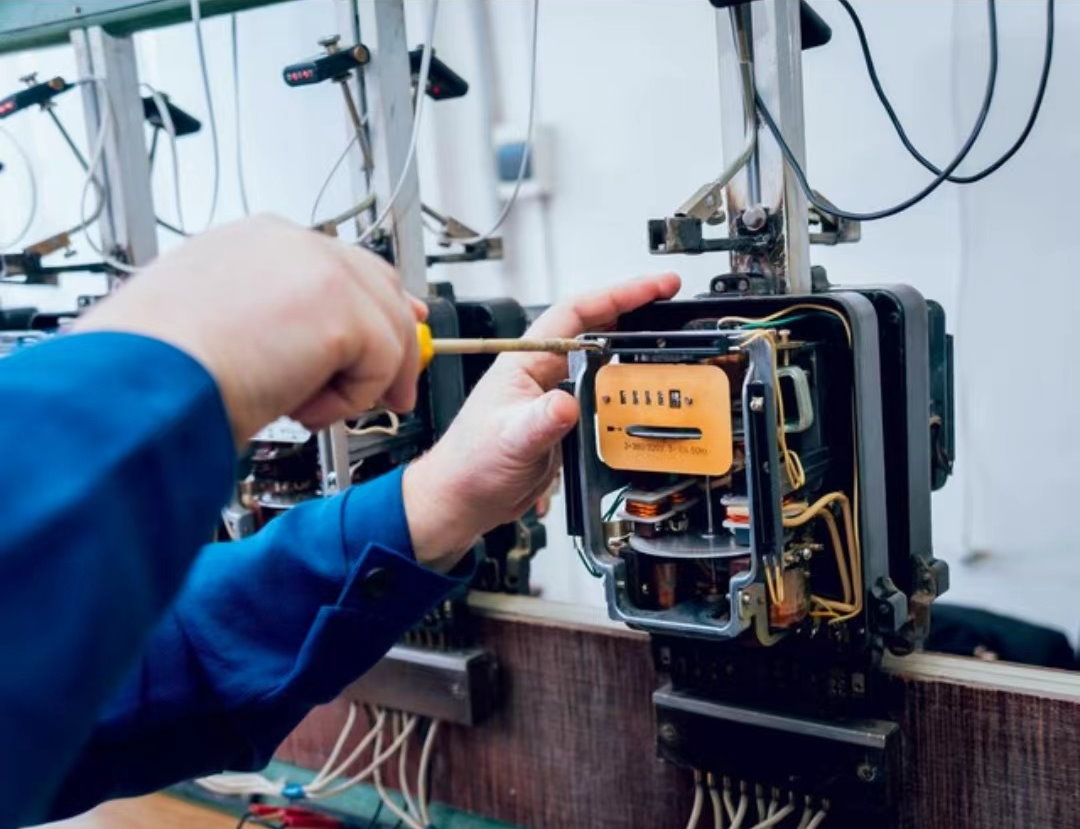
Teaching Methods:Morning theory class from 9:00 to 10:30 AM, taught by a hydraulic and electrical engineer, covering map reading and circuit analysis methods. Practical training from 10:30 AM to 5:30 PM, where students get hands-on experience, with instructors guiding them step-by-step, sharing on-site construction practices and techniques.
Learning Time:3 months.
Work Schedule:Age 55 and under, job placement arranged.
Class Start Time:Students are enrolled monthly, allowing for flexible enrollment at any time.
Living Arrangements:The school has a cafeteria where students can dine, with a daily meal cost of just 30 yuan.
Certifiable upon request1. Electrician License (nationwide). 2. Property Management Electrical and Water Technology Qualification Certificate.
Learning Content:Power, low voltage, and water supply.
One, Content of High-Voltage Course:
Electrical fundamentals, basic electrical safety knowledge, safety operation procedures, anti-electric shock techniques, secondary circuit control. Basic knowledge of DC and AC electricity, fundamental electrical engineering knowledge, basic knowledge of low-voltage electrical appliances, electrical safety knowledge, safety regulations, installation procedures, and courses on lighting, instruments, power, tools, and first aid. Knowledge of electrical and electronic technicians, maintenance electrical engineering, craft of in-line and out-line electricians, practical operations, electronic technology, factory transformer and distribution technology, factory electrical control technology, practical operations, etc.
Two, Weak Electricity Course Content:
1. Computer Maintenance: Selection and matching, installation, and debugging of computers, hard drive partitioning and formatting, operating system and driver installation and optimization, usage of system software, basic data recovery and hard drive bad sector repair, BIOS settings optimization, and troubleshooting common hardware and software issues, system backup and restore, DOS command to remove stubborn viruses, etc.
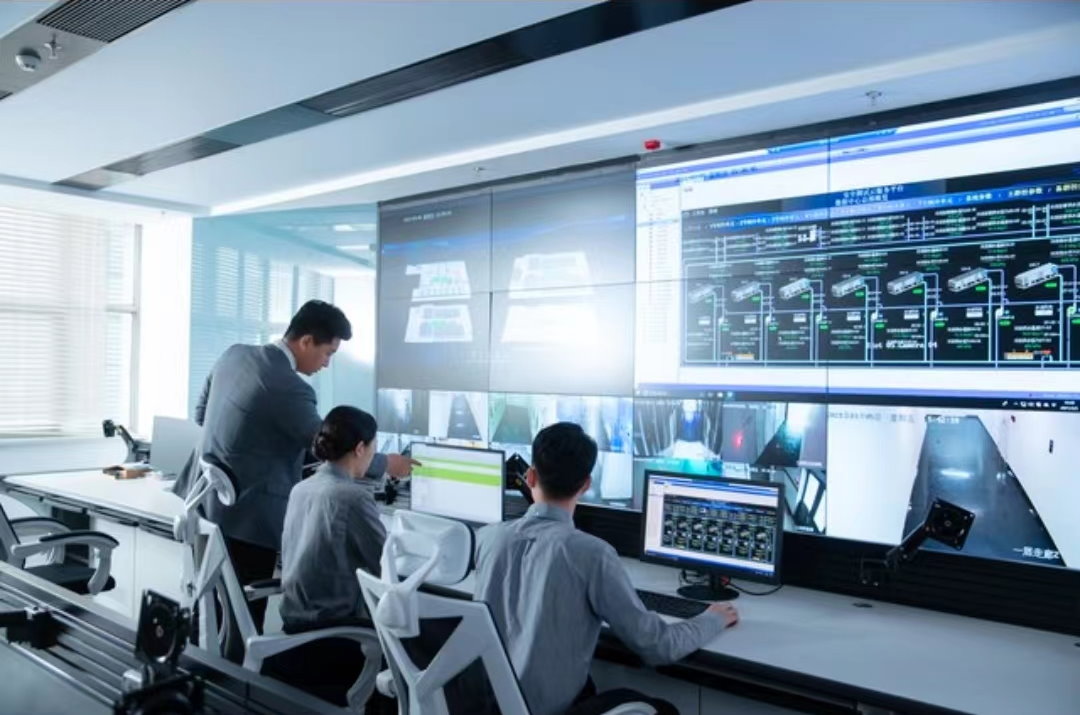
2. Video surveillance systems: Detailed explanation of analog cameras, IP network HD cameras, hard disk recorders, PTZ domes, and more; selection, production, configuration, and power supply of video cables, twisted pair cables, cables, fiber optics, microwave signals, mobile phone networks, 3G wireless transmission, and more. Grounding, static electricity prevention, lightning protection, and anti-interference considerations.
3. Network Technology: IP addresses, network commands, managed routers, domain server workstation setup, file sharing and permission settings; cloud monitoring, Internet of Things.
4. Access Control and Attendance System: Access controllers, card readers, cables, optional installation of dedicated power supplies; fingerprint attendance system installation and debugging; design cases for access control, attendance, and parking card system. Infrared intrusion controllers, microwave and passive infrared dual-sensing detectors applications, overall design of anti-theft alarm systems, security locations, security methods, and false alarm analysis. Anti-theft alarms and monitoring integration, electronic fences, etc.
Three, Water and Electricity Course Content:
1. Common plumbing tools for home improvement. Common materials and drawing interpretation for plumbing construction. Installation and requirements for plumbing pipes. Accessories and fixture installation during plumbing construction.
2. Basic Home Wiring Knowledge & Common Tools. Common Tools for Home Wiring. Common Materials for Wiring Installation. Reading Wiring Diagrams. Installation of Common Wires in Home Wiring.
3. Installation of switches and outlets. Lighting fixture installation. Installation of other electrical equipment.
4. Safety precautions for water and electrical systems, initial layout design of water and electrical lines, electrical wiring construction, plumbing work, network and telephone line cabling, trenching techniques, completion pressure testing of water systems, installation of bathroom fixtures, later installation of switches and panels, lighting installation and adjustment.
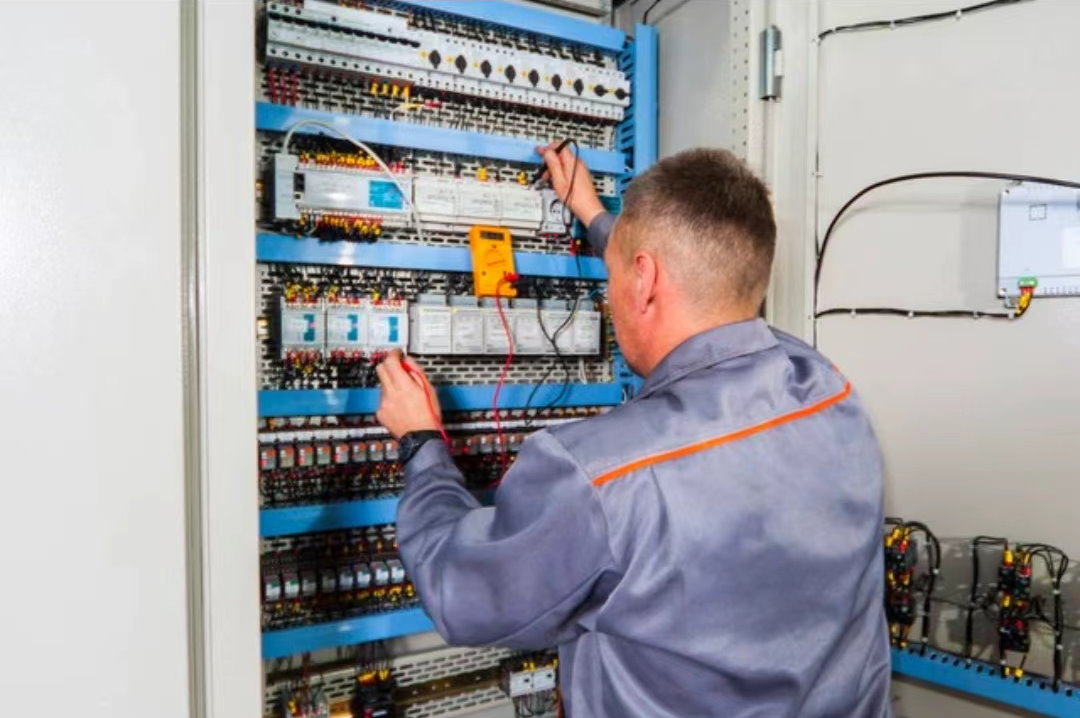
5. Names and usage of plumbing and electrical tools (including the operation of angle grinders, the use of hot melt machines, the operation of electric hammers and chisels, the operation of pressure machines, multimeters, megohmmeters, infrared level gauges, and circuit testers, etc.).
6. Common specifications and materials of water pipes and electrical wires for home improvement (20mm, 25mm, PPR, PVC, aluminum-plastic pipes, 2.5 squaremm wire, 4 squaremm wire applications and explanations).
7. Layout design of water and electrical circuits, pipe welding, faucet installation, safe electrical operation procedures, wire routing methods, hammer drill usage, water and electrical circuit testing.
8. Safety knowledge and techniques for槽 cutting, hot and cold water distribution, soldering joints of pipe fittings, wire connections, hot melt machine operation, pressure tester operation, and residential electrical and plumbing completion acceptance standards.
询价单


