Rigid frame engineering and steel structure construction;...


Product Recommendation
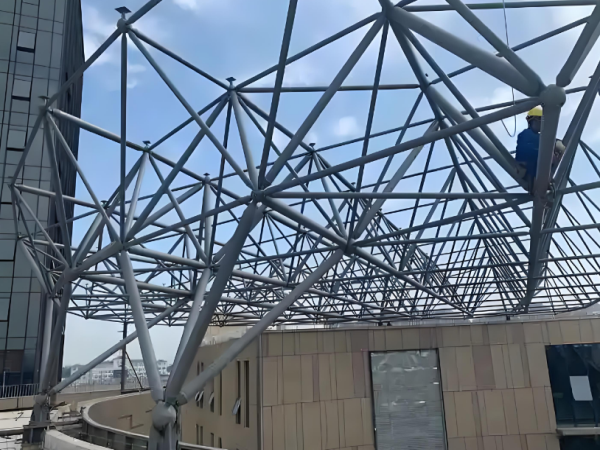
EnhanceXuzhou Steel Structure FabricationCorrosion resistance is a systematic engineering process involving multiple aspects such as material selection, processing technology, surface treatment, control of the usage environment, and post-maintenance. Below is a detailed analysis and recommendation:
Material Selection
Materials are the foundation for determining the anticorrosive properties of the grid. In the Xuzhou region, due to its humid climate and complex industrial environment, selecting the appropriate materials is particularly important.
- Stainless Steel: Known for its excellent corrosion resistance, particularly in moist and acidic environments. Common stainless steel materials include 304 and 316, with 316 offering superior corrosion resistance, making it suitable for use in harsh conditions.
- Aluminum Alloy: Aluminum alloy is lightweight and boasts excellent corrosion resistance, particularly in oxidizing environments, where it forms a dense oxide film to prevent further corrosion. Common aluminum alloys include 6061 and 6063.
Hot-Dip Galvanized Steel: Hot-dip galvanized steel forms a protective layer by coating zinc on the surface of steel, effectively preventing corrosion. This method is cost-effective and suitable for large-scale applications.
- Composite Materials: Composites like fiberglass (FRP) offer excellent corrosion resistance and are lightweight, making them suitable for use in special environments.
2. Processing Technology
The processing technology also has a significant impact on the anticorrosive properties of the grid. Here are some key processing techniques:
-Welding Techniques: The heat-affected zone produced during the welding process is prone to become the starting point of corrosion. Therefore, using high-quality welding techniques such as TIG or laser welding can reduce welding defects and enhance corrosion resistance.
Cold working processes, such as cold rolling and cold drawing, can reduce stress concentration on the material surface and lower the risk of corrosion.
- Heat Treatment: Heat treatments such as annealing and normalizing can improve the internal structure of materials, enhancing their corrosion resistance.
3. Surface Treatment
Surface treatment is an essential means to enhance the corrosion resistance of mesh structures. Common surface treatment methods include:
- Corrosion-Resistant Coatings: Spray epoxies, polyurethanes, and other corrosion-resistant coatings on the surface of the mesh structure to form a protective film, isolating the corrosive agents in the environment.
Electroplating: Forms a metal protective layer on the surface of the grid structure, such as zinc plating, chrome plating, etc., to enhance corrosion resistance.
Anodizing: Primarily used for aluminum alloys, anodizing forms a dense oxide layer on the surface, enhancing corrosion resistance.
Hot-Dip Galvanizing: Immersing the mesh structure into molten zinc to form a layer of zinc-iron alloy, effectively preventing corrosion of steel.
4. Environmental Control Utilization
Environmental conditions have a direct impact on the corrosion of the grid. In the Xuzhou area, due to its humid climate and complex industrial environment, the following measures can effectively control corrosion:
Humidity Control: In indoor environments, humidity is controlled through dehumidification equipment to reduce corrosion of the mesh structure due to damp conditions.
Ventilation: Maintaining good ventilation can reduce the accumulation of corrosive gases on the surface of the web frame.
Isolation: In industrial environments, reduce the erosion of corrosive media on the grid structure through isolation measures such as baffles and partition walls.
5. Post-Maintenance
Regular maintenance is crucial for preserving the anticorrosive properties of the grid structure. Here are some maintenance suggestions:
- Regular Inspections: Conduct regular checks of the surface condition of the webbing structure to promptly identify and address corrosion issues.
- Cleaning: Regularly clean the surface of the web frame to remove accumulated dust, dirt, and other corrosive media.
- Touch-up Anticorrosive Coatings: Promptly repaint when anticorrosive coatings are found to be damaged or aged, maintaining the integrity of the protective film.
- Replace Damaged Parts: Replace parts with severe corrosion promptly to prevent the spread of corrosion.
6. Design Enhancement
During the design phase, optimizing the design can enhance the corrosion resistance of the mesh structure.
Reduce Gaps: Minimize gaps and blind spots in the design to prevent the accumulation of corrosive mediums.
Increased Drainage Holes: Enhanced grid design with additional drainage holes to prevent water accumulation and corrosion.
Material Compatibility: Consider the electrochemical compatibility of different materials in the design to avoid galvanic corrosion.
7. Environmental Monitoring
Environmental monitoring enables timely detection and response to corrosion risks.
Corrosion Monitoring: Corrosion monitoring equipment has been installed at critical locations on the grid structure, enabling real-time monitoring of corrosion conditions.
Environmental Monitoring: Monitor parameters such as humidity, temperature, and corrosive gas concentrations in the operating environment, and take timely actions.
Conclusion
Enhancing the corrosion resistance of Xuzhou's truss fabrication requires a comprehensive approach, considering factors such as material selection, processing techniques, surface treatment, control of operational environments, post-maintenance, design optimization, and environmental monitoring. Through scientific methods and stringent management, the lifespan of the trusses can be effectively extended, maintenance costs reduced, and their safety and reliability in complex environments ensured.


b2b.china9.net © Zhongshang 114 Hebei Network Technology Co., Ltd.Address: Room 6009, Oriental New World Center, No.118 East Zhongshan Road, Qiaoxi District, Shijiazhuang City, Hebei ProvincePlatform Service Hotline: 4006299930