

Product Details



价 格Negotiable
最小起订0 piece库存0 piece
 Business Card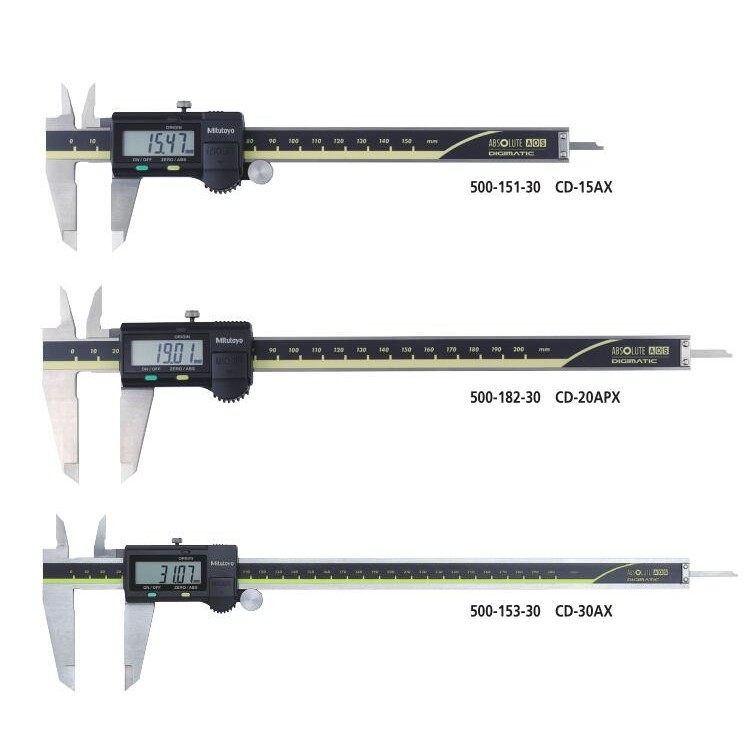
Negotiable
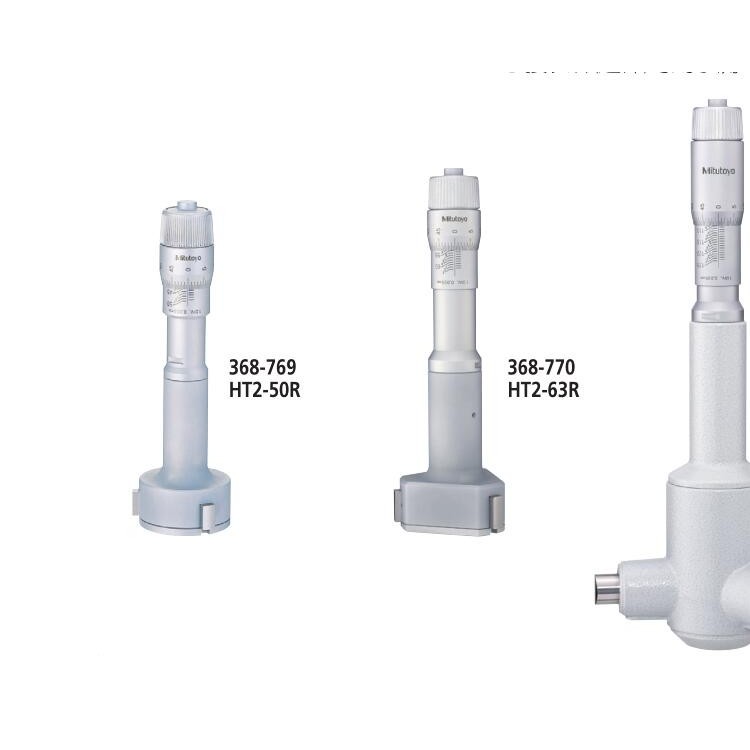
Negotiable

Negotiable
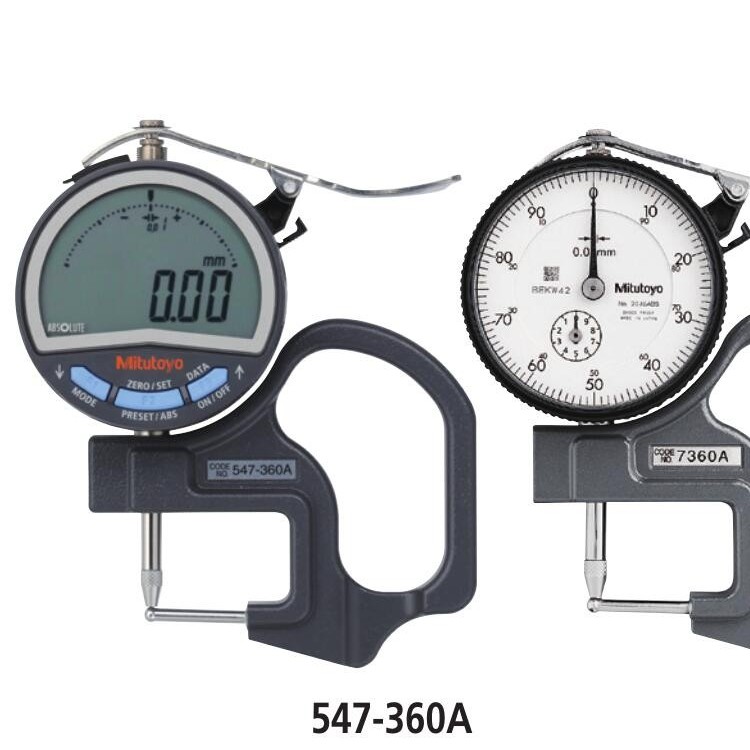
Negotiable
 Mitutoyo 3D Probing Card Caliper
Negotiable
Mitutoyo 3D Probing Card Caliper
Negotiable
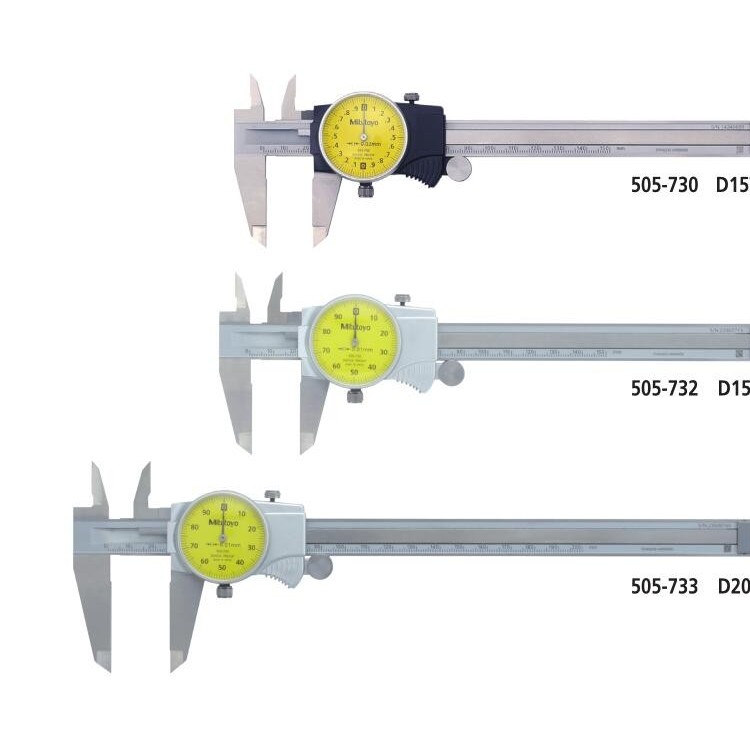 Mitutoyo Caliper Card 505-730
Negotiable
Mitutoyo Caliper Card 505-730
Negotiable
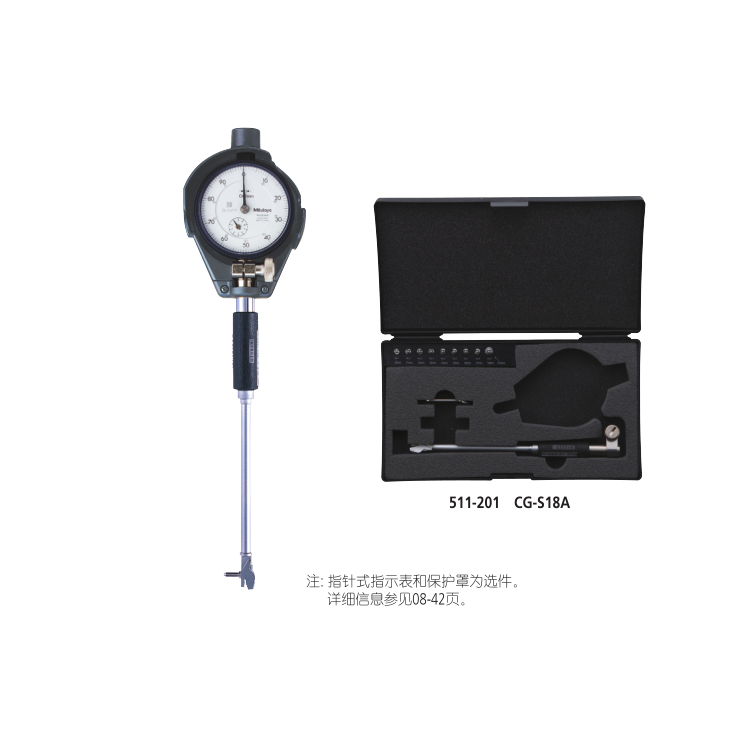 Mitutoyo 511-209 Micro Hole ID Ga
Negotiable
Mitutoyo 511-209 Micro Hole ID Ga
Negotiable
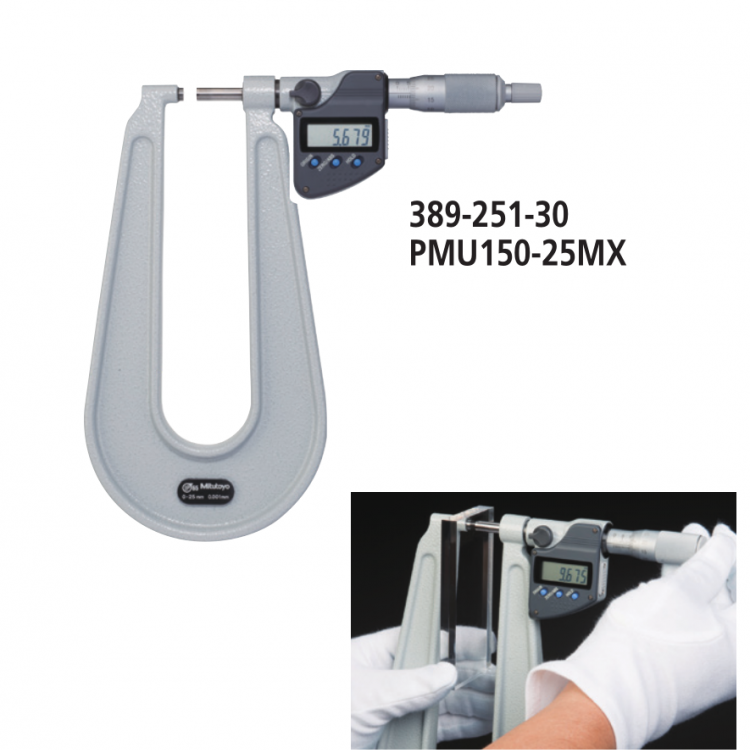 Mitutoyo U-Type Plate Micrometer
Negotiable
Mitutoyo U-Type Plate Micrometer
Negotiable
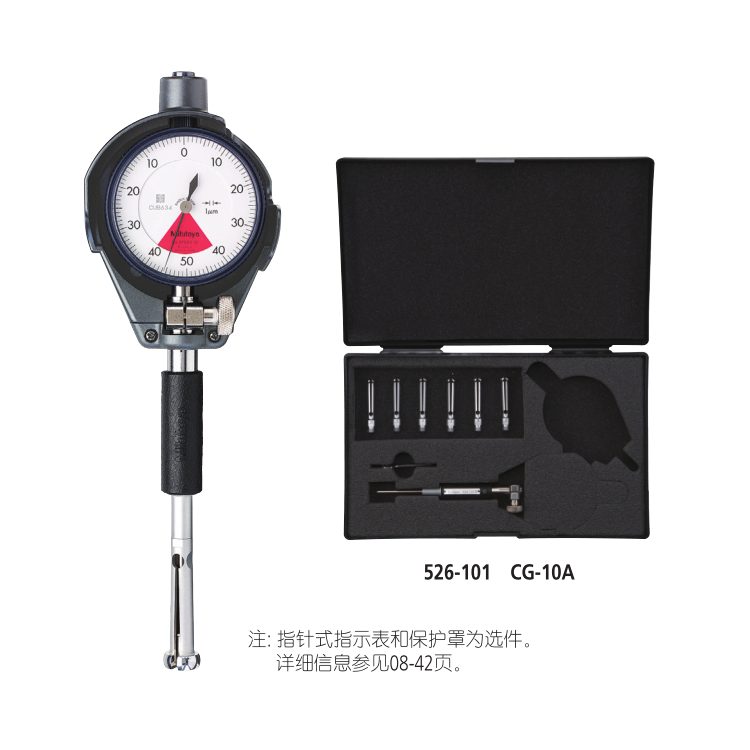 Mitutoyo SGM Small Hole ID Gage 5
Negotiable
Mitutoyo SGM Small Hole ID Gage 5
Negotiable
 Mitutoyo Surftest 511-815-20 with
Negotiable
Mitutoyo Surftest 511-815-20 with
Negotiable
 Mitutoyo S Hanging Outside Microm
Negotiable
Mitutoyo S Hanging Outside Microm
Negotiable
 Japan Magnescale Probe Sensor DK8
Negotiable
Japan Magnescale Probe Sensor DK8
Negotiable
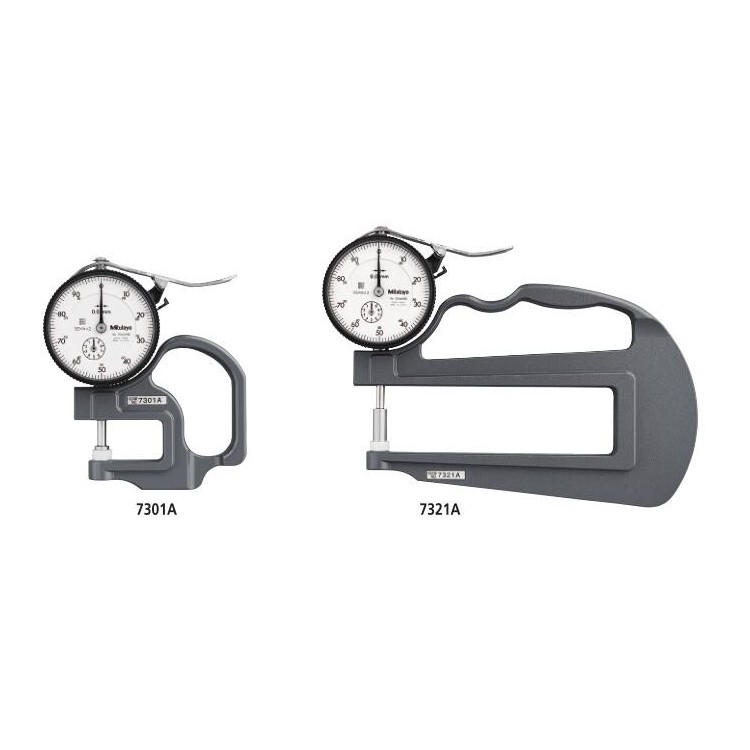 Mitutoyo Standard Thickness Gauge
Negotiable
Mitutoyo Standard Thickness Gauge
Negotiable
 Japanese Magnescale Reading Head
Negotiable
Japanese Magnescale Reading Head
Negotiable
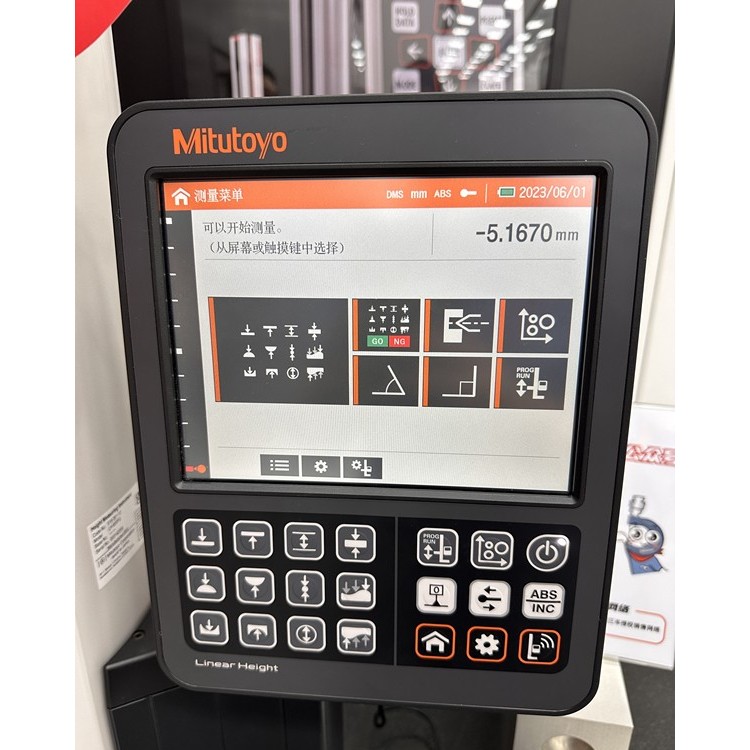
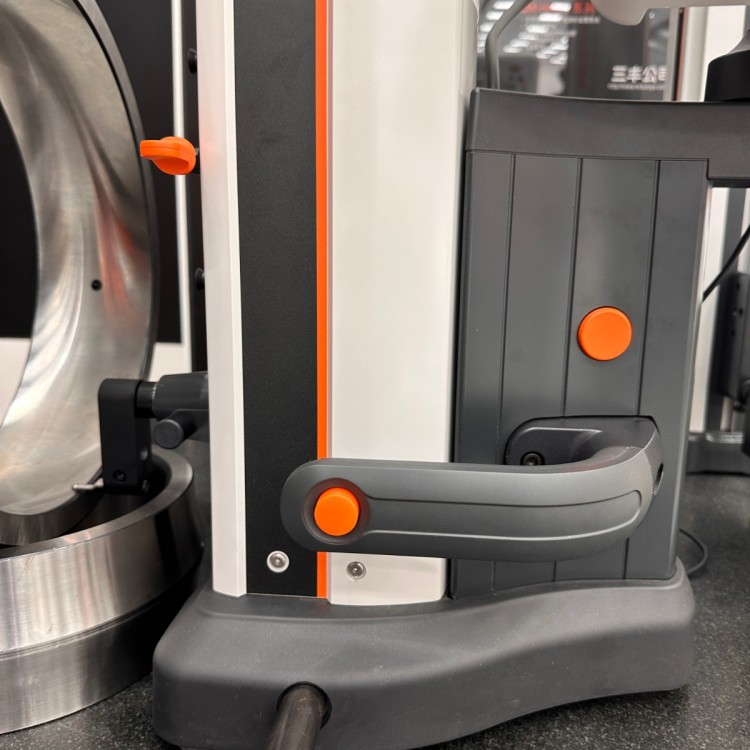
Mitsubishi 2D Height Gage 518-360-13


Easily operate with the touch screen and navigation features, even for beginners.
Large-screen touch screen with navigation features for measurement support.
Through the selection of measuring head options, various measurements can be conducted.
The measurement range in both horizontal and vertical directions can be expanded by extending the bracket and the depth probe.
Rich data output features, supporting measurement data management
Increase operational efficiency and data reliability through data output.
Specs
| Item Number | 518-360-13※7 | 518-361-13※7 |
| Model | LH-600F | LH-600FG |
| Handle | N/A | Available |
| Measurement Range (Stroke) | 0~977 mm(600 mm) | 0~977 mm(600 mm) |
| Resolution | 0~977 mm(600 mm) | |
| Accuracy (at 20°) Indicator Accuracy※8 | +(1.1+0.6 L/600)um L= Any measurement height (mm) | |
| Accuracy (at 20°) Repeatability*8 | Planar: 0.4μm (2σ), Hole: 0.9μm (2σ) | |
| Accuracy (at 20°) * Verticality (front-back) * 9 | 5 um (compensated) | |
| Accuracy (20°) * Straightness (front to back) * 9 | 4 μm (mechanical accuracy) | |
| Drive Method (Drive Speed) | Electric (5, 10, 15, 20, 25, 30, 40 mm/s: 7 speeds) / Manual | |
| Ruler Unit | Photoelectric Incremental Encoder STVC-20Z | |
| Force Gauge | 1 N(Automatic Pressure Regulation Feature) | |
| Method of main unit movement. | Full Floating/Mid Floating (for tracking measurements) Air Bearings (with built-in compressor) | |
| Display Control Department | 8.4-inch Touchscreen LCD Display | |
| Display Control Department Pose Adjustment Range | Continuous tilt adjustment: 0-40° Continuous rotation adjustment: -30-180° | |
| Maintenance Notification Feature | Ruler status notification feature, calibration schedule notification feature | |
| Probe Diameter Compensation | Use a probe diameter calibration block (standard accessory) for semi-automatic compensation or compensate by entering the probe diameter. | |
| Power Supply | AC Adapter 100-240V ±10%, 50/60Hz, 1 Battery (Ni-MH) | |
| Battery Life Span: *10 | Battery-driven standard: 8 hours with 2 batteries installed for 4 hours | |
| Battery Charging Time: 11* | About 3.5 hours (can be used while charging) | |
| Dimensions | 238(W) x 492(D) x 996(H)mm | |
| Quality | 26.1 kg | 26.6 kg |
| Operating Temperature/Humidity Range. | 5~40°C / 20%RH~80%RH (non-condensing) | |
| Data Output | Digimatic D2/S1 (Bi-directional Communication) | |
Mitsubishi 2D Height Gauge, 518-360-13
*7: Results available in both imperial and metric units.※8: Specifications under 20°C environment as provided by our company.※9: Specifications for verticality and straightness when using the lever-type micrometer head (MLH-521) and Mu-Checker (M-561).
※10: Our internal standard (empty, with 25% of the instrument's workload taken by float and slider)※11: The battery may not charge fully when the environmental temperature is above 30°C.
A 2D Height Gauge is a precision instrument used to measure the differences in height on the surface of objects. Below is a detailed description of the 2D Height Gauge:
A two-dimensional altimeter measures the height variations of an object's surface through non-contact methods and presents the measurement results in a digital format. It is commonly used in manufacturing and scientific research for checking product flatness and measuring minute height differences.
The working principle of the two-dimensional altimeter is primarily based on the optical interference principle. Its main components include a laser emitter, a laser interferometer, and a receiver. When the laser emitter emits a laser beam to照射 the surface of the object being measured, the beam is reflected back and received by the receiver. By measuring the reflection time and phase change of the laser beam, the height differences on the surface of the object being measured can be calculated.
High precisionThe two-dimensional altimeter boasts high measurement accuracy, capable of meeting the requirements of the manufacturing industry and scientific research for measuring minute height differences.
Non-contact measurementContactless measurement technology is employed, eliminating errors and damage that may arise from traditional contact measurement methods.
Digital DisplayMeasurement results are presented in a digital format for user convenience in data processing and analysis.
VersatilityIn addition to height measurement, it also allows for the measurement of various geometric dimensions such as flatness, perpendicularity, groove width, and inner/outer diameters.
Two-dimensional altimeters are widely used in manufacturing, scientific research, and quality inspection fields. For instance, in manufacturing, they can be used to check product flatness and measure minute height differences; in scientific research, they can be employed to study the microstructure and height variations of material surfaces.
To ensure the accuracy and service life of the 2D altimeter, users must perform regular maintenance and care. Specific maintenance measures include:
Clean the measurement head and surface to prevent dust and dirt from affecting the measurement results.
Regularly inspect the instrument's accuracy and stability; adjust and calibrate promptly if any issues are found.
Avoid exposing the instrument to harsh environments such as high temperatures, humidity, and strong magnetic fields.
When storing instruments, they should be kept in a dry, well-ventilated, dust-free environment and avoid collision or compression with other items.
In summary, the two-dimensional altimeter is a high-precision, multi-functional, non-contact measuring instrument with broad application prospects in the manufacturing and scientific research fields. Users should select the appropriate operating mode and maintenance measures according to their actual needs to ensure the accuracy and service life of the instrument.

Phone Consultation