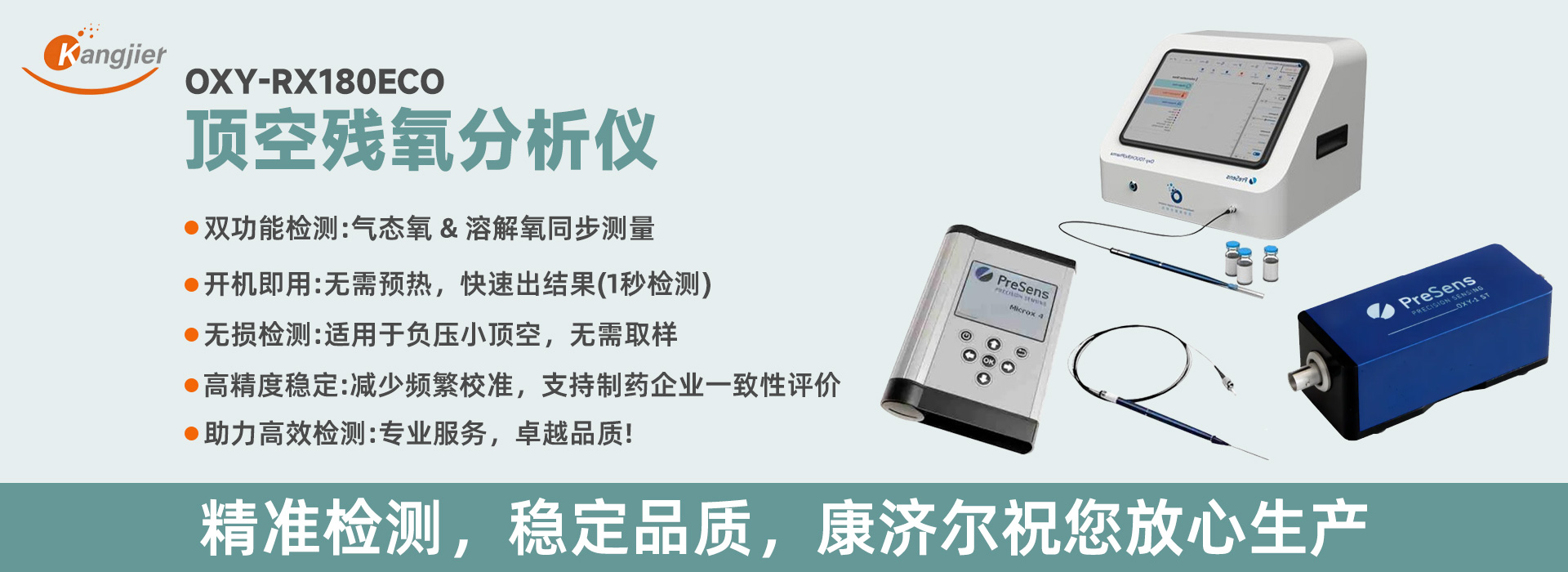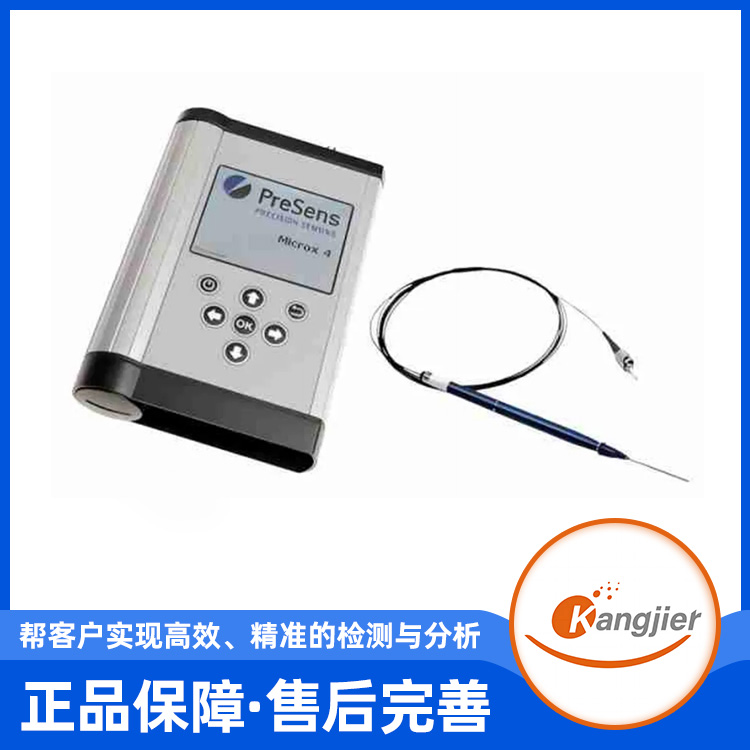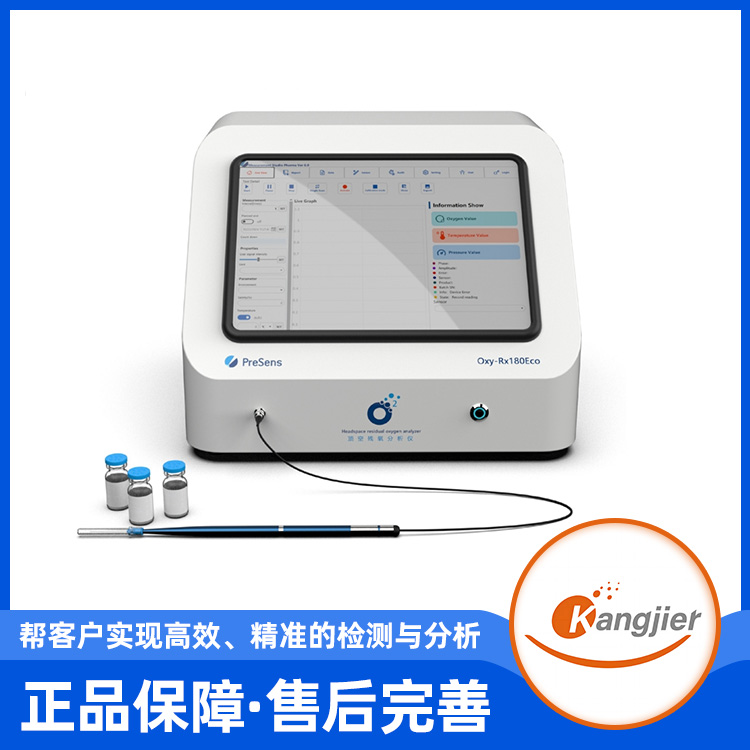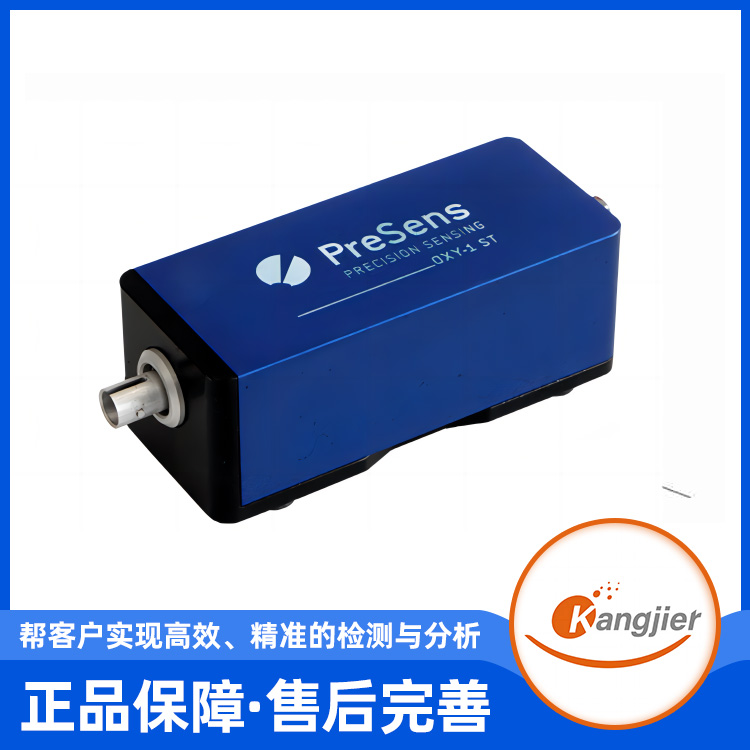
Oxygen Residual Analyzer, Oxygen Residual Detector, Heads...

In general, cell culture involves placing well-passaged cells into flasks or dishes, then incubating them in an environment with controlled temperature and carbon dioxide concentration. Since cells require oxygen during metabolism, there is an oxygen exchange process, and thus, the lids of the flasks or dishes cannot be tightly sealed. The balance between the oxygen volume fraction in the culture medium and in the air affects the survival, reproduction, and mutation of the cells, with the oxygen partial pressure in the medium influencing these processes. At equilibrium, a 21% oxygen volume fraction in the gas phase corresponds to an oxygen partial pressure of 21 kPa in the liquid phase. However, in actual cell culture, although the oxygen partial pressure in the culture medium approaches 21 kPa, it is influenced by two factors: the oxygen supply ability of the medium to the cells and the cells' oxygen consumption capacity. Typically, the oxygen partial pressure in the culture medium is not considered during cell culture because sufficient oxygen is provided to the cells throughout the process. However, in certain cases, such as during the culture and transplantation of stem cells, the growth of stem cells is highly sensitive to oxygen partial pressure. Studies by Simon and Keith, as well as Lin, in 2008, indicate that stem cells are suitable for survival in a low-oxygen environment. In such an environment, by altering the oxygen partial pressure, the phenotype of stem cells can be modified. Therefore, some researchers believe that the oxygen partial pressure surrounding the cells is a significant factor reflecting cellular function status, including cell differentiation, growth, and mitochondrial energy metabolism. Thus, monitoring the oxygen partial pressure during the cell culture process is of great importance.

The standard method for measuring oxygen partial pressure in vitro is the Clarketype electrode method: the sensor of the electrode method consists of an electrolyte and a cathode and an anode immersed in it, with the electrolyte enclosed by an outer membrane permeable to oxygen. When oxygen diffuses through the film and electrolyte to reach the cathode, the oxygen ions near the cathode decrease. The cathode provides electrons to the oxygen molecule, and the current between the cathode and anode is proportional to the oxygen partial pressure of the sample. Since the electrode consumes oxygen itself, the measured oxygen partial pressure using the electrode method will be lower than the actual value. In the research by Pettersen et al., microelectrodes were used to monitor the oxygen partial pressure of cell cultures under static conditions, and it was found that there was a significant difference in oxygen content surrounding the cells and the ambient air. Another method is to measure the oxygen partial pressure by dissolving oxygen-sensitive fluorescent substances in the medium, but the sensitive fluorescent groups may be toxic to cells. These sensing methods have drawbacks (such as high cost, limited lifespan, and long response time), making them unsuitable for continuous monitoring of oxygen partial pressure changes during cell culture. Because electrochemical sensors consume oxygen themselves, and the tissue culture with dissolved oxygen-sensitive fluorescent groups requires being away from the incubator to read useful information. To overcome these shortcomings, a fluorescence quenching-basedOxygen SensorAnother option has been provided for measuring extracellular oxygen partial pressure. Studies have reported that placing a flexible sensor in a cell culture flask to monitor oxygen partial pressure values is possible, but a large optical system is difficult to fit into traditional cell culture incubators.
This article introduces...Fiber Optic Oxygen SensorAn experimental method for monitoring oxygen partial pressure in culture medium. Utilizing presens' fluorescent sensing material as the oxygen sensing luminescent material, polyethylene is used as the matrix to fix the luminescent body. The oxygen sensing luminescent material is coated on the polished surface of a cylindrical fiber optic, equipped with a fiber optic junction at the rear end, which can be connected to an LED excitation light source and a computer processing system, thereby forming a system based on...Fiber Optic Oxygen SensorOur oxygen tension monitoring system for cell culture. The system can measure the changes in oxygen tension within the liquid phase, with experimental results showing: the higher the cell density, the lower the oxygen tension in the culture medium exposed to the air environment.
Using PK-15 cells as the experimental sample, the oxygen partial pressure values around the cells were tested. The experimental results show that as the cell density increases, the measured oxygen partial pressure values decrease. A comparison with the cell counting results also experimentally verifiesFiber Optic Oxygen SensorMonitoring the oxygen partial pressure around cells in the culture medium is crucial. The oxygen levels in the liquid phase of cell culture not only depend on the oxygen partial pressure in the gaseous phase of the cell culture environment but also on the cell density and cell metabolism. Therefore, it is necessary to monitor and control the oxygen partial pressure levels during the cell culture process to maintain cell cultivation under general physiological conditions and to ensure the replicability and comparability of experimental conditions.
Source: Environmental Protection Online


b2b.china9.net © Zhongshang 114 Hebei Network Technology Co., Ltd.Address: Room 6009, Oriental New World Center, No.118 East Zhongshan Road, Qiaoxi District, Shijiazhuang City, Hebei ProvincePlatform Service Hotline: 4006299930