








详情描述
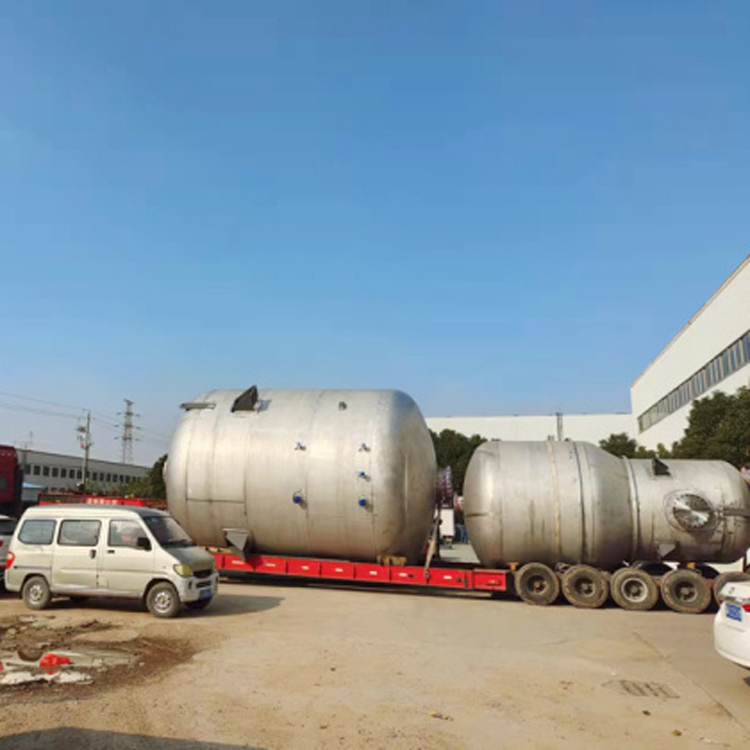
In the modern chemical, petroleum, and food processing industries, the flash vaporizer plays a crucial role as an essential separation equipment. Among them, the primary and secondary flash vaporizers, as core components of flash vaporization technology, effectively separate materials and recover energy through their unique process principles. This article will detail the working principles, structural features, and industrial application significance of both primary and secondary flash vaporizers.
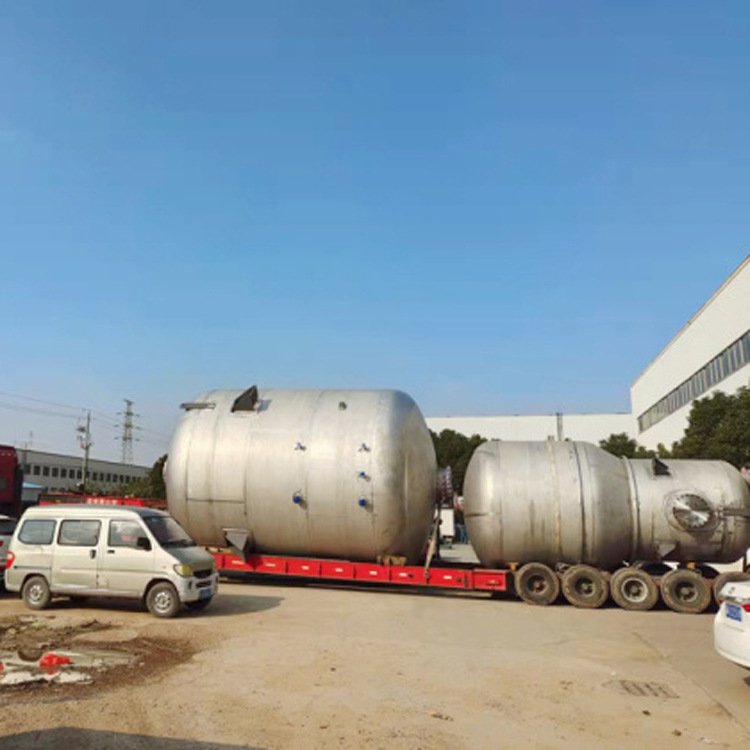
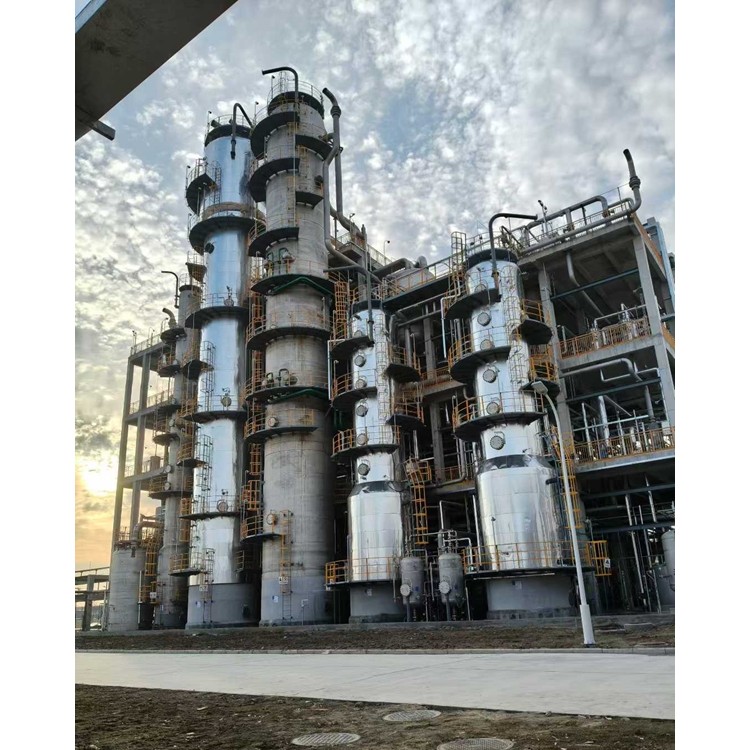
1st Flash Vessel
Working Principle
A primary flash drum is the first processing unit in the flash steam system. Its operation is based on the principle of减压flash steam, where, upon the high-pressure material entering the flash drum, the rapid pressure drop inside causes part of the liquid in the material to instantly vaporize (flash steam), forming a gas-liquid mixture. This process not only achieves an initial separation of the material but also recovers some energy, such as steam, which can be used for heating or other process requirements.
Structural Features
First-class flash evaporators are typically designed as pressure vessels, equipped with efficient gas distributors and liquid collection systems. The gas distributors ensure uniform distribution of the gas produced during flash evaporation, preventing localized overheating or blockage; the liquid collection system is responsible for collecting and exporting the liquid that has not been fully vaporized for further processing. Additionally, the tank is fitted with pressure control devices to maintain stable internal pressure.
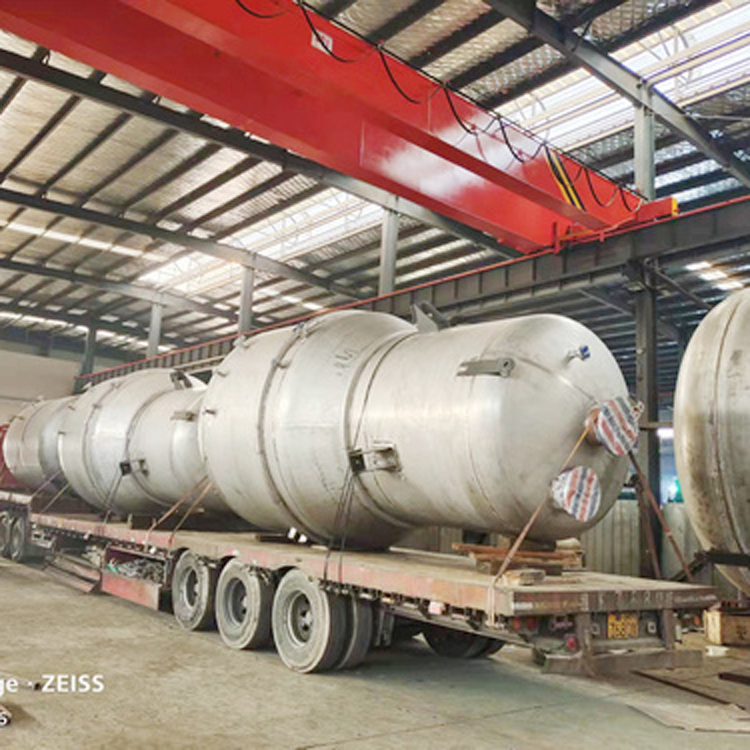
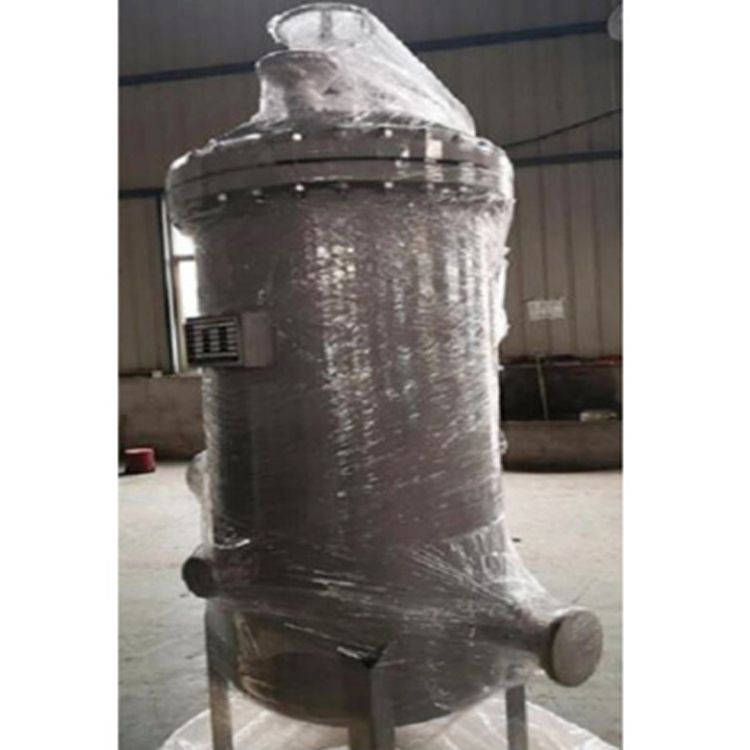
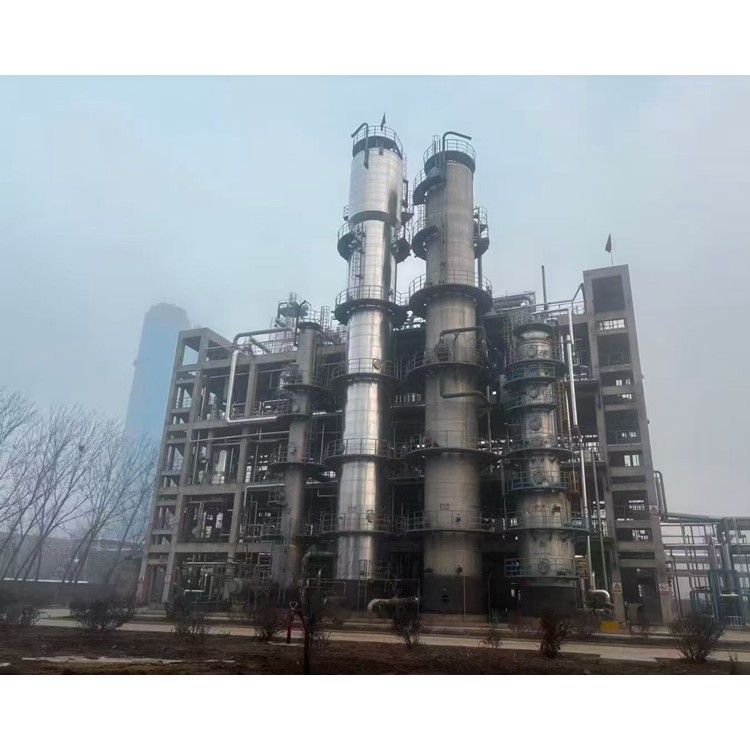
Level 2 & 3 Flash Vessel
Operating Principle
The secondary flash drum, acting as a follow-up processing unit to the primary flash drum, further separates the gas-liquid mixture discharged from the primary flash drum. Inside the secondary flash drum, the material undergoes another stage of pressure reduction, but at a pressure typically lower than that of the primary flash drum, which promotes more vaporization of the liquid, thereby achieving a more thorough separation. The secondary flash not only enhances separation efficiency but also aids in recovering more valuable steam.
Structural Features
Compared to primary flash vaporizers, secondary flash vaporizers may place a greater emphasis on the efficiency and accuracy of gas-liquid separation. Consequently, their internal structure might be more complex, featuring finer gas distribution devices, more efficient liquid collection devices, and more sensitive pressure control systems. Additionally, a secondary flash vaporizer may also be equipped with a condenser, which is used to condense a portion of the steam back into liquid to meet specific process requirements.
Industrial Applications and Importance
The combination of first and second-stage flash vaporizers shows broad application prospects across various industrial sectors. In the petrochemical industry, it effectively enhances product purity and recovery rates; in the food processing field, flash vaporization technology helps maintain the color, flavor, and nutritional value of food; in the pharmaceutical industry, it is used in the extraction, concentration, and purification processes to ensure product quality consistency.
In summary, first and second-level flash vaporizers, as advanced separation technologies, not only enhance production efficiency and reduce energy consumption but also promote the recycling of resources, making them an indispensable and important equipment in modern industry. With the advancement of technology and the growing awareness of environmental protection, flash vaporization technology will continue to optimize, bringing more efficient and environmentally friendly solutions to various industries.
询价单


