







详情描述

Carbon Filter Introduction:
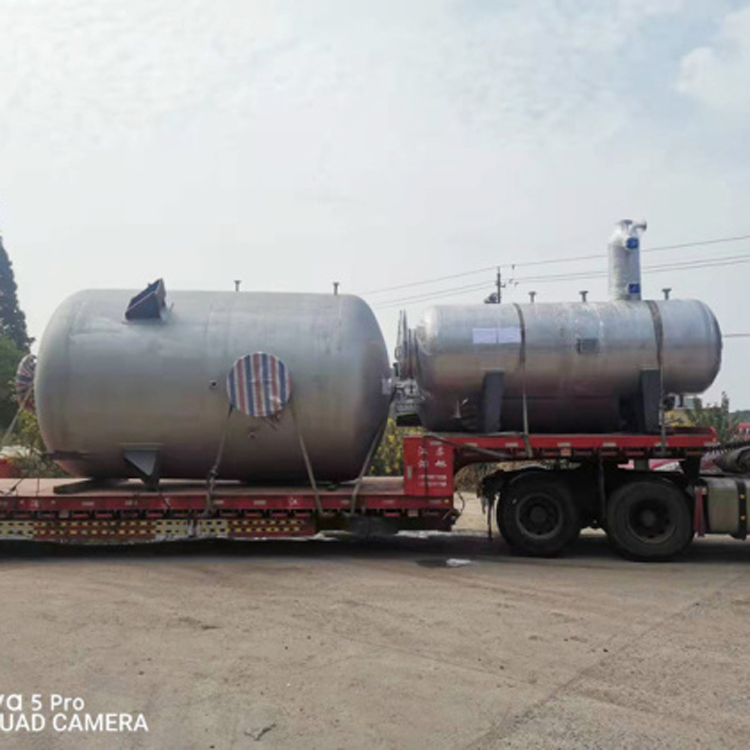
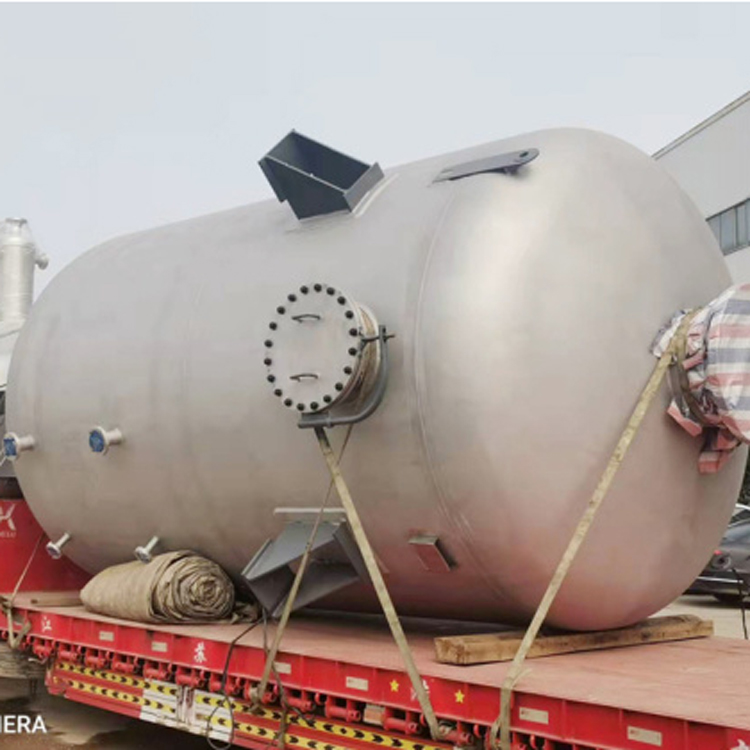
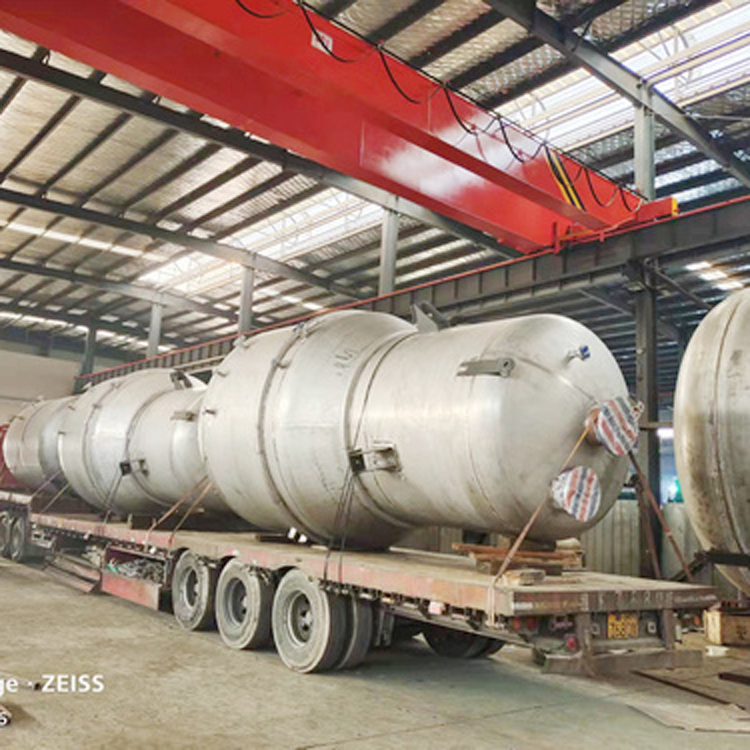
Carbon Remover, also known as a degassing tower, is a device used to remove free carbon dioxide from water quality. It achieves this by blowing air to degas, causing the free carbon dioxide in the water to quickly dissolve into the air and be expelled from the top. Below is a detailed introduction to the Carbon Remover:
I. Working Principle
Water is introduced from the top of the equipment, flows over the surface of the packed bed after passing through the spray device. Simultaneously, air enters from the bottom through the air inlet, crossing the packed bed in the opposite direction. During this process, the free carbon dioxide in the water rapidly contacts and diffuses into the air, exiting from the top of the equipment.
II. Application Scenarios
Carbonators play a crucial role in water treatment processes, typically installed after cation exchange units, hydrogen exchange units, or reverse osmosis systems. Under normal conditions, the residual CO2 in the water after degassing through a carbonator does not exceed 5 mg/L. This helps reduce corrosion on equipment like boilers and filters, while also enhancing the cost-effectiveness and water quality of the chemical desalination process.
Section 3: Technical Specifications
The technical parameters of the carbon filter include but are not limited to material, working pressure, working temperature, and spray density. Common materials include carbon steel, 304 stainless steel, and 316 stainless steel. The working pressure is typically between 0.02 MPa and 0.3 MPa, while the working temperature varies depending on the specific model and application scenario, commonly room temperature or 15~65℃. The spray density is usually 60 m³/h·m².
Section 4: Selection and Configuration
When selecting, factors such as incoming water quality, treatment volume, and required outgoing water quality should be considered. Additionally, carbonators are typically equipped with auxiliary devices like water receivers, fillers, water seal pipes, and matching fans to ensure proper equipment operation and efficient degassing effects.
Unorganized Exhaust Condenser Introduction:
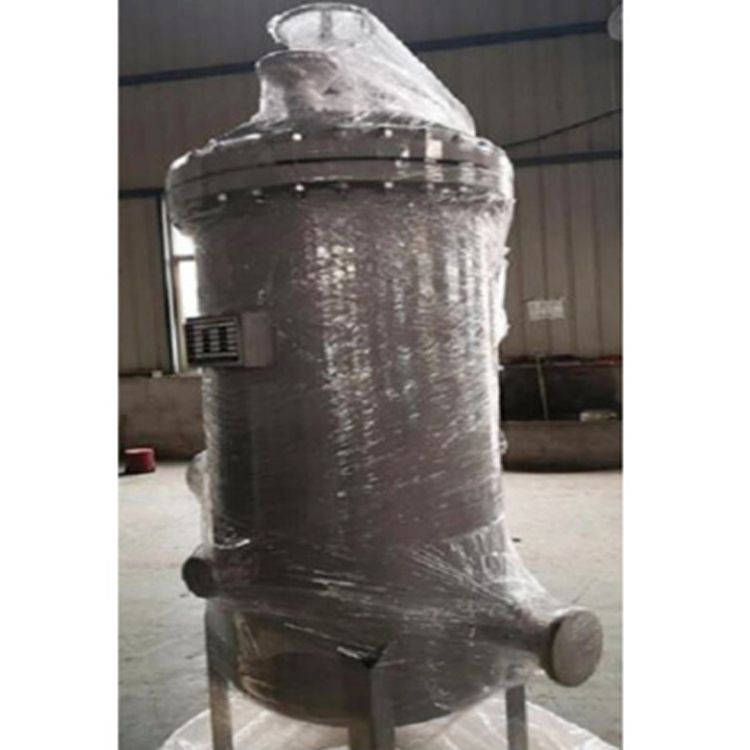
An unorganized exhaust condenser is a device used for treating unorganized exhaust emissions. Its working principle and structure differ from carbon scrubbers, but it is also widely used in water treatment and chemical industries. Below is a brief introduction to the unorganized exhaust condenser:
I. Working Principle
The unorganized exhaust mist collector captures and coalesces the tiny droplets in the exhaust gas into larger droplets using coalescing material, and then uses gravity or the direction of the airflow to settle or separate the droplets. This process helps remove impurities and pollutants from the exhaust gas, thereby improving the quality of emissions.
Section II: Application Scenarios
Unorganized exhaust mist collectors are widely used in industries such as chemicals and petrochemicals to handle unorganized exhaust emissions during the production process. By effectively removing impurities and pollutants from the exhaust, these devices help reduce environmental pollution and protect the ecological environment.
III. Technical Features
The unorganized exhaust mist collector boasts high efficiency, stability, and easy maintenance. Its condensing material is typically made of special fibers or a mesh structure, offering excellent trapping and condensation capabilities. Additionally, the equipment has a compact structure, occupies minimal space, and is convenient for installation and maintenance.
Section 4: Selection and Configuration
When selecting, factors such as exhaust composition, treatment volume, and emission requirements should be considered. Additionally, organically-unbound exhaust coalescers are typically equipped with control systems and monitoring instruments, etc., auxiliary equipment to ensure the normal operation and efficient treatment effect of the equipment.
In summary, both carbon adsorbers and unstructured exhaust condensers are indispensable equipment in water treatment and chemical industries. Through their unique operational principles and technical features, they have made significant contributions to improving water quality and reducing environmental pollution.
询价单


