
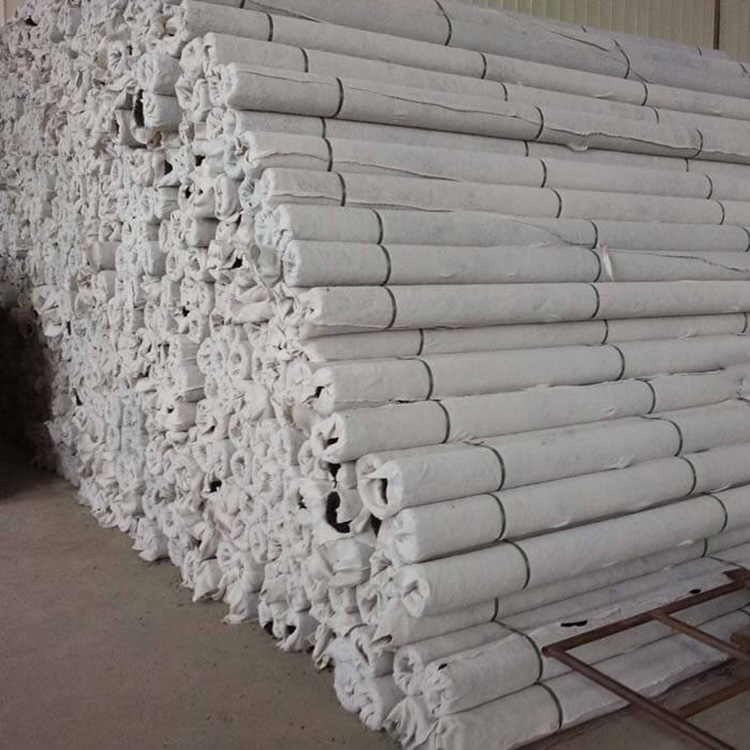
 Trench Drain Production Line
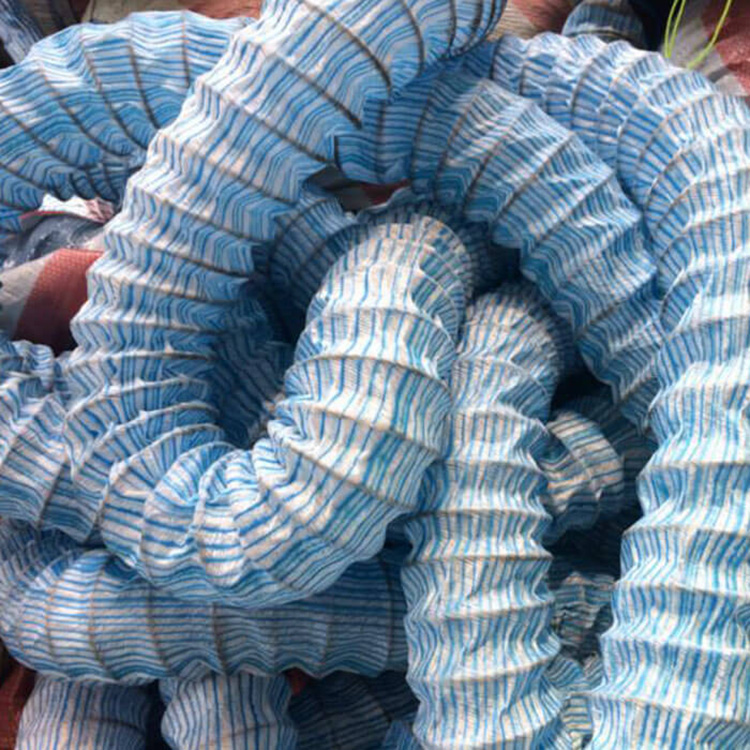 Flexible Perforated Pipe
 Plastic Welded Grating
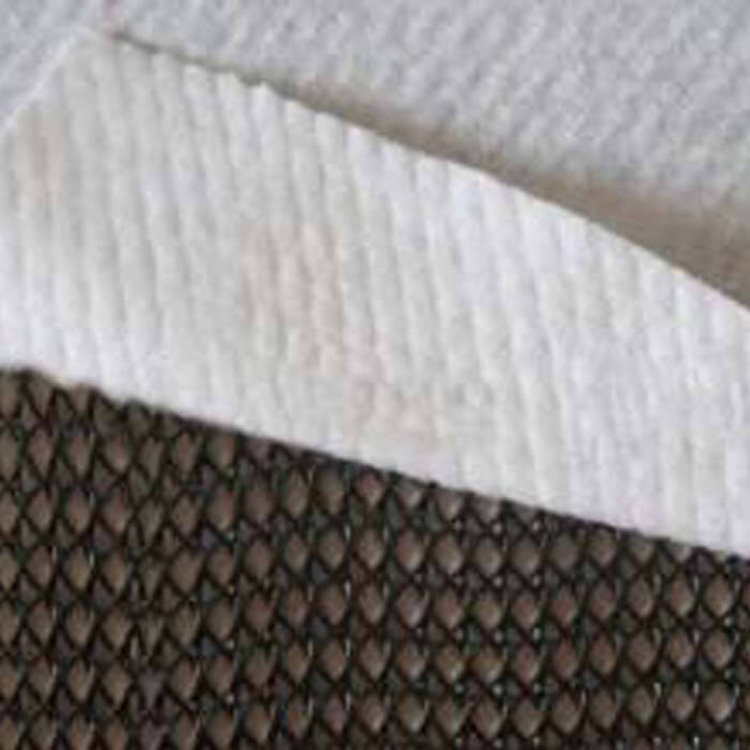 3D Composite Drainage Board
Product Details




产品Price Negotiable
最小起订Quantity:1 square meters 供货总Quantity: 30000 square meters


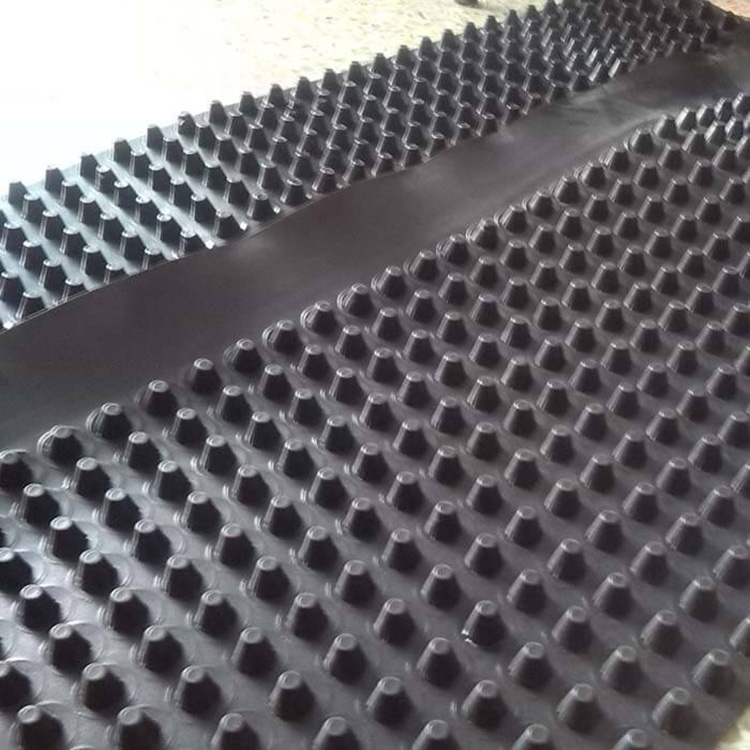 Drainage mat
Negotiable
Drainage mat
Negotiable
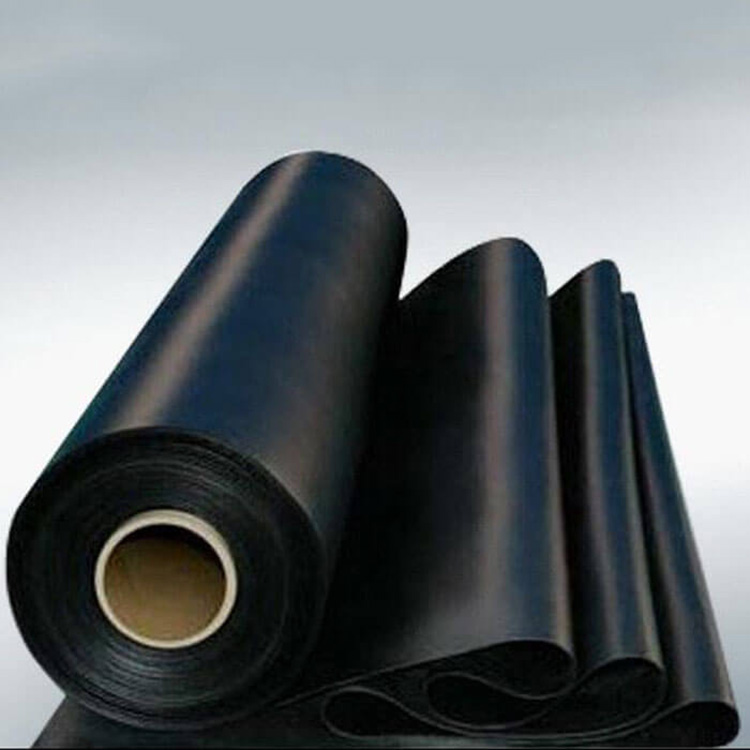 HDPE Waterproof Membrane
Negotiable
HDPE Waterproof Membrane
Negotiable
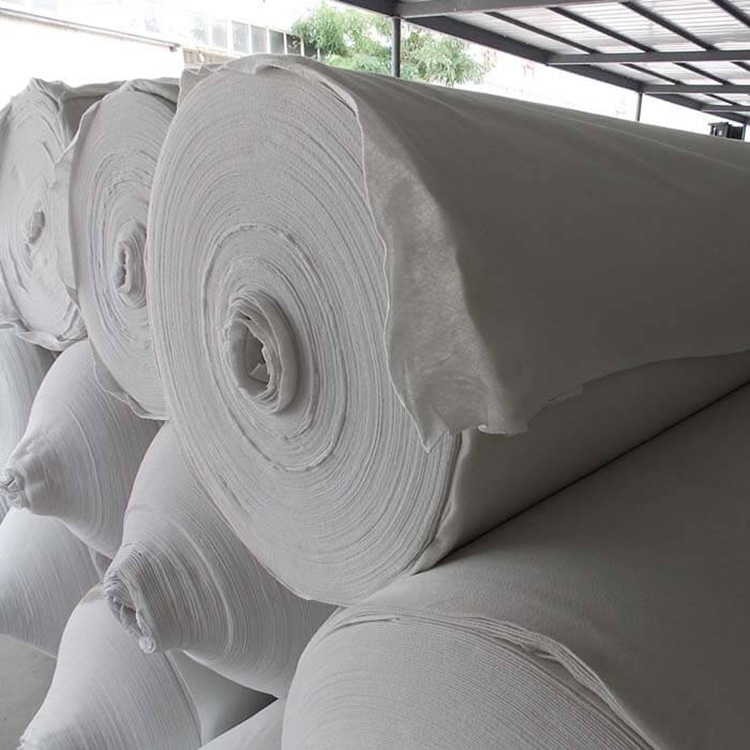 Geotextile
Negotiable
Geotextile
Negotiable
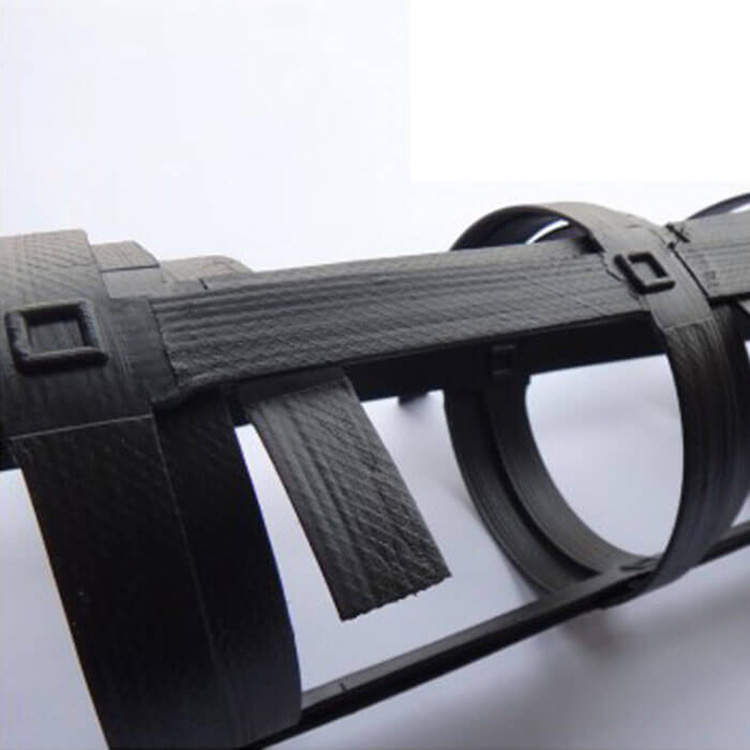
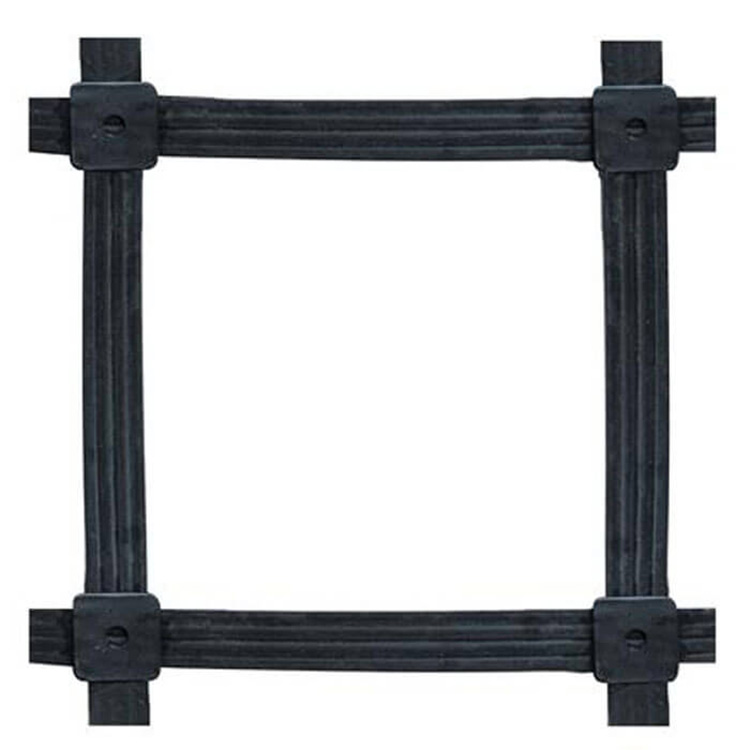
The convex node steel-plastic geogrid is an upgraded product of the common steel-plastic geogrid, addressing its shortcomings such as low node pull-out force, easy cracking of welding points, difficulty in construction, and reduced side displacement prevention. This improved product has enhanced node pull-out force, ranging between 500 and 600 N due to material ratio adjustments and changes in construction techniques, effectively overcoming the above mentioned drawbacks of traditional steel-plastic geogrids. As the welding node is convex, it is named the "convex node steel-plastic geogrid," with its academic name being "node-enhanced steel-plastic geogrid." Product Features a. Low creep and low elongation. b. The reinforced plastic geogrid is highly corrosion-resistant and durable: Enhanced with various additives for anti-aging and oxidation properties, it can withstand the corrosion from acidic, alkaline, and saline environments. Thus, the reinforced plastic geogrid meets the usage requirements of various projects for over a century, offering excellent stability. c. Easy and quick installation, short cycle, and low cost: The steel-plastic geogrid is easy to lay, overlap, and position, ensuring flatness and avoiding overlaps and intersections. This effectively shortens the project cycle and can save up to 50% of the construction cost. Application fields: Reinforcement of soft soil foundations for roads, railways, bridge abutments, approach roads, docks, dams, and waste disposal sites, as well as crack-resistant engineering for retaining walls and road surfaces. d. High strength, low creep, adaptable to various soil environments, fully meets the requirements for expressways, railways, and tall retaining walls. 2. Significantly enhances the interlocking and gripping action of the bearing surface, strengthens the bearing capacity of the foundation, safely and effectively restricts the lateral displacement of the subgrade, and offers stable and durable performance. e. The geogrid with raised nodes has features such as higher strength, high load-bearing capacity, corrosion resistance, aging resistance, large pattern friction coefficient, even holes, easy installation, and long service life compared to other products. Construction Method The laying surface of the geogrid should be relatively flat. After the laying layer has passed inspection, to prevent longitudinal skewing, first mark white lines or hang strings across the width of the laying layer. Then, begin laying and use U-shaped nails to secure the ends of the geogrid (use 4 nails per meter width, evenly spaced). b. After securing the grid end, slowly pull the grid forward using a laying machine or manually. Conduct an inspection every ten meters. Continue until the entire roll of grid is laid, then lay the next roll, following the same procedure. c. Laying the flooring: The length of the roll is used as the section length for laying. After the required length for laying the grate is filled, inspect the laying quality once again. Then, proceed to lay the next section. During the next section's laying, the grates overlap by one grid's net distance as the lap length, and secure them with binding wire before continuing to lay the next section in the forward direction. Continue this process, with the same operational requirements as before.


Phone Consultation