
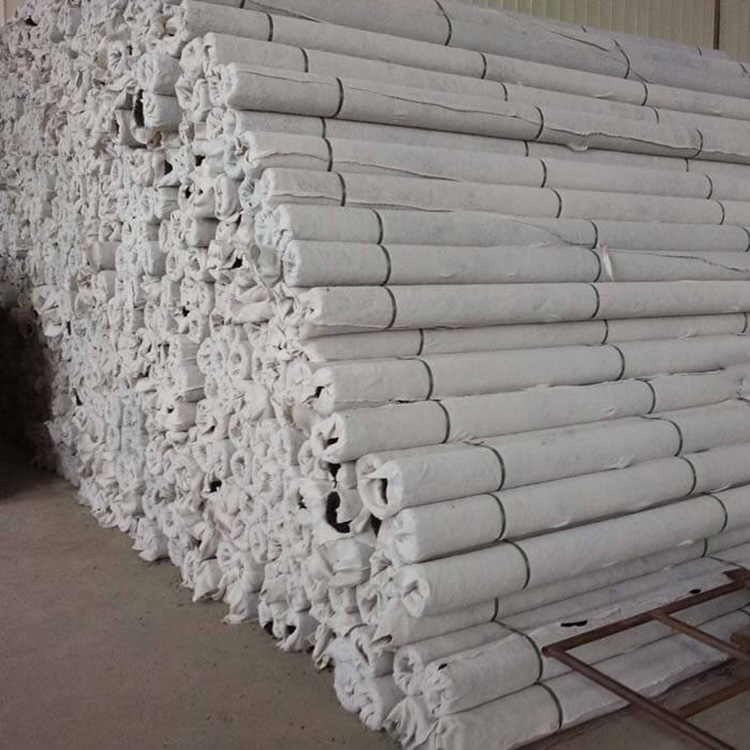
 Trench Drain Production Line
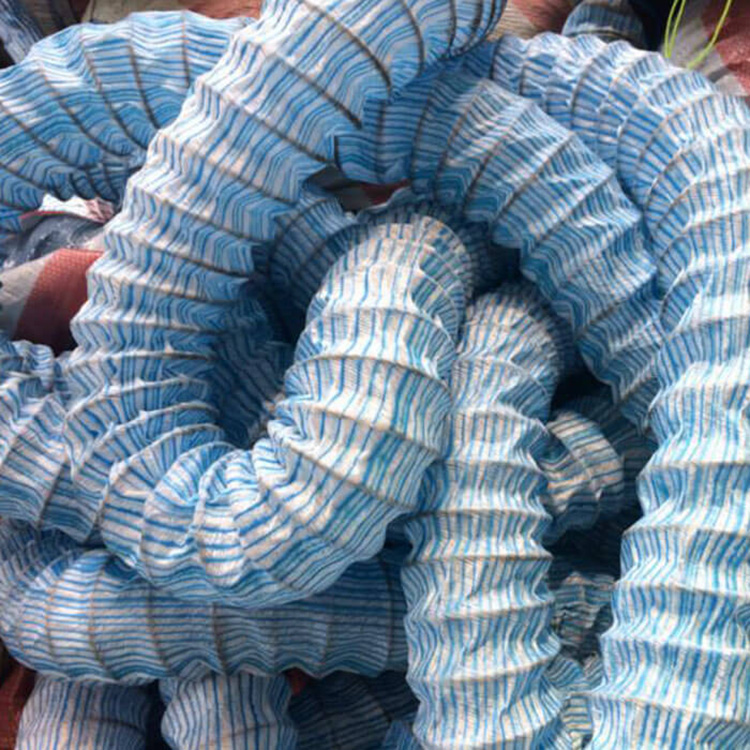 Flexible Perforated Pipe
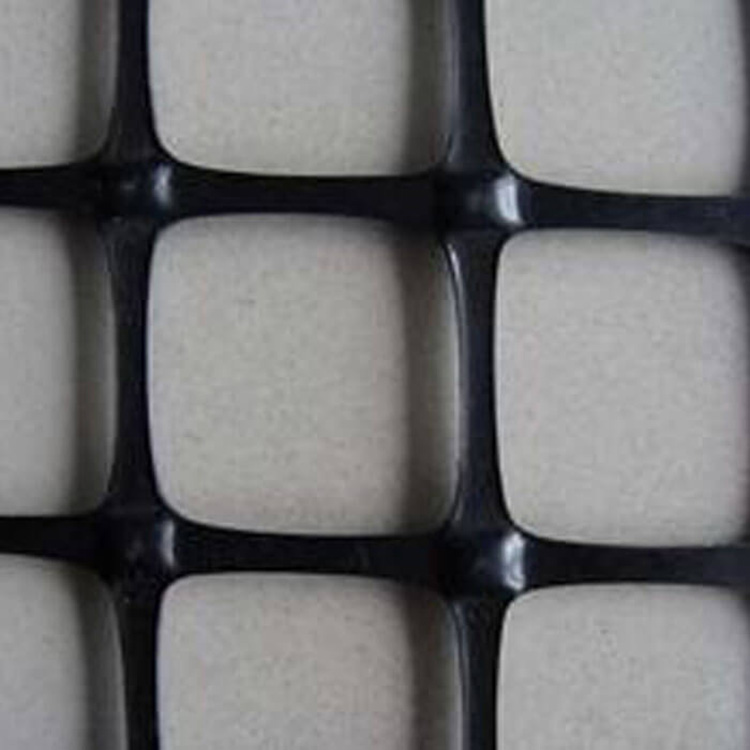
 Plastic Welded Grating
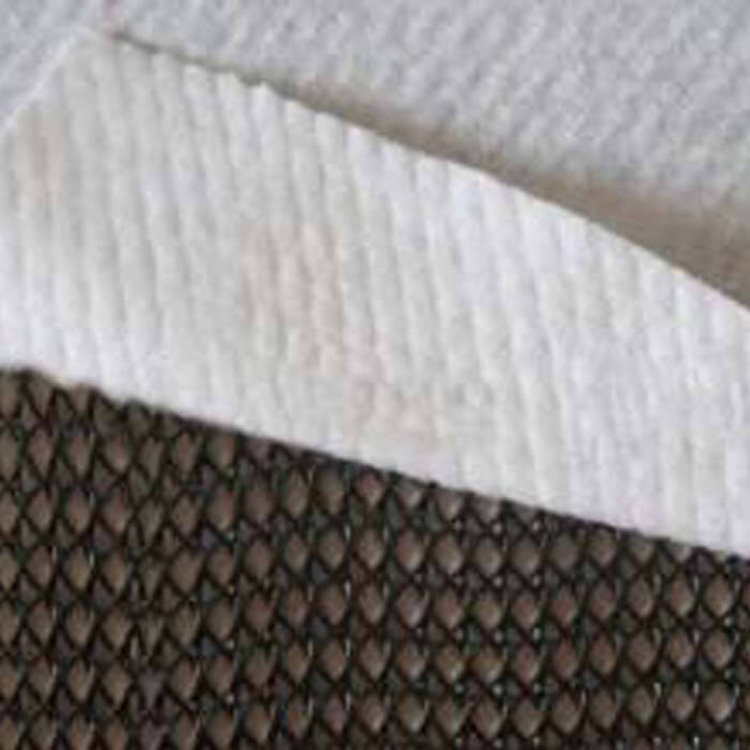 3D Composite Drainage Board
Product Details




产品Price Negotiable
最小起订Quantity:1 square meters 供货总Quantity: 30000 square meters


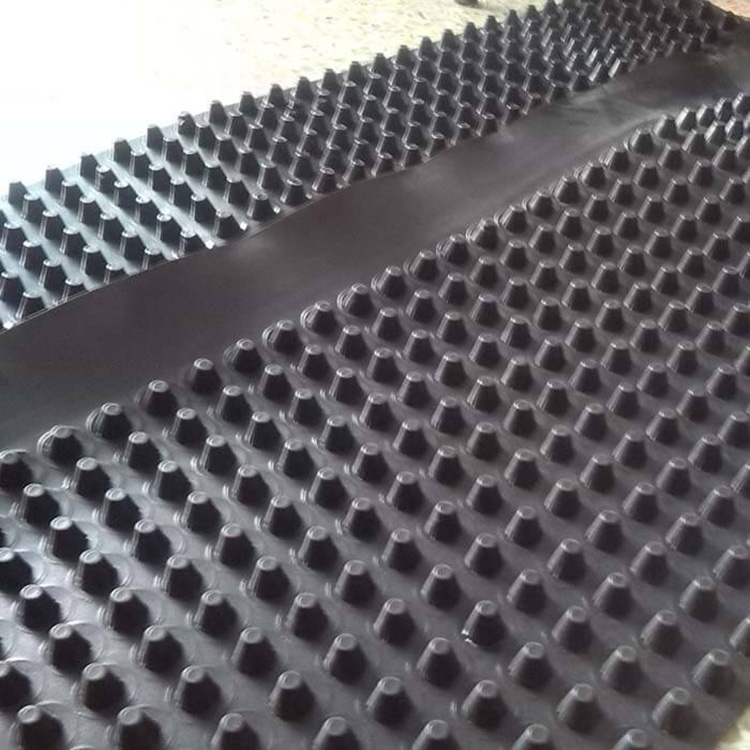 Drainage mat
Negotiable
Drainage mat
Negotiable
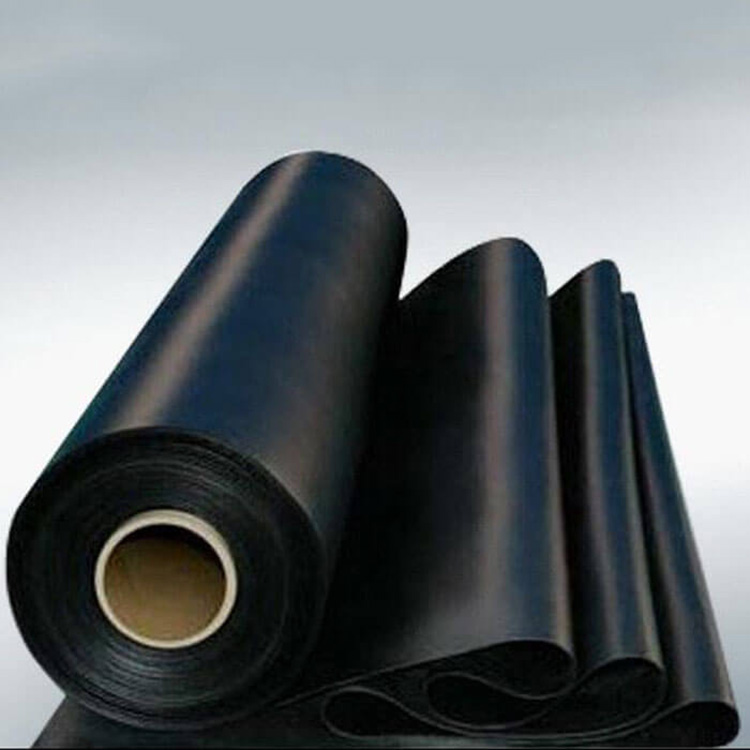 HDPE Waterproof Membrane
Negotiable
HDPE Waterproof Membrane
Negotiable
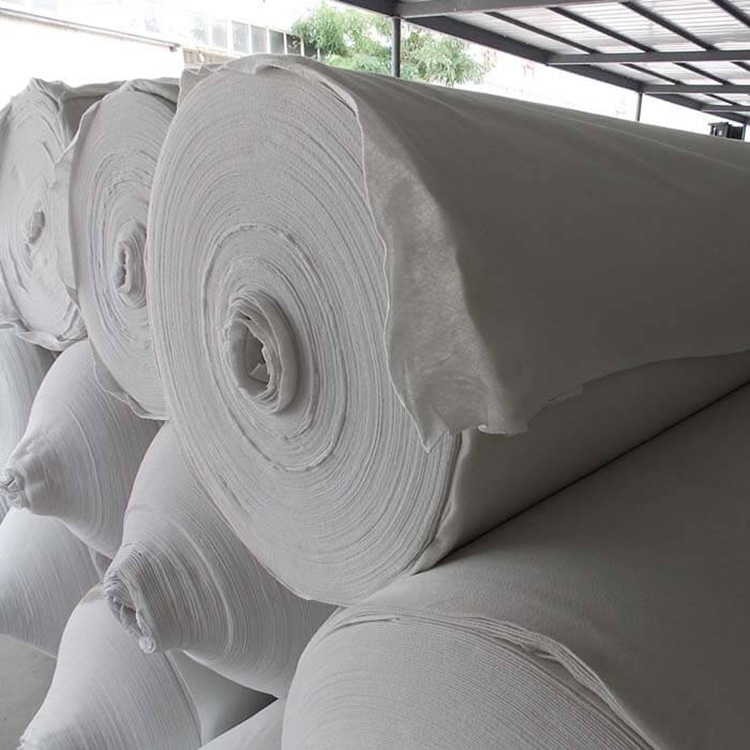 Geotextile
Negotiable
Geotextile
Negotiable
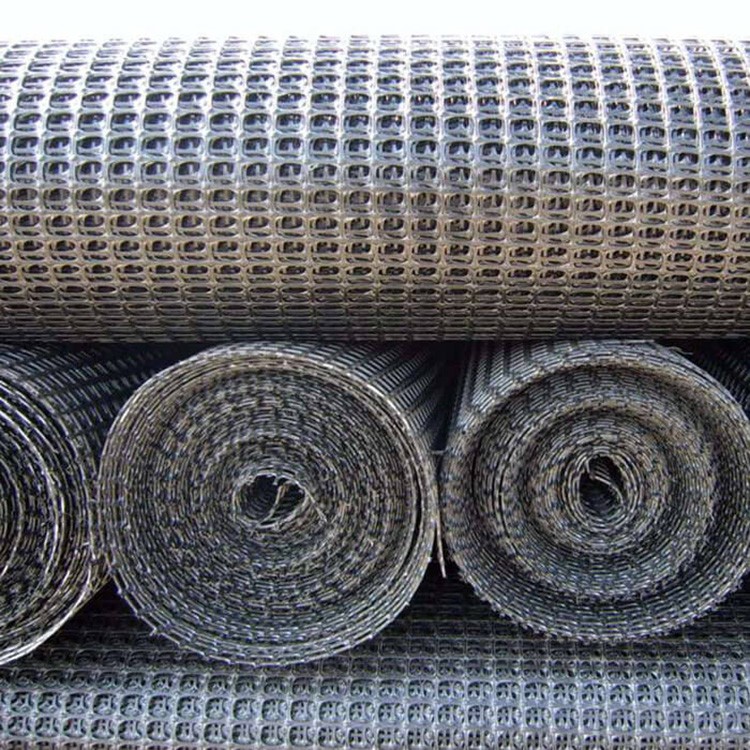
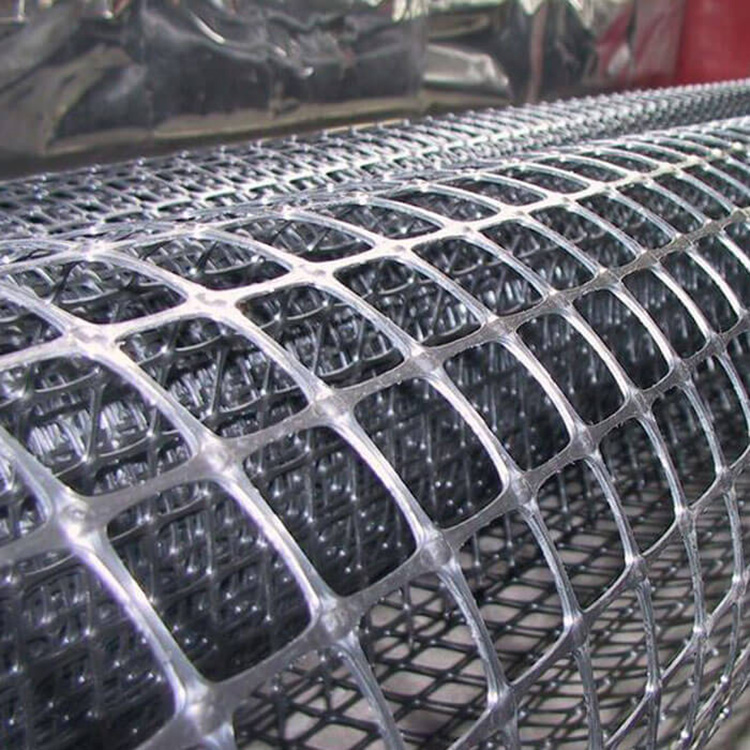
Plastic geogrids are polymer meshes with square or rectangular patterns, formed through stretching. They can be either unidirectional or bidirectional, depending on the stretching direction during manufacturing. These grids are made by punching holes in polymer sheets (usually made from polypropylene or high-density polyethylene) that have been extruded, followed by directional stretching under heat. Unidirectional geogrids are stretched only along the length of the sheet, while bidirectional geogrids are further stretched perpendicular to their length. Geotextile格栅 is a primary geosynthetic material, boasting unique properties and benefits compared to other geosynthetics. It is commonly used as reinforcing material for soil reinforcement structures or composite materials. Geotextile格栅 is categorized into four main types: plastic geotextile格栅, steel-plastic geotextile格栅, glass fiber geotextile格栅, and glass fiber polyester geotextile格栅. Plastic Geogrid Due to the polymer's high molecular reorientation during the heating and extension process in the manufacturing of plastic geogrids, the intermolecular bond strength is enhanced, thereby increasing its strength. The elongation rate is only 10% to 15% of the original sheet. By adding anti-aging materials like carbon black to the geogrid, it can achieve good acid, alkali, corrosion, and anti-aging resistance, enhancing its durability. Bidirectional Geogrid The bidirectional geogrid is made by extruding, forming sheets, and punching before undergoing longitudinal and transverse stretching with high molecular polymer. This material boasts significant tensile strength in both directions, providing an ideal连锁 system for force distribution and diffusion within the soil, suitable for large-area bearing foundations. Unidirectional Geotextile Grid Unidirectional geogrid is formed by extruding and compressing high molecular polymer into a thin plate, followed by punching it into a regular grid pattern, and then stretching it longitudinally. This process aligns the high molecular polymer into a directional linear state, forming a uniform, long elliptical mesh structure with high node strength. This structure boasts high tensile strength and modulus of elasticity. Our products exhibit high early tensile strength and modulus of elasticity (up to 2%-5% elongation). It provides an ideal force-bearing and diffusive连锁 system for soil. The product has a high tensile strength (>150Mpa), suitable for various types of soil, and utilizes reinforced materials for reinforcement. Steel-plastic geogrid Steel-plastic geogrids, made of high-strength steel wire (or other fibers) treated with special processing, combined with polyethylene (PE) and other additives, are extruded into composite high-tensile tensile strips with rough embossed patterns, which are known as high-strength reinforced geotextile strips. By weaving or interlacing these strips longitudinally and transversely at certain intervals, and then forming them into a geogrid by welding their junction points with a special reinforced bonding melt-welding technique. Glass Fiber Geogrid Glass fiber geogrid is a woven mesh structural material made from glass fiber, a special composite geosynthetic material treated with a unique coating process to protect the glass fiber and enhance overall performance. The main components of glass fiber are silicon dioxide, an inorganic material with extremely stable physical and chemical properties. It boasts high strength, high modulus, excellent wear resistance, frost resistance, no long-term creep; good thermal stability; the mesh structure facilitates aggregate interlock and restriction; and improves the load-bearing capacity of asphalt mixtures. The special modified asphalt coating on the surface provides dual composite properties, enhancing the wear resistance and shear strength of the geogrid.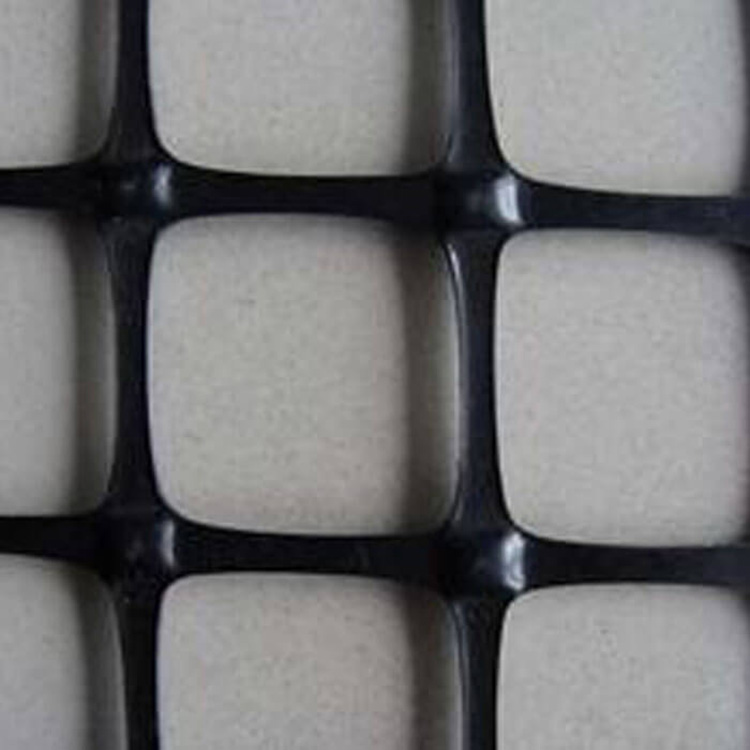

Phone Consultation