
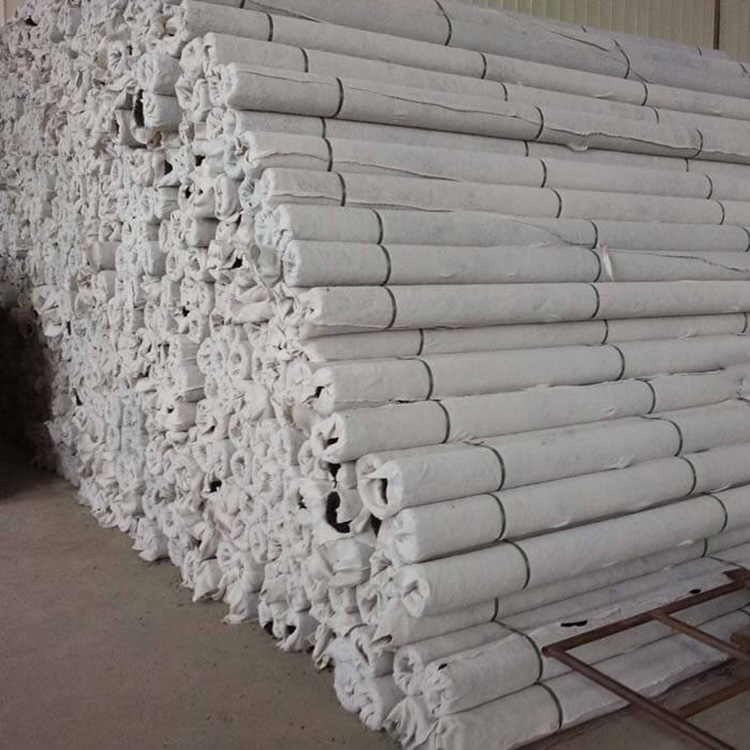
 Trench Drain Production Line
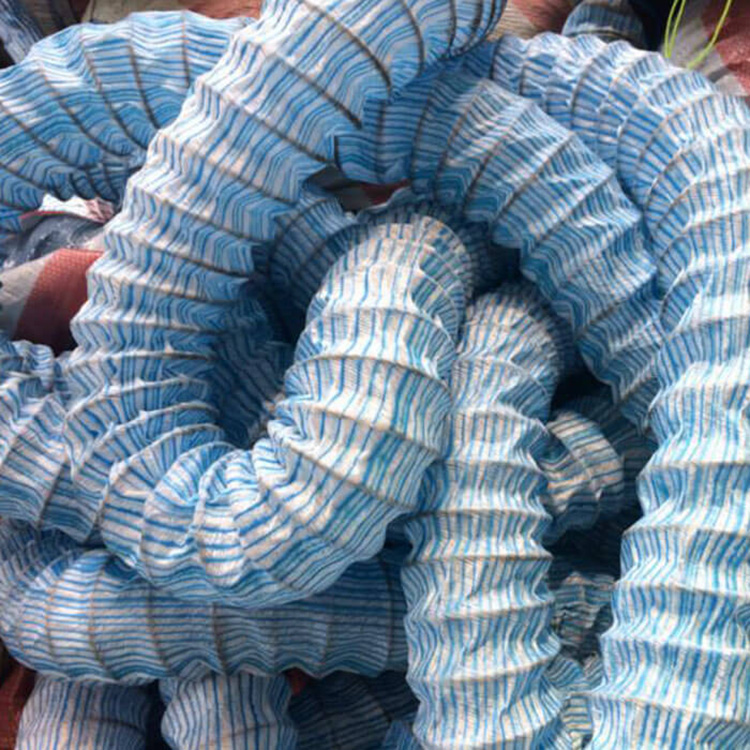 Flexible Perforated Pipe
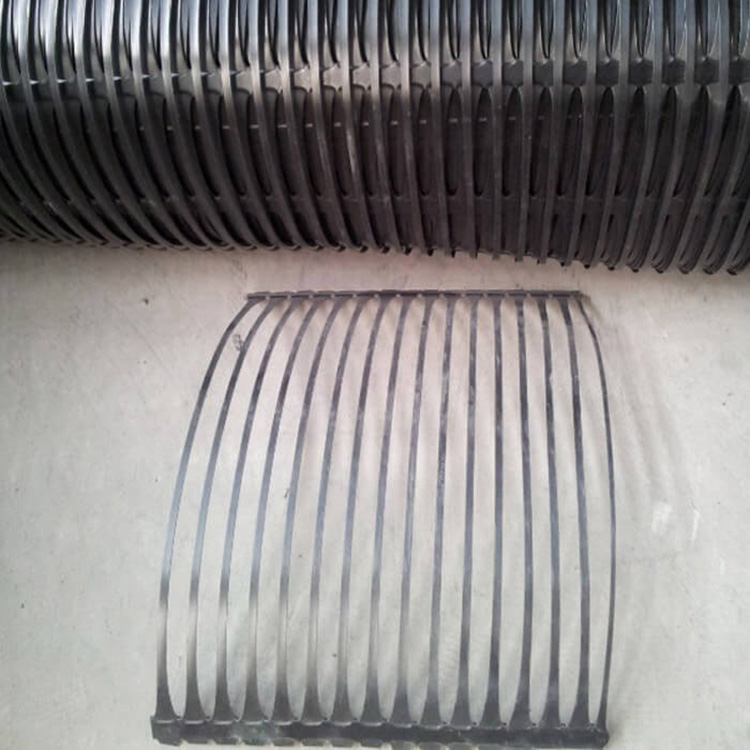
 Plastic Welded Grating
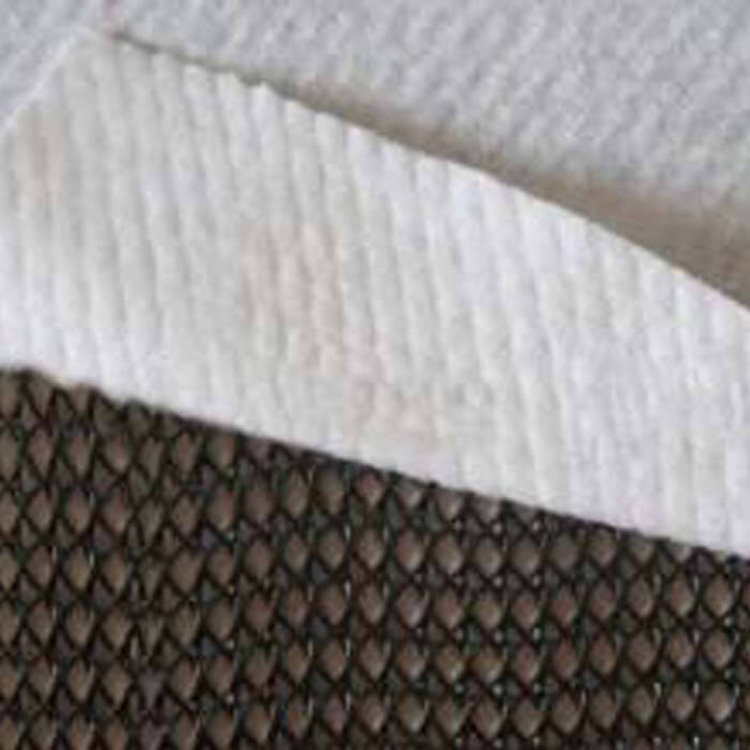 3D Composite Drainage Board
Product Details




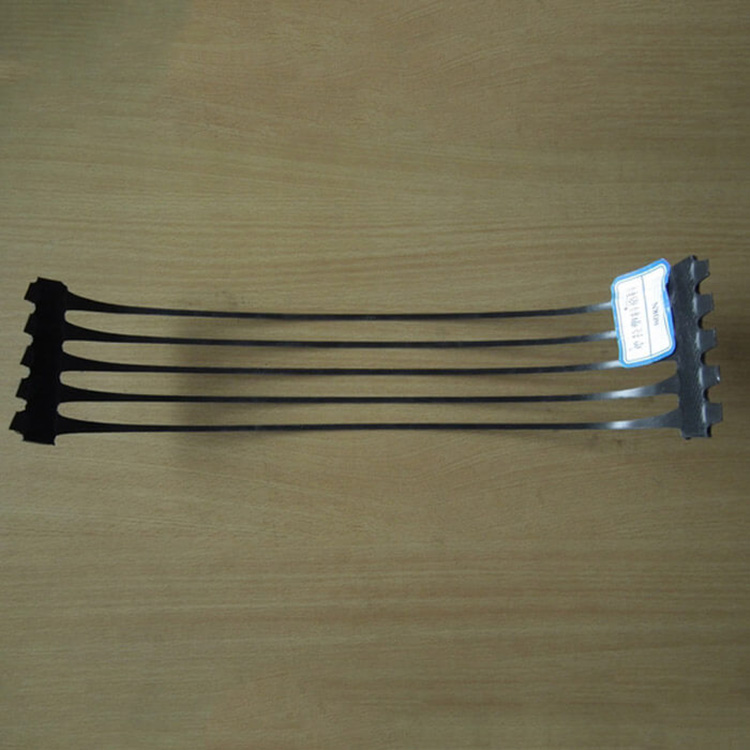

产品Price Negotiable
最小起订Quantity:1 square meters 供货总Quantity: 20000 square meters


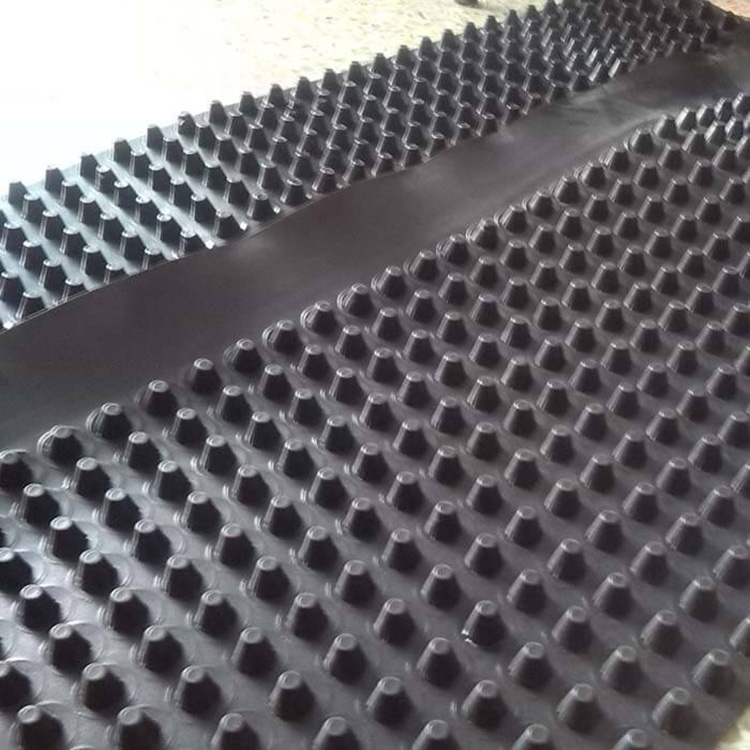 Drainage mat
Negotiable
Drainage mat
Negotiable
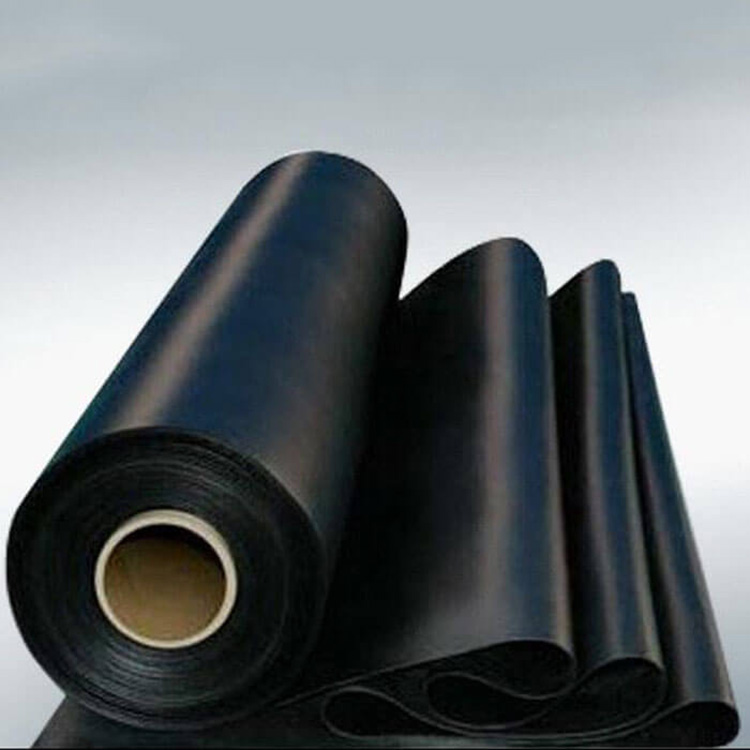 HDPE Waterproof Membrane
Negotiable
HDPE Waterproof Membrane
Negotiable
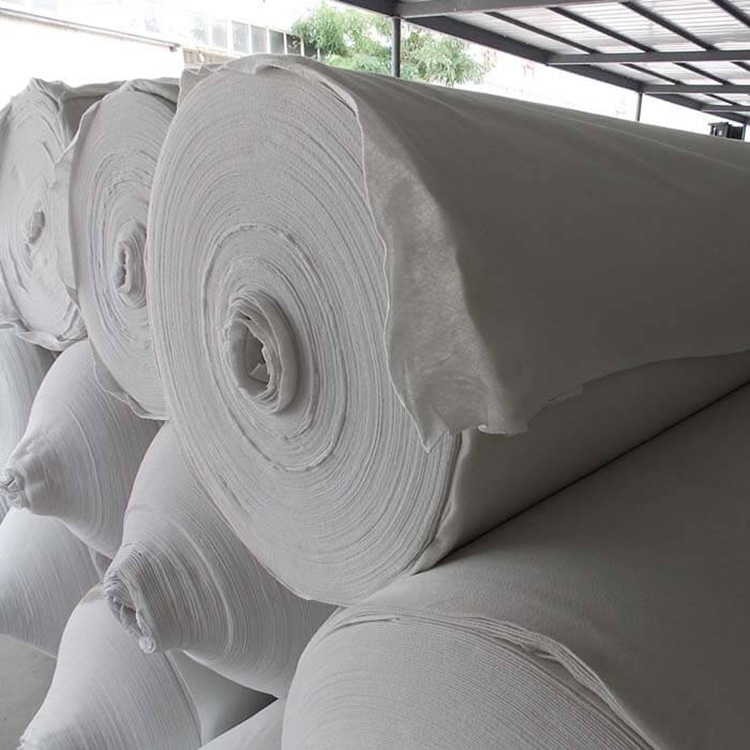 Geotextile
Negotiable
Geotextile
Negotiable
Product Features: 1. Single-direction geogrid for reinforcing soft soil foundation: The geogrid can quickly enhance the bearing capacity of the foundation, control the development of settlement, and effectively distribute the load over a wider subgrade, thereby reducing the thickness of the subgrade, lowering construction costs, shortening the project timeline, and extending the service life. 2. Single-Direction Geogrid for Reinforcing Asphalt or Concrete Pavements: The geogrid is laid at the bottom of the asphalt or concrete layer, which can reduce rut depth, extend the pavement's fatigue life, and also reduce the thickness of the asphalt or concrete surface, thereby saving costs. 3. Unidirectional geogrids are used for reinforcing embankment slopes and retaining walls: Traditional embankment construction, especially for high embankments, often requires overfilling and the shoulders are difficult to compact, leading to potential slope erosion and instability due to rainwater infiltration after construction. Additionally, using gentler slopes requires more land area, and retaining walls face similar issues. Reinforcing embankment slopes or retaining walls with geogrids can reduce land area by half, extend service life, and lower costs by 20-50%. 4. Unidirectional geogrid for reinforcing river, lake, and sea embankments: Can be used to make gabions, combined with the geogrid to prevent embankment collapse due to sea erosion. Gabions are permeable, which can mitigate the impact of waves, extend the lifespan of the embankment, save labor and materials, and shorten construction time. 5. Single-axial geogrid for waste landfill treatment: When combined with other soil synthetic materials, the geogrid effectively addresses uneven settlement of the foundation and the emission of derived gases, significantly enhancing the storage capacity of waste landfills. Special Purpose: Low-temperature resistance. The low-temperature-resistant geogrid meets all performance requirements after undergoing 200 cycles of cold-heat cycles between -45℃ and -50℃, and has passed the test of the Qinghai-Tibet Railway. It is suitable for poor geological conditions with low-frozen soil, rich-frozen soil, and high-ice-content frozen soil in northern regions.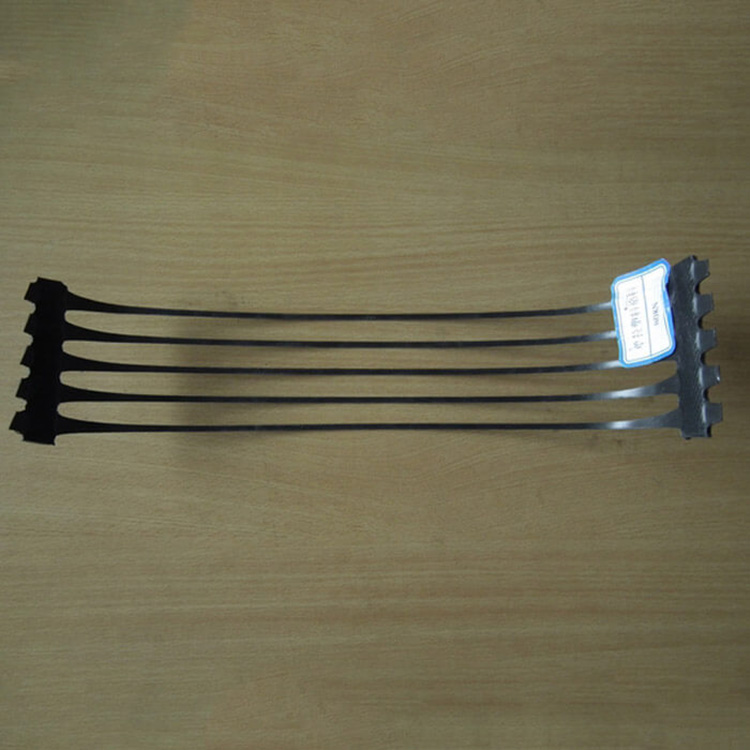


Phone Consultation