
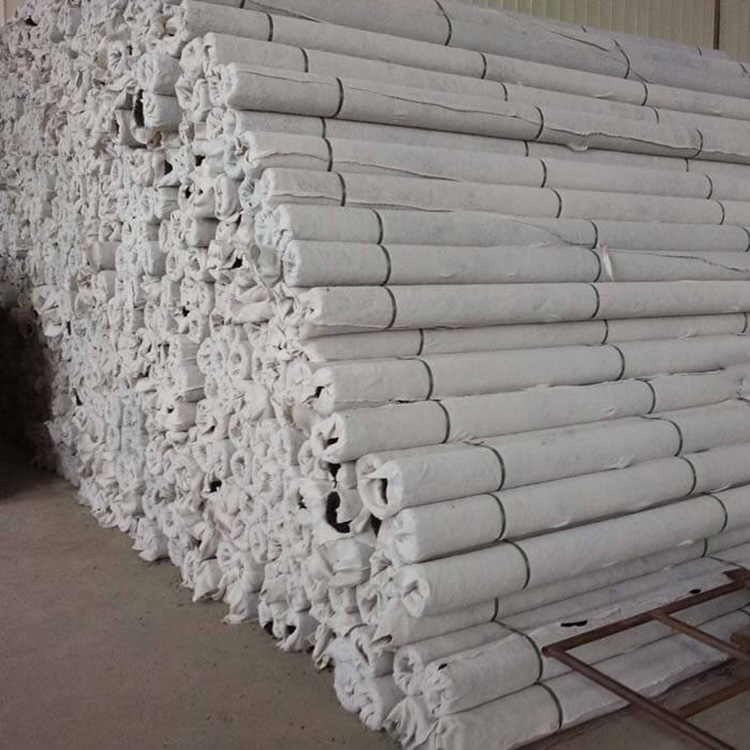
 Trench Drain Production Line
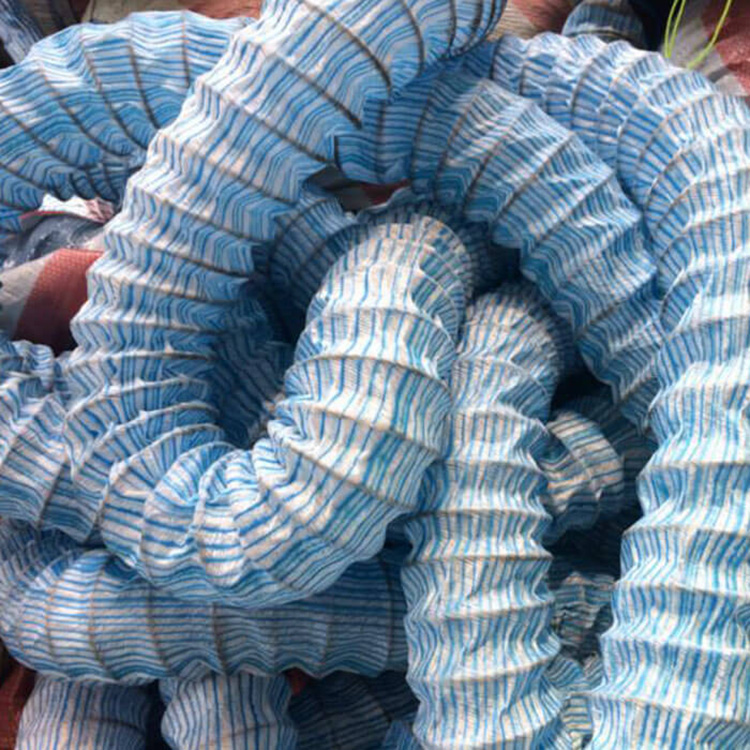 Flexible Perforated Pipe
 Plastic Welded Grating
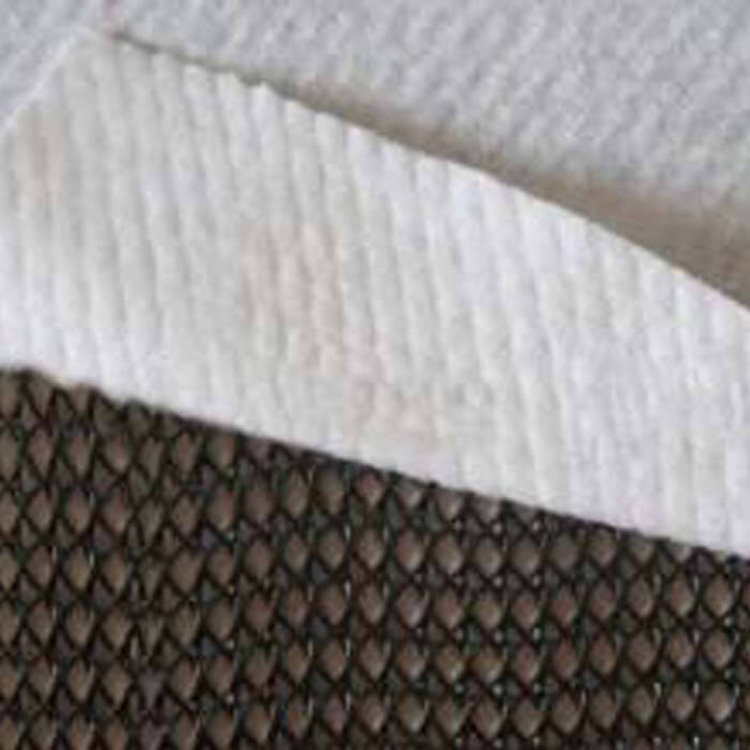 3D Composite Drainage Board
Product Details




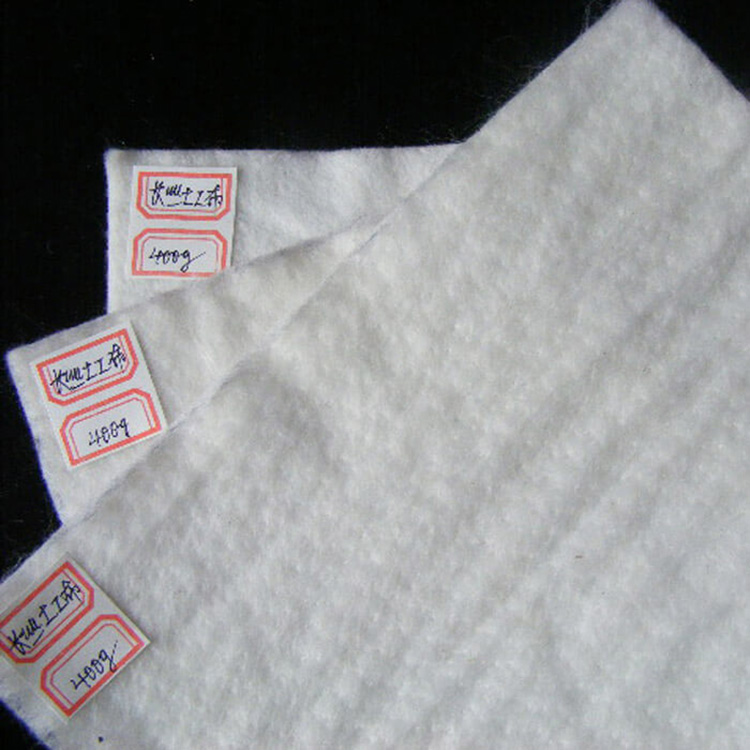
产品Price Negotiable
最小起订Quantity:1 square meters 供货总Quantity: 30000 square meters


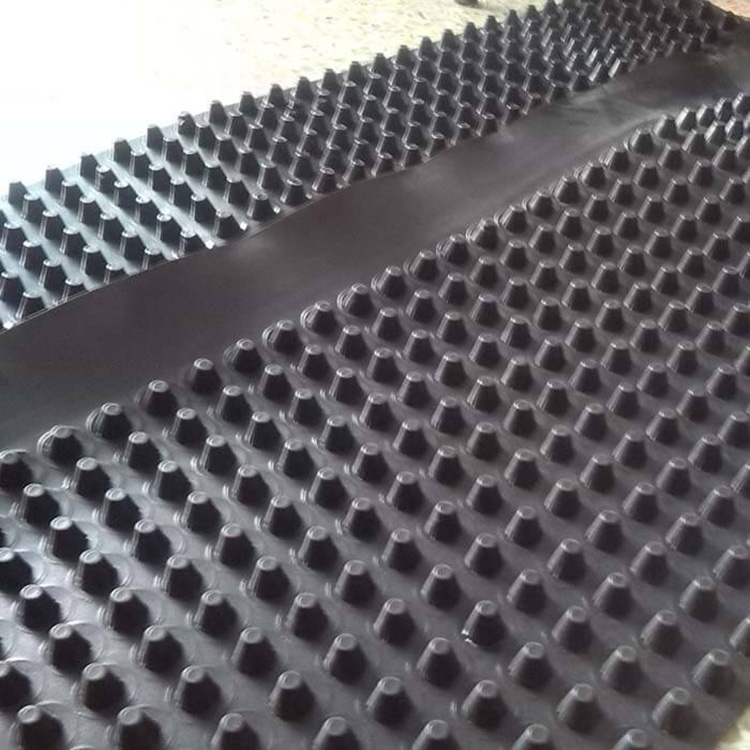 Drainage mat
Negotiable
Drainage mat
Negotiable
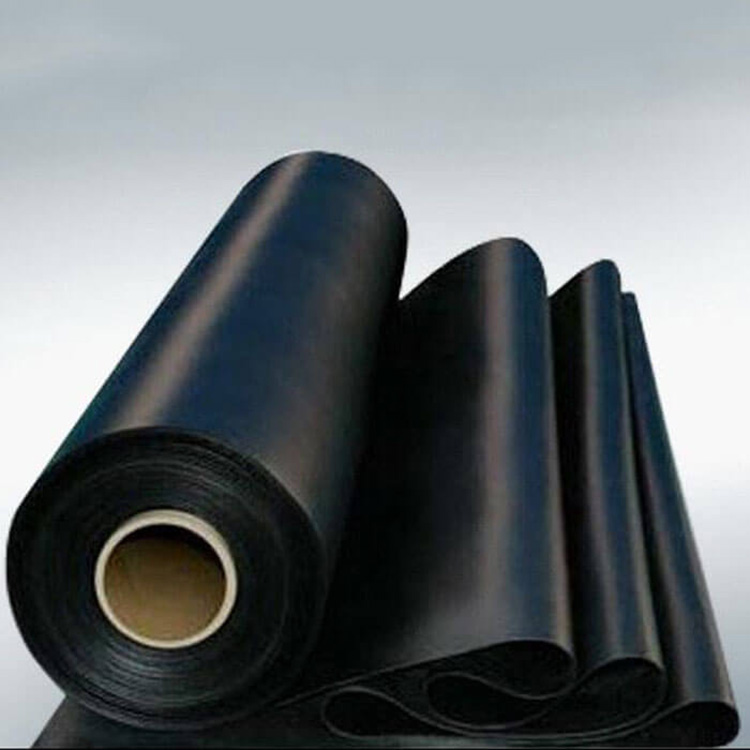 HDPE Waterproof Membrane
Negotiable
HDPE Waterproof Membrane
Negotiable
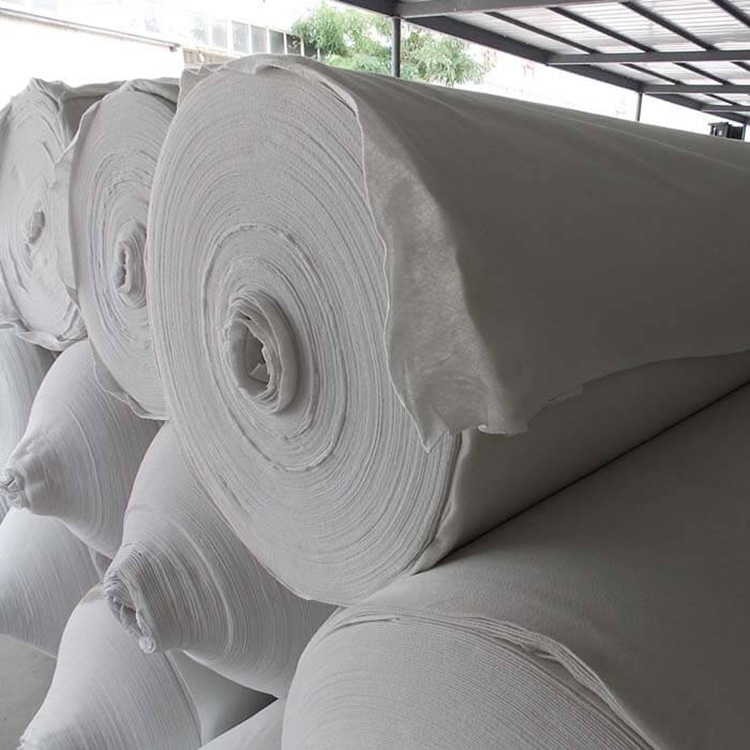 Geotextile
Negotiable
Geotextile
Negotiable
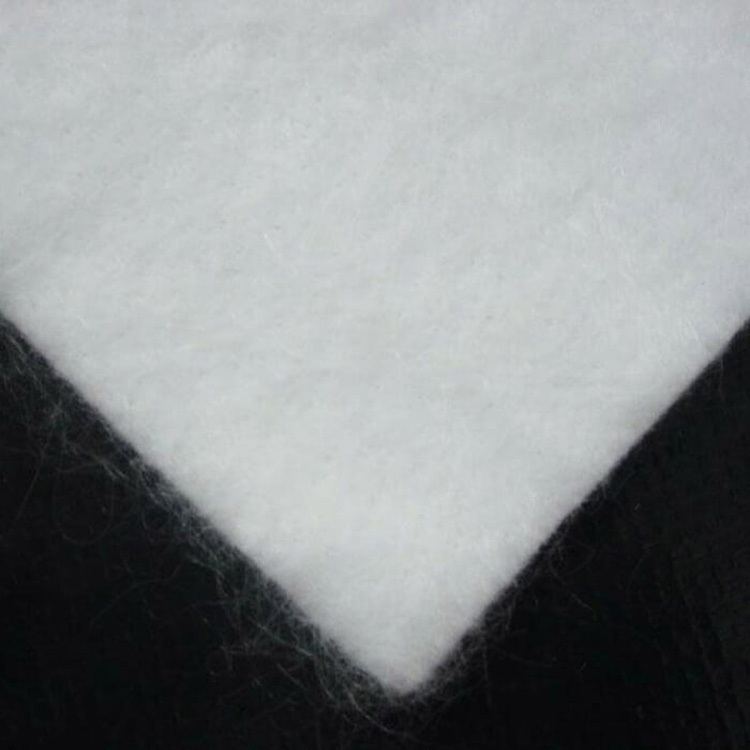
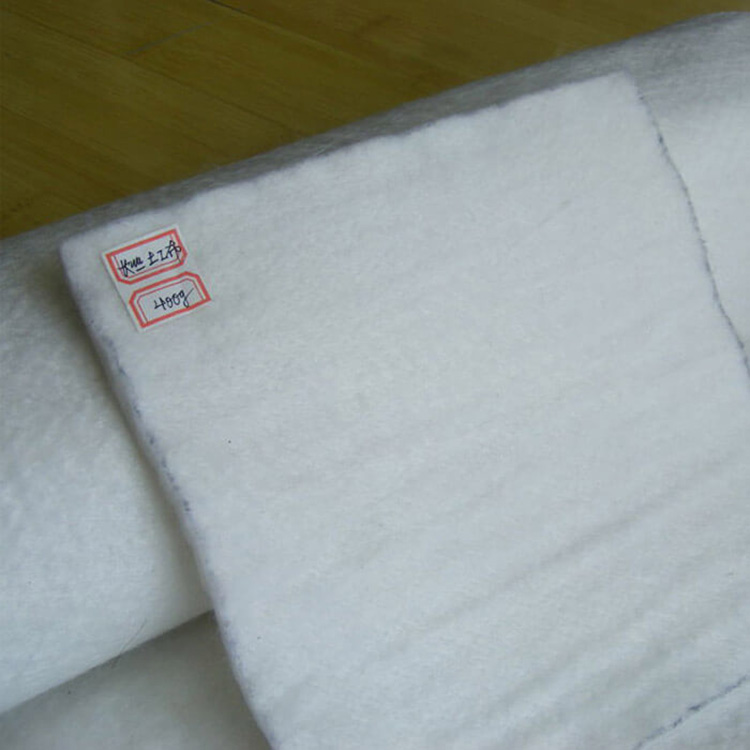
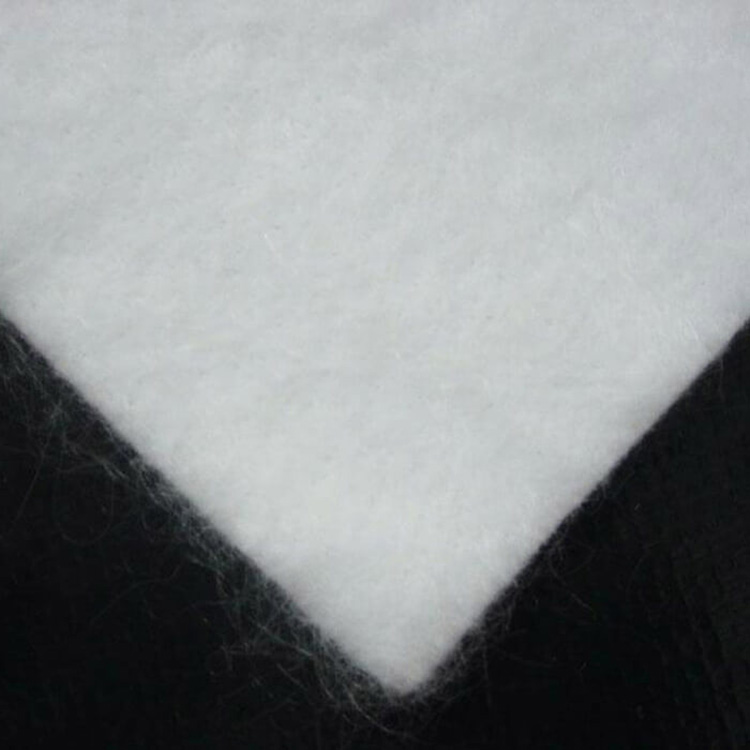
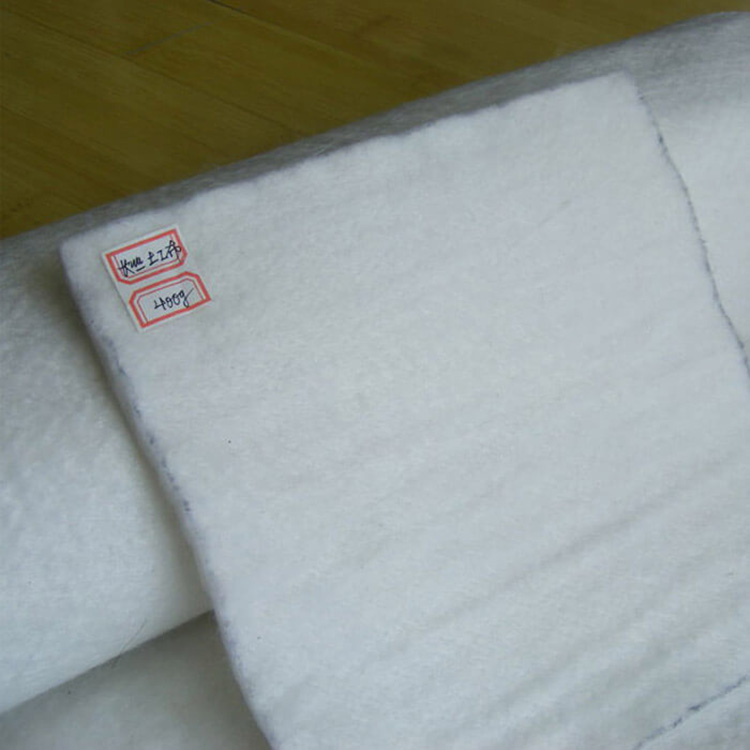
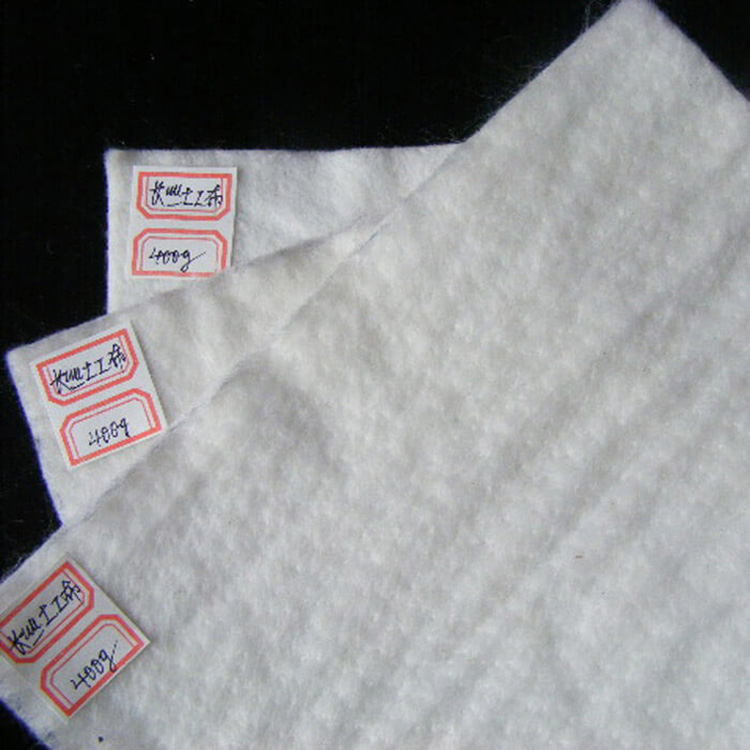
Geotextile, also known as geotextile fabric, is a permeable geosynthetic material made by needle-punching or weaving synthetic fibers. It is one of the new material geosynthetic products, available in fabric form, typically with a width of 4-6 meters and a length of 50-100 meters. Product Categories One, Short Fiber针刺Nonwoven Geotextile Manufactured from short fibers as raw materials, this product is processed through a series of production processes including opening, carding, entanglement (interweaving of short fibers), webbing (standardized entanglement fixation), and needle-punching, resulting in a fabric-like material. Features: The product boasts acid and alkali resistance, corrosion resistance, aging resistance, high strength, stable dimensions, and good filtration properties. Applications: Primarily used for reinforcement, isolation, reverse filtration, and drainage in engineering projects, widely employed in water conservancy, highway, and railway sectors. Short Fiber Geotextile Test Specifications Polyester Long Fiber Geotextile Polyester staple geotextile is directly manufactured by spinning, needling, and bonding using the polyester method. The product specifications range from 80-800g/㎡ for selection. It is a type of geosynthetic material used in geotechnical and civil engineering, made by webbing and bonding polyester staple fibers into a three-dimensional structure. In addition to its excellent mechanical properties, it also boasts good longitudinal and transverse drainage performance, as well as good elongation and high chemical stability against biological, acidic, alkaline, and aging. Polyester Long Filament Geotextile Test Criteria Polyester Filament Singeing Geotextile This product features a sintered layer on the base of polyester filament non-woven geotextile, achieving the purpose of no agglomeration on the surface of the non-woven geotextile while maintaining its original properties. It is a new generation of geotextile lining protective material specifically designed and developed for slope anti-sliding in garbage sanitary landfill sites, in accordance with the current "Technical Specifications for Sanitary Landfill of Domestic Waste" CJJ17-2004 standard. It effectively prevents damage to synthetic fibers from UV rays, enhancing the anti-aging properties of the geotextile; the textured surface of the geotextile (single or double-sided) achieves excellent application results. It features the following characteristics: (1) Widely used for reinforcing asphalt pavements, cement concrete pavements, and subgrades. Suitable for both rigid and flexible pavements, it can reduce construction costs, extend service life, and prevent road reflective cracking compared to traditional pavements. (2) The product has an appropriate thickness, easily bonding with asphalt pavements. When combined with adhesive oil, it forms an isolation layer that provides waterproofing and thermal insulation. (3) Lightweight with high strength. Tensile strength is ≥8 KN/m, elongation is 40% to 60%, fully meeting the technical requirements for geotextiles in JTJ/T019—98 "Technical Specification for Stress of Highway Geosynthetic Materials." (4) Surface is rough and not easily slippery. During installation, the rough side, after special treatment, should face up to increase friction and enhance the bonding strength of the surface layer, preventing it from being lifted and damaged by wheels during construction. Additionally, it helps to reduce the risk of skidding for vehicles and pavers on the laid surface. (5) Features UV protection, frost resistance, chemical corrosion resistance, and biological degradation resistance. (6) Easy to install and effective in application. Generally, the fibers of geotextile are easily picked up by vehicle tires, causing thread entanglement. In severe cases, they can even be wrapped around, leading to displacement and structural damage of the geotextile. Four: Nonwoven Geotextile Nonwoven geotextile (polyester geotextile, nonwoven geotextile) is also known as geotextile fabric, which is a permeable geosynthetic material made by needle-punching or weaving synthetic fibers. The finished product is in the form of fabric, primarily composed of polyester short fibers, with a general width of 4-6 meters and a length of 50-100 meters. It is widely used in engineering projects such as railways, highways, sports facilities, embankments, hydraulic structures, tunnels, coastal roads, reclamation, and environmental protection. Five, Polypropylene Geotextile Polypropylene geotextiles offer superior permeability, filtration, durability, and are widely used in railway, highway, sports facilities, embankments, hydraulic structures, tunnels, coastal areas, reclamation, and environmental protection projects. Mainly includes short-fiber needle-punched nonwoven polypropylene geotextiles and split-filament woven polypropylene geotextiles. Polypropylene Geotextile Function: Utilizing the good air permeability and water permeability of polypropylene geotextile, it allows water flow while effectively retaining soil erosion. Effectively distribute, transfer, or decompose concentrated stress to prevent soil from being damaged due to external forces. Prevent mixing of sand, gravel, soil, and concrete between layers. The mesh is not prone to clogging due to its strain and mobility, which are characteristics of the mesh structure formed by the amorphous fiber organization. High permeability, maintaining excellent permeability under soil and water pressure. Corrosion-resistant, made from synthetic fibers such as polypropylene or polyester, acid and alkali-resistant, non-corrosive, non-pest-eaten, and anti-oxidation. Easy to install, lightweight, and user-friendly.


Phone Consultation