
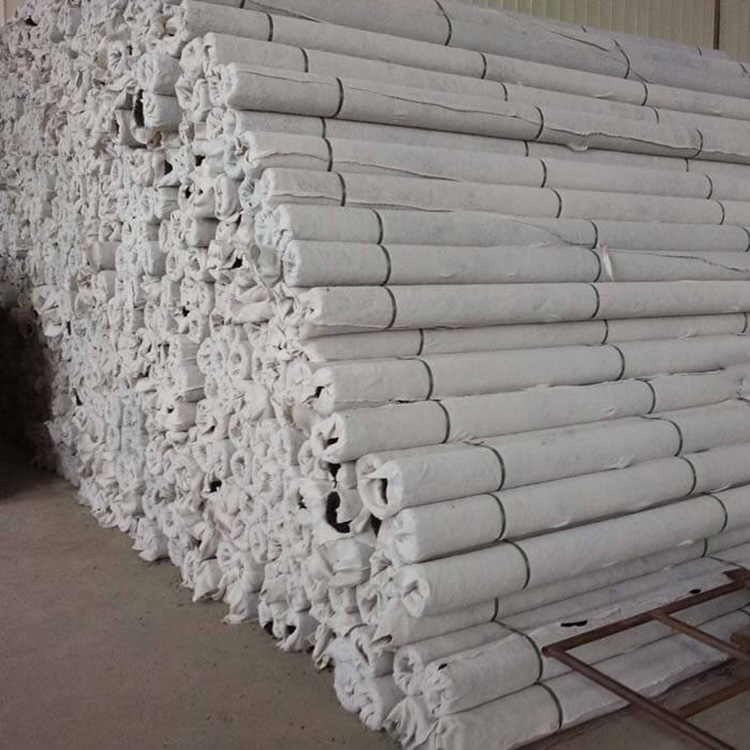
 Trench Drain Production Line
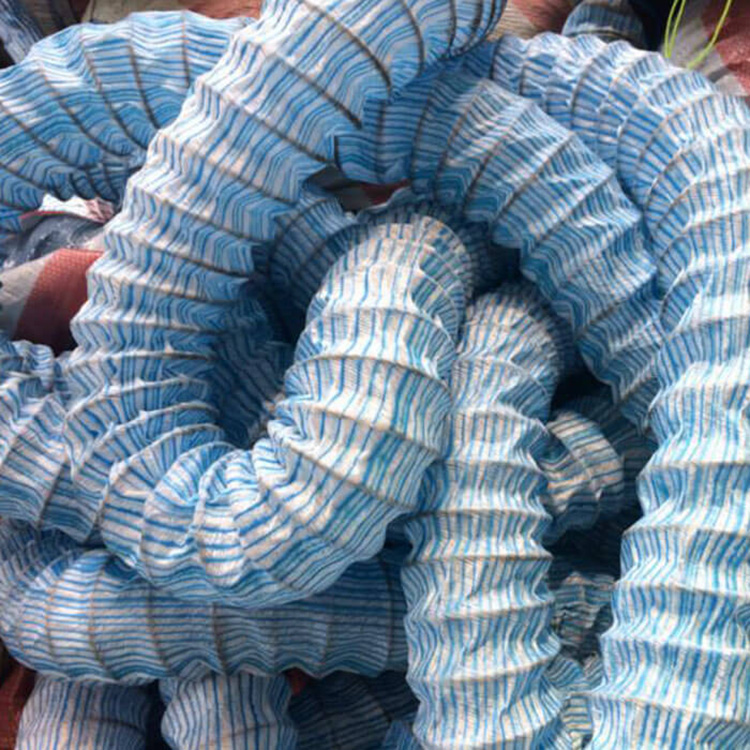 Flexible Perforated Pipe
 Plastic Welded Grating
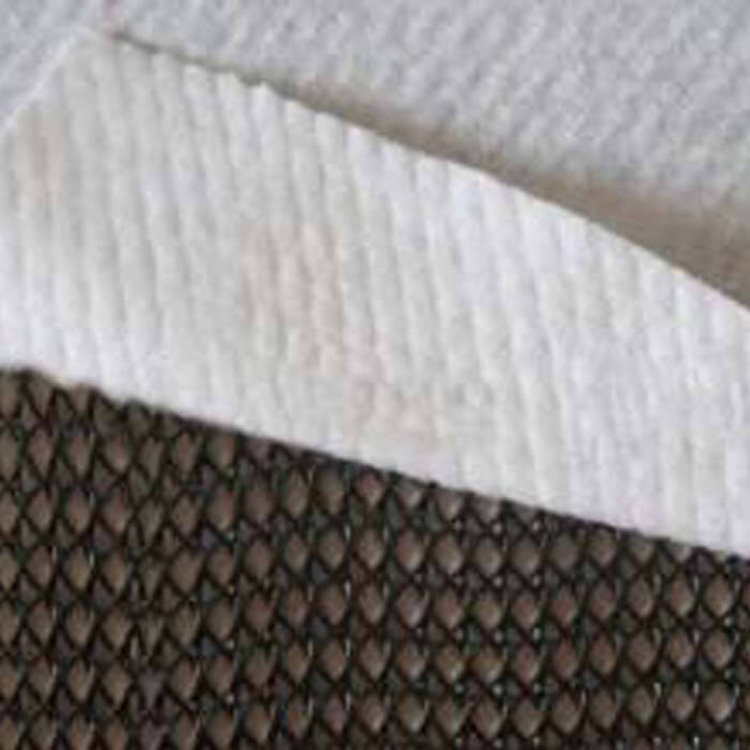 3D Composite Drainage Board
Product Details




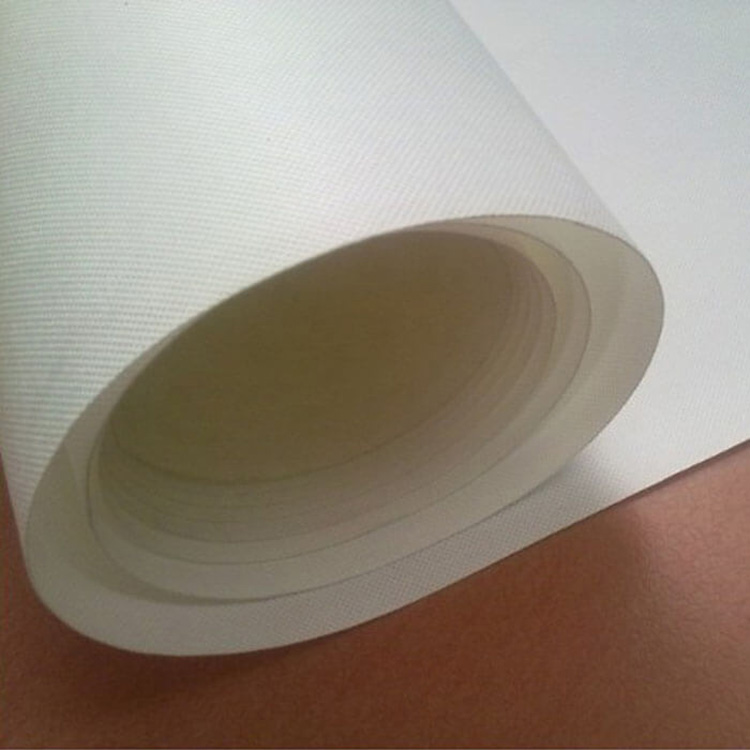

产品Price Negotiable
最小起订Quantity:1 square meters 供货总Quantity: 10000 square meters


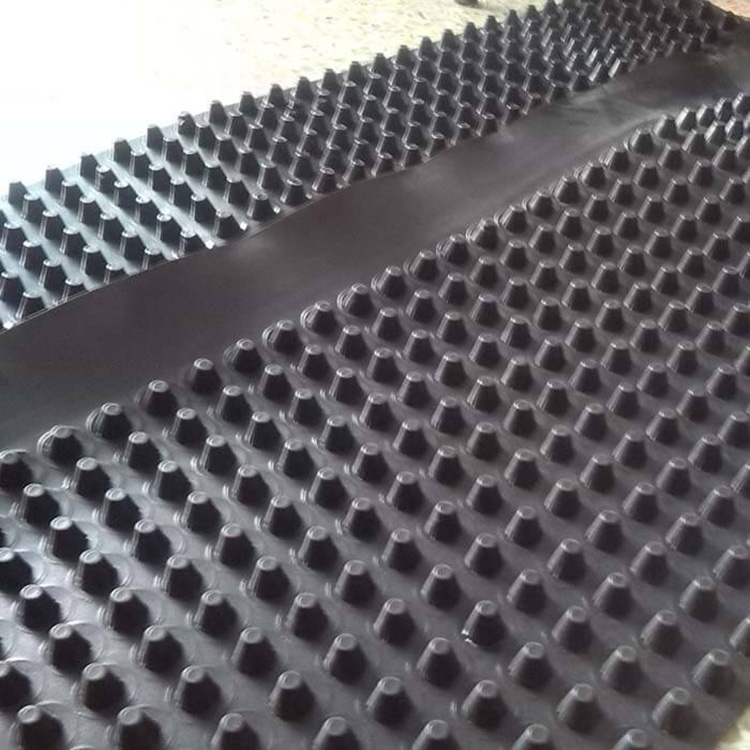 Drainage mat
Negotiable
Drainage mat
Negotiable
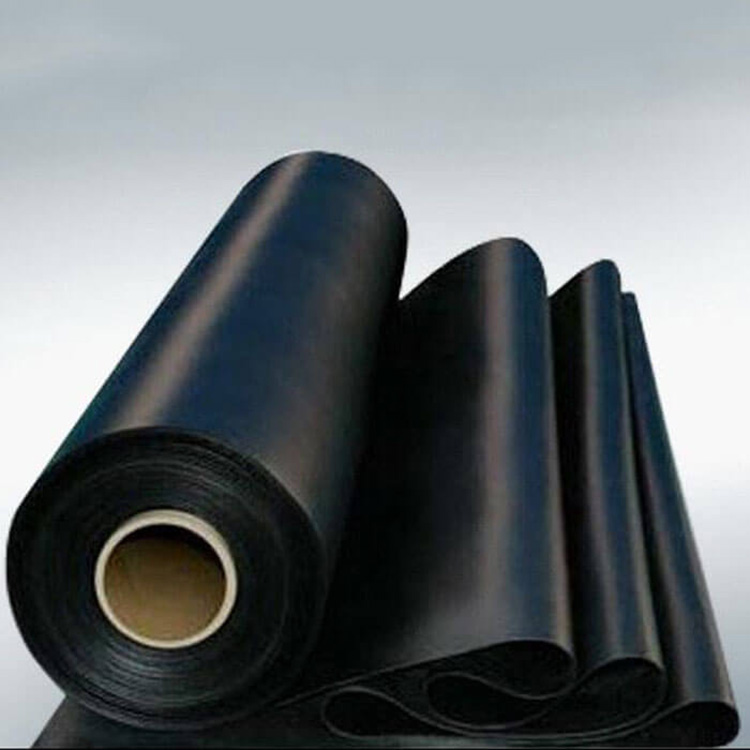 HDPE Waterproof Membrane
Negotiable
HDPE Waterproof Membrane
Negotiable
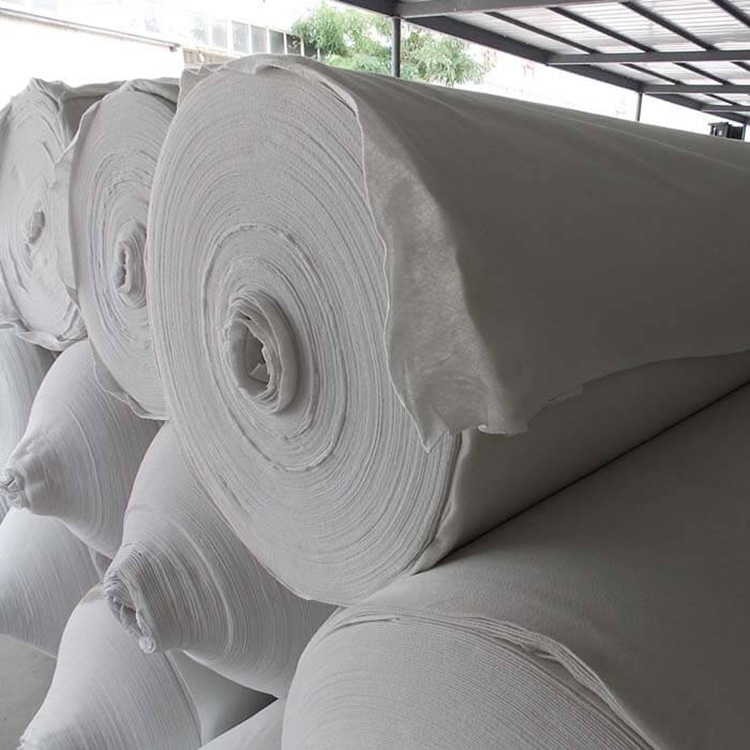 Geotextile
Negotiable
Geotextile
Negotiable
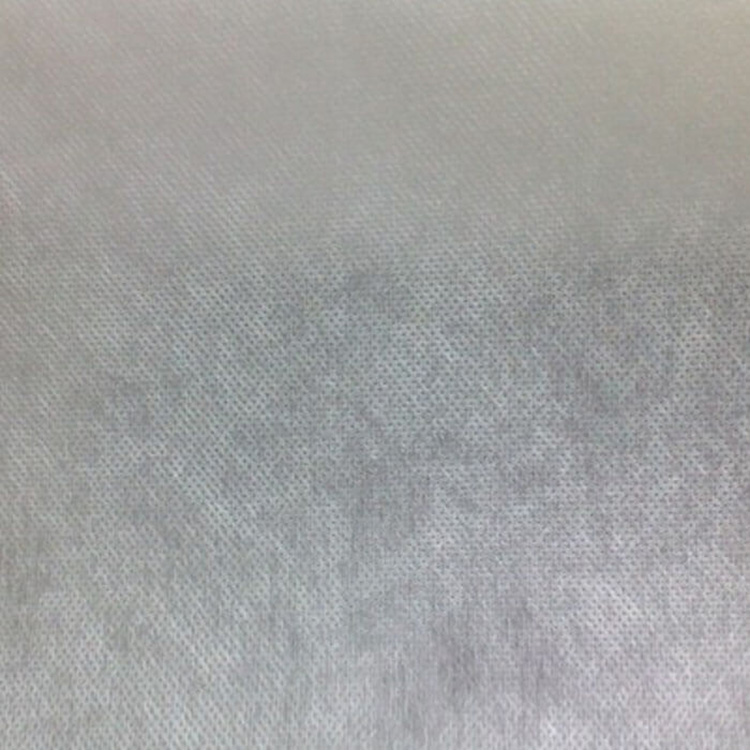
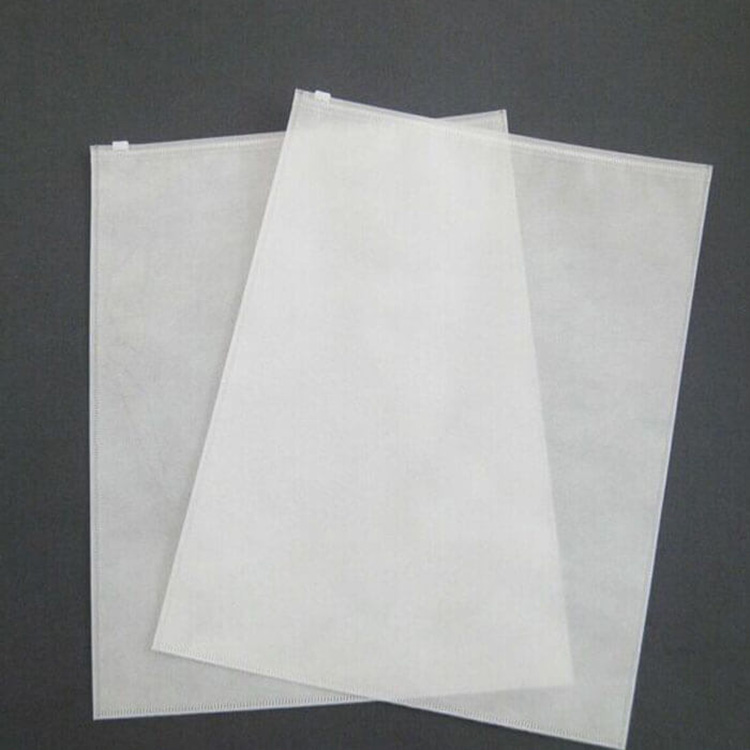
Non-woven fabric, also known as non-woven, needle-punched cotton, needle-punched non-woven, etc., is produced using polyester fiber, polyester (PET), and is made through the needle-punching process. It can be manufactured in various thicknesses, textures, and hardness levels. Nonwoven fabric features include moisture-proof, breathable, flexible, lightweight, flame-retardant, odorless and tasteless, low-cost, and recyclable. It is suitable for various industries such as soundproofing, insulation, heating pads, masks, clothing, and filling materials. Advantages: 1. Lightweight: Made primarily from polypropylene resin, with a density of only 0.9, it's three-fifths the weight of cotton, offering fluffiness and a good texture. 2. Soft: Made of fine fibers (2-3D) with a light dot-shaped hot melt bonding process. The finished product has a moderate softness and a comfortable feel. 3. Water-Repellent & Breathable: Polypropylene pellets are non-absorbent with zero moisture content, resulting in excellent water-repellency in the finished product. Composed of fibers with porosity, it boasts good breathability, keeping the fabric surface dry and easy to wash. 4. Can purify air, utilizing the advantage of small pores to keep bacteria and viruses out. 5. Non-toxic, Non-irritating: Made with FDA-grade materials, the product contains no other chemical components, ensuring stable performance, non-toxicity, no odor, and non-irritating to the skin. 6. Antimicrobial and Chemical Resistant: Polypropylene is a chemically inert material, non-ferrous, and can isolate bacteria and insects present in liquids from侵蚀; antimicrobial, alkali corrosion-resistant, and the finished product is not affected in strength by erosion. 7. Antimicrobial properties. The product is water-repellent, mold-free, and can isolate the侵蚀 of bacteria and insects present in liquid, preventing decay and infestation. 8. Excellent physical properties. Made by directly laying polypropylene filaments to form a mesh and then heat bonded, the product has better strength than general short fiber products, with no directional strength and similar longitudinal and transverse strengths. 9. In terms of environmental protection, the majority of non-woven fabric is made from polypropylene, while plastic bags are made from polyethylene. Although the names are similar, the chemical structures are vastly different. Polyethylene has a highly stable chemical molecular structure, making it extremely difficult to degrade, hence plastic bags take 300 years to fully decompose. In contrast, polypropylene's chemical structure is not as robust, and its molecular chains can easily break, allowing for effective degradation and entering the next environmental cycle in a non-toxic form. A non-woven shopping bag can decompose completely within 90 days. Moreover, non-woven shopping bags can be reused over 10 times, and their environmental pollution upon disposal is only 10% of that of plastic bags. Disadvantages: Compared to woven fabric, it has lower strength and durability. 2. Cannot be washed like other fabrics. 3. The fibers are arranged in a specific direction, making them prone to cracking at right angles. Therefore, the improvement in production methods primarily focuses on enhancing resistance to splitting. Nonwoven fabric should be handled and stored with the following points in mind: Keep clean and change frequently to prevent pests from breeding. 2. When storing for seasonal changes, items should be washed, ironed, dried, and then sealed in a plastic bag before being placed flat in the closet. Be mindful to shield from light to prevent fading. Regularly ventilate and dust to remove moisture; avoid direct sunlight. Place anti-mold and anti-pest strips in the closet to prevent the cashmere products from getting damp, moldy, or infested with pests. 3. When worn indoors, the lining of the outer garment should be smooth, and avoid placing hard items inside the pockets such as pens, keychains, and cell phones to prevent localized friction and pilling. When worn outdoors, minimize contact with hard surfaces (like sofa cushions, armrests, and tables) and hooks. Avoid extended wear; take a break or switch garments after about 5 days to allow the fabric to recover its elasticity and prevent fiber fatigue and damage. 4. If there are balling, do not pull them forcibly. Use scissors to cut off the fluff balls to avoid causing them to unravel and become irreparable.



Phone Consultation