
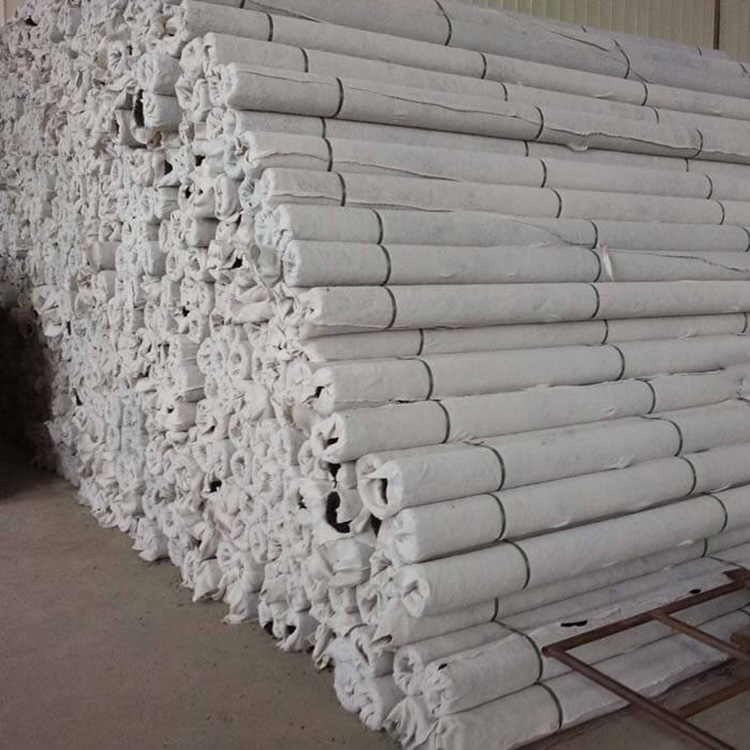
 Trench Drain Production Line
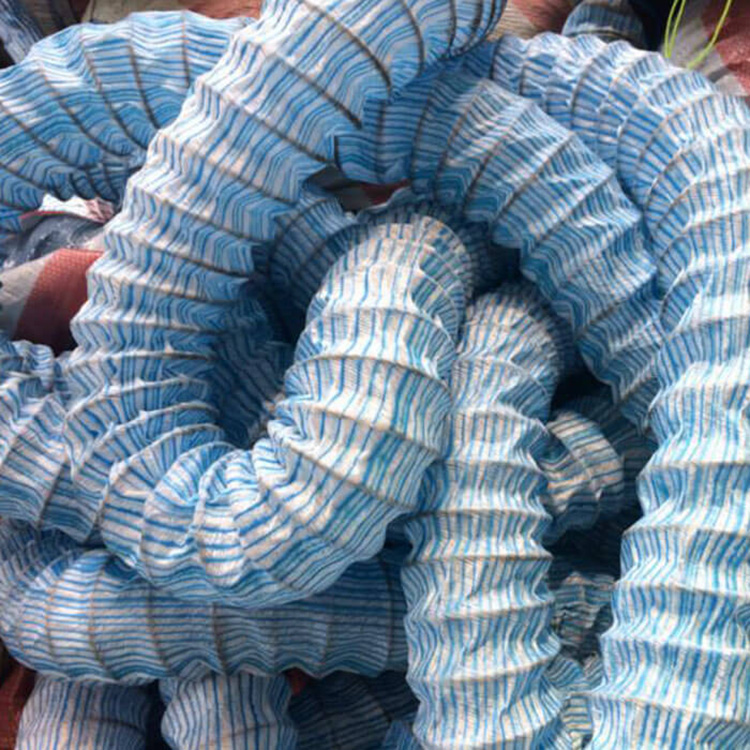 Flexible Perforated Pipe
 Plastic Welded Grating
 3D Composite Drainage Board
Product Details







产品Price Negotiable
最小起订Quantity:1 square meters 供货总Quantity: 20000 square meters


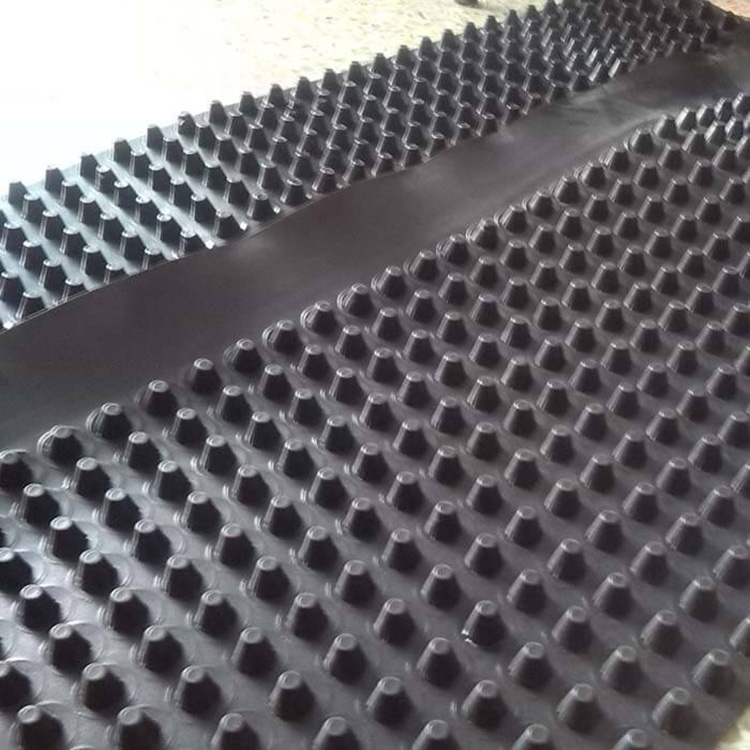 Drainage mat
Negotiable
Drainage mat
Negotiable
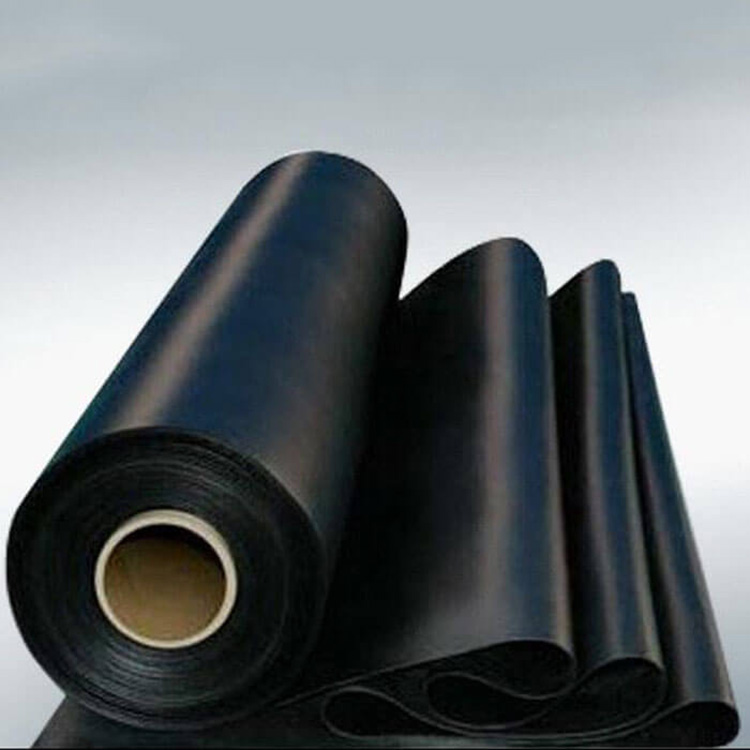 HDPE Waterproof Membrane
Negotiable
HDPE Waterproof Membrane
Negotiable
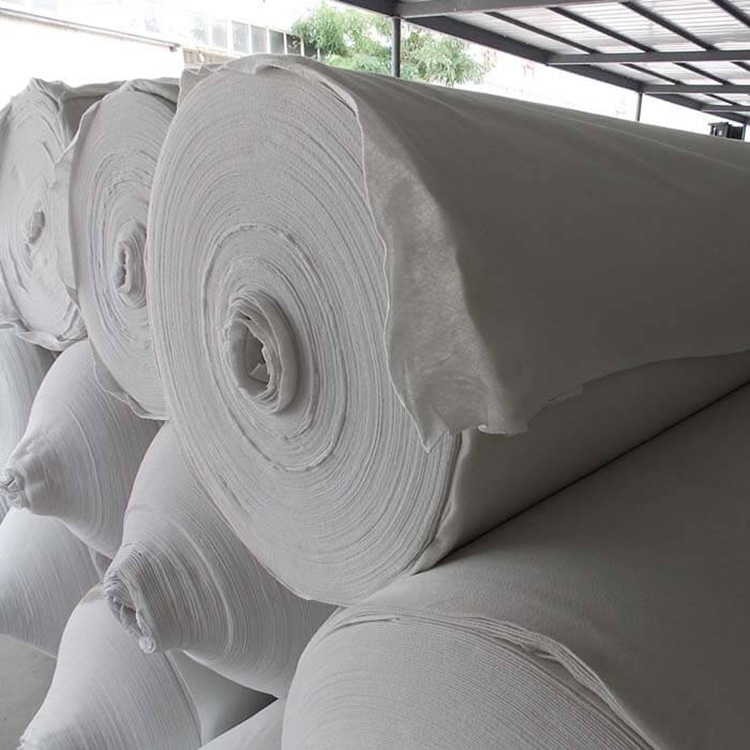 Geotextile
Negotiable
Geotextile
Negotiable
The plastic blind drain is composed of a plastic core wrapped with a filter fabric assembly. The plastic core is primarily made of thermoplastic synthetic resin, which is modified and then extruded into fine plastic filaments in a molten state through a nozzle. These filaments are then fused together at nodes by a molding device, forming a three-dimensional mesh structure. The plastic core comes in various forms, including rectangular, hollow matrix, circular hollow, and more. This material overcomes the shortcomings of traditional blind drains, featuring high surface pore rate, good water collection, large void ratio, excellent drainage, strong compressive resistance, good pressure resistance, flexibility, adaptability to soil deformation, durability, light weight, ease of construction, and significantly reduced labor intensity for workers. Consequently, it is widely welcomed by engineering departments and has been extensively applied. Features: 1. The composition fiber of plastic blind channels is approximately 2mm filament, which is fused together at mutual junctions to form a three-dimensional network structure. Its principle is similar to that of truss structures in steel construction. The surface has 95-97% open holes, which is more than five times that of a hollow tube and three to four times that of a resin grid tube, with a high surface water absorption rate. 2. Due to its three-dimensional structure, the void ratio is 80-95%, which makes it space-efficient and lightweight for management. Its compressive strength is over 10 times stronger than that of tube structures. Even under overloading, the residual voids are still over 50%, eliminating issues with water flow. There's no need to consider damage from soil pressure. 3. High compressive strength; under a pressure of 250 KPa, its compression rate is less than 10%. 4. Enhanced with anti-aging agents, it is durable and long-lasting. Even when placed underwater or in soil for decades, it ensures stability. 5. High compression and flexibility, suitable for curves and bends; extremely lightweight. If the backfill depth is around 10cm, it can also be filled with a bulldozer. 6. Due to the above features, issues commonly encountered with traditional blind gutters, such as uneven settlement or partial blockage caused by overloading, and the complete loss of voids leading to functional failure, can be resolved by using plastic blind gutter materials. 7. Being formed through hot melting without the use of adhesives, there is no risk of failure due to adhesive aging or delamination. Application Scope: 1) Reinforcement and drainage for highway and railway subgrades and shoulders. 2) Tunnel, subway underground passages, and underground warehouse drainage. 3) Soil and water conservation for slope and embankment development. 4) Various retaining wall vertical and horizontal drainage 5) Slip-resistant ground drainage 6) Power plant ash pond drainage. Landfill project drainage. 7) Drainage for sports facilities, including golf courses, baseball fields, soccer fields, parks, and recreational green spaces. 8) Roof garden and flower bed drainage 9) Construction foundation drainage work 10) Agricultural and horticultural underground irrigation and drainage systems 11) Drainage systems for low-lying and damp areas. The drainage materials used in land preparation projects, internationally known as Geocomposite Drainage Systems (GDS), are also referred to as three-dimensional drainage boards and drainage channel materials for civil engineering. These are three-dimensional porous materials formed by melting thermoplastic synthetic resins, extruding fiber filaments through nozzles, and fusing their junction points together.

Phone Consultation