
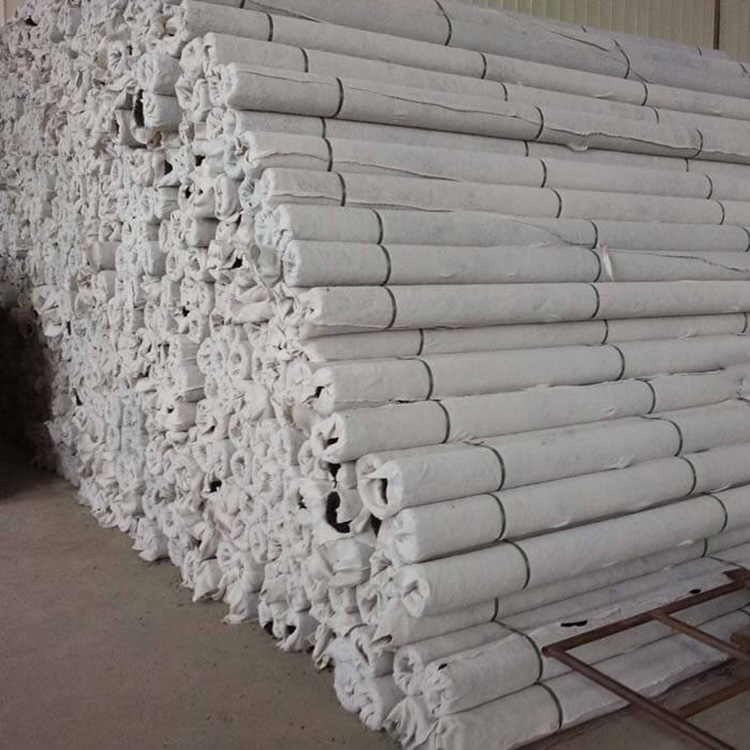
 Trench Drain Production Line
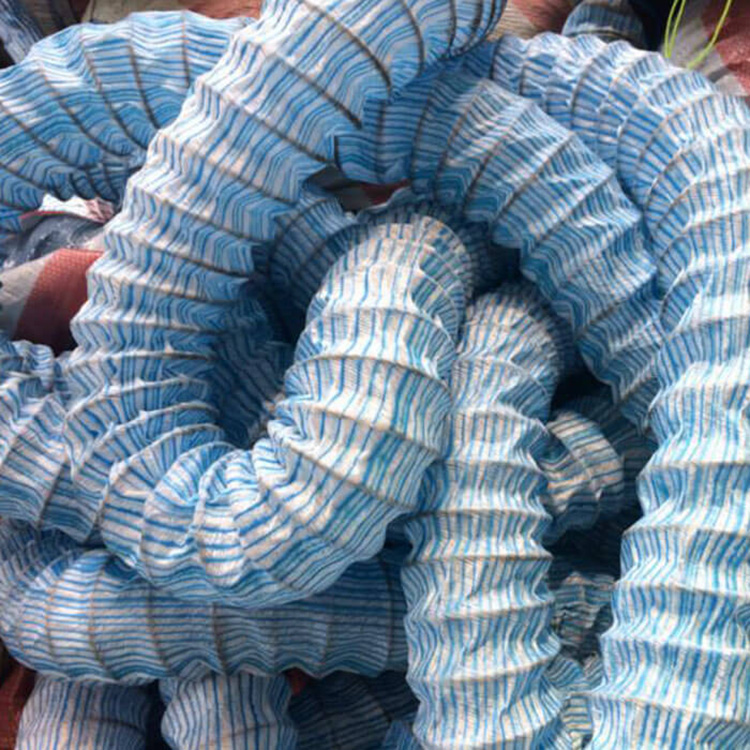 Flexible Perforated Pipe
 Plastic Welded Grating
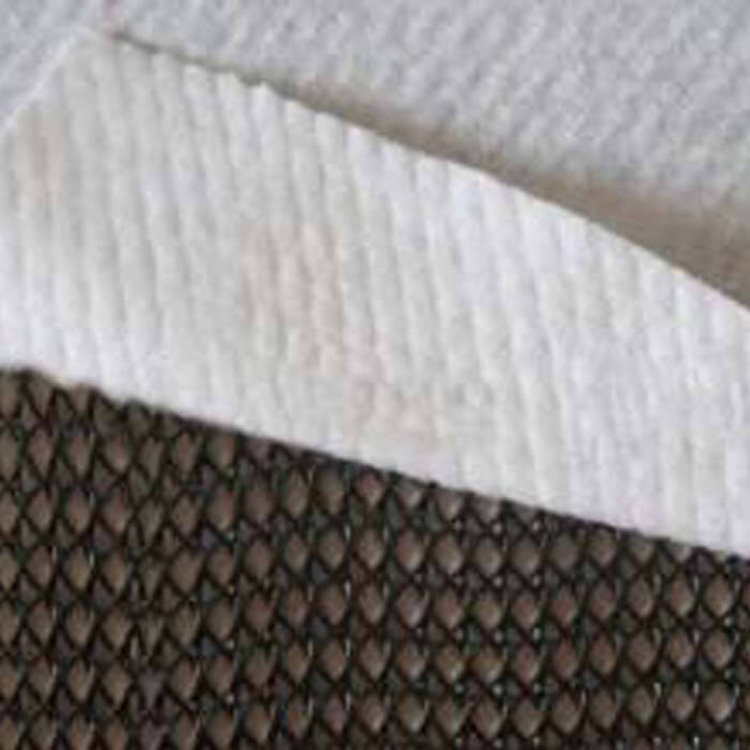 3D Composite Drainage Board
Product Details




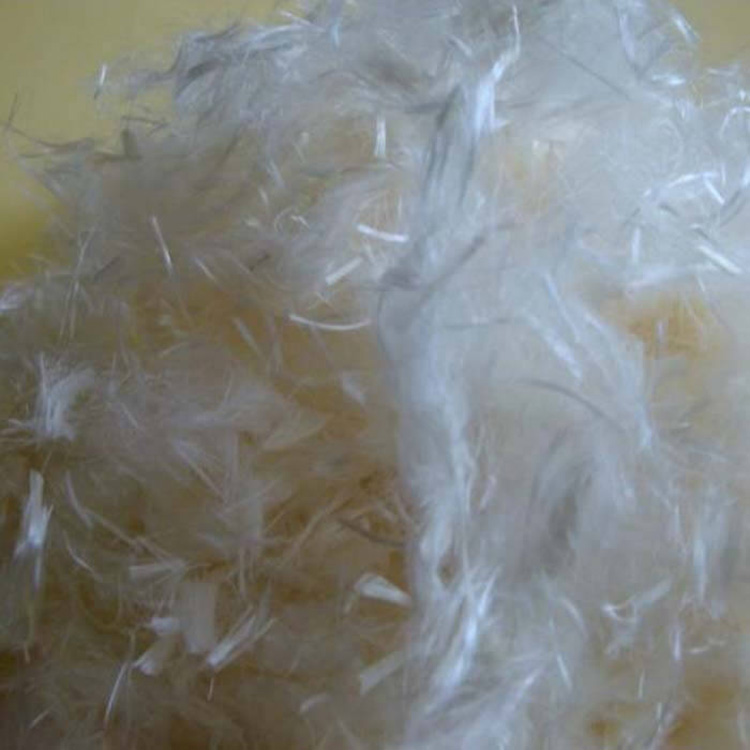
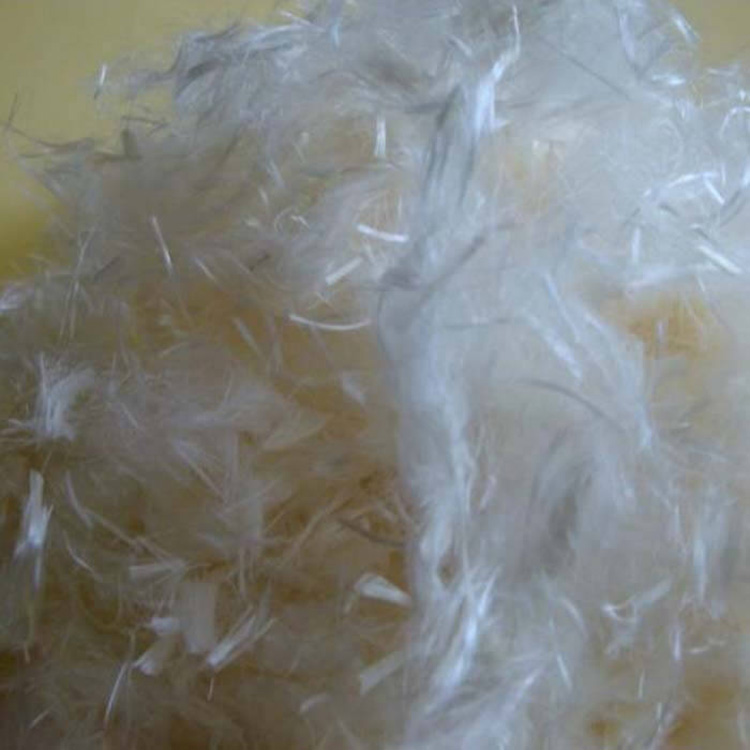

产品Price Negotiable
最小起订Quantity:1 cubic meters 供货总Quantity: 10000 cubic meters


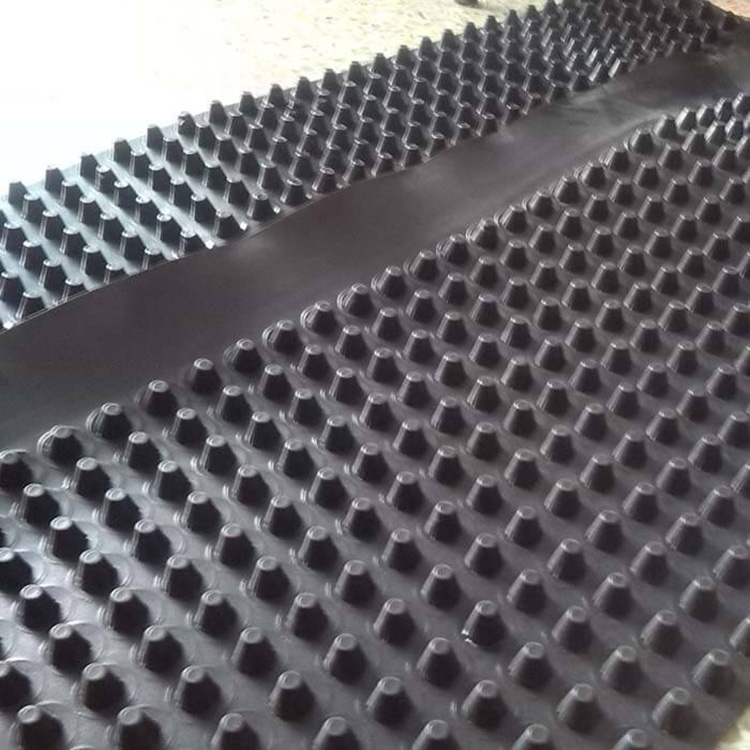 Drainage mat
Negotiable
Drainage mat
Negotiable
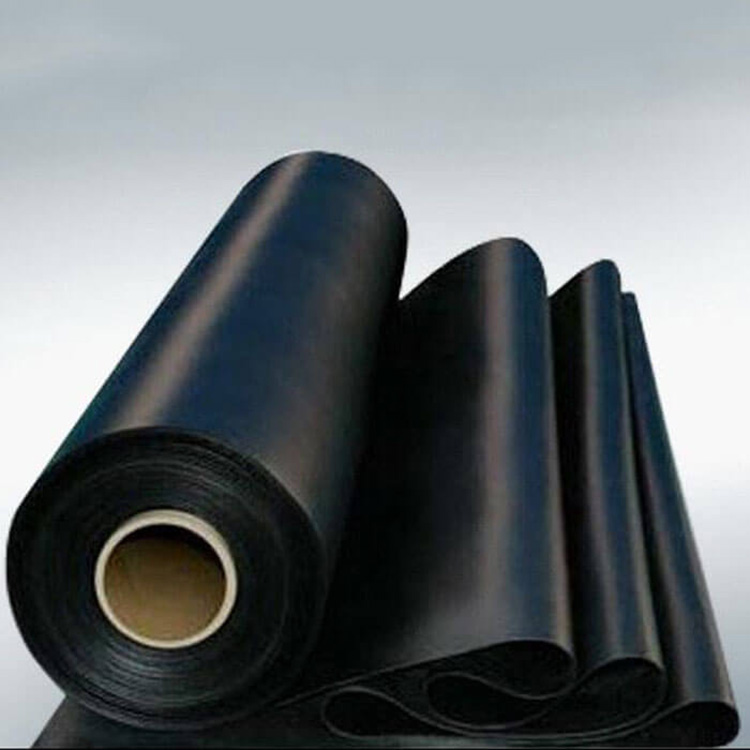 HDPE Waterproof Membrane
Negotiable
HDPE Waterproof Membrane
Negotiable
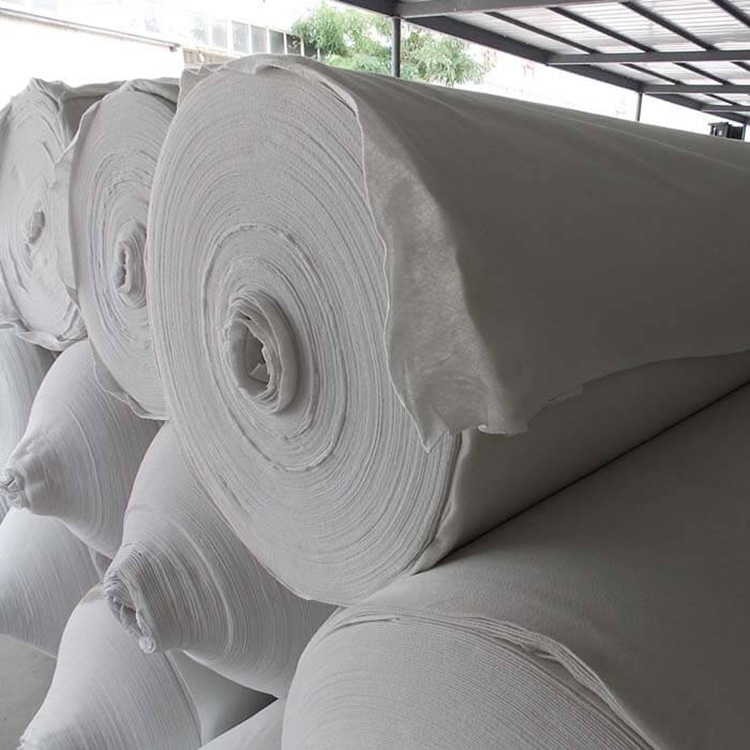 Geotextile
Negotiable
Geotextile
Negotiable
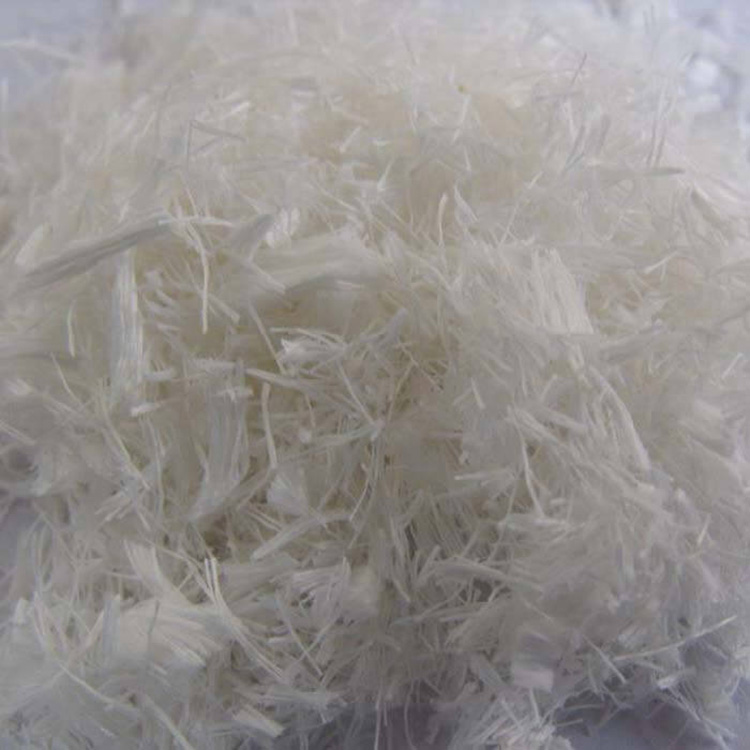
Polypropylene fibers can be divided into long fibers, short fibers, spunbonded nonwovens, meltblown nonwovens, and so on. Polypropylene long fibers can be divided into normal long fibers and fine denier long fibers (single fiber denier ≤ 2.2 dtex, suitable for producing garments, decorations, and some industrial long fiber products. Polypropylene fine denier long fibers have good luster, soft hand feel, good drapability, and low density, making them ideal for the knitting industry. When blended with cotton, viscose, silk, spandex, etc., to create products like cotton-over-PP and silk-over-PP, they are perfect materials for making sportswear, T-shirts, and more. The production process of polypropylene short fibers mainly employs porous, low-speed, continuous processes, known as the short spinning process. Polypropylene short fibers can be blended with cotton to create fine cotton fabrics, bed linens, and blankets. Blending fibers with粘胶 can produce blankets, pure and blended polypropylene yarns, polypropylene blankets, carpets, and cigarette filters. The fiber thickness for hygiene products ranges from 1.5 to 2.5 dtex, while for ground fabrics, it is 5 to 10 dtex. The fiber length varies from 1.5 to 200.0 mm, depending on the application. Short fibers for concrete typically range from 1.5 to 200.0 mm, those for diapers are usually 40.0 mm, and for ground fabrics, 60.0 mm. Spunbond nonwoven fabric, also known as monofilament nonwoven, is made by melting polypropylene material, followed by extrusion spinning, stretching, laying, and bonding. It features short process, low cost, high productivity, good product performance, and wide application. Polypropylene nonwoven is widely used in various fields of production and daily life (such as disposable hygiene products, single-use protective clothing, agricultural fabrics, furniture fabrics, and shoe lining, etc.). The fibers produced by meltblown nonwoven technology are extremely fine (down to 0.25μm). Meltblown fabrics have a large specific surface area, small pores, and high porosity, thus their application properties such as filtration, shielding, and oil absorbency are difficult to achieve with nonwovens produced by other single processes. Meltblown nonwovens are widely used in healthcare, thermal insulation materials, and filtration materials, among other fields. Features: (1) Lightweight Polypropylene fiber has a density of 0.90-0.92 g/cm³, making it the lightest among all chemical fibers. It is 20% lighter than nylon, 30% lighter than polyester, and 40% lighter than rayon fiber. Therefore, it is highly suitable for filling materials in winter clothing, as well as for fabrics in ski and mountaineering gear. High strength, good elasticity, wear-resistant, corrosion-resistant High in strength (both in dry and wet states), polypropylene is an ideal material for making fishing nets and ropes; it has good wear resistance and elasticity, with strength comparable to polyester and nylon, and its recovery rate can match nylon and wool, far exceeding polyester and粘胶纤维. Polypropylene has poor size stability, is prone to pilling and deformation, is antimicrobial, and is not susceptible to moth damage; it also has superior chemical resistance compared to general fibers. (3) Electrically insulated and thermal retaining Polypropylene fibers have a high resistivity (7×10^19 Ω.cm), low thermal conductivity. Compared to other chemical fibers, polypropylene offers better electrical insulation and thermal insulation properties, but is prone to static electricity during processing. (4) Poor heat and aging resistance Polypropylene fibers have a low melting point (165~173℃) and poor stability to light and heat, hence, they have poor heat resistance and aging resistance and are not suitable for ironing. However, their anti-aging performance can be improved by adding anti-aging agents during the spinning process. (5) Poor moisture absorption and dyeing properties Polypropylene fibers have poor hygroscopicity and dyeability among chemical fibers, absorbing almost no moisture with a moisture regain rate less than 0.03%. Fine denier polypropylene has strong core wicking action, allowing moisture vapor to be expelled through capillary tubes within the fibers. When made into clothing, it offers good comfort, especially ultra-fine polypropylene fibers, which, due to their increased surface area, can transfer sweat more quickly, keeping the skin comfortable. As the fibers do not absorb moisture and have low shrinkage, polypropylene fabrics are easy to wash and dry quickly. Polypropylene has poor dyeability, with light colors and poor color fastness. Ordinary fuels cannot dye it, and colored polypropylene is mostly produced by pre-dyeing during spinning. Dyeing in the liquid phase, fiber modification, and blending fuel ligands before melt spinning can be adopted.

Phone Consultation