
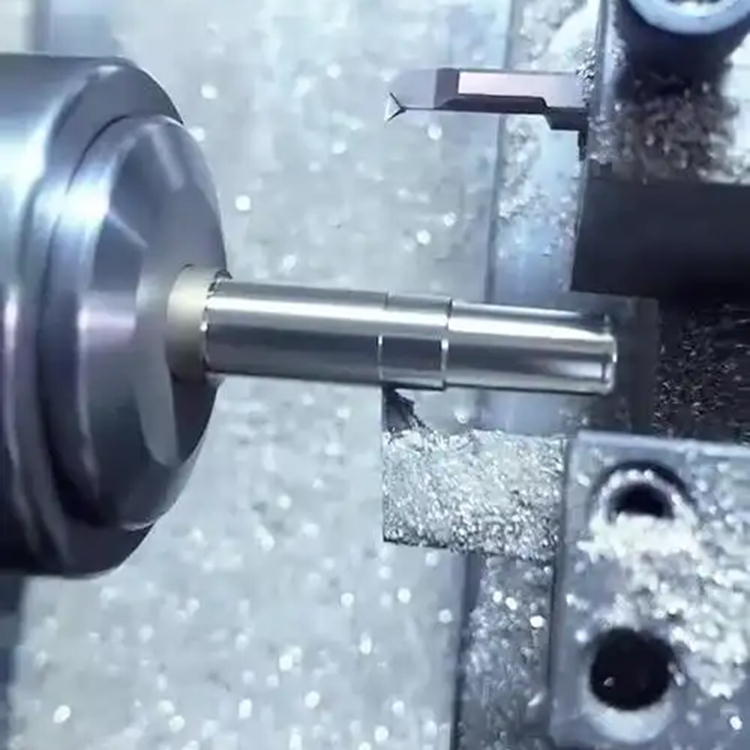
 CNC lathe external processing
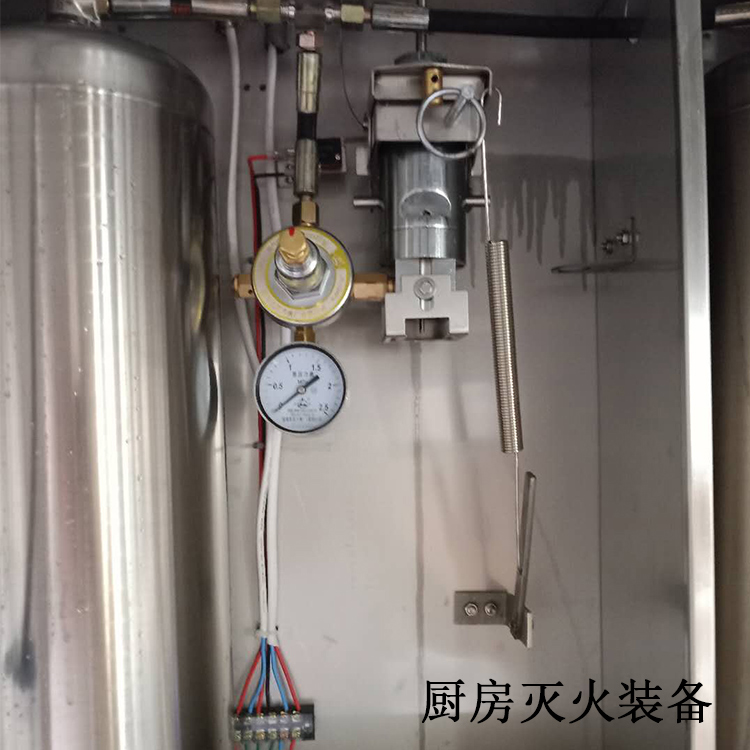 Kitchen Fire Extinguishing Equipment Manufacturer
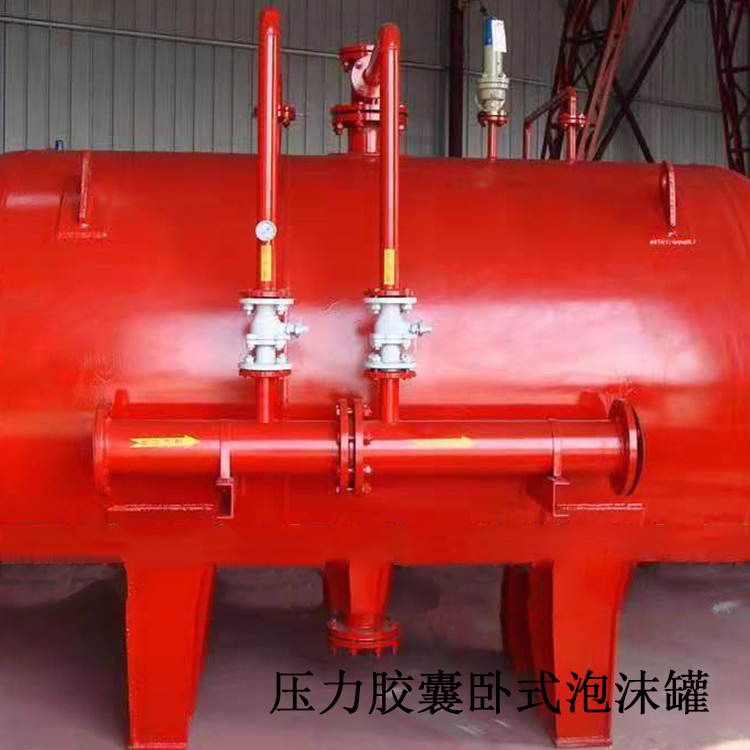 Foam Fire Extinguisher
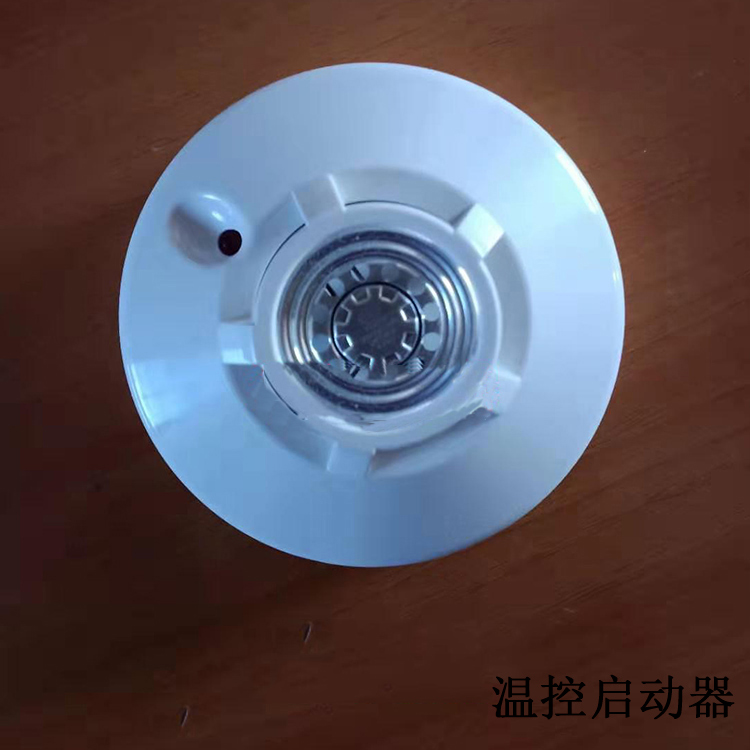 Temperature Control Starter
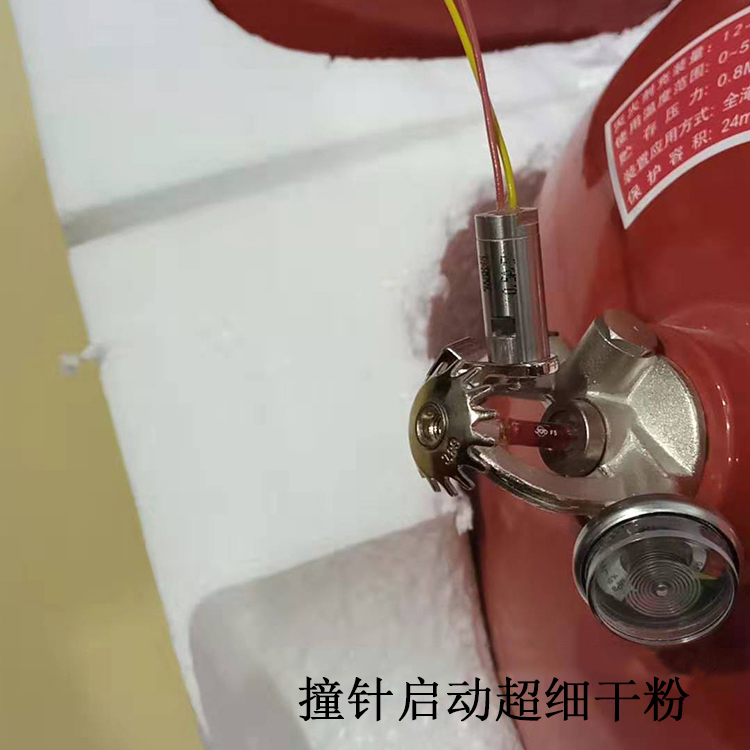 Direct Supply of Stored Pressure Fine Dry Powder
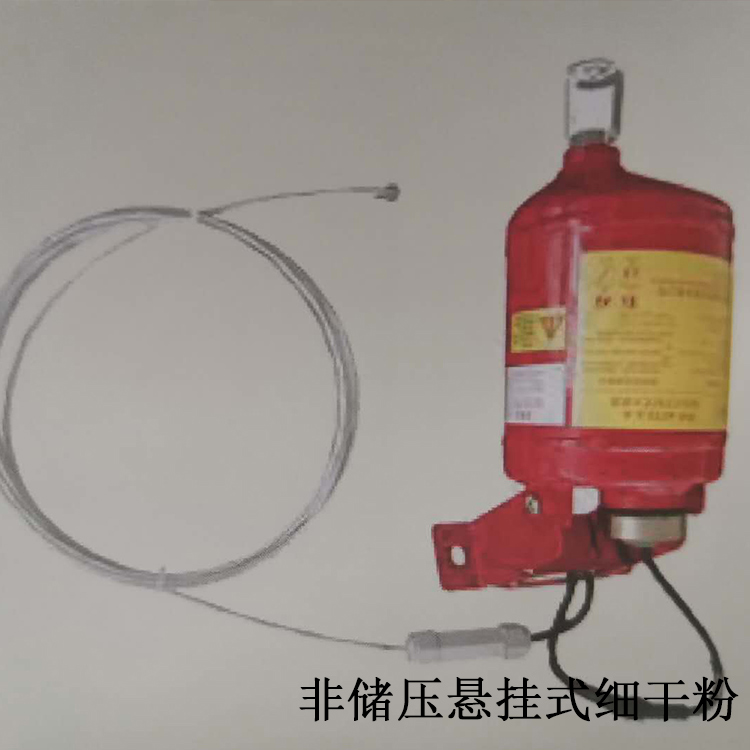 Non-pressurized dry powder
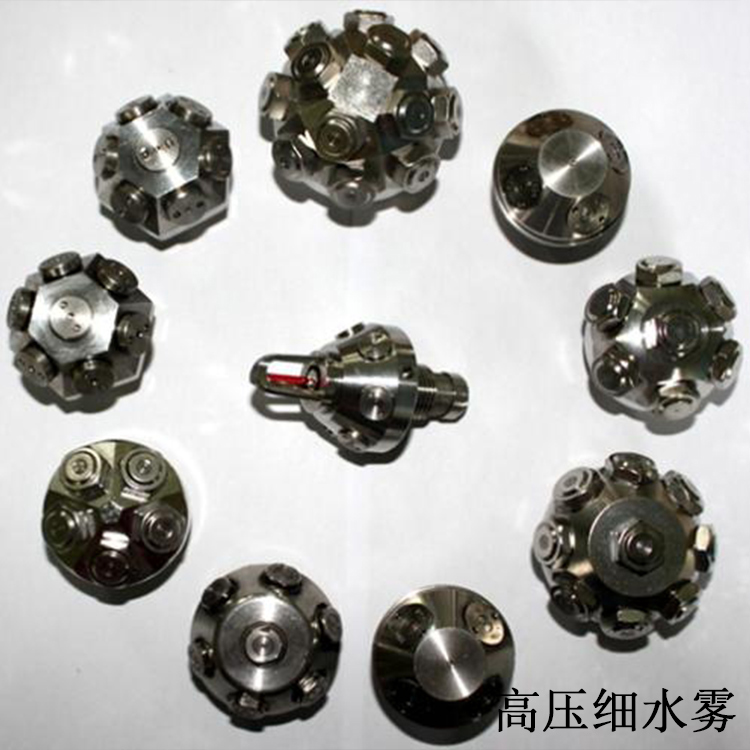 High-pressure fine mist
Product Details

Firefighting equipment, electronic products, refrigeration equipment, environ...
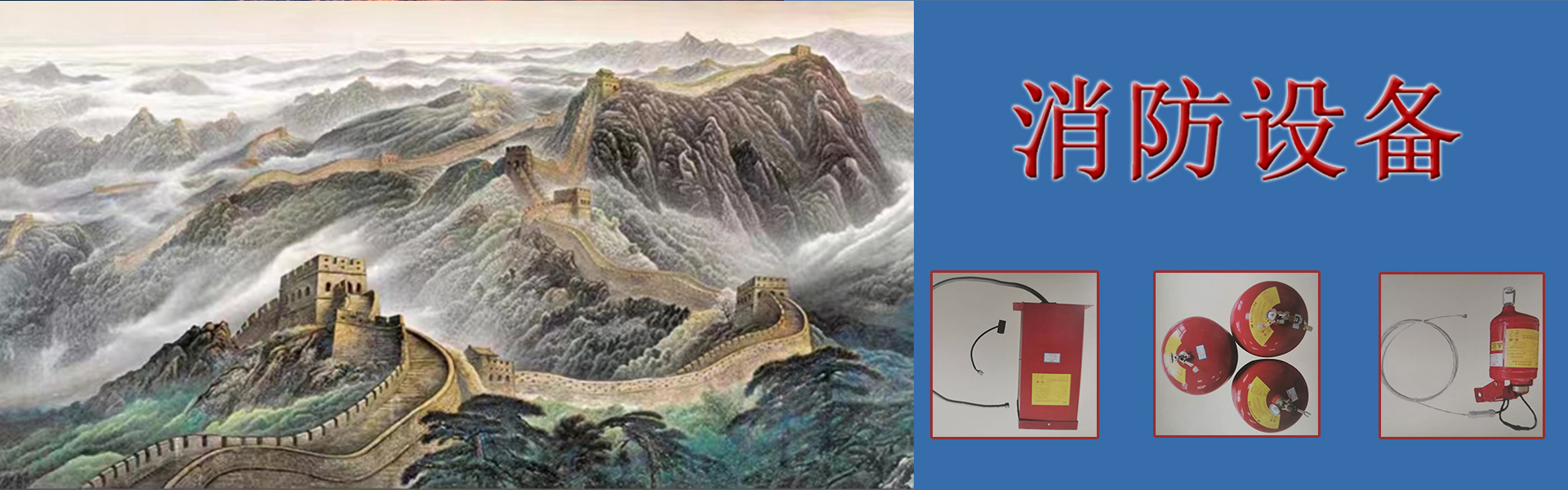

产品Price Negotiable
最小起订Quantity:1 Piece 供货总Quantity: 10000 Piece


Is import required? |
|
Usage |
Fire Extinguisher |
Is this cross-border sourcing? |
No |
Customized Processing |
Not supported |
Eligible for Sale |
National |
Specs |
Comprehensive |
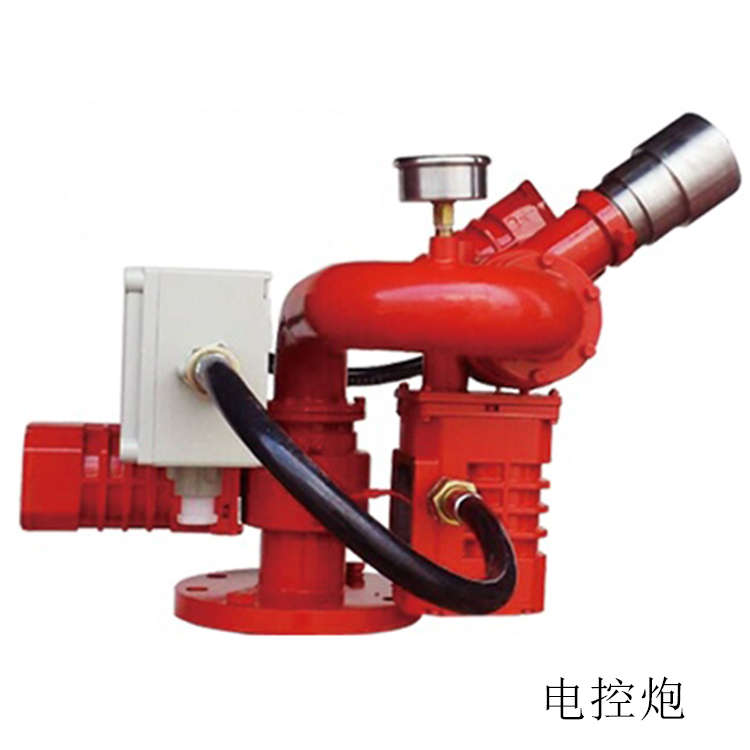
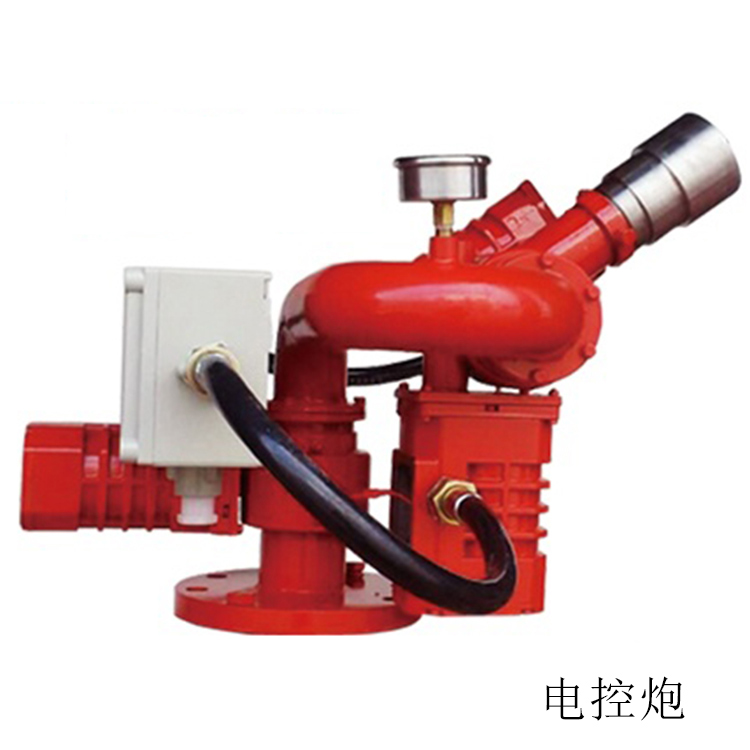
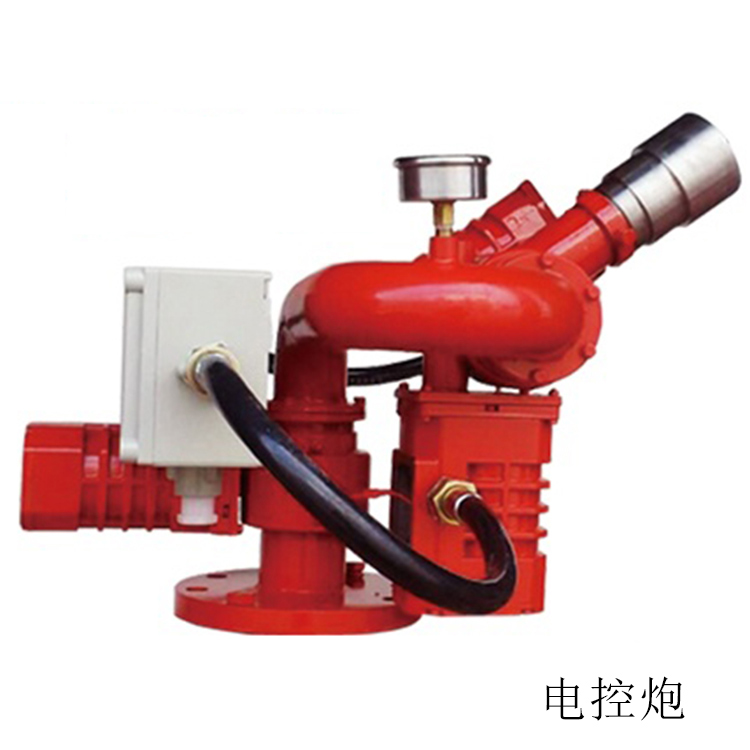
Water Cannon Network Promotion Article The Automatic Tracking and定位 Spray Fire Extinguishing Device is a high-tech fire protection product developed based on the technological innovation alliance of the second-generation fire cannon, integrating automatic alarm, fire tracking, automatic extinguishing, and video surveillance into one. 2. The automatic tracking and localization jet fire suppression system is the first to use patented infrared thermal imaging localization technology. In addition to the common active red and ultraviolet single-point narrow slit detection technology widely used in the industry, it automatically locates the fire source, implements targeted water喷射 to extinguish the fire at the ignition point, automatically closes the valve after extinguishing, and restarts if reignition occurs. It also features real-time dynamic tracking of changing fire sources, providing more accurate localization. 3. The automatic tracking and positioning jet fire suppression system, in addition to being suitable for general fire monitor applications, can also be used in environments where fire hoses are not typically used, such as those with UV lights, welding, or outdoor cutting areas. It is also ideal for locations that demand high accuracy in positioning and system reliability, requiring continuous, fully automated operation around the clock. 4. The automatic tracking and positioning jet fire extinguishing device is easy to install, with simple water and power supply, low maintenance costs, saves water resources, greatly reduces the risk of flood after extinguishing, and offers high cost-performance. It is widely used in high and large spaces such as cinemas, warehouses, factories, gymnasiums, grand halls, airport lounges, exhibition centers, hotels, and parking lots. 5. Automatic tracking and positioning jet fire suppression systems are not suitable for environments where open flame production is normally used. 6. Automatic tracking and positioning jet fire suppression systems are not suitable for use in fire scenarios classified as Classes B, C, or D fires. 7. Automatic tracking and positioning jet fire suppression systems are not suitable for areas containing a large number of items that burn faster when wet. 8. Automatic tracking and positioning jet fire suppression systems are not suitable for locations where explosion occurs upon contact with water. 9. Automatic tracking and positioning jet fire suppression systems are not suitable for locations where there are numerous items that undergo severe chemical reactions or produce toxic substances when in contact with water. 10. Automatic tracking and positioning jet fire suppression devices are not suitable for locations where liquid splashing or boiling over may occur due to sprinkling. 11. Automatic tracking and定位 jet fire suppression systems are not suitable for locations housing valuable items that would sustain severe damage upon contact with water, such as archive libraries, valuable document repositories, museum treasure rooms, and the like. 12. Automatic tracking and positioning jet fire extinguishing devices are not suitable for locations where significant property damage is caused by the impact of high-altitude water cannon water columns. 13. Automatic tracking and positioning jet fire extinguishing devices are not suitable for other locations where large-space active water sprinkler fire extinguishing systems are not advisable. 14. The Automatic Tracking and Locating Jet Fire Extinguishing Device is an integrated automated fire extinguishing system that combines computer technology, red and ultraviolet sensing technology, infrared thermal imaging technology, mechanical transmission technology, and image transmission technology. It actively detects the monitored area around the clock in an all-weather, fully automatic manner. 15. The automatic tracking and positioning jet fire extinguishing device, upon detecting a fire, promptly activates and simultaneously sends an alarm signal. It engages the solenoid valve and pump to spray water at the fire source for extinguishing. Once the fire is extinguished, it automatically shuts off. If the fire reignites, it restarts. 16. The automatic tracking and positioning jet fire extinguishing device can be connected to the automatic fire alarm system and can also be integrated with on-site operation panels, fire monitor controllers, etc., to form a centralized fire extinguishing system. 17. The automatic tracking and positioning jet fire extinguishing device is easy to install, with simple water and power supply, low maintenance costs, saves water resources, and greatly reduces the risk of flood damage after extinguishing. 18. The automatic tracking and positioning jet fire extinguishing device utilizes the technology principle of air-to-air missile tracking guidance. Its core components employ infrared thermal imaging sensors and array scanning positioning principles. In addition to being suitable for general civil venues, it can also be used in complex industrial warehouse environments, certain outdoor settings, or locations with high reliability requirements for the system. 19. The automatic tracking and positioning jet fire suppression device abandons the narrow slit technology and employs the same principle as the real-time tracking of the leading aircraft's tail flame by heat imaging guidance of air-to-air missiles. The core technology utilizes a non-cooled focal plane array heat imaging sensor with real-time temperature measurement capabilities. The core positioning technology is a combination of heat imaging sensor + inertial navigation = real-time tracking technology. 20. The automatic tracking and positioning jet fire suppression system utilizes a surface thermal imaging array sensor for scanning during fire detection. Each pixel's temperature is calculated in real-time. Once detected, it locks onto the fire source immediately and tracks it dynamically. After intelligent analysis of the fire source, it aims and sprays water, offering safety, reliability, and convenience. 21. The core positioning component of the automatic tracking and positioning jet fire extinguishing device uses a non-cooled focal plane array thermal imaging sensor. 22. The automatic tracking and positioning jet fire suppression system, in addition to the spot-type wide-angle UV flame detector, also features thermal imaging sensor temperature activation, ensuring no false alarms. 23. Automatic Tracking and Locating Jet Fire Extinguishing Device with Thermal Imaging + Inertial Navigation System = Real-time Tracking; upon detection, immediately lock and track the dynamic fire source in real-time. 24. Auto-tracking jet fire suppression device with laser red dot aiming head, point and shoot, human-machine integration for enhanced reliability. 25. The main unit of the automatic tracking and positioning jet fire suppression system is equipped with a remote rod for real-time stepless speed control of the water cannon. Aim where you point, and it can also be used as a quick ball for video surveillance during normal times. 26. The automatic tracking and positioning jet fire extinguishing device features full-sealed moving parts, dust-proof, and is designed for long-term automatic standby to protect the safety of the site. 27. The automatic tracking and positioning jet fire suppression device can be individually set to the automatic or manual status of four modes: water cannon, valve, pump, and laser, for easy management. 28. The automatic tracking and positioning jet fire suppression unit's main body can set a weekly schedule for each cannon, automatically timing and switching between manual and automatic water cannon functions. 29. The main unit of the automatic tracking and positioning jet fire extinguishing device not only allows for the operation of water cannons and the viewing and adjustment of water cannon parameters, but also supports remote programming for convenient maintenance and service. 30. The core positioning component of the automatic tracking and positioning jet fire suppression device utilizes non-cooled focal plane infrared thermal imaging technology for image scanning. Once locked on, it tracks the dynamic fire source in real-time. 31. The automatic tracking and positioning jet fire suppression system integrates three control methods: fire automatic alarm, on-site manual control, and centralized control from the central control room. 32. The Automatic Tracking and Locating Jet Fire Extinguishing Device Water Cannon Controller features a Chinese character LCD color touch screen and an integrated printer for real-time alarm printing. 33. The automatic tracking and positioning jet fire suppression device comes with a four-axis remote rod for easy remote control of the water cannon's up, down, left, and right movements. 34. The automatic tracking and positioning jet fire suppression system features a timed conversion function. Multiple time periods can be set for each fire suppression unit, with the system automatically switching the water cannon between manual and automatic modes at the scheduled times. 35. The automatic tracking and positioning jet fire suppression system features automatic interlock functionality, allowing for automatic interlock between water cannons within the protected area—a single alarm activates the entire system. 36. The automatic tracking and positioning jet fire extinguishing device can be individually set to the automatic or manual status of the water cannon, valve, pump, and sound-and-light modes for convenient management. 37. The automatic tracking and positioning jet fire suppression system features a control panel installed at each zone's exit inner side, allowing observation of all fire hoses within the zone. The panel controls all sprinkler fire suppression settings within the area, displaying nozzle selection, communication, audible and visual alarms, device fault indication, and mute status via a Chinese character LCD. Functions such as up, down, left, and right directional controls, valve and pump on/off operations are performed through buttons. The control panel should be mounted at a height of 1.5 meters from the ground, with no obvious obstructions around it. 38. The water cannon controller for the automatic tracking and positioning jet fire suppression system allows for remote viewing and adjustment of all parameters, as well as remote updating of the water cannon's software. 39. The operating parts of an automatic tracking and positioning jet fire suppression device should be fully sealed, with no gears visible at the openings to prevent dust from entering and affecting its long-term stable operation. 40. The fire extinguishing components of an automatic tracking and positioning jet fire extinguishing device should be integrated with a laser red dot indicator for easy verification of correct positioning at any time. 41. The Automatic Tracking and Locating Jet Fire Extinguishing Device employs masterless bus communication technology. A single loop supports up to 9999 bus devices, with the first two digits representing the zone number and the last two digits representing the cannon number. 42. The automatic tracking and positioning jet fire extinguishing device features a single outlet, concentrating water flow, offering strong penetration power in fire scenes, is less prone to atomization, and excels in extinguishing early-stage fires. 43. The signal bus for the automatic tracking and positioning jet fire extinguishing device must be a daisy chain structure without any branches. 44. The video cable for the automatic tracking and positioning jet fire suppression device is point-to-point structured. Each water cannon has a separate video cable that is directly pulled to the video host. When the distance exceeds 300 meters, fiber optic transmission should be used, with an optical-electrical repeater added for transmission. 45. The automatic tracking and positioning jet fire suppression system wiring is laid using metal pipes or metal conduit channels. Conductors of different systems and voltages must not be installed in the same pipe or conduit channel. The power supply for the system should use AC220 fire protection power supply, and power should not be taken locally. 46. Each fire compartment in the installation site of an automatic tracking and positioning jet fire extinguishing device should be equipped with at least one on-site operation panel. Connected via CAN bus, the host remotely monitors the fire scene in conjunction with the on-site video monitoring system, enhancing the functionality of联动 decision management. 47. Automatic tracking and positioning jet fire extinguishing nozzles, on-site operation panels, and intelligent end-of-line test devices, each occupy a single bus address point. They are all connected in parallel to the CAN bus without any branching in between. 48. The video line for the automatic tracking and positioning jet fire suppression device uses the same wiring method as the security system, i.e., a video line is laid from the video host to each fire suppression device. The video line should be made of SYV75-5 cable. When the length of the video line exceeds 300 meters, optical fiber transmission should be used for the video signal. 49. To connect the automatic tracking and positioning jet fire suppression device's water cannon to the fire alarm system, simply add an input module to the passive alarm terminal of each water cannon's electrical control box to upload the water cannon's alarm signal to the fire alarm system; adding an input/output module will enable the联动 water cannon activation function with the fire alarm system. 50. The water cannons of the automatic tracking and positioning jet fire extinguishing device can be installed by overhead, suspended, or mounted against the wall, whichever method ensures the nozzle is vertically downward and freely rotatable. A DN50 flange is pre-installed 50cm away from the wall or other obstacles at the end of the water piping network, sealed with a rubber flat washer. Metal washers are strictly prohibited. During installation, temporarily fit two downward bolts on the upper flange, secure the nozzle with two nuts, place the flat washer, then thread the bolts from the bottom into the upper flange holes, tighten the nuts on top, and finally adjust the bolts to face upward and tighten them. 

Phone Consultation