
 CNC lathe external processing
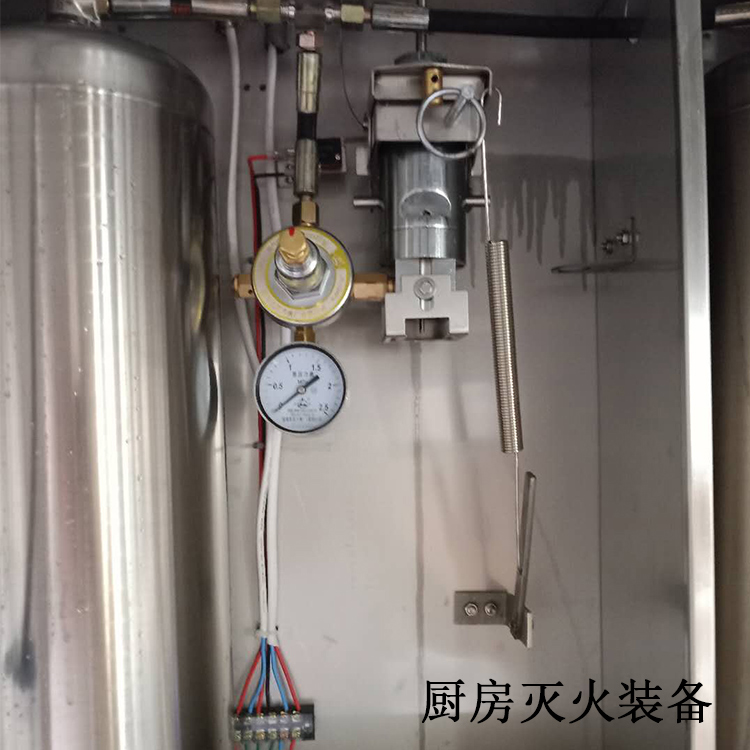 Kitchen Fire Extinguishing Equipment Manufacturer
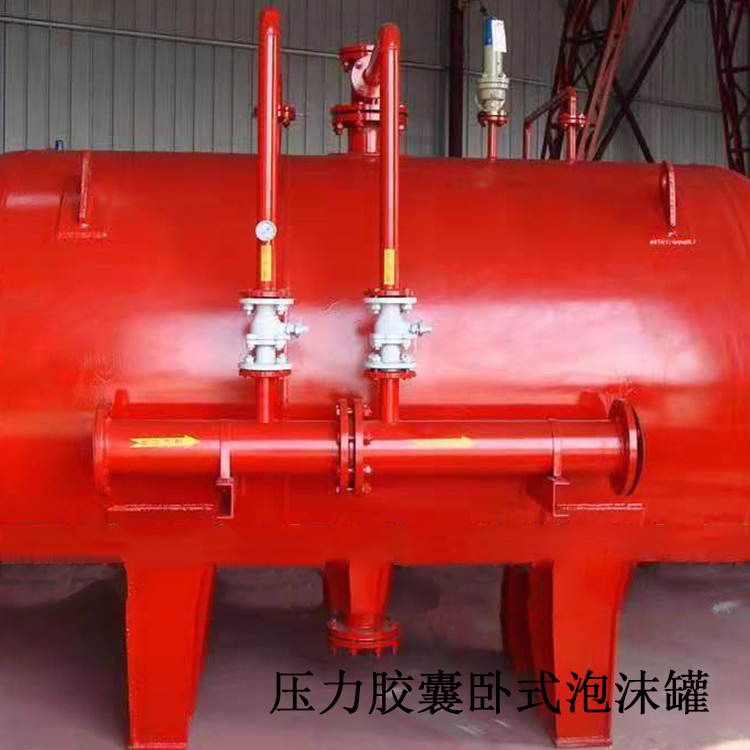 Foam Fire Extinguisher
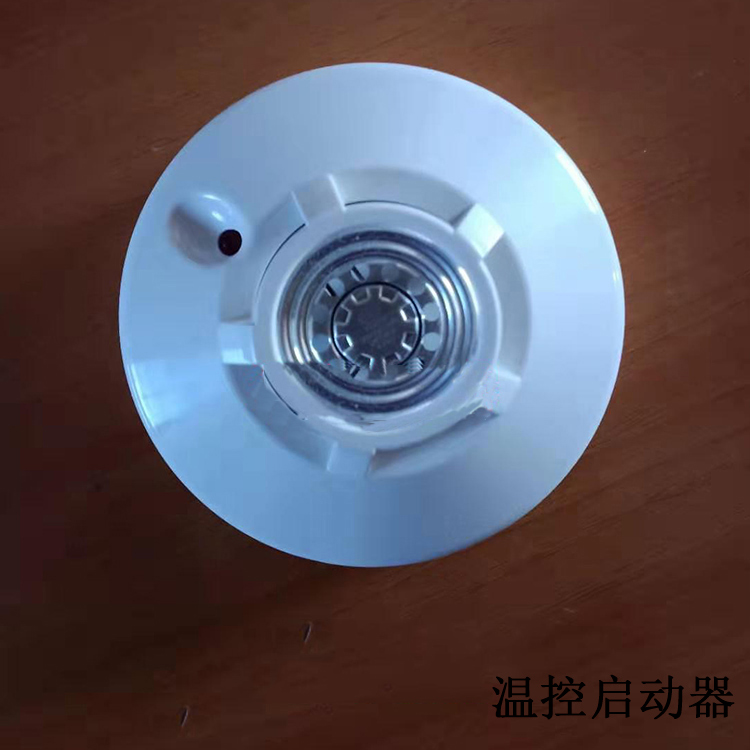 Temperature Control Starter
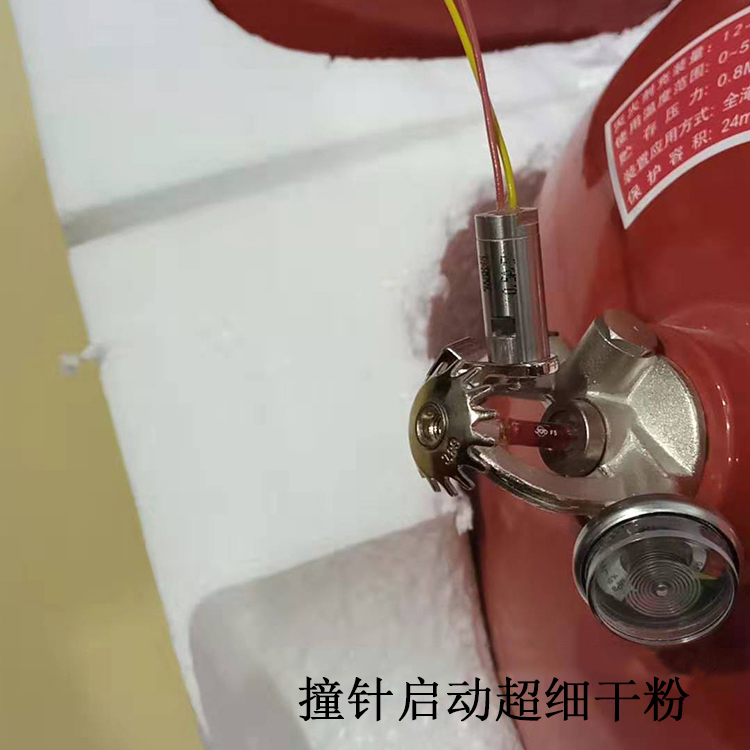 Direct Supply of Stored Pressure Fine Dry Powder
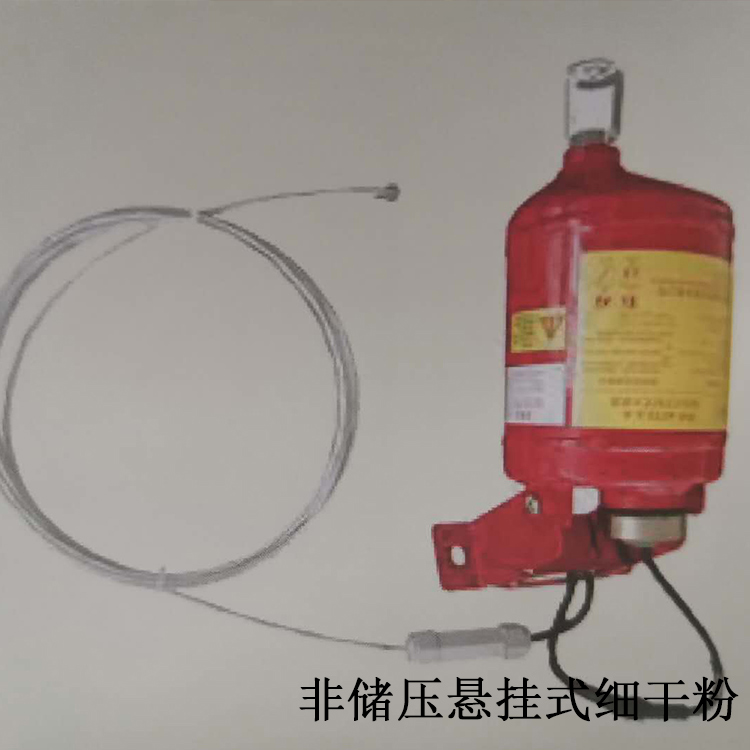 Non-pressurized dry powder
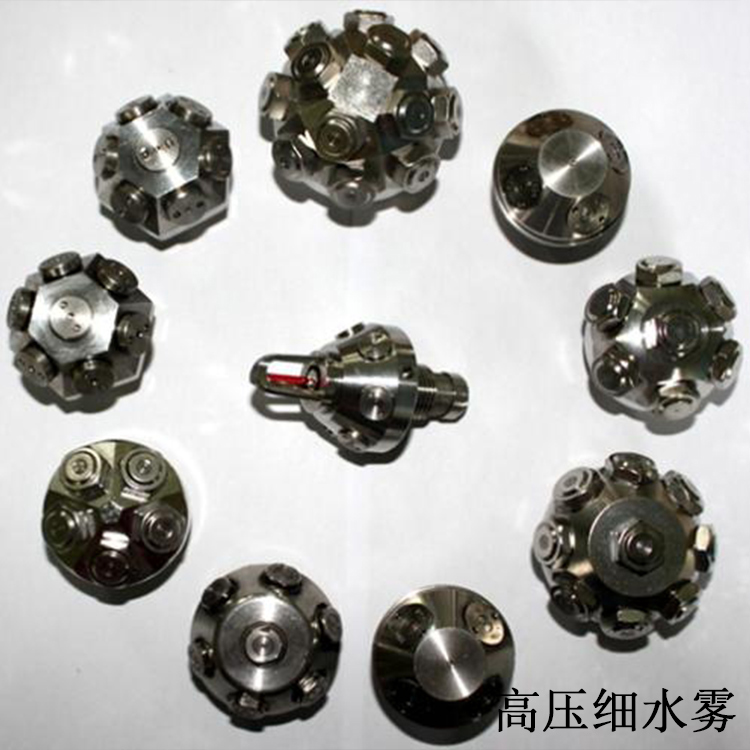 High-pressure fine mist
Product Details

Firefighting equipment, electronic products, refrigeration equipment, environ...

产品Price Negotiable
最小起订Quantity:1 Individual 供货总Quantity: 1000 Individual


Is importing |
|
Application |
Fire Extinguisher |
Is the supply cross-border? |
No |
Custom Processing |
Not supported |
Available for sale |
National |
Specs |
Complete |
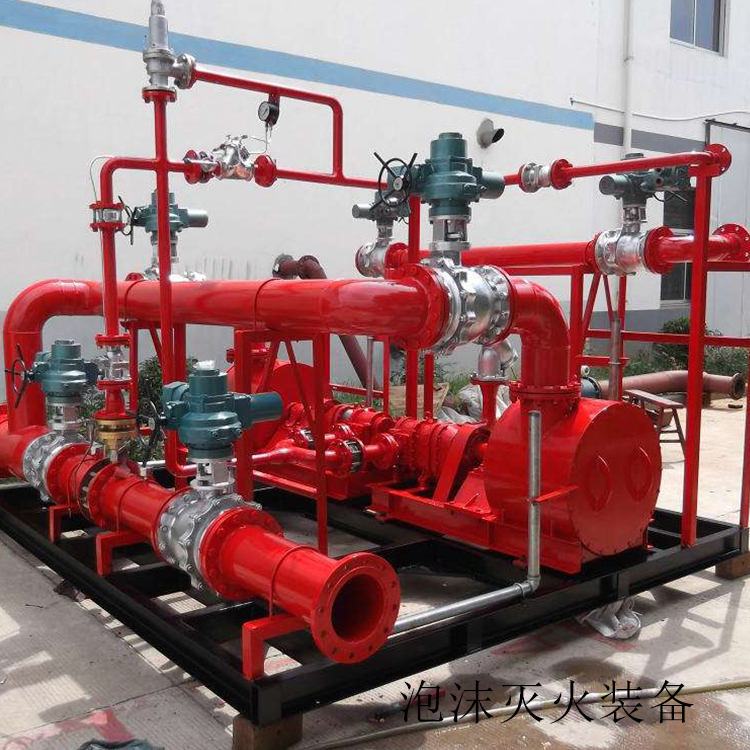
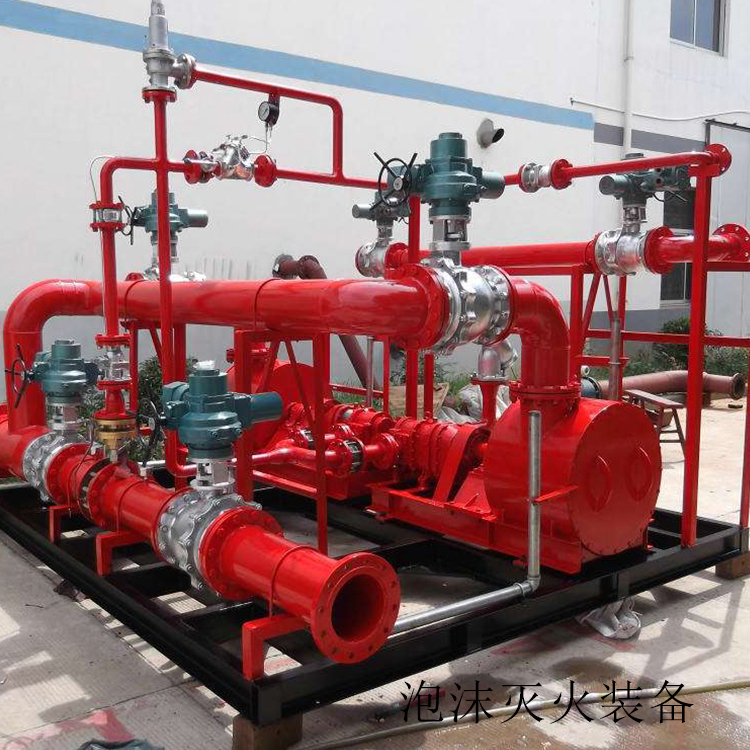
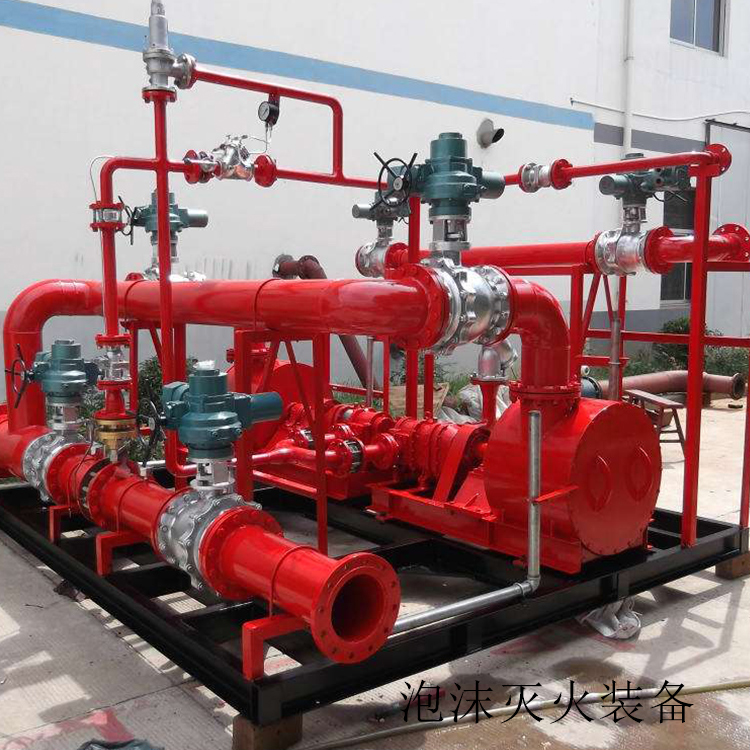
Foam Fire Extinguishing System P-3%, 6% Type Protein Foam Fire Extinguishing Agent: Protein foam fire extinguishing agent is a foaming liquid based on the hydrolyzed and concentrated liquid of animal protein, supplemented with appropriate stabilizers, preservatives, and antifreeze additives. 2. P-3%, 6% Protein Foam Fire Extinguishing Agent: Widely used in petrochemical companies, oil fields, oil depots, oil loading terminals, vessels, and fire brigades, this extinguishing agent can be mixed with water in a ratio of 3:97 to produce foam in various low expansion foam generating equipment. 3. P-3%, 6% Protein Foam Fire Extinguisher: Primarily used for extinguishing general non-aqueous (oil-based) flammable and combustible liquid fires, and also for extinguishing fires of general solid materials. This extinguisher should be stored in a cool, dry, well-ventilated indoor environment with temperatures ranging from -5℃ to 40℃, and has an effective shelf life of two to three years. 4. FP-3%, 6% Type Fluoroprotein Foam Fire Extinguishing Agent: Fluoroprotein foam extinguishing agent is made by adding appropriate fluorochemical surfactants to protein foam extinguishing agent. 5. FP-3%, 6% Type Fluoroprotein Foam Fire Extinguisher: Thanks to the action of fluorocarbon surfactants, this extinguisher not only retains the fire-fighting properties of protein foam extinguishers but also can extinguish fires in large oil storage tanks using the "submerged jet" method. It can also be used in conjunction with dry powder extinguishing agents, with a faster extinguishing speed, 1/3 quicker than protein foam extinguishers. 6. FP-3%, 6% Type Fluoroprotein Foam Fire Extinguishing Agent: This product can be mixed with water in a ratio of 3:97 or 6:94 in various low expansion foam generating equipment to produce foam, and is widely used in oil fields, oil depots, petrochemical enterprises, ships, airports, and units storing large quantities of oil products, for extinguishing large-scale oil fires. 7. FP-3%, 6% Type Fluoroprotein Foam Fire Extinguishing Agent: This extinguishing agent should be stored in a cool, dry, well-ventilated indoor environment with a temperature range of -5℃ to 40℃, and has a shelf life of two years. 8. AFFF-3%, 6% Type Water Film Foam Fire Extinguisher: This water film foam extinguisher is composed of a combination of fluorosurfactants, hydrocarbonsurfactants, solubilizers, stabilizers, and other ingredients mixed with water, representing a new type of fire extinguishing agent. 9. AFFF-3%, 6% Water-Forming Foam Fire Extinguisher: Features include the ability to form a protective film over oil surfaces, which prevents oil evaporation. With the combined action of foam and the protective film, it offers high and rapid fire extinguishing efficiency, excellent anti-reignition and sealing properties, and a long storage period. 10. AFFF-3%, 6% Type Water Film Foam Fire Extinguisher: This extinguisher is mixed with water in a ratio of 3:97 or 6:94 and can produce foam for extinguishing oil fires in various low to medium expansion foam generating equipment. 11. AFFF-3%, 6% Type Water Film Foam Fire Extinguisher: Can be used in conjunction with dry powder fire extinguishers for extinguishing fires, and can also adopt the "submerged jet" method to extinguish fires in large oil storage tanks. 12. AFFF-3%, 6% Film Forming Foam Fire Extinguisher: Widely used in oil fields, refineries, oil storage facilities, ships, docks, airports, hangars, and more. 13. AFFF-3%, 6% Type Water Film Foam Fire Extinguisher: This extinguisher should be stored in a cool, dry, well-ventilated environment with temperatures ranging from -5 to 40°C, and has an effective shelf life of eight years. 14. S/AR-3%, 6% Type Antisoluble Foam Fire Extinguishing Agent: Antisoluble foam fire extinguishing agent is composed of microbial polysaccharides, hydrocarbon surfactants, fluorochemical surfactants, additives, preservatives, etc. S/AR-3%, 6% Type Soluble Foam Fire Extinguishing Agent: This extinguishing agent has good thixotropy, and can be mixed with fresh water in a ratio of 3:97 or 6:94 in various low expansion foam generating equipment to produce foam. 16. S/AR-3%, 6% Type Soluble Foam Fire Extinguisher: Used for extinguishing fires caused by flammable polar solvents such as alcohols, fats, ethers, ketones, aldehydes, amines, and organic acids, and also suitable for extinguishing oil fires. 17. S/AR-3%, 6% Type Soluble Foam Fire Extinguisher: Widely applicable to large-scale chemical plants, chemical fiber factories, paint factories, solvent factories, alcohol factories, breweries, chemical product storage facilities, ships, etc. 18. S/AR-3%, 6% Type Soluble Foam Fire Extinguisher: This extinguisher should be stored in a cool, dry, well-ventilated environment with temperatures between -5°C to 40°C, and has a shelf life of two years. 19. AFFF/AR-3%, 6% Soluble Water Film Foam Fire Extinguisher: The soluble water film foam fire extinguisher is composed of hydrocarbon surfactants, fluorocarbon surfactants, alcohol-resistant agents, stabilizers, antifreeze agents, solubilizers, and polar film-forming agents, and is a multipurpose foam fire extinguisher. 19. S/AR-3%, 6% Type of Soluble Foam Fire Extinguisher: This extinguisher, in addition to the general performance of water-forming foam extinguishers in extinguishing oil fires, also possesses excellent capabilities in extinguishing fires caused by polar solvents such as alcohols, esters, ethers, ketones, and aldehydes. It has a long storage period and can be mixed with water in a ratio of 3:97 or 6:94 for foaming in various low expansion foam-producing equipment. 20. S/AR-3%, 6% Type Soluble Foam Fire Extinguisher: Widely applicable in oil fields, refineries, oil depots, ships, large-scale chemical plants, chemical fiber factories, petrochemical enterprises, chemical product warehouses, solvent factories, etc. The extinguishing agent should be stored in a cool, dry, well-ventilated environment with temperatures between -5℃ and 40℃, and has a shelf life of two years. 22. FP/AR --- 3%, 6% Type Fluoroprotein Alcohol-Resistant Fire Foam: The fluoroprotein alcohol-resistant fire foam is refined by adding appropriate alcohol-resistant agents, film-forming aids, hydrocarbon surfactants, and other additives to the fluoroprotein fire foam. 23. FP/AR --- 3%, 6% Type Fluoroprotein Antisoluble Foam Fire Extinguisher: A foam fire extinguisher that combines the function of fluoroprotein foam for extinguishing oil fires with the capability of antisoluble foam for extinguishing alcohol fires. 24. FP/AR---3%, 6% Type Fluoroprotein Antisoluble Foam Fire Extinguishing Agent: Can be mixed with fresh or saltwater at a ratio of 3:97 or 6:94 in various low-expansion foam-producing equipment to produce foam. 25. FP/AR---3%, 6% Type Fluoroprotein Antisoluble Foam Fire Extinguisher: Suitable for extinguishing oil fires, as well as fires involving flammable polar solvents such as alcohols, ethers, ketones, and aldehydes. 26. FP/AR - 3%, 6% Type Fluoroprotein Antisoluble Foam Fire Extinguishing Agent: Widely applicable to large petrochemical enterprises, chemical fiber factories, oil depots, solvent factories, breweries, chemical product warehouses, ships, airports, oil drilling platforms, storage and transportation wharfs, with an effective period of two years. 27. Foam Cannon: The air foam cannon is a fire suppression device that produces and喷射泡沫 to extinguish Class A, B, and C liquid fires from a distance, as well as to spray water. It is also used to extinguish fires involving solid materials from a distance. Suitable for petrochemical companies, storage areas, airports, warehouses, port terminals, and also for vessels, offshore fixed platforms, and fire trucks, among other facilities. 28. The main material of fixed fire hoses includes stainless steel, carbon steel, and aluminum alloy; they come in two types based on the fire hose's horizontal and elevation angles: handle-operated and wheel-operated; the handle adjustment relies on the internal rotating mechanism of the cannon body. 29. The handwheel adjustment of fixed fire hose nozzles relies on the worm gear mechanism inside the nozzle body; suitable for large space warehouses, museums, exhibition halls, archives, aircraft hangars, gymnasiums, conference rooms, studios, and ancient buildings. 30. Fixed fire hoses are suitable for harsh working environments such as dust, corrosive gases, high temperatures, and low temperatures; key locations in industries like petrochemicals, metallurgy, and electricity, such as oil storage areas, oil depots, oil terminals, high-temperature furnaces, cable trenches; fire trucks, fireboats, oil tankers, ports, and oil fields. 31. Foam Fire Extinguishing Hydrant: An essential component of the foam extinguishing system, particularly suitable for areas handling flammable and combustible liquids, with high fire risks, in production, storage, and usage facilities. 32. Foam Fire Extinguisher Working Principle: The foam fire extinguisher is mainly composed of flanges, cylinders, ball valves, internal connections, fire hoses, and end caps. It is distributed and installed at predetermined locations within the protected area. The flange is connected to the supply pipeline, with the ball valve closed and the end cap sealed during normal operation. 33. Foam Fire Extinguisher Operation Principle: In the event of a fire, first unscrew the end cap, then attach the fire hose, and finally open the ball valve to supply foam liquid to the foam generator. The foam fire extinguisher must be used within the specified pressure range. 34. High-ratio Air Foam Generator: Capable of quickly mixing foam solution with air to form a large amount of foam, rapidly covering the burning area to isolate it from the air and achieve the fire extinguishing purpose. 35. High Multiplicity Air Foam Generator: The high multiplicity foam uses less water, resulting in smaller water damage losses. It effectively removes smoke and toxic gases, suitable for full or partial flooding in confined spaces. Applications include aircraft hangars, car parks, oil depots, mines, liquefied petroleum gas stations, oil terminals, libraries, and archives, among others. 36. Low-Expansion Air Foam Generator: A device that mixes foam concentrate from a proportioning system with inhaled air to create foam, which is then sprayed onto the surface of the burning liquid to form a foam layer. This layer isolates the air, absorbs heat, and extinguishes the fire. Generally used for extinguishing Class A and B fires, primarily for oil fires. 37. Medium-Foam Generator: Comprised primarily of nozzles, foaming meshes, and foam nozzles, this equipment produces and喷射 medium-foam. It can be paired with foam fire trucks, water tank fire trucks, and portable fire pumps with pipeline-type proportioning mixers to use medium or high-expansion foam extinguishing agents to generate medium-foam. 38. Medium Multiplying Air Foam Generator: Suitable for extinguishing fires involving petroleum products and solid materials. Widely applicable in small and medium-sized warehouses, coal mines, chemical production workshops, ships, garages, and aircraft hangars. 39. Mobile Push-Card Foam Fire Extinguishing Unit: The mobile push-cart foam fire extinguishing unit is primarily composed of a normal pressure foam liquid storage tank, foam lance, pipeline type ratio mixer, firehose, and the push-cart frame. Simply connect the firehose carried by the unit to a fire hydrant or other water supply equipment, and it's ready for use. Place it in a favorable position for extinguishing fires. 40. Mobile Pushcart Foam Fire Extinguishing Equipment: Used as a supplement to fixed fire extinguishing equipment, it provides fire protection for multiple devices within a protected area. Suitable types of foam liquid can be selected as needed for extinguishing various liquid fires. The mobile pushcart foam fire extinguishing equipment is widely used in residential areas, industrial and mining enterprises, oil depots, chemical departments, heat treatment workshops, gas stations, and other locations. 41. Operation Principle of Mobile Pushcart Foam Fire Extinguishing Device: When fire extinguishing is required, connect the foam gun and proportioning mixer with a fire hose. Connect the fire hose to the inlet of the proportioning mixer and introduce pressurized water. As the pressurized water flows at a high speed through the nozzle of the proportioning mixer, a vacuum is formed inside the mixer. Under the action of atmospheric pressure, the foam liquid in the foam liquid storage tank enters the proportioning mixer through the suction pipe. It is mixed with the pressurized water in a predetermined ratio to form a foam mixture. When the foam mixture, under a certain pressure, passes through the foam gun, it吸入 air, causing the foam mixture to foam and spray over the burning liquid surface, extinguishing the fire. 42. Pressure-Driven Foam Ratio Mixture Unit (Vertical Type): It consists of foam liquid storage tank, capsules, pressure ratio mixer, safety valve, control valve, and some auxiliary components. When the fire pressure water flows through this equipment, the ratio mixer diverts it proportionally. A small portion of the water enters the interlayer of the foam liquid storage tank with capsules, squeezing the capsules. The displaced foam liquid mixes with the fire water in the main pipeline to form a foam mixture at a specific ratio, which is then supplied to the foam generating equipment. 43. Pressure-foam Ratio Mixing Device (Vertical Type): Offers space-saving and partition-protection benefits, suitable for foam systems with multiple fire compartments and a requirement for minimal foam tank space occupation. It is more space-efficient for foam tanks with the same foam liquid storage capacity. 44. Pressure-actuated Foam Ratio Mixing Device (Vertical): Suitable for mixing ratios of 3% or 6% foam liquids, this device is widely used in oil storage tank areas, chemical factories, aircraft hangars, oil fields, fuel power plants, boiler rooms, underground parking garages, hazardous material warehouses, and chemical product warehouses, as well as water spray---foam联动 systems. 45. Pressure-Regulated Foam Ratio Mixing System (Horizontal Type): It consists of a foam liquid storage tank, capsules, pressure-regulated ratio mixer, safety valve, control valve, and some auxiliary components. When fire suppression water flows through this equipment, the ratio mixer divides it proportionally. A small portion of the water enters the interlayer of the foam liquid storage tank equipped with capsules, squeezes the capsules, and the displaced foam liquid is mixed with the remaining fire water in the main pipeline to form a foam mixture at a specific ratio, which is then supplied to the foam-producing equipment. 46. Pressure-actuated Foam Ratio Mixing Unit (Horizontal Type): Suitable for mixing ratios of 3% or 6% foam liquids, this unit is widely used in oil storage tank areas, chemical factories, aircraft hangars, oil fields, fuel power plants, boiler rooms, underground parking garages, hazardous material warehouses, and chemical product warehouses, as well as water spray systems integrated with foam systems. 47. Balanced Foam Ratio Mixing Device: In foam fire suppression systems, large-scale foam fire protection projects place higher demands on the supply source of foam mixture. The limited foam liquid supply of traditional pressure tank foam ratio mixing devices is increasingly incompatible with the requirements of modern large-scale foam fire protection projects. 48. Balanced Ratio Foam Mixture Device: This is a new type of foam fire extinguishing device that supplies foam mixture to foam fire protection systems, primarily used for medium to large-scale foam fire protection systems in places such as petrochemical industries, port terminals, oil depots, airports (warehouses), and offshore platforms. 49. Balanced Foam Ratio Mixing System Advantages: Utilizes atmospheric pressure, bagless, stainless steel (fiberglass) foam liquid storage tanks, avoiding losses due to capsule damage and the high costs of pressure vessel manufacturing. 50. Balanced Foam Ratio Mixing Device Advantages: The device is suitable for any foam extinguishing agent, including protein, fluoroprotein, and water-forming foams. 51. Advantages of Balanced Foam Ratio Mixing Device: The foam liquid can be added during the extinguishing process of the device, especially suitable for medium to large-scale foam fire protection projects. The dynamic regulation of the balancing valve ensures the mixing ratio. 52. Advantages of Balanced Foam Ratio Mixing Device: The foam pump's supply method for foam liquid allows for a wide range of working pressure and flow adaptability in the foam mixture. Operation is simple and more conducive to automated control. 53. Foam fire extinguishing systems emit a high visibility water mist during operation, which can reduce smoke content and toxicity at the fire scene, benefiting the evacuation of personnel and firefighters' efforts to extinguish the fire. They mainly consist of two types: portable hand-held foam extinguishers and wheel-based foam extinguishers, as well as air foam extinguishers. Each type of extinguishing device is suitable for different types of fires. 54. Foam Fire Extinguishing Systems: 1. Portable foam extinguishers are suitable for extinguishing general Class B fires, such as oil products, greases, etc., and can also be used for Class A fires. However, they are not effective against fires involving water-soluble, flammable, or combustible liquids like alcohols, esters, ethers, and ketones; nor are they suitable for extinguishing electrical equipment or Class C and D fires. 2. Wheeled foam extinguishers are suitable for extinguishing general Class B fires, such as oil products, greases, and can also be used for Class A and F fires. They are not effective against Class C, D, and E fires. 3. Air foam extinguishers are primarily used for extinguishing initial fires involving flammable liquids like gasoline, kerosene, diesel, vegetable oil, and greases. They can also be used for extinguishing initial fires involving flammable solids like wood, cotton, and paper. 55. Pressure-Driven Proportional Mixing Device: The pressure-driven proportional mixing device consists of two parts: a foam liquid pressure storage tank and a foam proportioning mixer. It is a device used to store foam liquid and mix foam liquid with water in a fixed ratio. Features: 1. The system does not require a separate foam liquid pump; it can directly use fire water pressure to drive the foam liquid, saving equipment costs. 2. The mixing ratio is accurate and stable, ensuring the correct proportion for foam extinguishing, making extinguishing quick and reliable. 3. Low pressure loss ensures the required pressure for foam-producing equipment at the system's end. 4. Foam liquid and water are isolated by a bladder, preventing foam liquid from losing effectiveness after a single use. It is easy to use, adjust, and conduct routine tests. 5. Easy to operate and maintain, with a small footprint, suitable for automatic control. 6. Available in various capacities of foam liquid storage tanks and different flow ratio mixers, catering to the needs of various foam-producing equipment. 7. Widely applicable in low, medium, and high expansion foam extinguishing systems. 56. Foam fire extinguishing systems are categorized by their structure into fixed, semi-fixed, and portable types. A semi-fixed system consists of a fixed foam generator, partial connecting pipes, a foam fire truck, or a mobile pump, all connected by hoses to form a fire extinguishing system. 57. The Foam Mobile System refers to a fire extinguishing system composed of fire trucks, mobile fire pumps, or pressurized water sources, foam proportioning mixers, foam guns, foam cannons, or mobile foam generators, connected with hoses and other components. 58. Foam Fire Extinguishing System: Features include the foam's resistance to oil contamination, its compatibility with inexpensive common protein foam, and more. It comes in three application forms: fixed, semi-fixed, and mobile. Submerged liquid systems are typically designed as fixed or semi-fixed. 59. Foam Fire Extinguishing System: For water-soluble liquid fires, it is mandatory to use non-soluble foam liquid. To extinguish water-soluble liquid fires, use overhead or semi-submerged foam projection, but never submerged foam projection. 60. Foam Fire Extinguishing System: For non-aqueous liquid fires, protein foam, fluoroprotein foam, film-forming fluoroprotein foam, or aqueous film-forming foam can be used when employing overhead foam extinguishing. 61. Foam Fire Extinguishing System: When using foam extinguishing under the liquid surface, it is mandatory to select fluoroprotein, film-forming fluoroprotein, or water-forming foam liquid. The storage temperature for the foam liquid should be between 0-40°C. 62. Foam Fire Extinguishing System: Divided into low expansion, medium expansion, and high expansion foam fire extinguishing systems. The low expansion foam fire extinguishing system is suitable for extinguishing systems in places such as Class A, B, C liquid storage tanks and petrochemical equipment areas. 63. Foam Fire Extinguishing Systems: Divided by system type: flood systems, local application systems, portable systems, foam-water spray systems, and foam spray systems. 64. Foam Fire Extinguishing System: Low expansion foam fire extinguishing systems are suitable for fixed-roof storage tanks containing non-aqueous liquids. They are not suitable for aqueous liquids and fixed-roof storage tanks containing Class A, B, or C liquids that are destructive to ordinary foam, nor are they suitable for external floating roof or internal floating roof tanks. 65. Low-Expansion Foam Fire Extinguishing Systems: Foam guns are suitable for: 1) Non-aqueous liquid fixed-roof storage tanks with a diameter less than 18 meters. 2) Fire outbreaks of Class A, B, and C liquids within embankments. 3) Automobile tank trucks or rail tank cars of Class A, B, and C liquids. 4) Outdoor fire outbreaks of Class A, B, and C liquids. 5) Aircraft hangars. 66. Medium Multiplier Foam Fire Extinguishing System: Local Application System: Class A fire locations with partially enclosed perimeters, scattered Class B fire locations at designated positions, and flowing Class B fire locations at fixed positions with an area not exceeding 100 square meters. 67. High Multiplier Foam Fire Extinguishing System: Local Application System - Suitable for Class A fire locations with incomplete enclosure on all sides, also applicable to the pooling or containment area of natural gas liquefaction stations and receiving stations. 68. High-expansion foam fire suppression system: Portable systems for areas where the fire location is difficult to determine or where access is challenging for personnel, for Class B fire scenarios involving flowing fires, and for enclosed spaces that require smoke extraction, cooling, or removal of harmful gases during a fire. 69. Foam Fire Extinguishing System: Selection and Installation Requirements for Foam Fire Pumps and Foam Mixture Pumps: Foam fire pumps and foam mixture pumps should be selected with a smooth characteristic curve centrifugal pump, and their working pressure and flow rate should meet the system design requirements. When using a hydraulically driven balanced ratio mixing device, the water flow consumed should be included in the rated flow of the foam fire pump. When using a recirculating pump type ratio mixer, the rated flow of the foam mixture pump should be 1.1 times the system design flow. A vacuum pressure gauge or vacuum gauge should be installed on the pump inlet pipeline; a pressure gauge, a check valve, and a return pipe with a control valve should be installed on the pump outlet pipeline. 70. Foam Fire Extinguishing System: Selection and Installation Requirements for Foam Pump: The working pressure and flow rate of the foam pump should meet the system design requirements and match the working pressure and flow rate range of the selected proportioning device. At the same time, the supply pressure of the foam under the design flow rate should be greater than the water pressure. The structural form, seal or filling type of the foam pump should be suitable for conveying the selected foam, and the materials should be resistant to foam corrosion without affecting the performance of the foam. A standby pump should be provided, with the same specifications and models as the operating pump. The system should be able to switch automatically and manually to the standby pump in case of failure of the operating pump. The foam pump should withstand at least 10 minutes of no-load operation. In addition to hydraulic-driven pumps, a power source should be set up.

Phone Consultation