
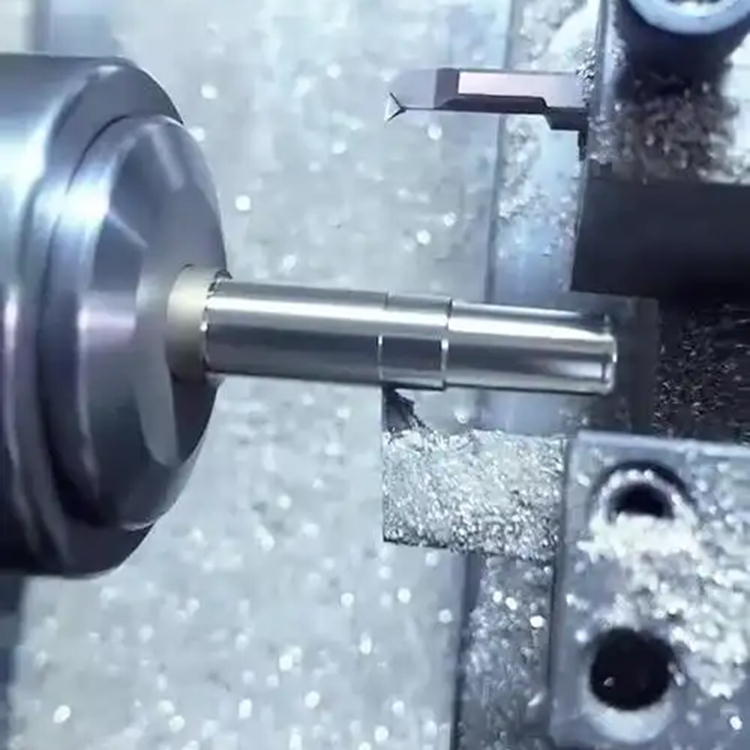
 CNC lathe external processing
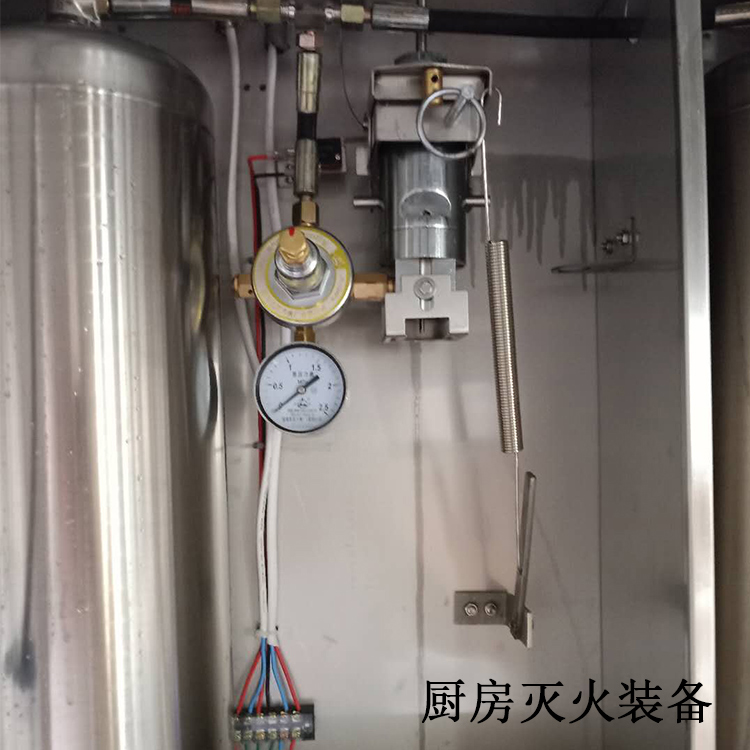 Kitchen Fire Extinguishing Equipment Manufacturer
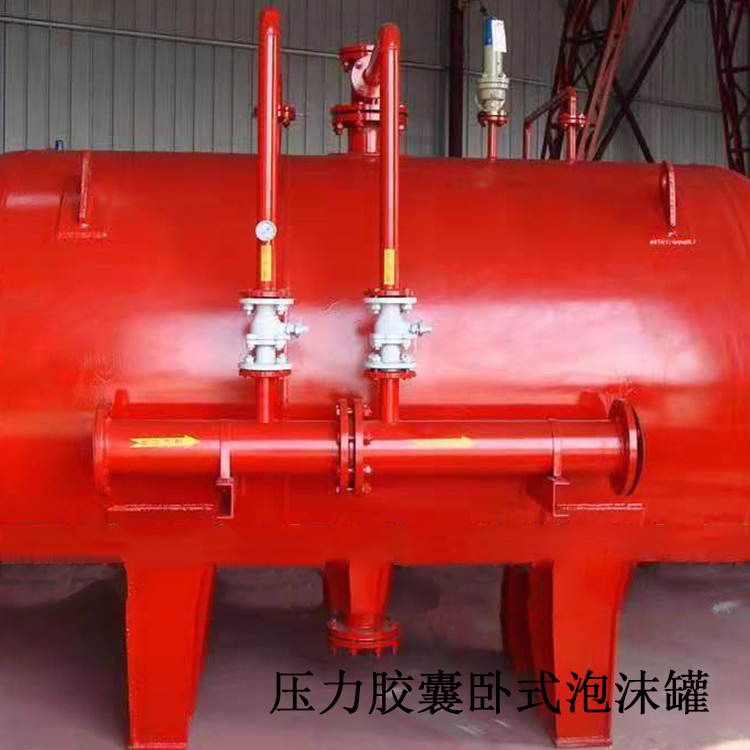 Foam Fire Extinguisher
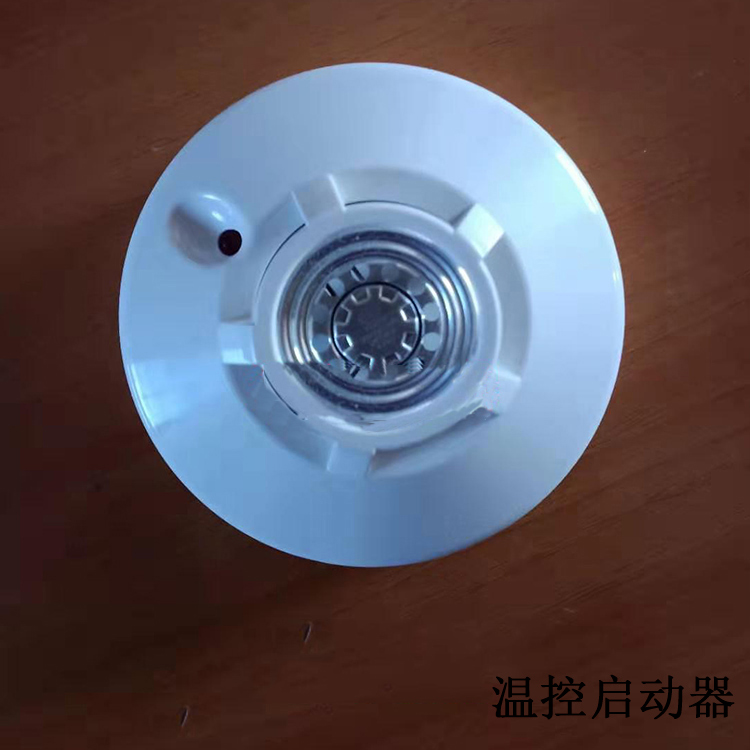 Temperature Control Starter
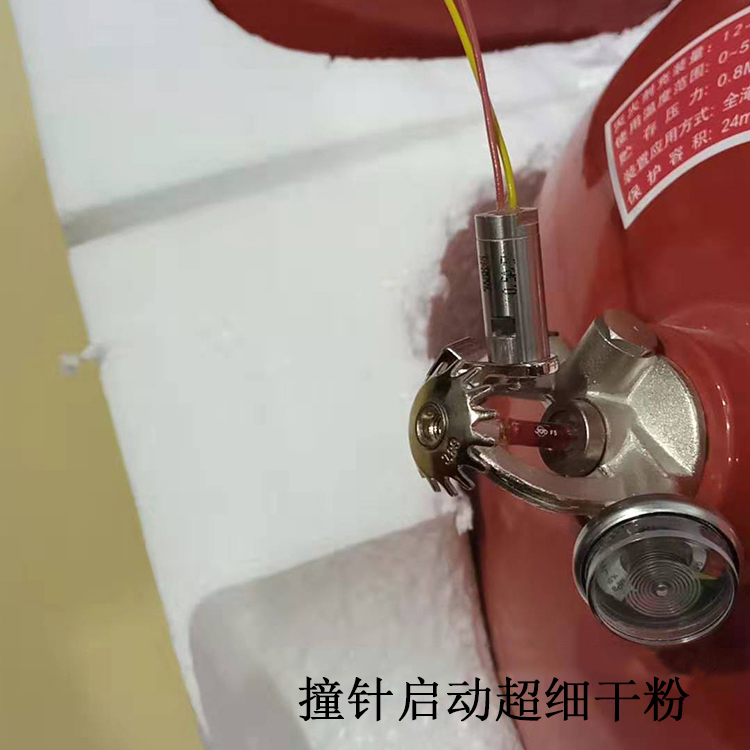 Direct Supply of Stored Pressure Fine Dry Powder
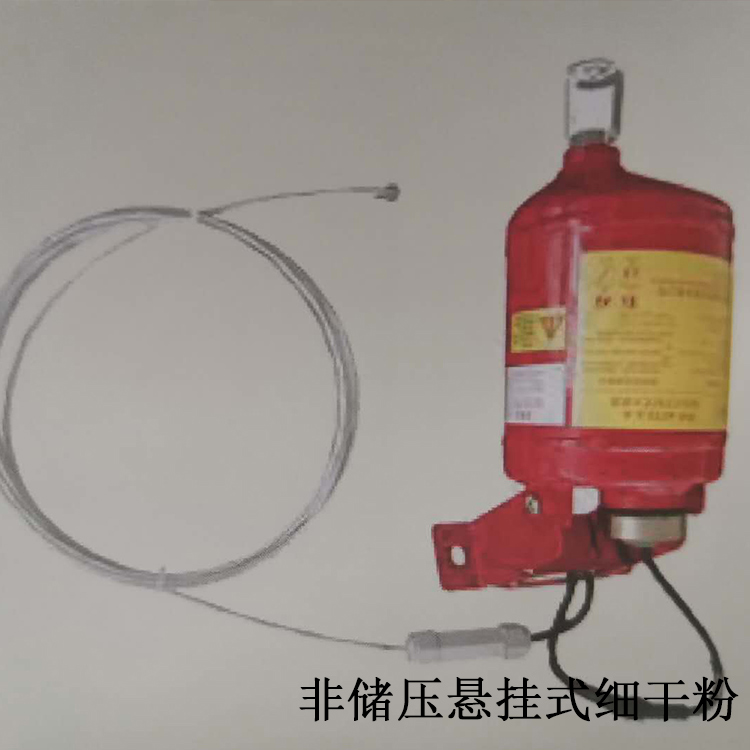 Non-pressurized dry powder
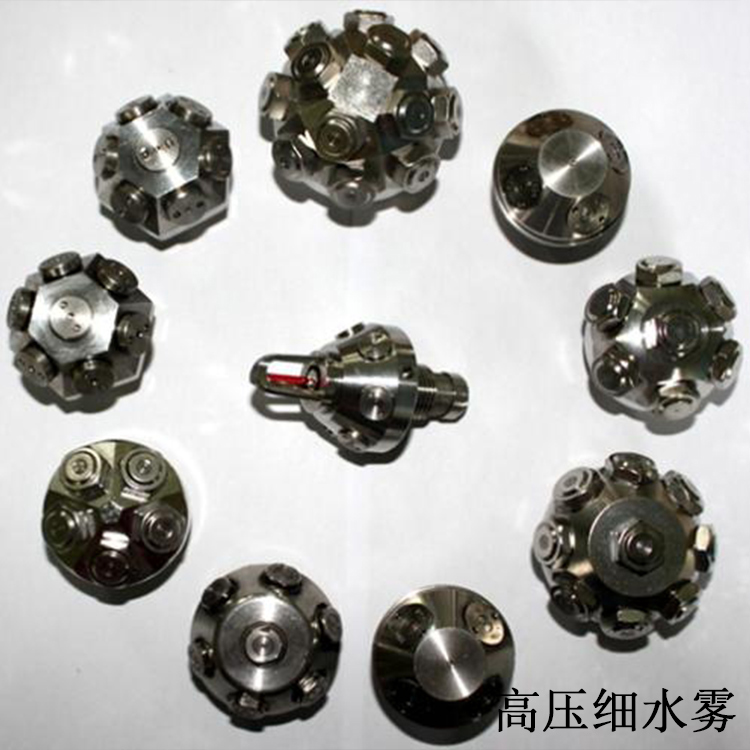 High-pressure fine mist
Product Details

Firefighting equipment, electronic products, refrigeration equipment, environ...

产品Price Negotiable
最小起订Quantity:1 Individual 供货总Quantity: 1000 Individual


Is importing available? |
|
Application |
Fire Extinguisher |
Is cross-border sourcing available? |
No |
Custom Processing & Tailoring |
No |
Available Markets |
National |
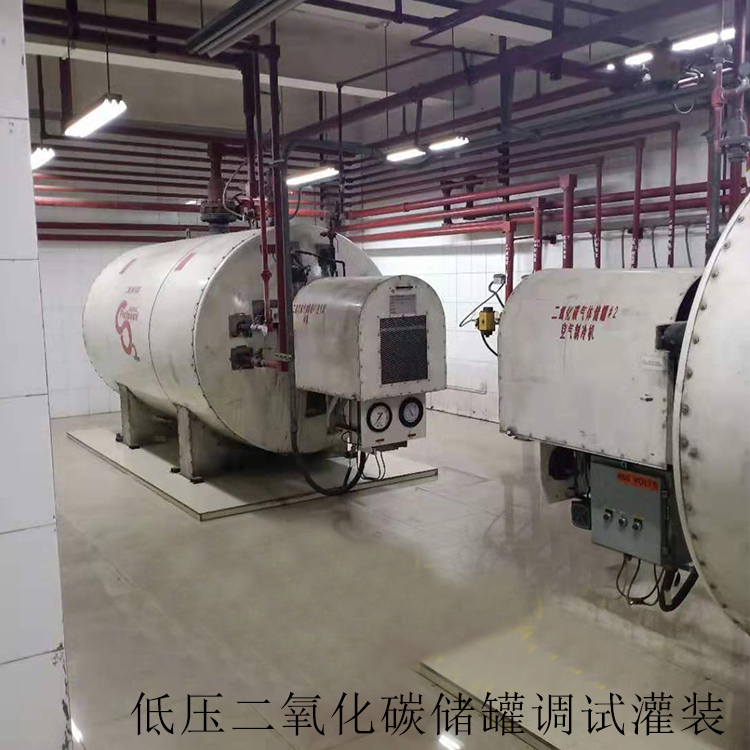
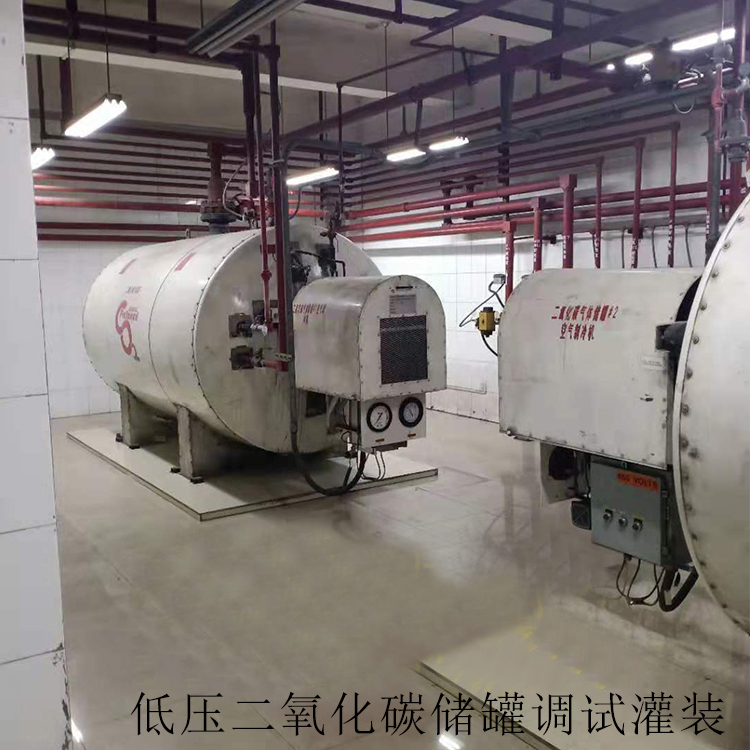
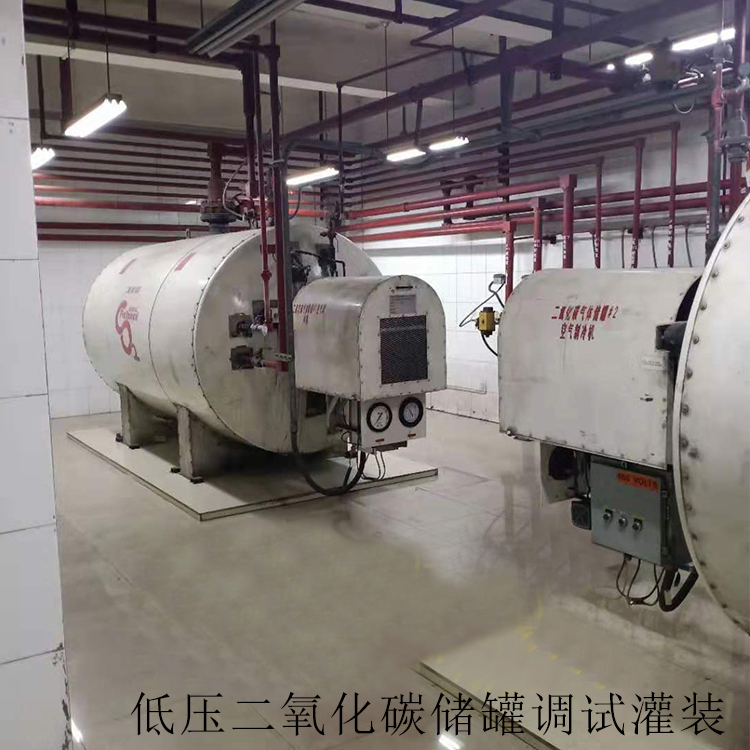
Specs |
Comprehensive |
1. Carbon dioxide fire suppression systems are categorized into two types: High-pressure CO2 fire suppression systems and Low-pressure CO2 fire suppression systems. 2. Features of Low-Pressure Carbon Dioxide Fire Extinguishing Systems: The low-pressure carbon dioxide automatic fire extinguishing system is developed based on the principles of the high-pressure carbon dioxide automatic fire extinguishing system, and it possesses its unique advantages. 3. Compared to high-pressure CO2 automatic fire extinguishing systems, the low-pressure CO2 fire extinguishing system boasts advantages such as lower pressure, larger storage capacity, higher extinguishing efficiency, and smaller land area due to its use of low-temperature tank storage. 4. The low-pressure carbon dioxide fire extinguishing system offers superior overall cost-effectiveness, particularly for larger fire protection projects. It can save approximately 30% of the investment compared to high-pressure carbon dioxide systems, with the savings becoming more pronounced as the scale of the project increases. 5. The low-pressure CO2 fire suppression system not only automatically releases extinguishing agent at pre-set times but also allows for manual on/off control at any time to regulate the agent discharge. It not only saves on the amount of extinguishing agent used but is also suitable for places prone to frequent fires. 6. The refrigeration system of the low-pressure carbon dioxide storage unit features two types of evaporators available for user selection: 7. Detachable evaporator for low-pressure CO2 fire suppression systems, featuring easy maintenance and replacement (patent obtained). 8. Coiled tube evaporator for low-pressure carbon dioxide fire suppression systems, featuring excellent heat exchange performance and energy-saving benefits. The system is equipped with a selector valve, which is a patented product independently developed by our company, known for its reliable performance and ease of operation. 9. Carbon dioxide fire extinguishers are suitable for extinguishing general solid fires (i.e., Class A fires), gas fires (Class C fires), and Class B fires, which include flammable liquids of classes A, B, and C. 10. Carbon dioxide extinguishing does not contaminate the fire environment, leaves no residue after extinguishing, does not corrode equipment, and is non-conductive, making it suitable for extinguishing fires in electrically charged equipment and electrical circuits. 11.二氧化碳 fire suppression system protection areas include storage rooms with valuable items or precious documents. 12. Oxygen-generating chemical fires that the CO2 fire suppression system is capable of extinguishing, such as nitrocellulose. 13. Carbon dioxide fire suppression systems for fires involving reactive metals and their hydrides. 14. Fire involving chemicals that can decompose into carbon dioxide extinguishing systems. 15. Smoldering fires within the fibers of a carbon dioxide fire suppression system. 16. Low-pressure CO2 fire extinguishing systems are characterized into two types:管网自动灭火系统管网自动灭火系统 is further divided into independent unit systems and combined distribution systems. 17. The Low-Pressure CO2 Automatic Fire Extinguishing System without Pipeline is composed of three main parts: fire detectors, alarm controllers, and fire extinguishing devices. 18. A low-pressure carbon dioxide independent fire extinguishing system is a fire protection system that uses a single fire extinguishing storage device to protect a protected area. It consists of fire detectors, alarm controllers, extinguishing agent storage devices, piping networks, and nozzles. 19. The Low-Pressure Carbon Dioxide Combination Distribution System is a storage device for a fire suppression system serving multiple protected areas. The fire extinguishing agent is stored based on the gas consumption of the larger protected area. The combination distribution system consists of a fire detection and alarm system, a fire suppression control system, and the storage device. 20. The low-pressure CO2 fire suppression system sprays a large amount of CO2 gas around the burning material or throughout the protected sealed space, reducing the oxygen content around the burning material or in the air to below the ignition point, thereby extinguishing the fire by "asphyxiation." Additionally, it also provides some cooling effect. 21. The storage tank of the low-pressure CO2 fire extinguishing system maintains the normal storage temperature of the CO2 fire extinguishing agent between -20℃ and -18℃, corresponding to a pressure of 1.9MPa to 2.1MPa. 22. When the storage tank pressure of the low-pressure carbon dioxide fire extinguishing system reaches 2.1 MPa, the controller issues a command to start the refrigeration unit, and the refrigerant begins to operate. 23. The low-pressure CO2 fire extinguishing system ceases operation when the storage tank pressure drops to 1.9 MPa. 24. The low-pressure carbon dioxide fire suppression system will trigger an audible and visual alarm when the tank pressure reaches 2.2 MPa or 1.8 MPa. The controller will also sound and flash an alarm if the tank's liquid level is at its upper or lower limits. 25. When the liquid level of the low-pressure CO2 fire suppression system falls below the lower limit, it should be replenished promptly. Upon the pressure rising to 2.38±0.12, the safety valve automatically opens to ensure the safety of the storage tank. 26. When the control mode of the low-pressure CO2 fire suppression controller is set to "Automatic," the fire suppression system operates in an automatic control state. 27. In the event of a fire in the protected area, upon receiving the fire-fighting signal from the automatic fire-fighting alarm controller, the fire-fighting controller sends an electrical signal to open the solenoid valve, releasing the starting gas to activate the main control valve and the corresponding selector valve, thereby releasing the fire extinguishing agent to extinguish the fire. 28. Upon reaching the fire control time (usually 60 seconds), the main control valve automatically closes, and the selector valve must be manually closed, restoring the system to the standby state for fire extinguishing. 29. The fire suppression system is in manual control mode when the automatic control fails or the control method on the fire suppression controller is switched to "Manual." 30. In the event of a fire in the protected area, the low-pressure CO2 fire suppression system can be activated by pressing the corresponding zone start button to open the solenoid valve and release the starting gas. This then opens the main control valve and the corresponding selector valve, releasing the fire extinguishing agent to extinguish the fire. 31. In case of a fire within the protected area of a low-pressure CO2 fire suppression system, if the fire control unit fails to issue a high-intensity fire command, the interlock devices should be shut off, and the corresponding selector and main control valves manually opened to release the fire suppressant for extinguishing the fire. 32. In the protected fire zone of a low-pressure CO2 fire suppression system, if a fire alarm is triggered and no abnormal conditions are detected within the delay time, the fire suppression system does not need to be activated. You can press the manual emergency start/stop button to prevent the fire suppression controller from issuing a suppression command.
33. In the protected fire zone of a low-pressure CO2 fire suppression system, even if the delay has ended and an abnormal condition is detected after the system has been activated, you can still press the manual emergency stop button or manually close the main control valve on the storage tank to immediately stop the release of the fire suppression agent. Low-pressure CO2 fire extinguishing system storage units and accessories should be installed indoors or outdoors with rain and sun protection facilities (controllers must be placed indoors), with the room size sufficient to accommodate the daily observation needs of on-duty personnel for instruments, compressors, and other equipment. 34. Storage units for low-pressure CO2 fire suppression systems should be installed within the storage room, and this room should be located in an area easily accessible to personnel, with convenient entry and exit, and in a place that is less likely to cause a fire. 35. The storage room for the low-pressure CO2 fire extinguishing system must be well-ventilated; otherwise, additional ventilation equipment should be installed, and direct sunlight radiation on the storage equipment should be avoided. 36. During the installation process of the low-pressure CO2 fire suppression system storage unit, collisions should be avoided; otherwise, the factory will not assume responsibility. 37. During the hoisting and installation process of the low-pressure carbon dioxide fire extinguishing system storage device, construction personnel are strictly prohibited from tampering with any components on the storage device, such as instruments, meters, refrigeration equipment, gas control circuits, valves, etc. 38. The manufacturer has conducted air tightness and strength tests on all the components of the low-pressure CO2 fire extinguishing system before installation. Due to difficulties in road transportation, the pressure gauge, safety valve, and compressor may be disassembled. The installation of the above equipment will be handled by the manufacturer's after-sales personnel upon arrival. 39. The entire storage unit, gas pipeline, instrument wiring, etc., of the low-pressure CO2 fire extinguishing system are fully in place on the tank. After the installation of the entire low-pressure CO2 pipeline network is completed, the manufacturer's after-sales personnel will provide technical guidance and assistance in installing the selector pipeline, instrument wiring, and the connection between the fire control unit and the storage unit. 40. The filling process for low-pressure carbon dioxide fire suppression systems can only be initiated after the aforementioned work is fully completed. The entrance and exit of the storage room for cylinders must be kept clear of any obstructions to ensure unimpeded operation and maintenance.

Phone Consultation