
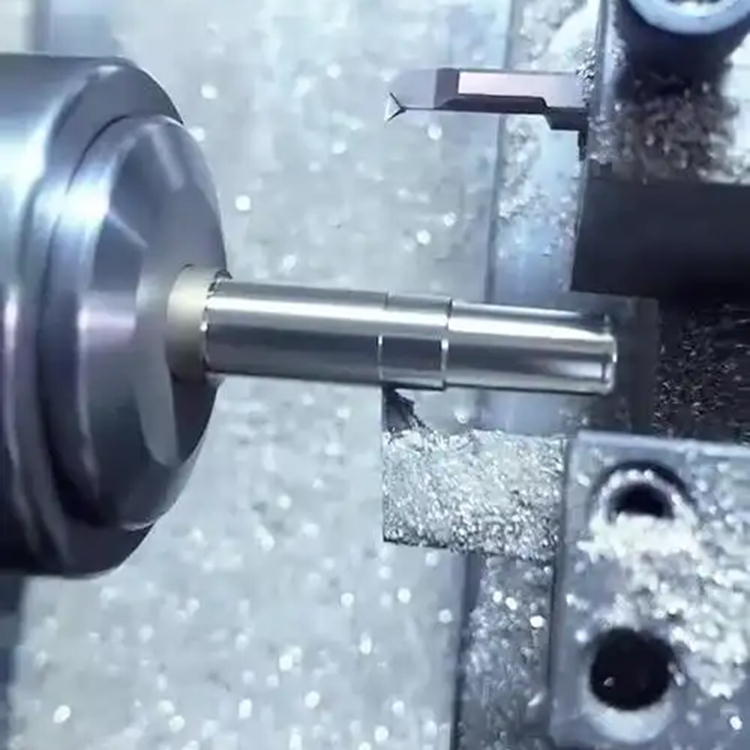
 CNC lathe external processing
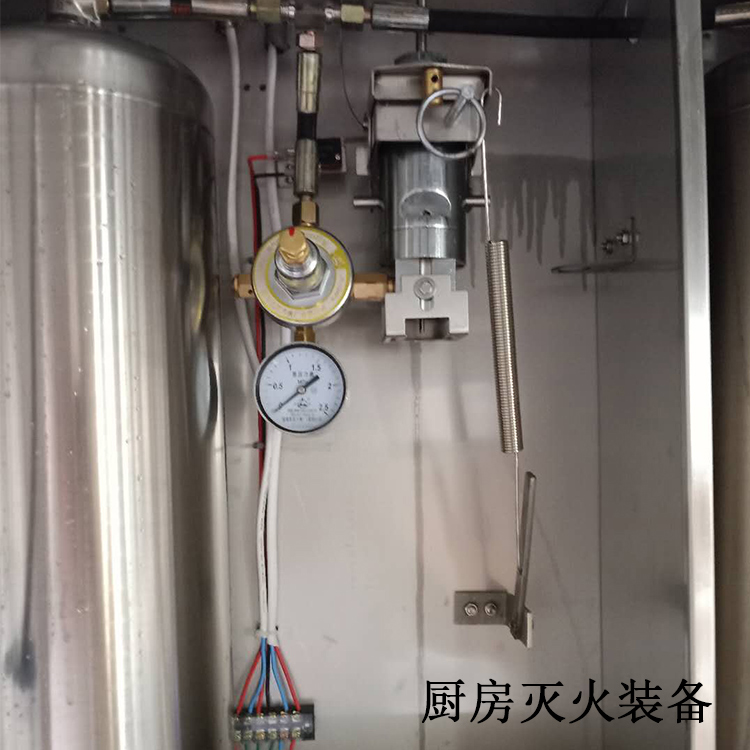 Kitchen Fire Extinguishing Equipment Manufacturer
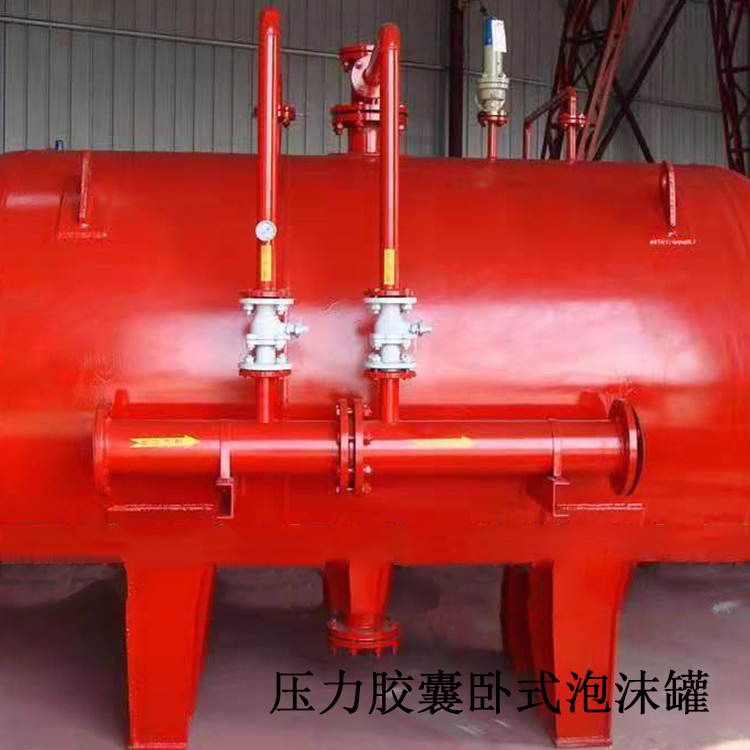 Foam Fire Extinguisher
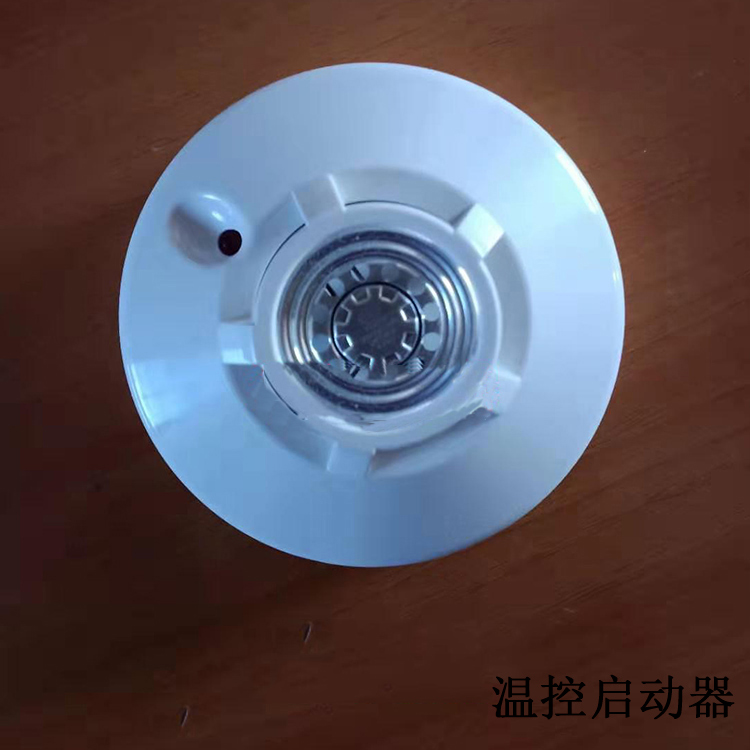 Temperature Control Starter
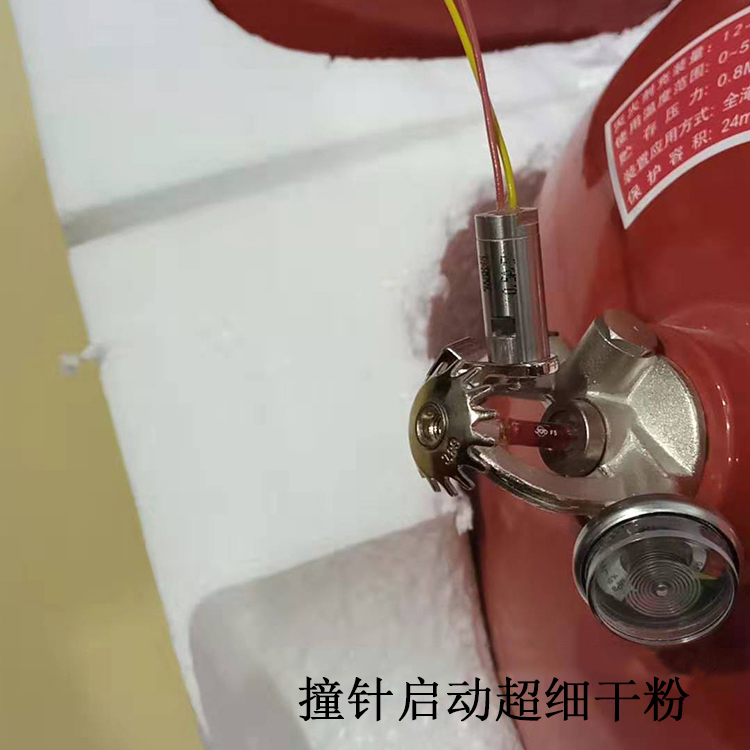 Direct Supply of Stored Pressure Fine Dry Powder
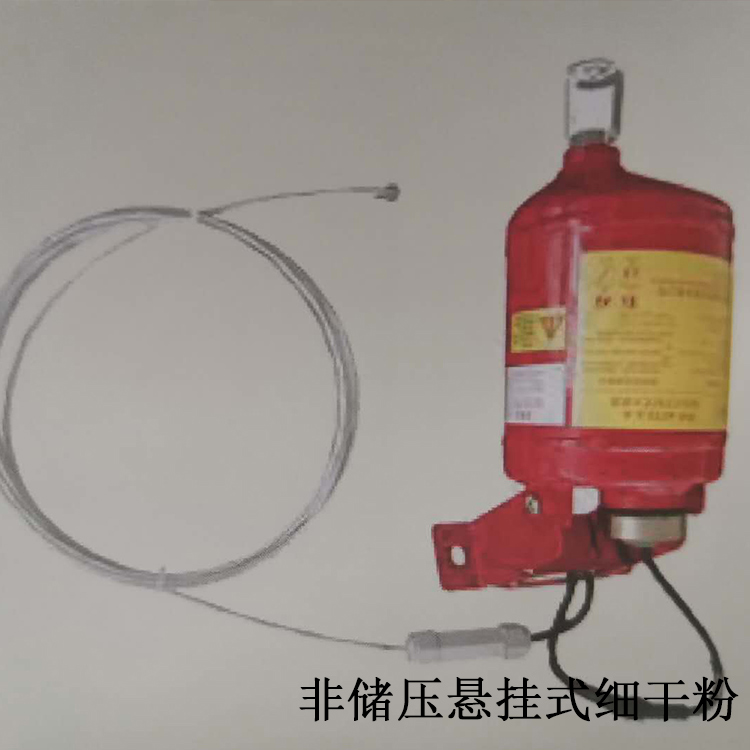 Non-pressurized dry powder
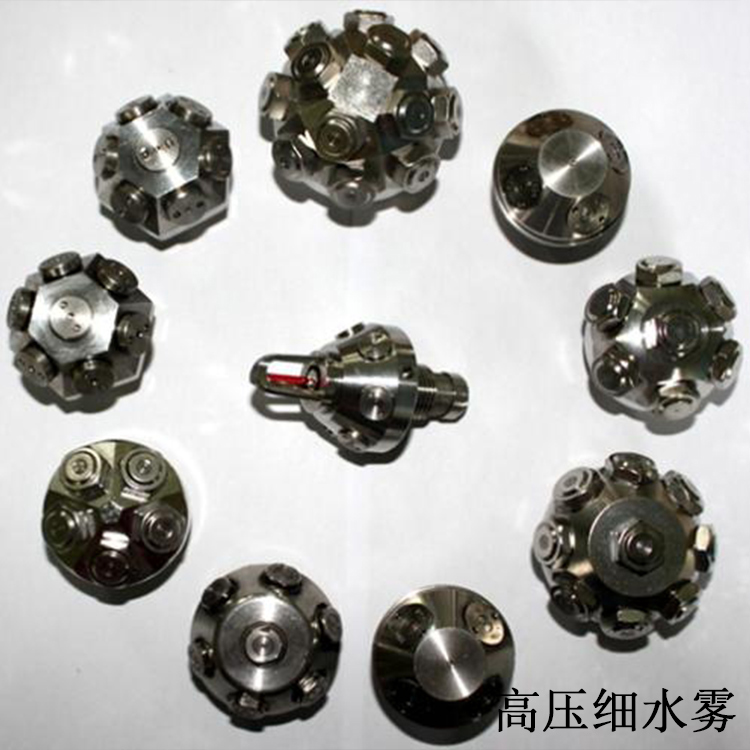 High-pressure fine mist
Product Details

Firefighting equipment, electronic products, refrigeration equipment, environ...


产品Price Negotiable
最小起订Quantity:1 Individual 供货总Quantity: 1000 Individual


Is Importing |
|
Usage |
Fire Extinguisher |
Is the supply cross-border? |
No |
Custom Manufacturing |
Unsupported |
Available Markets |
National |
Specs |
Complete |
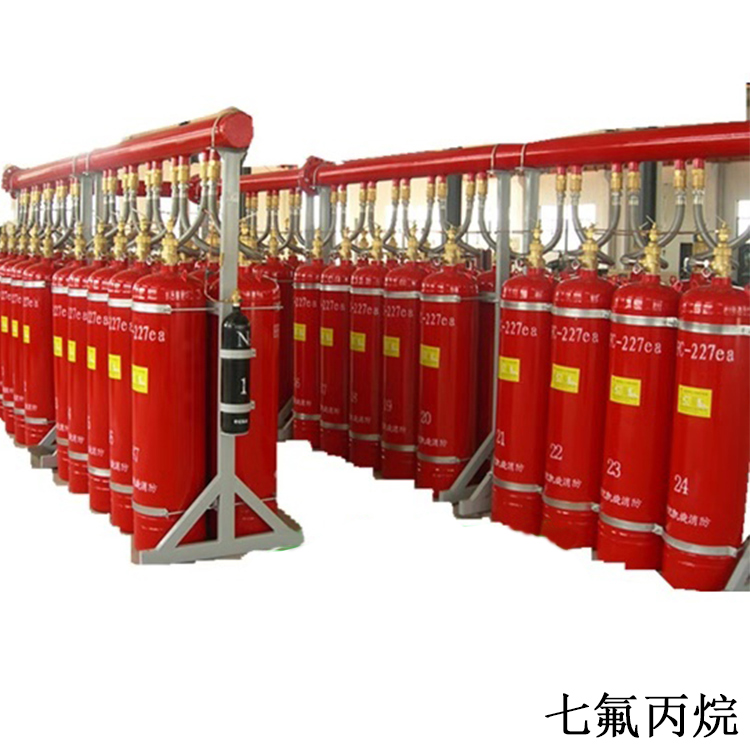
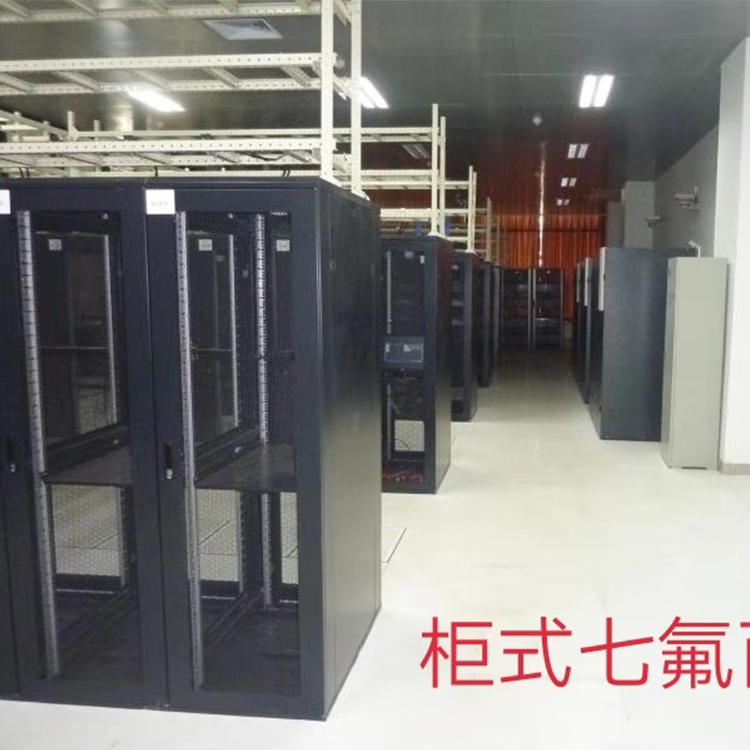
HFC-227ea 1. To protect the atmospheric ozone layer, our company has developed a Heptafluoropropane (HFC-227ea) Automatic Fire Extinguishing System; as one of the halon alternatives, the HFC-227ea (molecular formula: CF3CHFCF3) extinguishing agent operates through both chemical and physical extinguishing mechanisms. 2. The heptafluoropropane automatic fire extinguishing system can be divided into piped and non-piped fire extinguishing systems based on whether the extinguishing agent release piping is present in the fire extinguishing system. 3. Halon 1301管网灭火系统, also known as a cabinet fire extinguishing unit, is a pre-engineered fire suppression system. Typically, it is a compact and portable automatic fire extinguishing system that combines fire detectors, alarm control devices, and fire suppression equipment. 4. The heptafluoropropane automatic fire extinguishing system is a flooding fire extinguishing system. 5. Halon 1301 fire extinguishing agent is a colorless and odorless gas, free of bromine and chlorine elements, with an Ozone Depletion Potential (ODP) of 0, meeting environmental protection requirements. 6. HFC-227ea fire extinguishing agent is a new type of low-concentration extinguishing agent, featuring low extinguishing concentration, minimal cylinder usage, and compact space occupancy. 7. Halon 1301 fire extinguishing agent is a non-conductive medium and does not contain aqueous substances. It will not damage electrical equipment, magnetic tape materials, etc., and will not contaminate the protected objects. 8. The GWP (Global Warming Potential) of the heptafluoropropane fire extinguishing agent ≈ 0. 9. Halon 1301 fire extinguishing agent has a very short atmospheric lifetime, with an ALT of 31. 10. The NOAEL value of heptafluoropropane fire extinguishing agent is moderate, suitable for protection in occupied areas. 11. Halon 1211 fire extinguishing agent is a clean gas fire extinguishing agent; it can be used as an alternative to halogenated fire extinguishing agents. 12. HFC-227ea is suitable for Class A, B, and C fires and can be effectively used in occupied areas. 13. Halon 1301 is suitable for protected areas containing valuable items, precious documents, as well as hardware and software. 14. HFC-227ea is suitable for areas where it is difficult to clean up residues after reagent discharge. 15. HFC-227ea is suitable for spaces with limited storage for reagents, where a small amount of extinguishing agent is needed to achieve fire suppression. 16. Halon 1211 is not suitable for substances that can rapidly oxidize in the absence of air, such as nitrocellulose. 17. Halon-1230a is not suitable for storage or production areas containing reactive metals such as potassium, sodium, and magnesium. 18. HFC-227ea is not suitable for storage areas containing metal hydrides. 19. The container valve of the cylinder-type 7FEP fire extinguishing device features a metal diaphragm sealing design, ensuring reliable sealing and making the storage of the extinguishing agent possible. 20. The seven氟丙烷 cabinet fire extinguishing system features multiple startup methods (electrical start, electrical manual, and mechanical emergency start) to ensure reliable operation of the device. 21. The special electric start mechanism of the heptafluoropropane cabinet-type fire extinguishing device minimizes the starting current, effectively addressing issues such as high power consumption in the control section and large battery capacity, resulting in a more rational layout. 22. The 227 Fire Extinguishing Cabinet features a unique direct-through bottle head valve structure, minimizing the flow resistance of the extinguishing agent. 23. The seven氟丙烷 cabinet fire extinguishing unit features a simple structure, various specifications, easy installation and adjustment, and straightforward, reliable operation. 24. The 7FEP fire extinguishing cabinets are available in electrical and standard models, and both types come in single and double bottle configurations. 25. Design working pressure of the 7FEP fire extinguishing cabinet: 2.5 MPa, operating pressure: 4.2 MPa Fire Extinguishing Agent Filling Density: 1.15 Kg/L; Operating Environmental Temperature: 0℃ ~ 50℃ 26. Halon 1301 cabinet fire extinguishing system - Relative humidity: ≤85%; Start-up method: electric explosion start; mechanical emergency start. Electric explosion start voltage: DC 12V~28.8V; mechanical emergency manual start operation force: ≤50N. 27. Halon 1301 Fire Extinguishing Cabinet Main Power Supply: AC220, 50HZ; Backup Power Supply: DC24V 28. The 7FEP fire extinguishing cabinet system employs total flooding fire extinguishing method, with a discharge time of ≤10s and an extinguishing time of ≤10s. 29. Standard Type 127 Fire Extinguishing Cabinet: Upon simultaneous fire signals from the temperature and smoke detectors within the protected area, the fire alarm control panel (cabinet) receives the alarm signal from the detectors and, following the panel's (cabinet's) programmed sequence, enters a 30-second delay before initiating the sound and light alarm system and the联动 equipment related to extinguishing, to promptly evacuate personnel within the protected area. 30. After the 30-second delay of the halon 1230a cabinet fire extinguishing device ends, the fire alarm control panel (cabinet) sends a fire extinguishing command to the automatic fire extinguishing control panel at the protected area entrance. The automatic fire extinguishing control panel then immediately sends an electrical signal (the automatic fire extinguishing control panel also has a 0-30s delay function, which the user can decide according to actual conditions), and the bottle head valve on the electrically powered starting cylinder releases the fire extinguishing agent to extinguish the fire. 31. Electro-mechanical 7FEP Cabinet Fire Extinguishing Unit: Upon simultaneous fire signals from both temperature and smoke detectors within the protected area, the electrical box on the automatic extinguishing unit (including automatic alarm and extinguishing control functions) follows the alarm programmed sequence to initiate a 30-second delay before activation. It then triggers the sound and light alarm system and联动 equipment related to extinguishing, alerting personnel in the protected area to evacuate quickly. 32. Electrical cabinet type 71B fire extinguishing system: After the 30-second delay for activation, the electrical box immediately sends an opening valve electrical signal, which then electrically starts the bottle head valve on the cylinder, releasing the extinguishing agent to extinguish the fire. 33. Equipped with a networked heptafluoropropane fire suppression system, categorized into unit independent and combined distribution systems based on the protected object (scope). 34. A unit independent system with a管网heptafluoropropane fire extinguishing system refers to a fire protection system that uses a single fire extinguishing agent storage unit to protect a protected area. It is mainly used in situations where it is inconvenient to combine protection areas or where two adjacent protection areas may simultaneously experience a fire. 35. A combination distribution system for管网heptafluoropropane fire extinguishing systems refers to a fire extinguishing system that uses a single fire extinguishing agent storage unit to protect multiple protected areas. 36. The heptafluoropropane automatic fire extinguishing system consists of three main parts: the fire alarm system, the fire control system, and the fire extinguishing device. The fire extinguishing device is composed of two parts: the extinguishing agent storage unit and the piping system. 37. The working principle of the heptafluoropropane automatic fire extinguishing system: When both the temperature and smoke detectors in the protected area simultaneously send out fire signals, the automatic fire extinguishing controller delays for 30 seconds before issuing an electrical signal command. This command activates the cylinder manifold in a pre-set combination distribution manner, electrically starting the cylinder head valve and the corresponding selector valve, to initiate automatic fire extinguishing. 38. The working principle of the automatic fire extinguishing system with heptafluoropropane pneumatic start: When both fire detectors in the protected area simultaneously send out fire signals, the automatic fire extinguishing controller issues a telecommunication command after a delay of 30 seconds, opening the corresponding control area's cylinder. The starting gas is divided into two paths: one path opens the selection valve of the corresponding protected area through the gas line one-way valve, and the other path directly opens the extinguishing agent storage group to extinguish the fire in the protected area. 39. Halon-1230a Automatic Fire Extinguishing System Emergency Mechanical Manual Start: In case of failure in electrical or pneumatic start, staff can manually open the corresponding selector valve and cylinder valve at the equipment site to initiate extinguishing. The emergency start switch box is a device used for manually initiating or stopping the fire extinguishing system at the protected site. 40. During the installation of the heptafluoropropane automatic fire extinguishing system, the steel bottle rack should be securely mounted on the wall or floor, and there should be sufficient space around it for the installation, inspection, and maintenance of the device. 41. Prior to installation, the collection pipe of the heptafluoropropane automatic fire extinguishing system should be cleaned internally and the inlets and outlets sealed. The collection pipe should be securely fastened to supports and frames, which must also be firmly fixed and undergo anti-corrosion treatment. The exterior surface of the collection pipe should be painted red. 42. The collection pipe of the heptafluoropropane automatic fire extinguishing system is equipped with a pressure relief device. The pressure relief direction of the pressure relief device should not face the operating surface. 43. The installation of the selector valve for the heptafluoropropane automatic fire extinguishing system should ensure that the manual handle is on one side of the operating surface. When the installation height exceeds 1.7m, measures for easy operation should be taken. 44. The seven-chlorofluoropropane automatic fire suppression system uses a choice valve with threaded connections, which should be connected to the pipe with a flexible joint. When the fire suppression agent transmission pipes pass through walls or floors, sleeve pipes should be installed. The length of the sleeve pipe through the wall should be equal to the wall thickness, and the length of the sleeve pipe through the floor should be 50mm higher than the ground. The gap between the pipe and the sleeve should be filled with a flexible, non-combustible material to be tightly packed. The outer surface of the fire suppression agent pipe should be painted red. 45. The assembled cylinders, valves, and other equipment for the heptafluoropropane automatic fire extinguishing system should be sturdy and reliable, maintaining their sealing integrity. The pneumatic start-up pipeline is a critical component; there should be no leaks between the copper pipes and their fittings. 46. Installation of the heptafluoropropane automatic fire extinguishing system should be conducted under the guidance of the supplier's technical personnel. After installation, the system should be adjusted (mechanical, electrical control, etc.) and inspected. 47. During the inspection and debugging of the heptafluoropropane automatic fire extinguishing system, the power cable must be disconnected to prevent unnecessary losses. After the equipment is installed and debugged, the fire extinguishing device should be in an automatic extinguishing state. 48. When installing the heptafluoropropane automatic fire suppression system, pay attention to the correct orientation of the one-way valves and selector valves; do not reverse the inlet and outlet. Determine the number of storage cylinders for each protected area based on the amount of fire extinguishing agent required, and then properly connect the pneumatic piping and one-way valves to ensure that the operation and the amount of fire extinguishing agent (number of cylinders) released (opened) in each protected area meet the design specifications. 49. The safety pin on the actuator valve and extinguishing agent bottle head valve of the heptafluoropropane automatic fire extinguishing system should ensure that the bottle head valve cannot be opened in any manner during transportation, serving as a "safety" measure. After installation and debugging are complete, the safety pin should be positioned in a direction that does not obstruct the movement of the piston rod, ensuring smooth opening of the bottle head valve and release of the extinguishing agent during electric or pneumatic operation. 50. The charging pressure for the starting cylinder of the heptafluoropropane automatic fire extinguishing system is 10MPa. When the pressure drops to 6MPa, it must be recharged to 10MPa and a leak tightness test must be conducted to ensure the reliability of the system's pneumatic operation. 51. All connections in the piping of the heptafluoropropane automatic fire suppression system should be reliable, particularly the pneumatic start-up piping, with no leaks present. 52. During the installation of the heptafluoropropane automatic fire extinguishing system, it is strictly prohibited to knock or bump any parts of the system, especially the bottle head valve and its filling valve. The piston assembly must not be knocked or bumped, as this can easily cause damage, even posing a risk to personal safety. 53. The wiring of the alarm and control section (electrical part) of the heptafluoropropane automatic fire extinguishing system should be ensured to be accurate, reliable, and free of any misjudgments. 54. In the event of a fire, if the automatic alarm control cabinet of the heptafluoropropane fire extinguishing system loses its extinguishing function, first pull the safety pin on the cylinder in the fire area, pull out the handle to activate the fire extinguishing system. 55. In the event of a fire, if the automatic alarm control cabinet of the heptafluoropropane fire extinguishing system loses its extinguishing function, if the storage cylinder's head valve cannot be opened, use the method of opening the cylinder head valve of the starting cylinder to open the storage cylinder's head valve. If the selector valve in the fire area is not open, turn the handwheel on the selector valve to utilize the extinguishing agent's own gas in the pipeline to open the selector valve, release the extinguishing agent, thereby initiating the entire fire extinguishing system. 56. In the event of a false alarm without a fire in the Halon 1301 automatic fire extinguishing system, press the reset button to reset the main unit, or first press the emergency shutdown button, then press reset to bring the main unit to a normal monitoring state.

Phone Consultation