
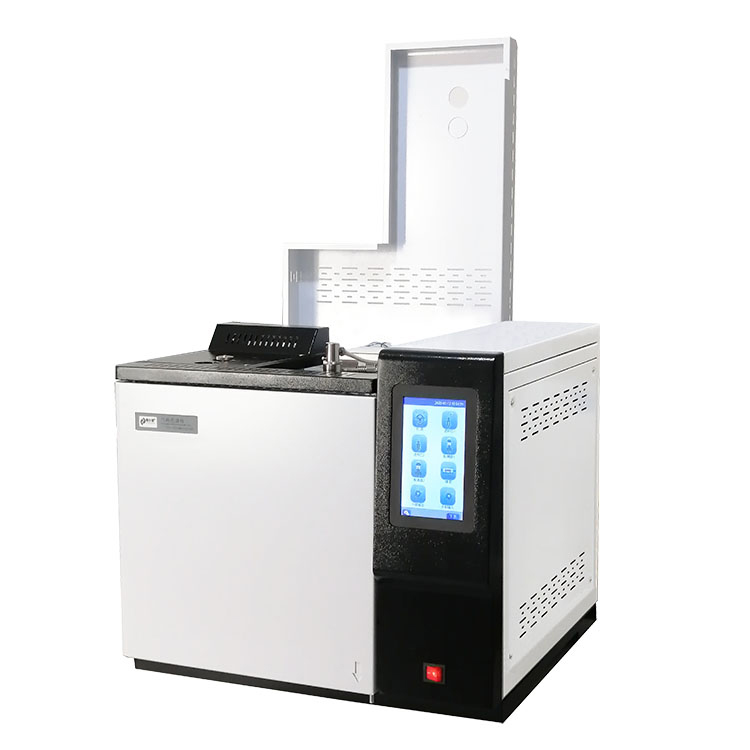
 GC-960 Gas Chromatograph (10.1-inch Screen)
 Portable Transformer Oil and Gas Chromatograph
 Gas Generator
 Chromatography Column
 Chromatography Column
 Gas Generator
Product Details

Sales of instruments and meters; Manufacturing of instruments and meters

产品Price Negotiable
最小起订Quantity: 供货总Quantity:


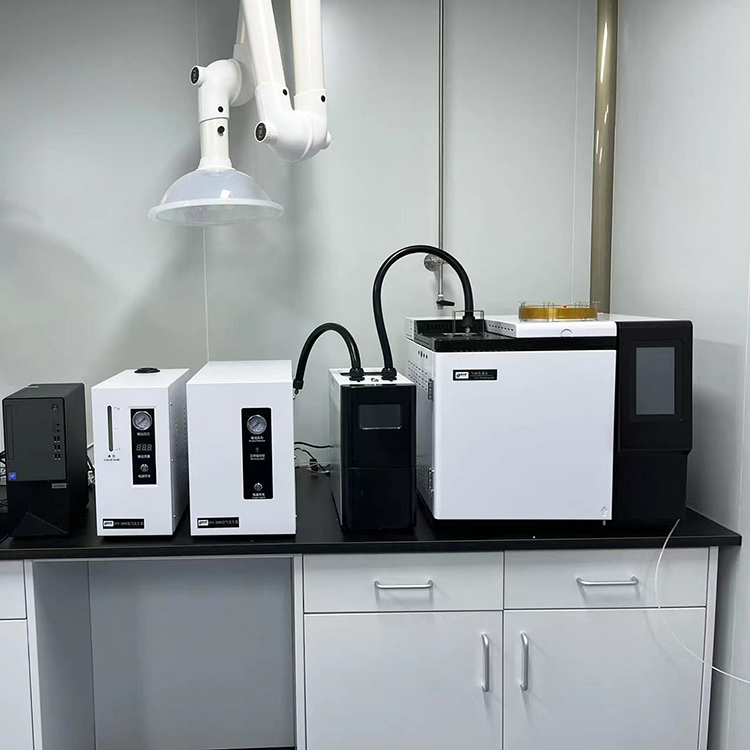
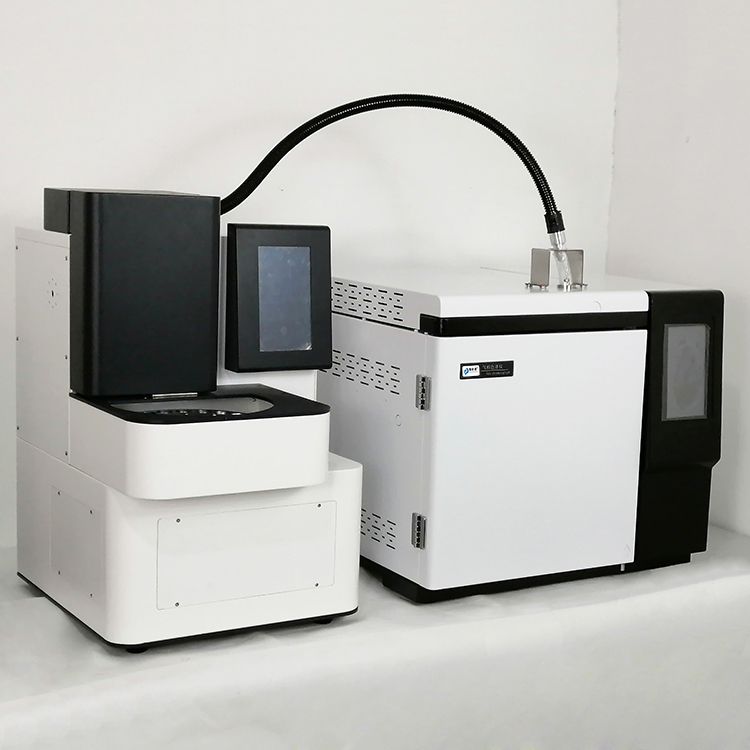
Principle of EO Residue Detection Gas Chromatography: Gas Chromatography is a chromatographic method that separates and measures substances using a gas as the mobile phase (carrier gas) in a chromatographic column. After the substance or its derivative is vaporized, it is carried into the chromatographic column by the carrier gas for separation. The various components enter the detector sequentially, and the chromatographic signals are recorded using the N2000 Chromatography Workstation. The Gas Chromatograph is composed of a carrier gas source, a sample injection section, a chromatographic column, a column oven, a detector, and a data processing system. The temperatures of the sample injection section, the chromatographic column, and the detector are all under control. The residual content of EO is determined using the headspace gas chromatography method at a specific temperature. EO Residue Detection GC Features: The instrument is equipped with a full microcomputer control system, featuring a large-screen LED display with both Chinese and English, offering rich and intuitive content. 2. New digital design with integrated electronic circuits, boasting excellent reliability and anti-interference capabilities. Features touch-screen operation in both Chinese and English, making parameter setting and operation extremely convenient. 3. The column cabinet features a compact structure, rational layout, and uniform temperature distribution. The intelligent double-channel rear door design enables faster cooling (from 280℃ to 50℃ in just 8 minutes), higher efficiency, and stable control within 5℃ above room temperature, expanding the application range of the instrument. 4. The instrument can be equipped with two packed column injection chambers and one capillary injection chamber simultaneously, or with two capillary injection chambers at the same time, and can be expanded from a single amplifier to a dual amplifier. Different combinations are used for various analytical applications, allowing the installation of up to three detectors simultaneously, such as FID, TCD, and ECD detectors. It facilitates the series and parallel operation of detectors, truly achieving the multi-functional capability of a single unit. 5. Optional with different specifications of capillary columns (diameter 0.2-0.53MM), the reasonable capillary injection system design (with分流/不分流injection, diaphragm purge, and tail purge system) ensures minimal extra-column effects and high column efficiency; resulting in sharp, narrow, and tail-free chromatographic peaks, thus providing accurate quantitative results and excellent reproducibility. 6. The instrument features a unit modular design for easy installation and convenient maintenance; the new FID has a lower detection limit, allowing for easy disassembly and cleaning of the nozzle and ion collector. The precisely fixed emitter installation structure ensures consistent performance across all instruments. 7. The air path employs a dual design of pressure stabilization followed by flow stabilization; featuring stable adjustment modes with high precision, reliability, and easy, intuitive flow regulation. It includes gas cutoff/leakage protection and alert functions, capable of automatically cutting off the TCD bridge current to protect the rhenium-tungsten wire from damage. 8. Equipped with a six-way temperature control system, including the column chamber, vaporization chamber, detection room, conversion furnace, and external control events. 9. Features a 9th-order linear programming temperature ramp function, capable of meeting the analysis needs for multi-component samples. 10. Features power failure protection, over-temperature protection, and self-check upon startup.

Phone Consultation