
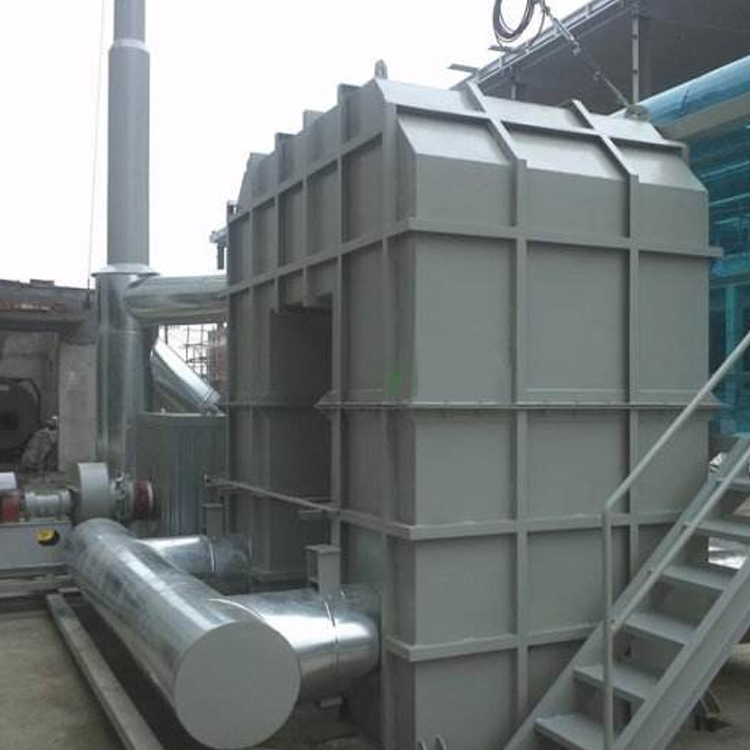
 Regenerative Catalytic Incinerator
 Waste Gas Incinerator
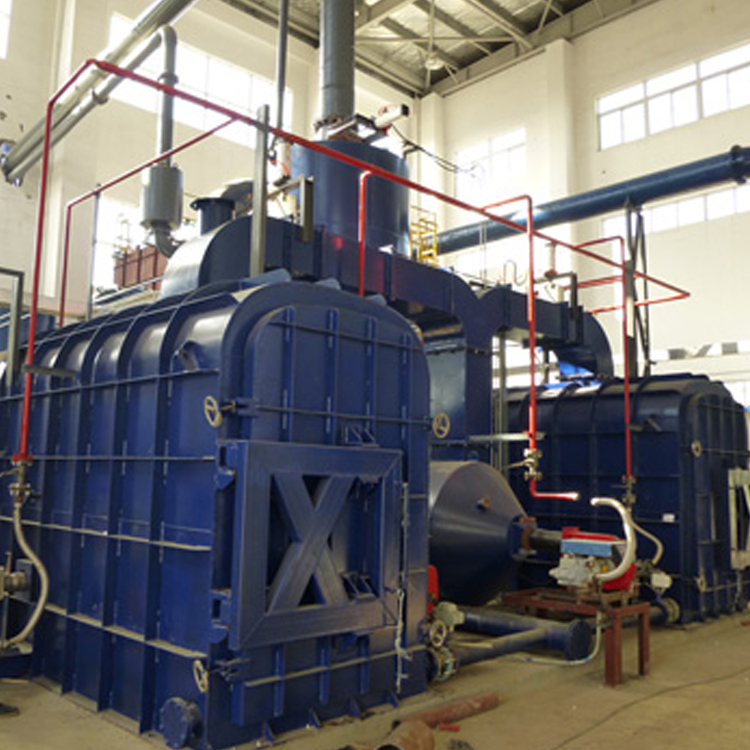 Furnace (Precious Metal Recovery)
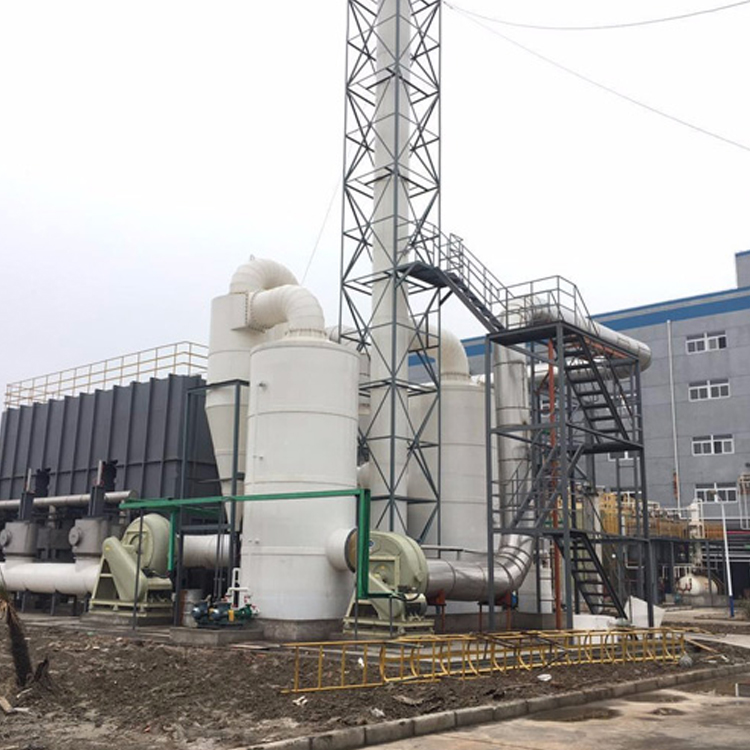 Regenerative thermal oxidizer
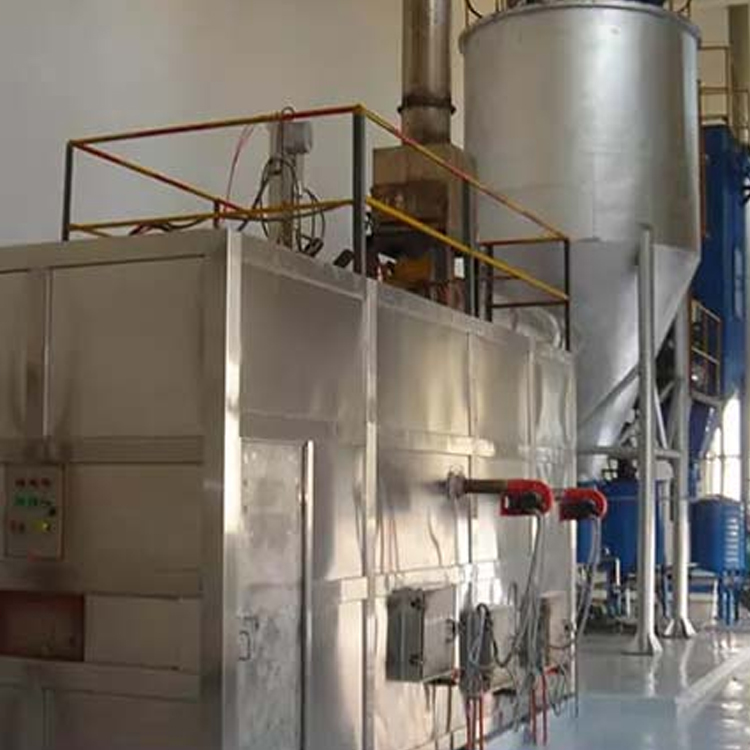 Waste Liquid Incinerator
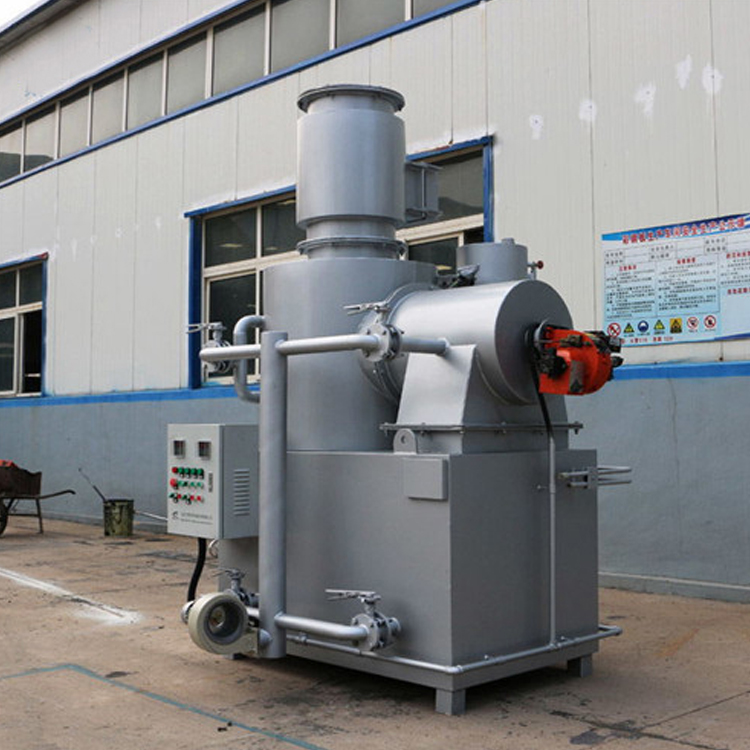 Waste Incinerator
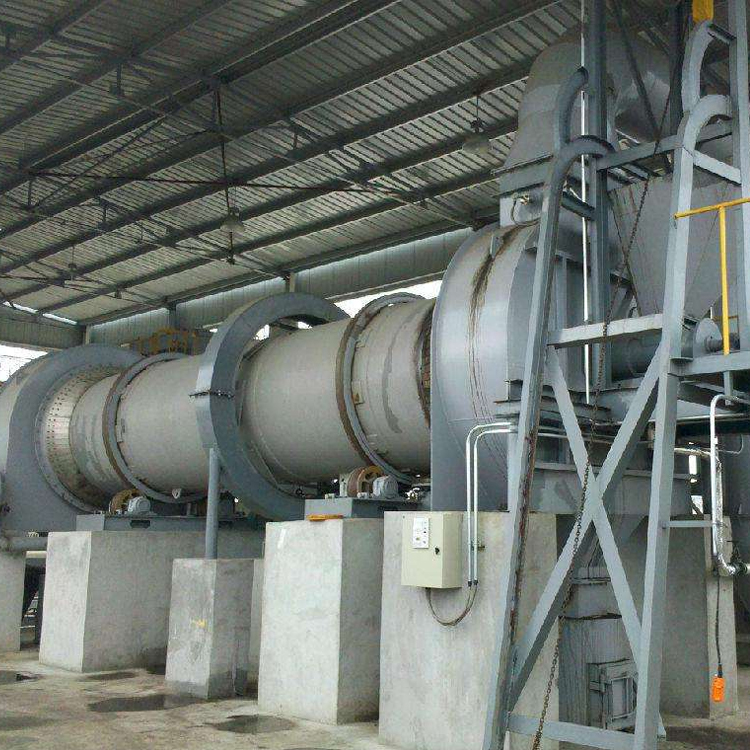 Rotary Kiln Incinerator
Product Details



产品Price Negotiable
最小起订Quantity:1 供货总Quantity: 100


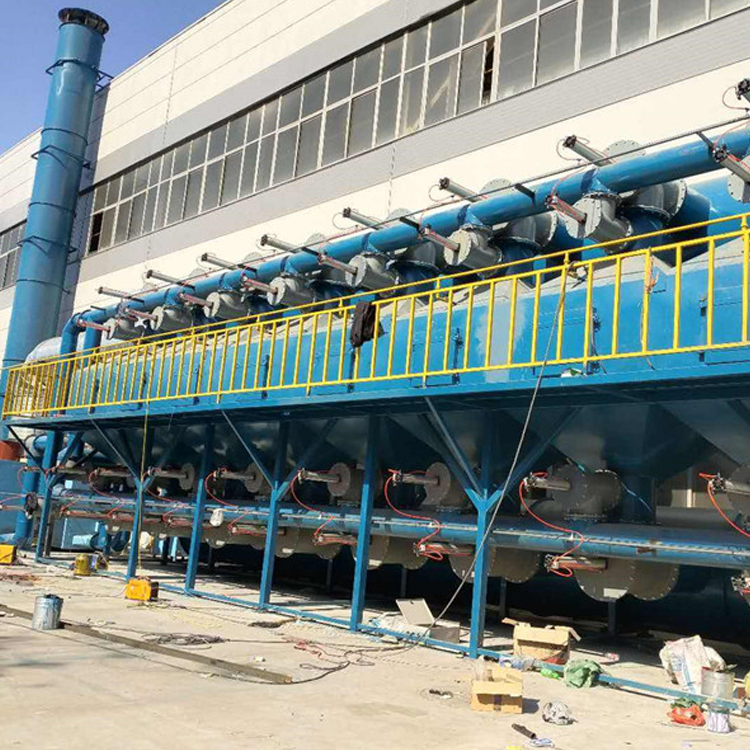
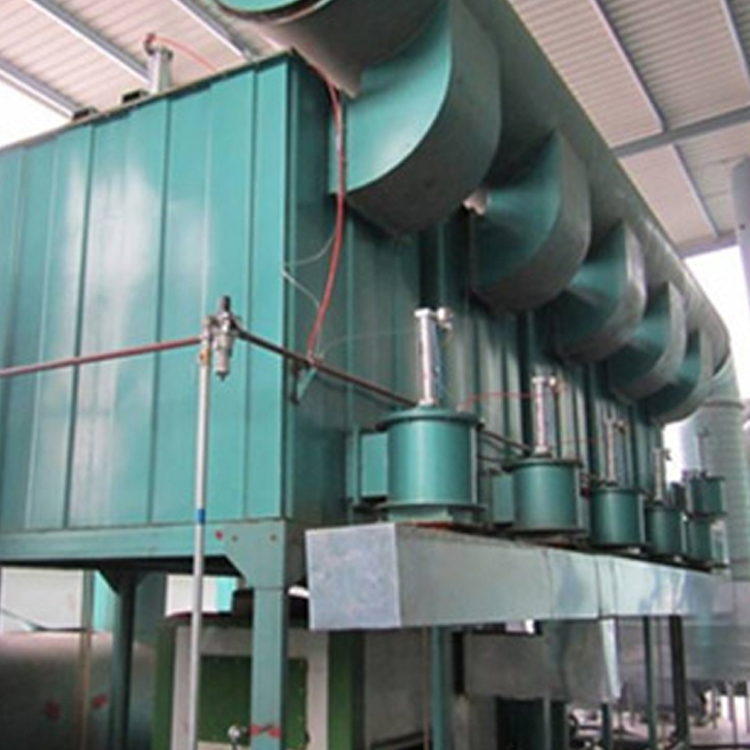
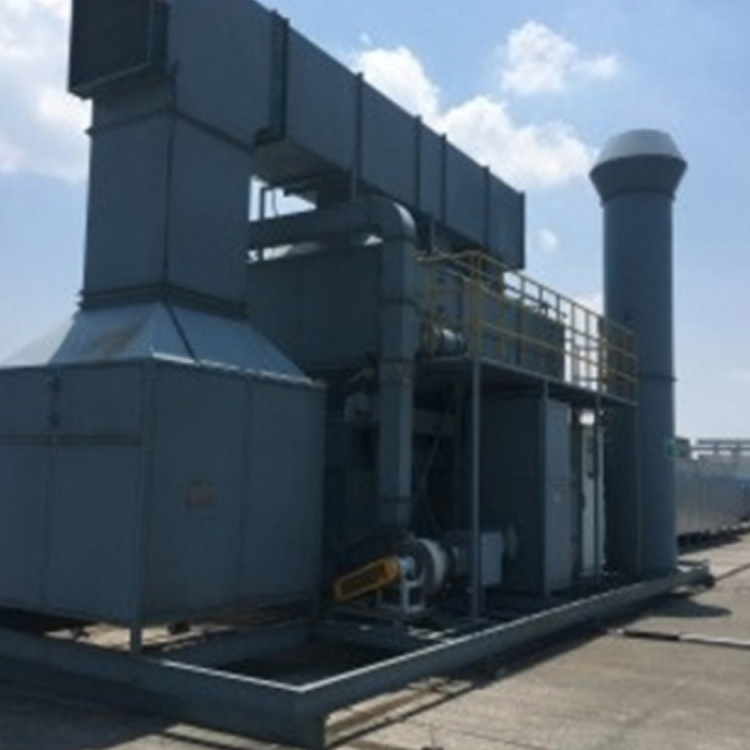
RTO stands for Regenerative Thermal Oxidization, a type of catalytic combustion equipment. It employs a novel non-steady-state heat transfer method, recycling heat. The principle is to cool organic waste gases to above 760°C, causing VOCs to hydrolyze into CO2 and H2O. The high-temperature gas stream then passes through specially designed ceramic regenerators, increasing their temperature and storing heat. This stored heat is used to pressurize and pre-heat the incoming organic waste gases, thereby saving fuel consumption. RTO technology is limited to treating medium to low concentration (100-3500 mg/m³) waste gases, with a decomposition efficiency of 95%-99%. RTO catalytic combustion equipment is suitable for waste gas Treatment of mixed organic waste gases including benzene, alcohols, ketones, aldehydes, esters, phenols, ethers, alkanes, etc. 2. Organic waste gas purification suitable for industries such as chemicals, plastics, rubber, printing, pesticides, and shoe manufacturing. Catalytic Combustion Manufacturer's Service Commitment 1. Complete engineering tasks according to customer requirements, ensuring the quality of work. 2. Our company designs and supplies waste gas treatment facilities, ensuring that they meet local and national emission standards after processing at this facility. 3. Comprehensive warranty for main equipment, lifetime technical support, prompt response to any issues during operation, and dispatch of a professional team to the site within 24 hours. 4. After the warranty period expires, we charge only a cost-based fee for equipment maintenance and repair. We establish long-term relationships with customers and engage in technical exchanges to provide service through technical support, offering free technical consultation and services. 5. During the commissioning of the waste gas treatment system, responsible for training technical staff. This includes daily operation management, equipment operation procedures, troubleshooting common issues, and regular equipment maintenance. 6. Regularly organize customer follow-up activities to understand system performance, carefully handle customer feedback, and provide excellent engineering technical consultation services.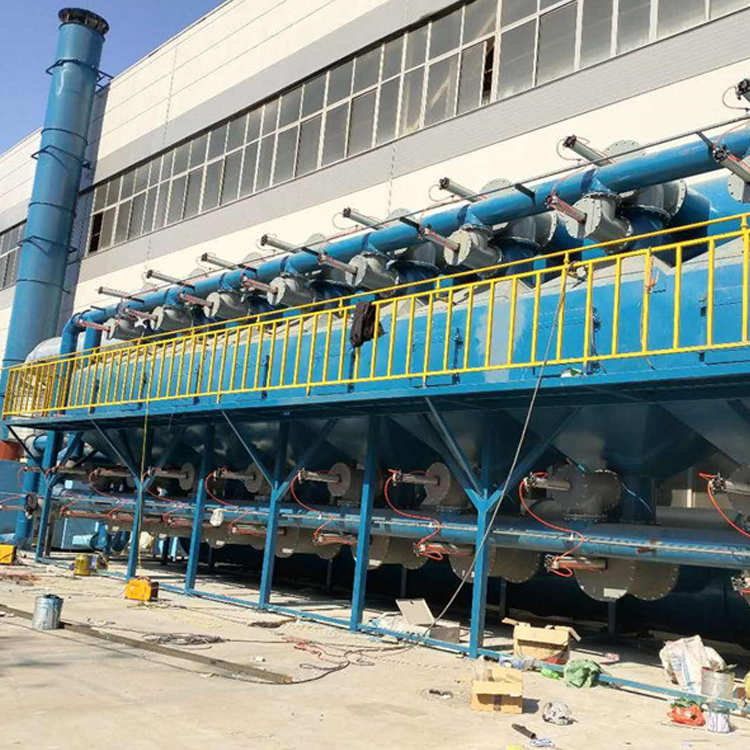

Phone Consultation