
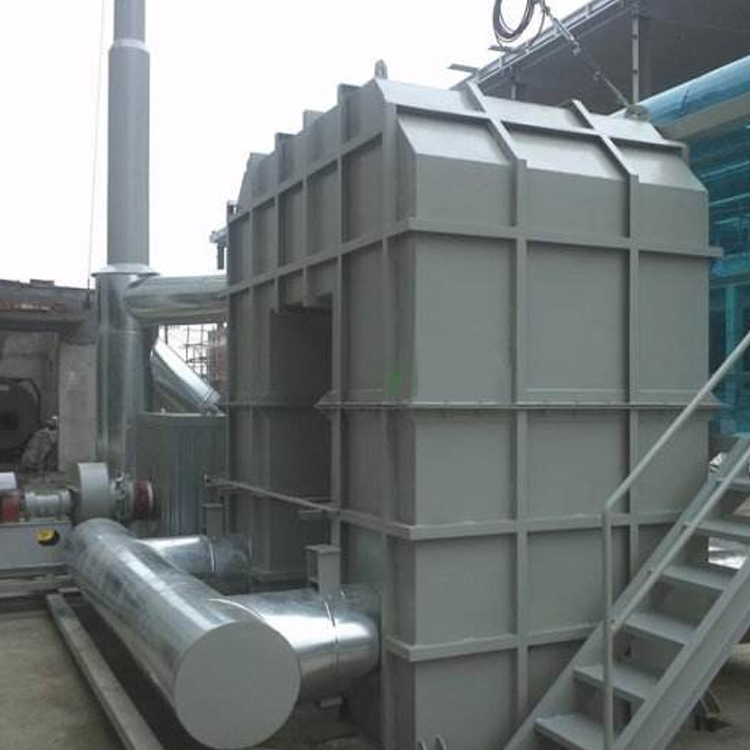
 Regenerative Catalytic Incinerator
 Waste Gas Incinerator
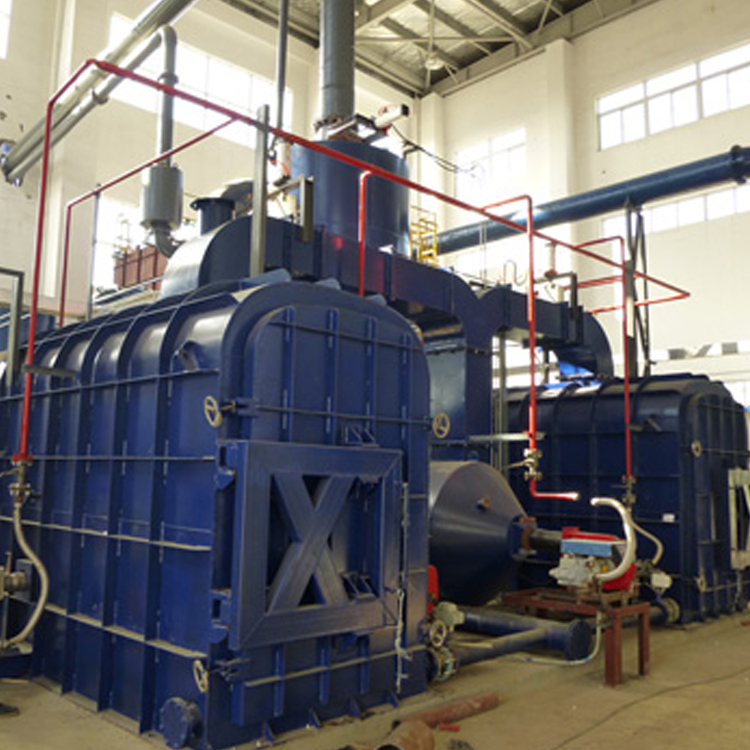 Furnace (Precious Metal Recovery)
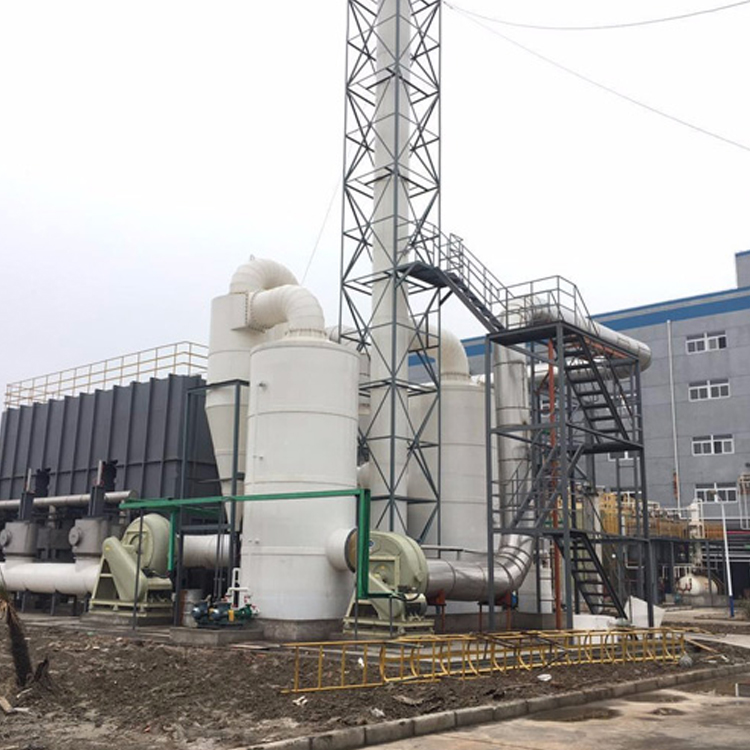 Regenerative thermal oxidizer
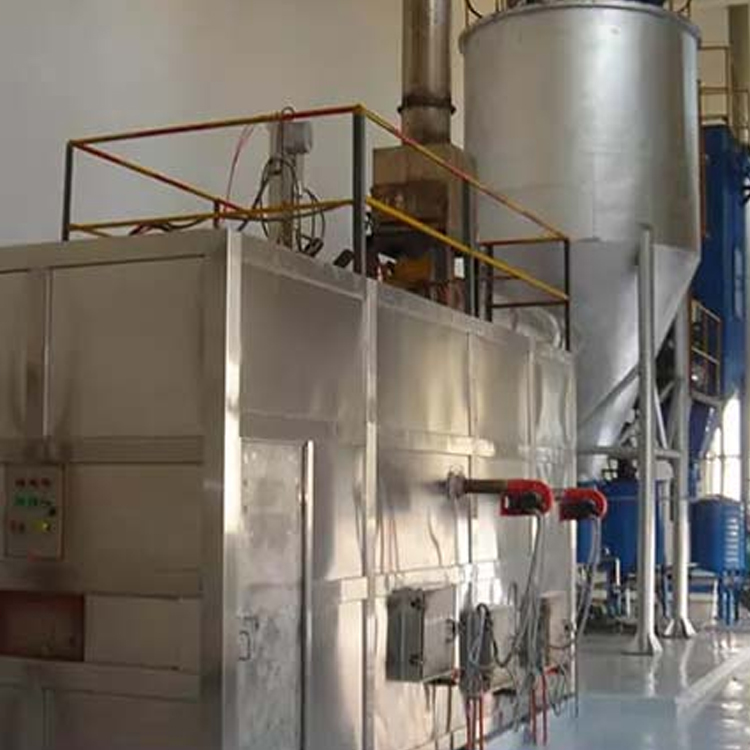 Waste Liquid Incinerator
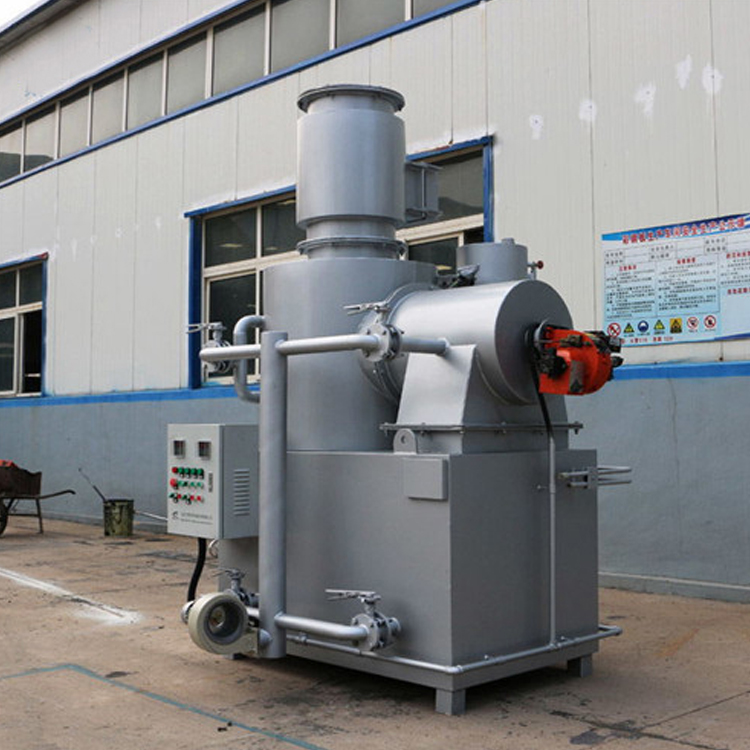 Waste Incinerator
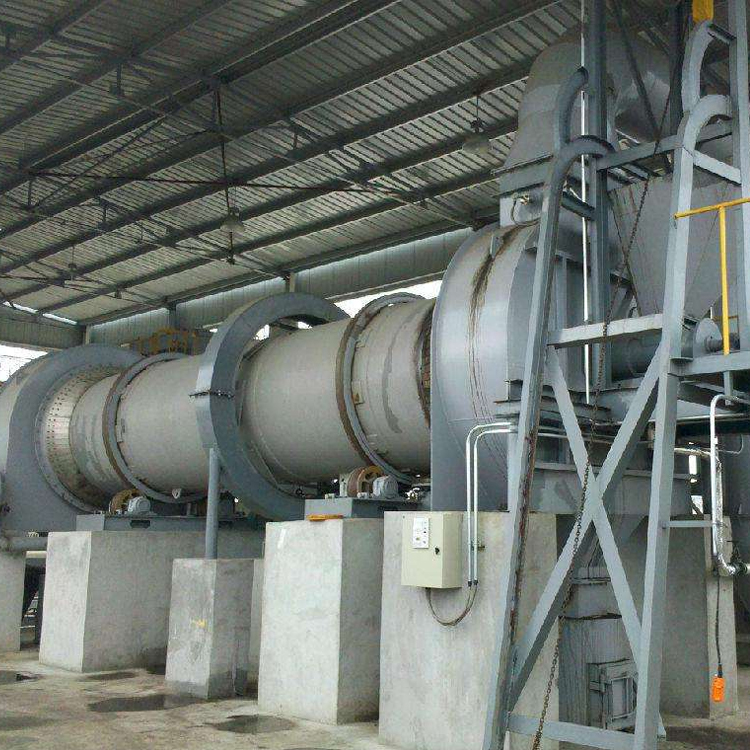 Rotary Kiln Incinerator
Product Details





产品Price Negotiable
最小起订Quantity:1 供货总Quantity: 100


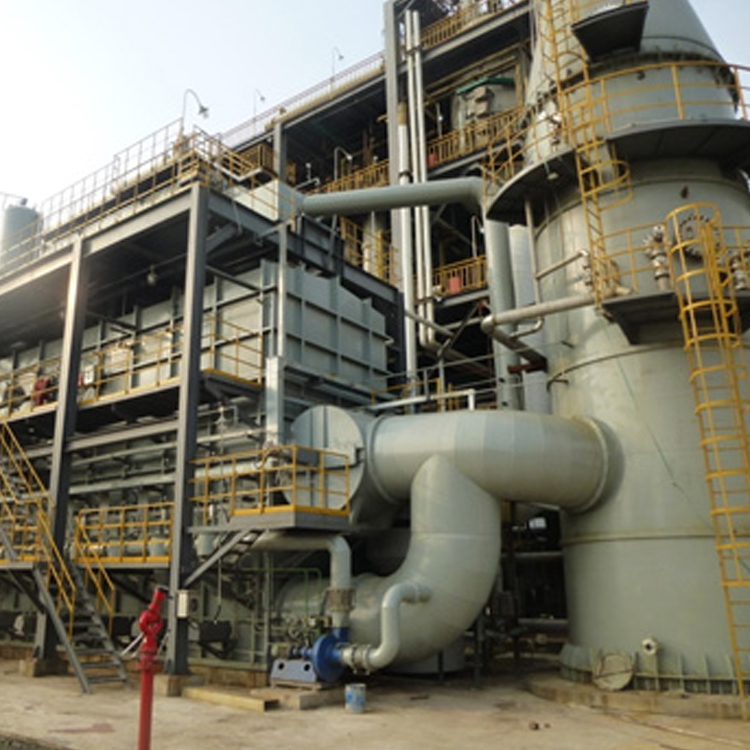
In the treatment of synthetic and distillation tail gases from silicone production, our company combines our own technology with a process that integrates thermal incineration, waste heat recovery, high-temperature dust removal, and烟气 absorption neutralization; the heat generated from incineration is recovered by a waste heat boiler to produce steam at 1.1 MPa for factory use. After high-temperature dust removal treatment, the hydrogen chloride-containing flue gas is subjected to emergency cooling absorption treatment, recovering 30% hydrochloric acid, followed by alkaline washing neutralization for standard emission. Flue gas emissions are conducted in accordance with GB18484-2001 "Pollution Control Standard for Incineration of Hazardous Waste." Process Features: 1. Synthetic and distillation tail gases emitted during silicone production have high calorific values. Their combustion can fully meet the requirements for flue gas incineration, with theoretical incineration temperatures reaching approximately 1400°C. Effective measures to prevent overheating must be taken during the incineration process. This process employs the method of injecting 10% waste hydrochloric acid into the furnace to lower the combustion temperature, reduce the amount of excess oxygen in the flue gas, inhibit the formation of CL2, and create conditions for recovering 30% of the hydrochloric acid. The amount of 10% waste hydrochloric acid injected is automatically regulated to control the furnace temperature. 2. This technology employs a micro-negative pressure operating system for incineration, with the entire system maintaining a negative pressure. There will be no exhaust gas or HCl-containing flue gas leakage, ensuring both safety and preventing secondary pollution. 3. After pyrolysis of silicone tail gas, HCL gas is contained in the flue gas, along with a large amount of SiO2 dust. A vertical waste heat boiler is used, and an acoustic descaling device is installed on the waste heat boiler to effectively address the dust blockage issue. The design pressure of the waste heat boiler is 1.1 MPa, with a corresponding saturation temperature of R180℃ which can effectively increase the wall temperature of the heat exchange tubes. The exhaust gas temperature is controlled around 250℃, significantly higher than the dew point temperature of HCL in the flue gas, effectively preventing dew point corrosion in the waste heat boiler. 4. Post-recovery heat boiler, a high-temperature bag dust collector is used to prevent dust from entering the subsequent absorption system, effectively ensuring the quality of the recovered hydrochloric acid. 5. The absorption of HCL in flue gas employs an emergency cooling condensation absorption tower and a secondary acid washing tower to enhance the absorption efficiency of hydrochloric acid, absorbing over 90% of the HCL gas in the flue gas and recovering 30% of the hydrochloric acid. 6. Added a demister before the alkali washing tower to capture the hydrochloric acid droplets carried by the flue gas, reducing the consumption of alkali solution in the alkali washing tower and ensuring that the HCL gas in the emitted flue gas meets the emission standards.

Phone Consultation