
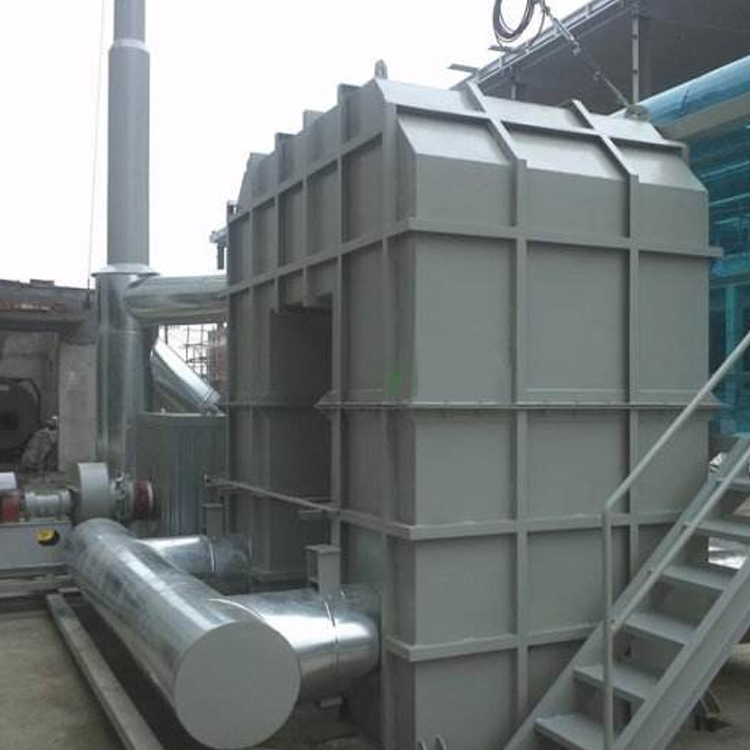
 Regenerative Catalytic Incinerator
 Waste Gas Incinerator
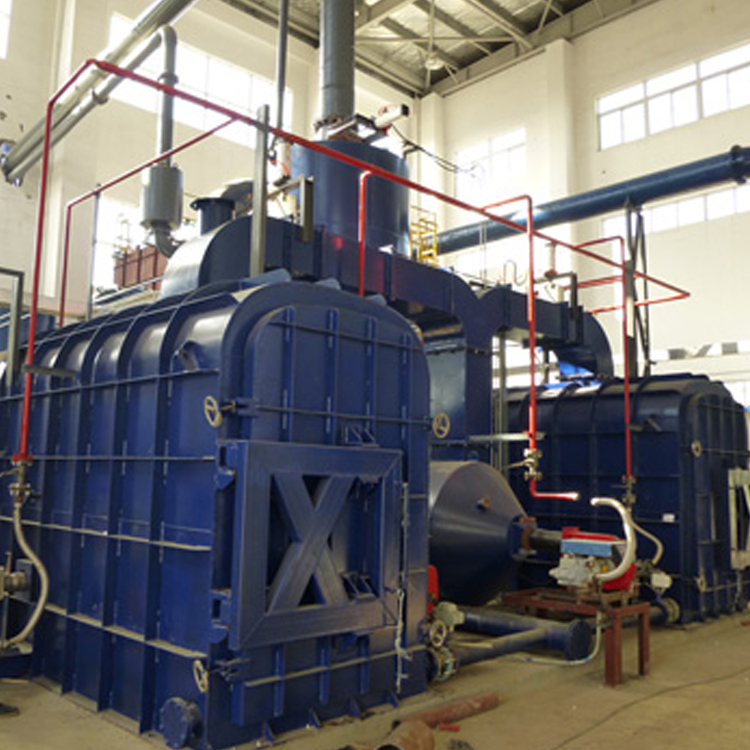 Furnace (Precious Metal Recovery)
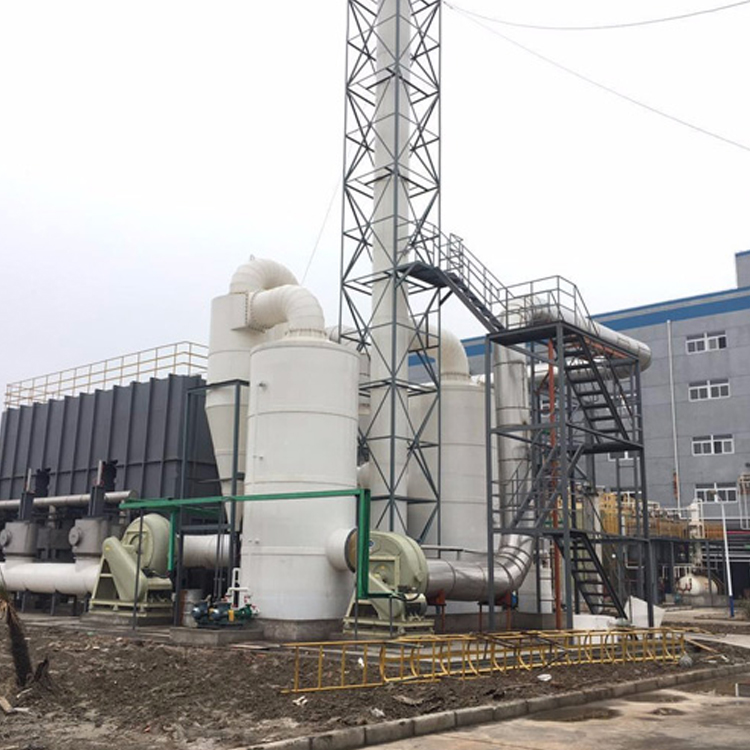 Regenerative thermal oxidizer
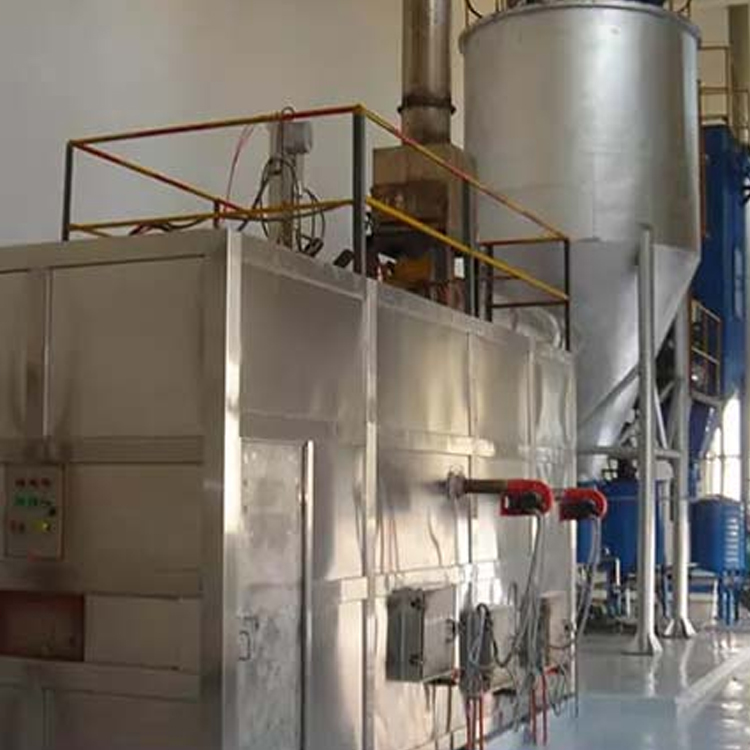 Waste Liquid Incinerator
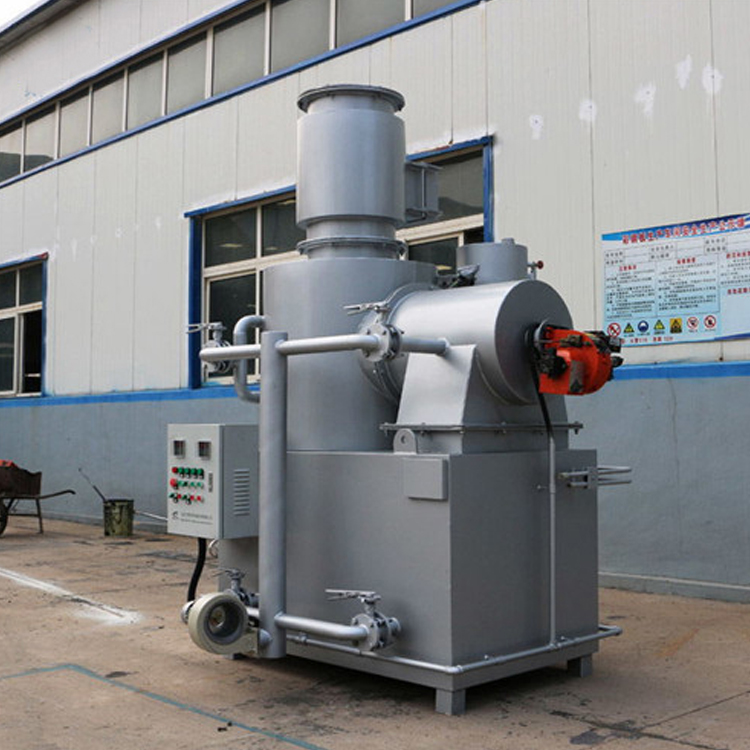 Waste Incinerator
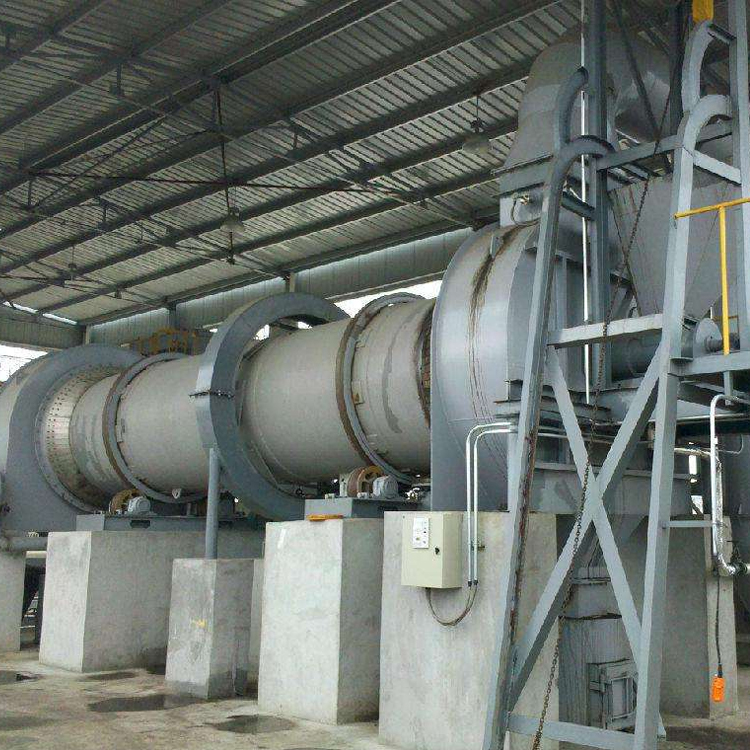 Rotary Kiln Incinerator
Product Details




产品Price Negotiable
最小起订Quantity:1 供货总Quantity: 100


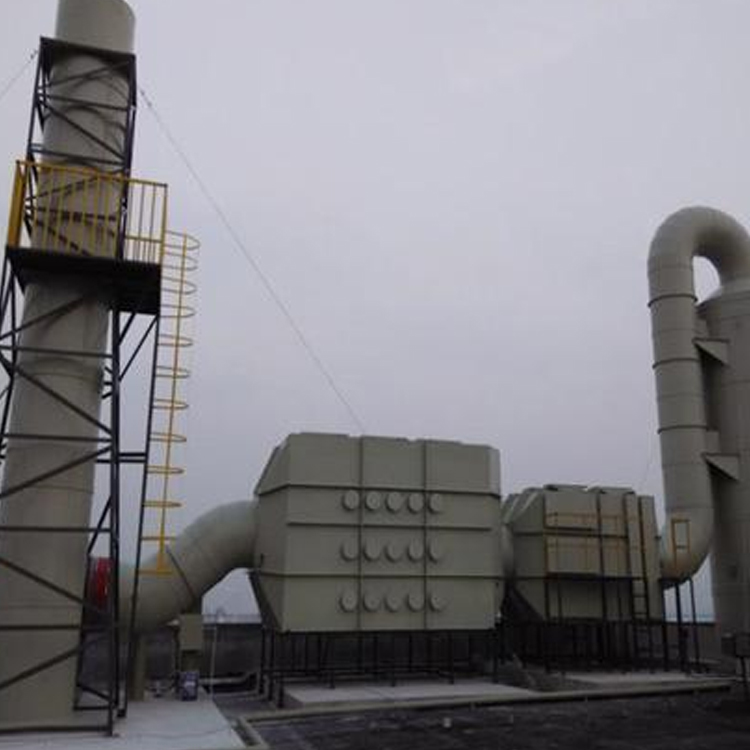
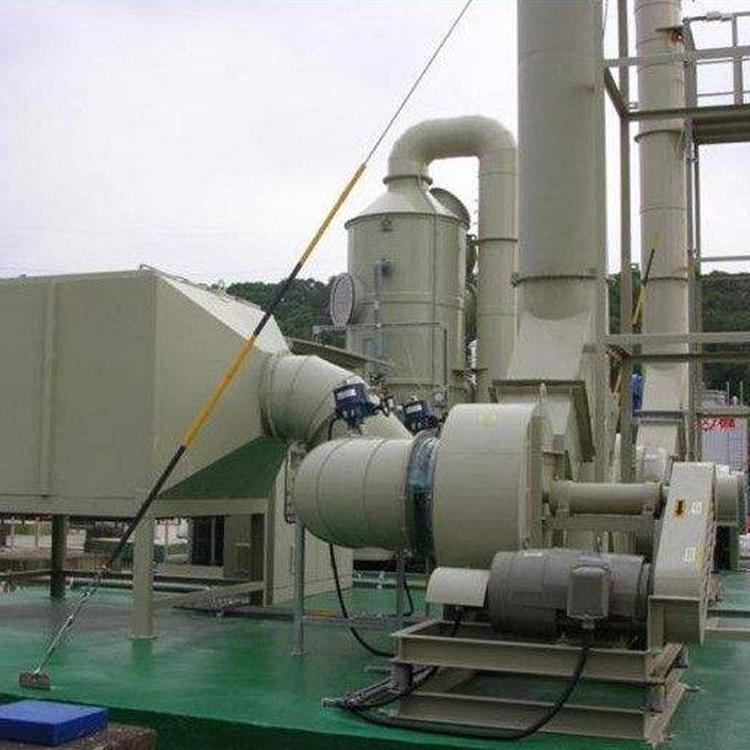
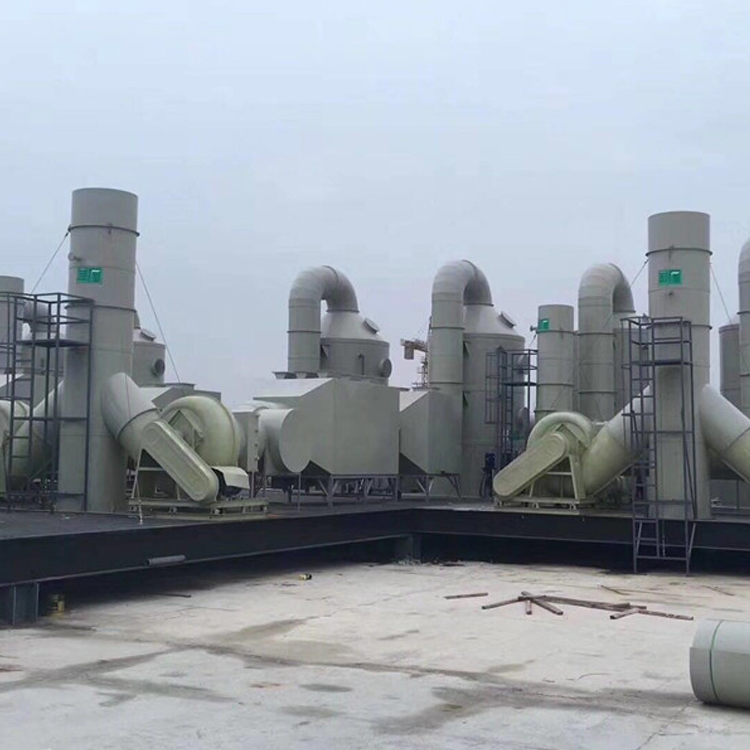
Catalytic combustion technology is applied to the treatment of common pollutants emitted from industries such as petrochemicals, light industry, plastics, printing, and coatings—organic waste gases. These gases often contain hydrocarbon compounds (aromatics, alkanes, alkenes), oxygen-containing organic compounds (alcohols, ketones, organic acids, etc.), nitrogen-, sulfur-, halogen-, and phosphorus-containing organic compounds. If these waste gases are not treated and released directly into the atmosphere, they will cause severe environmental pollution and harm human health. Traditional methods of organic waste gas purification, including adsorption, condensation, and direct combustion, often have drawbacks such as the potential for secondary pollution, high energy consumption, and limitations by the concentration and temperature of organic waste gases. In contrast, catalytic combustion technology is perfectly suited for purifying large volumes of organic waste gases, is cost-effective to operate, and takes into account the safety of waste gas combustion, heat recovery, and the lifespan of the equipment. Its features include a wide applicability, simple structure, high purification efficiency, energy savings, and no secondary pollution. Catalytic combustion technology involves oxidizing organic pollutants in waste gases to carbon dioxide and water at lower temperatures, facilitated by catalysts like platinum and palladium. Catalytic incinerators offer the following advantages: (1) Wide Application Range: Catalytic incineration can almost treat all types of organic waste gases and malodorous gases, making it suitable for various organic waste gas treatments with a wide concentration range and complex compositions. For waste gases with low concentrations and multiple components emitted from industries such as organic chemicals, coatings, and insulating materials, the treatment effect of catalytic incineration is superior, especially when there is no value in recovery. (2) High purification efficiency, up to 98% or more, ensuring exhaust meets environmental emission standards. (3) Flameless combustion, equipped with multiple safety measures, ensuring safe and reliable operation of the equipment. (4) Low ignition temperature, high heat exchange and heating efficiency, low energy consumption, and low operation costs. (5) Equipment layout is compact with minimal land use, saving construction and installation costs, and convenient for operation and maintenance management. (6) Utilizes an extremely sophisticated waste heat recovery system, maximizing the recovery of waste heat: After the catalytic furnace, a heat-conducting oil furnace or waste heat boiler (producing superheated high-temperature steam) can be connected; low-temperature flue gas is used to preheat exhaust gases. Offers significant economic benefits, while the normal production process requires no fuel. (7) Utilizes a rectangular catalytic reactor for easy catalyst loading, replacement, and maintenance. (8) Utilizing imported palladium and platinum-plated stainless steel metal honeycomb catalysts specifically tailored for our needs, these offer high activity, excellent high-temperature stability (up to 730°C), high mechanical strength, long service life (up to 4-5 years), low pressure drop, and easy cleaning with a wide range of applications.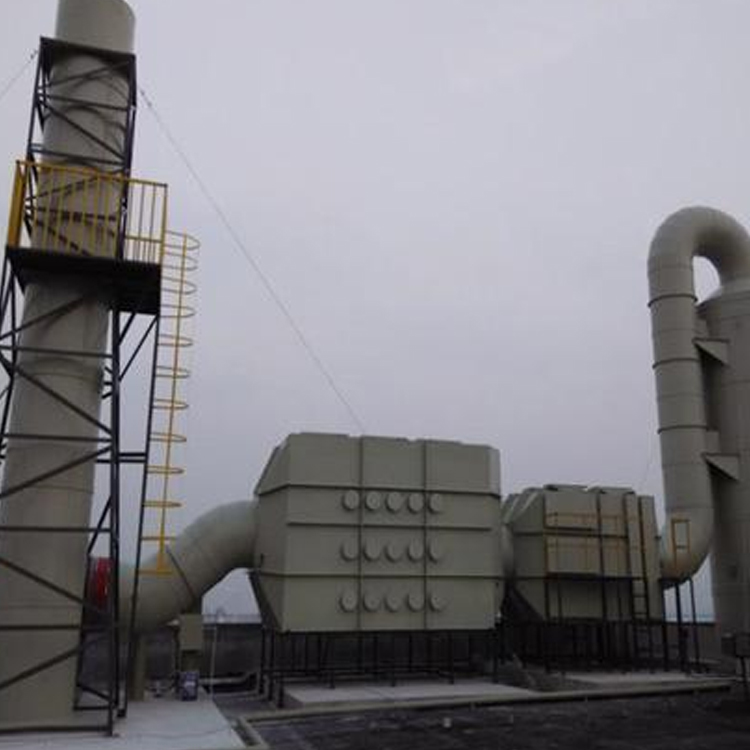

Phone Consultation