
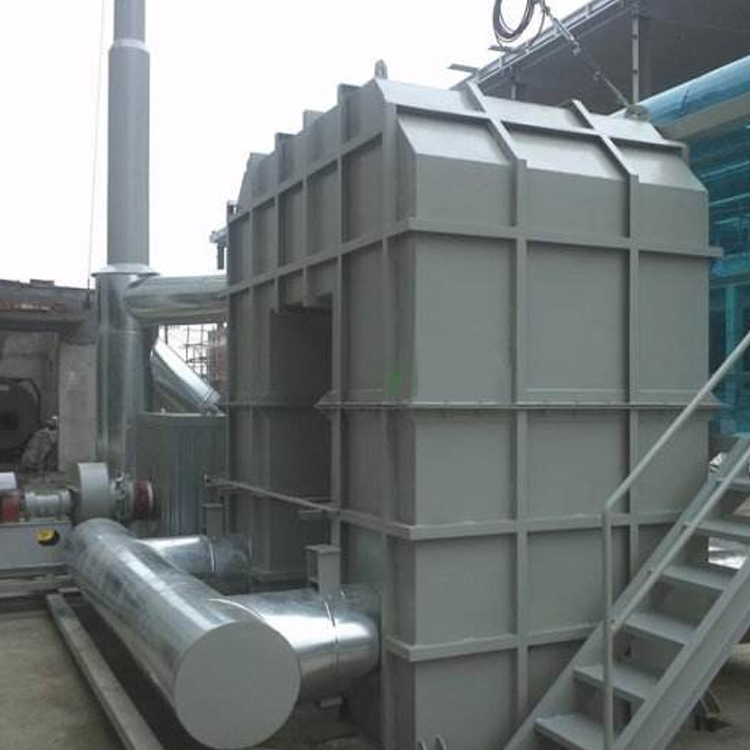
 Regenerative Catalytic Incinerator
 Waste Gas Incinerator
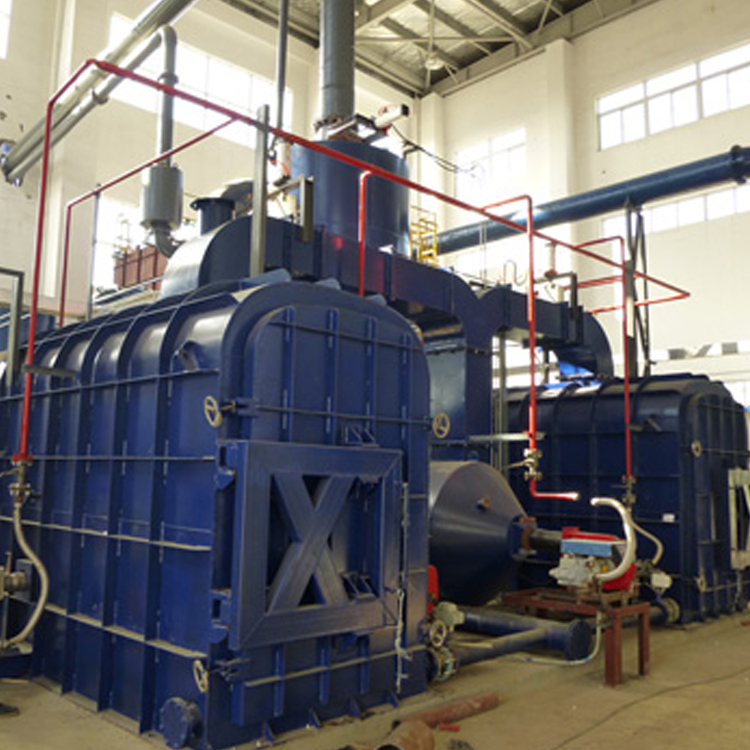 Furnace (Precious Metal Recovery)
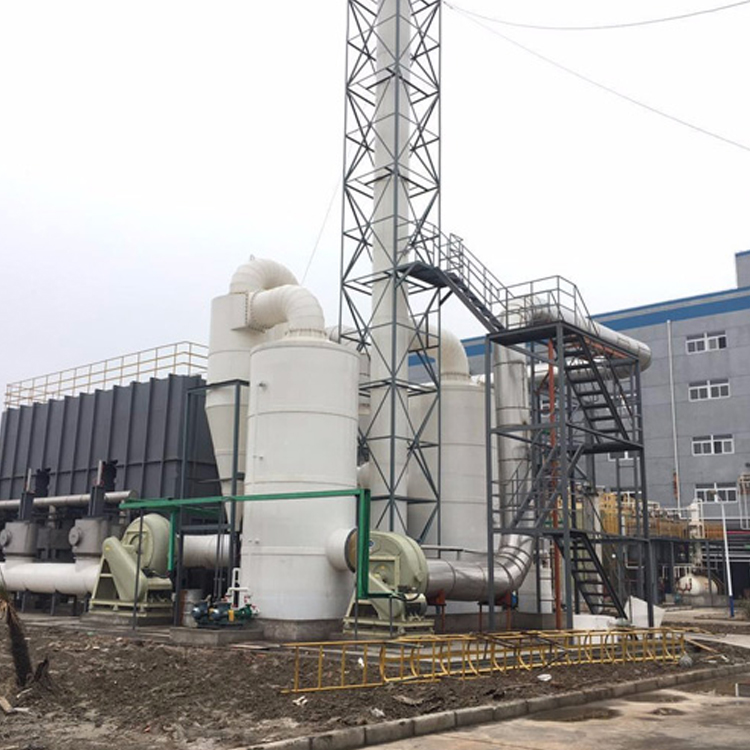 Regenerative thermal oxidizer
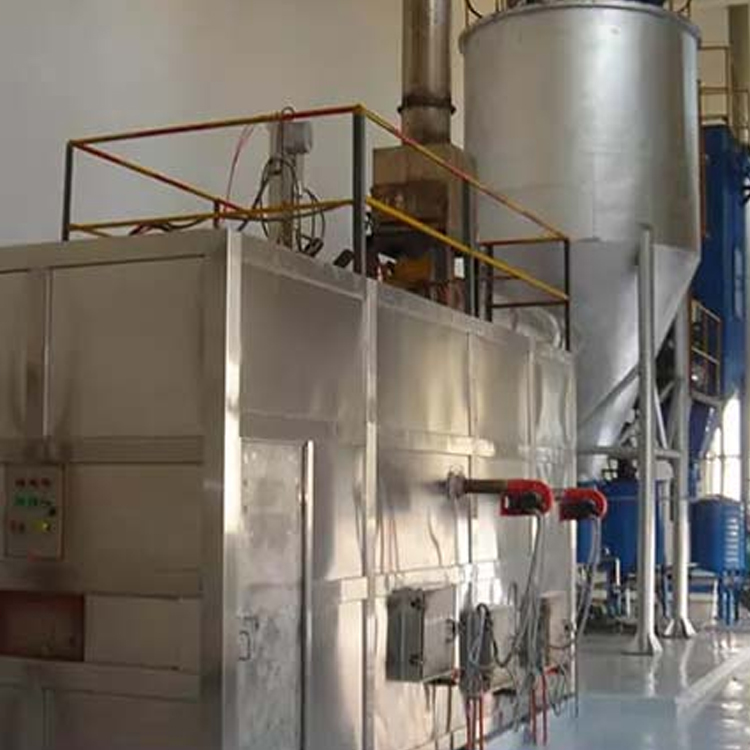 Waste Liquid Incinerator
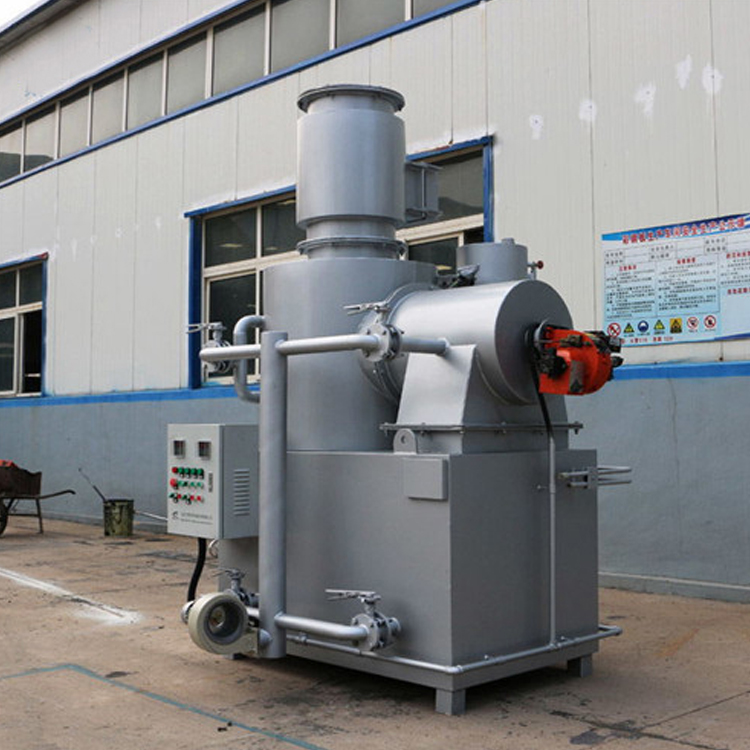 Waste Incinerator
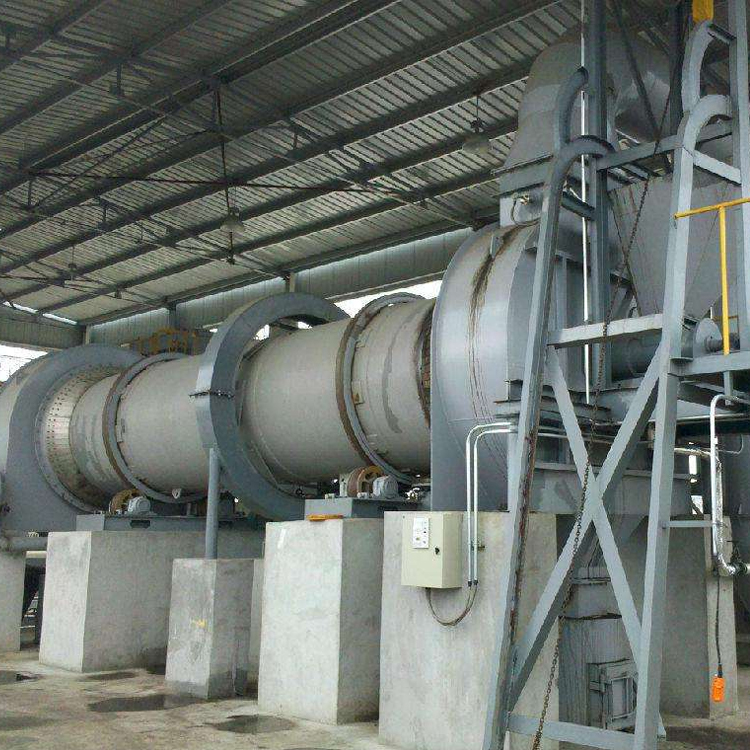 Rotary Kiln Incinerator
Product Details



产品Price Negotiable
最小起订Quantity:1 供货总Quantity: 100


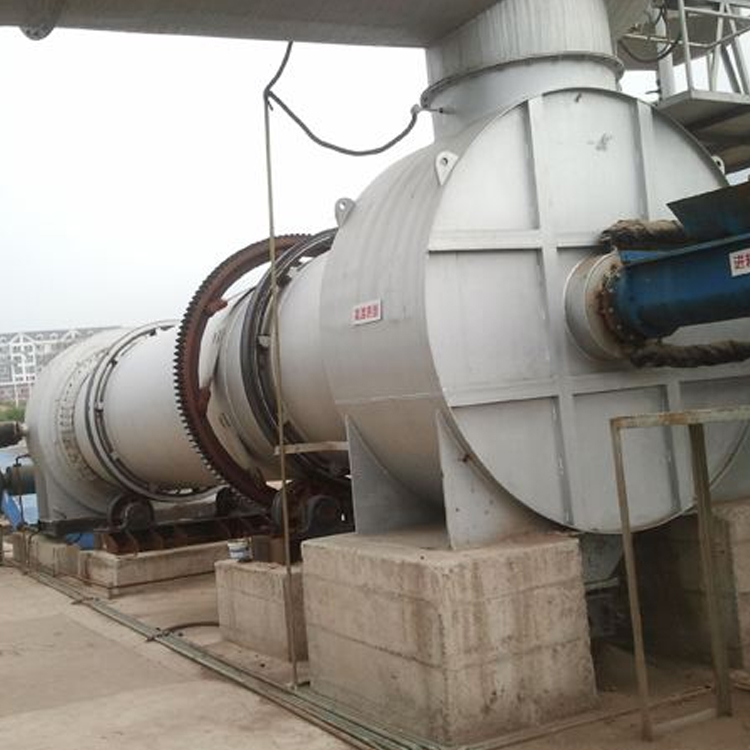
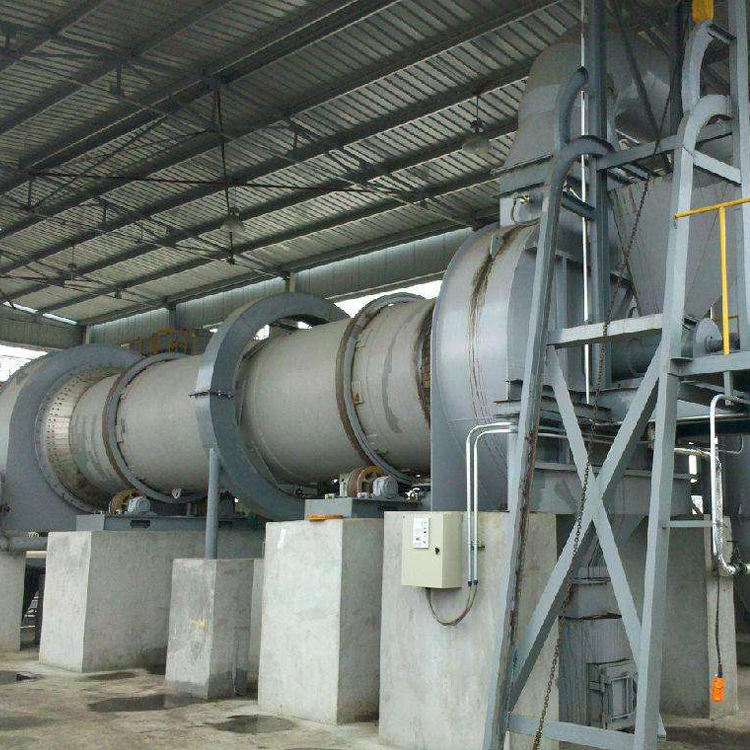
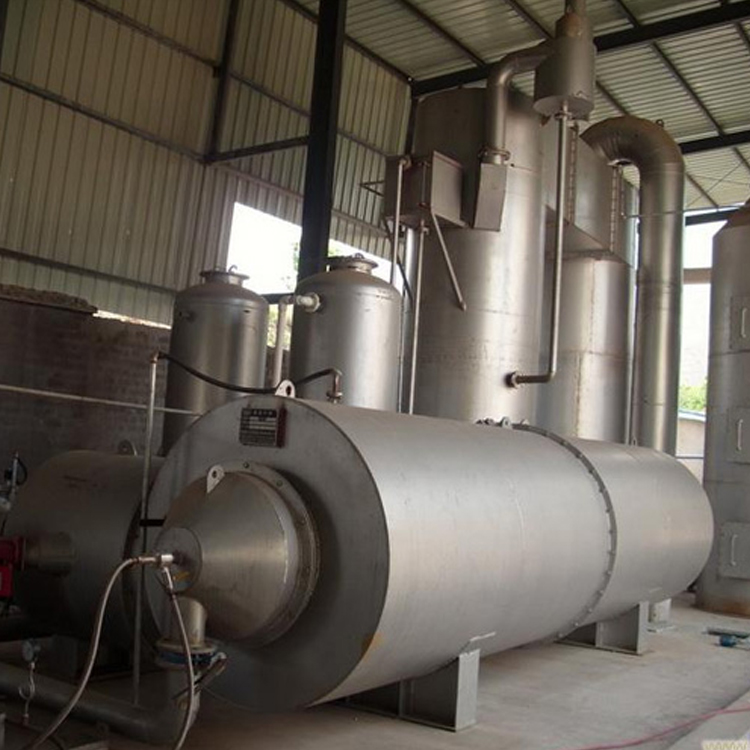
The rotary kiln is a widely used incineration equipment in the field of industrial waste treatment, accounting for about 85% of the market share in the incineration sector of industrial waste. It is also recommended as a type of incinerator in the national industrial waste treatment technology policy issued by China's Ministry of Science and Technology and the State Environmental Protection Administration. It can simultaneously process solid, liquid, and gaseous wastes. Solid waste is fed into the rotary kiln by conveying equipment, liquid waste is sprayed into the kiln by a atomization device, and gases are introduced through pipelines. The solid waste undergoes moisture evaporation, volatile component separation, ignition, and combustion within the kiln. The ash and slag composition is discharged from the bottom of the discharge box. The generated flue gas enters the secondary combustion chamber, where it mixes with secondary combustion air to achieve complete combustion of the flue gas and achieve safe and compliant tail gas emissions. The features of the rotary incineration kiln include wide adaptability to waste, simple operation and maintenance, and a long service life. The characteristics of this rotary kiln can be summarized as follows: This equipment can simultaneously incinerate solid waste, liquids, colloids, and gases, with strong adaptability to the waste to be incinerated. The incinerated materials churn within the kiln, with rapid heat transfer and high combustion efficiency. Easy-to-change refractory lining with low costs. Simple transmission mechanism; open gear pair drive, easy equipment maintenance. Low requirements for the shape of the combustion products and moisture content. The material can be adjusted to stay in the kiln for over one hour, with combustion temperatures maintained above 800°C, ensuring that hazardous waste is mostly incinerated; the secondary chamber's high temperature of 1100°C, the strong mixing of secondary air, and the 2-second residence time of flue gas result in the complete decomposition of uncompletely decomposed harmful components in the flue gas; not only does it incinerate the waste thoroughly, but it also avoids or reduces the conditions for dioxin generation at the source. Robust sealing and negative chamber pressure ensure harmful gases are not emitted. High operational efficiency, with an annual operation rate typically exceeding 90%; easy to operate and maintain.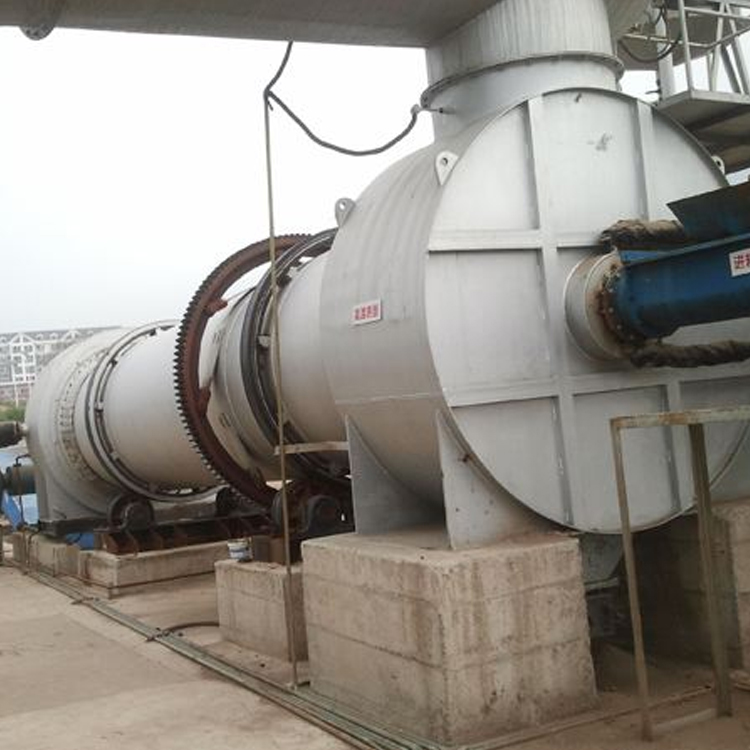

Phone Consultation