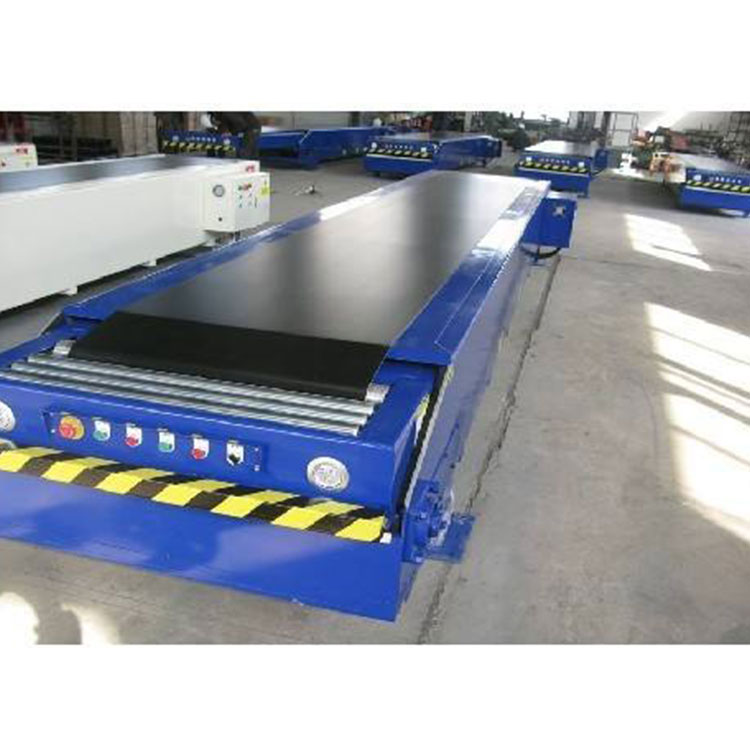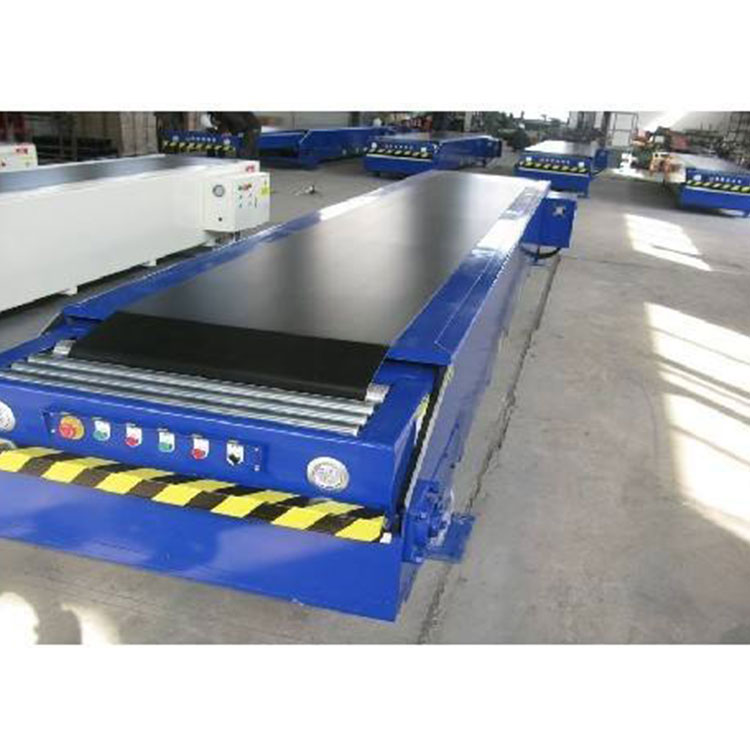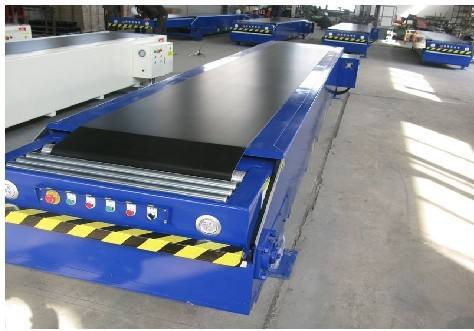
Belt conveyors, also known as belt-driven conveyors, belt conveyor lines, belt assembly lines, and rubber belt conveyors, utilize the continuous or intermittent movement of belts to transport a variety of items with different weights. They can handle both bulk materials and individual items such as boxes and bags with light weights, making them suitable for a wide range of industries including food, electronics, chemicals, and printing.
Structure options include: groove belt conveyors, flat belt conveyors, inclined belt conveyors, and more. The conveyors can also be equipped with accessories such as lifting plates and skirt edges. They can meet various process requirements. The conveyor sides are equipped with workbenches and lighting racks, making them suitable for electronic instrument assembly, food packaging, and other assembly lines.
Body Structure Materials: Carbon Steel, Stainless Steel, Aluminum Profiles.
Belting Material: Made from a variety of materials including rubber, silicone, PVC, and PU. In addition to conveying general materials, these belts can also meet the requirements for oil resistance, corrosion resistance, and static dissipation for materials with special needs. Specialized conveyor belts are available to cater to the needs of industries such as food and daily chemical products.
Speed of transmission and drive mode: Reduced motor drive, electric roller drive.
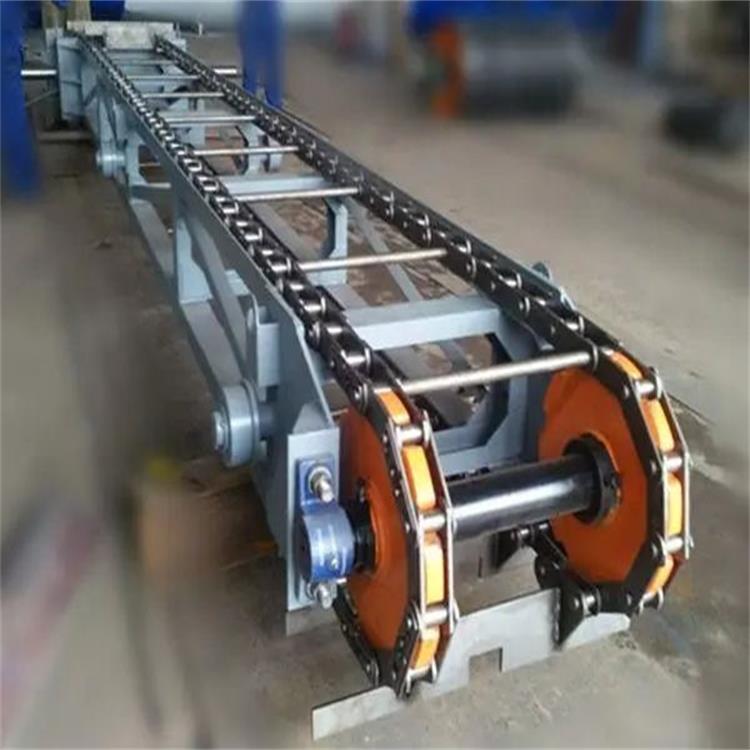
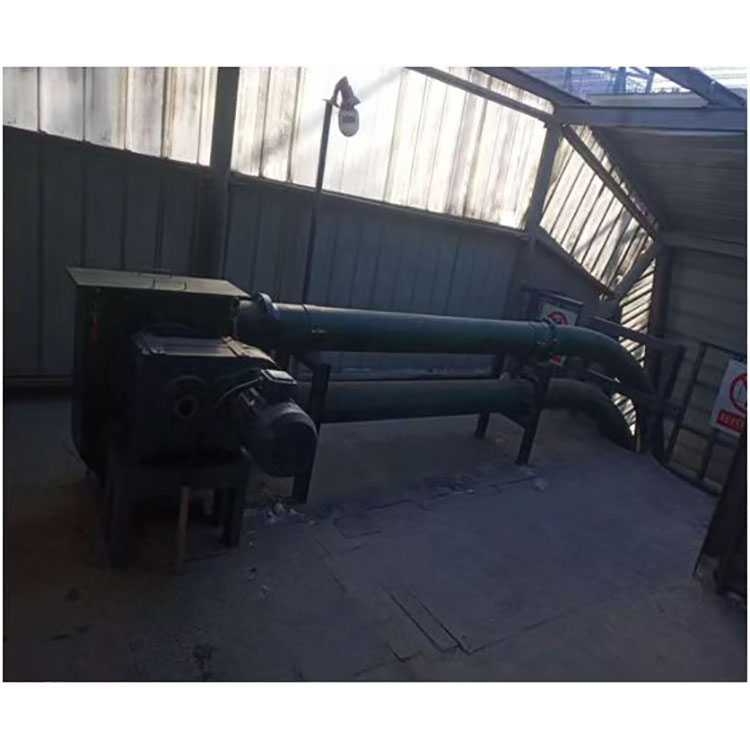 Chain Conveyer
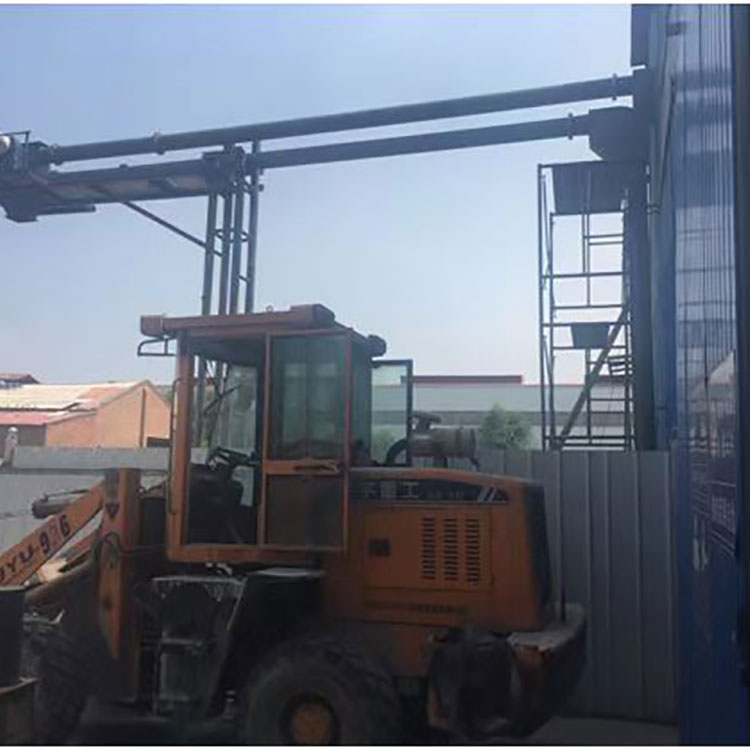 Chain Conveyer
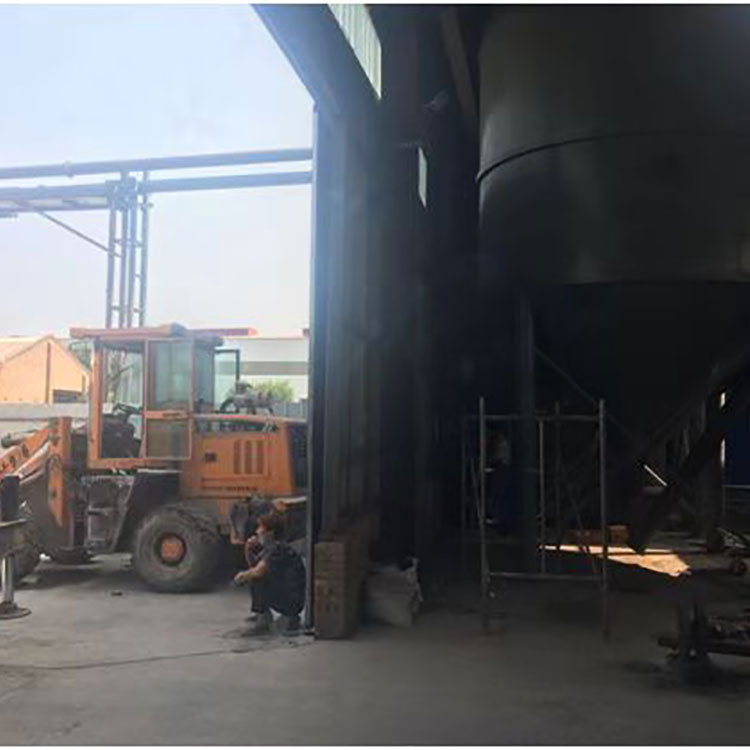 Chain Conveyer Manufacturer

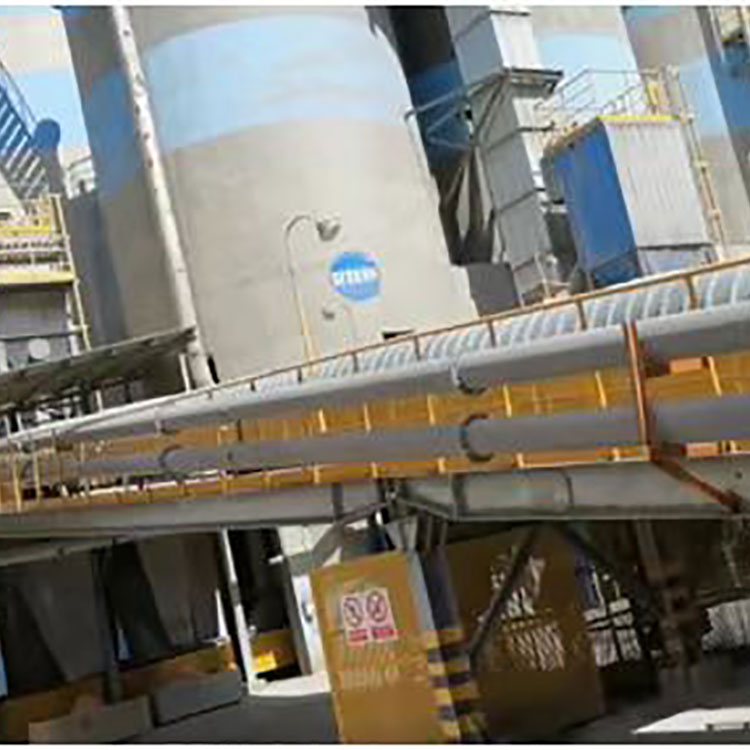 Chain Conveyer
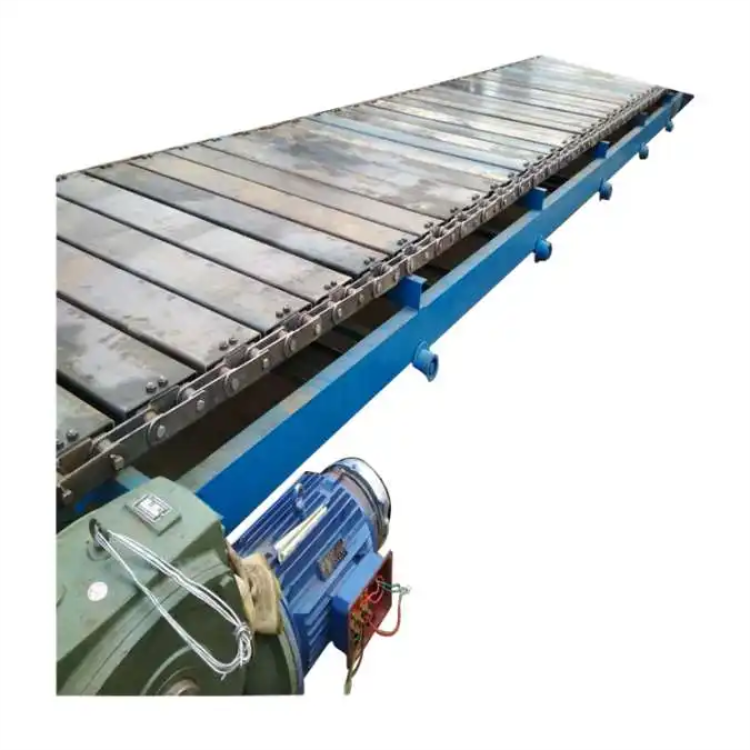 Belt conveyor
 Screw conveyor
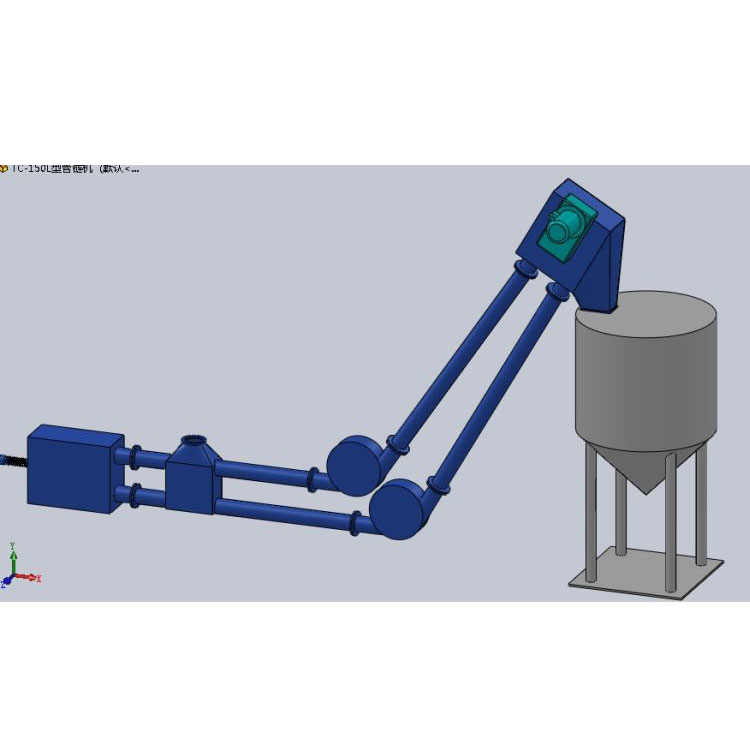 3D Swivel Chain Machine