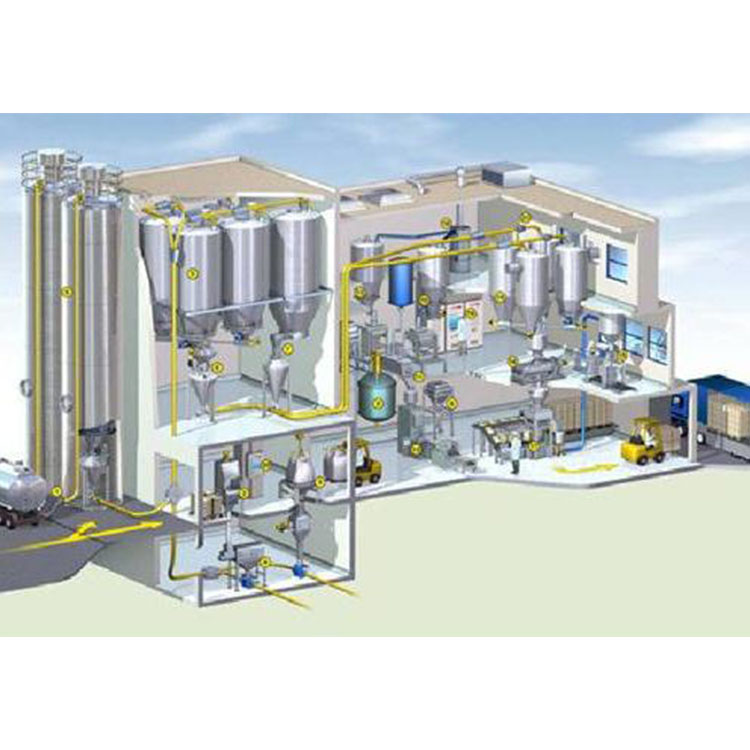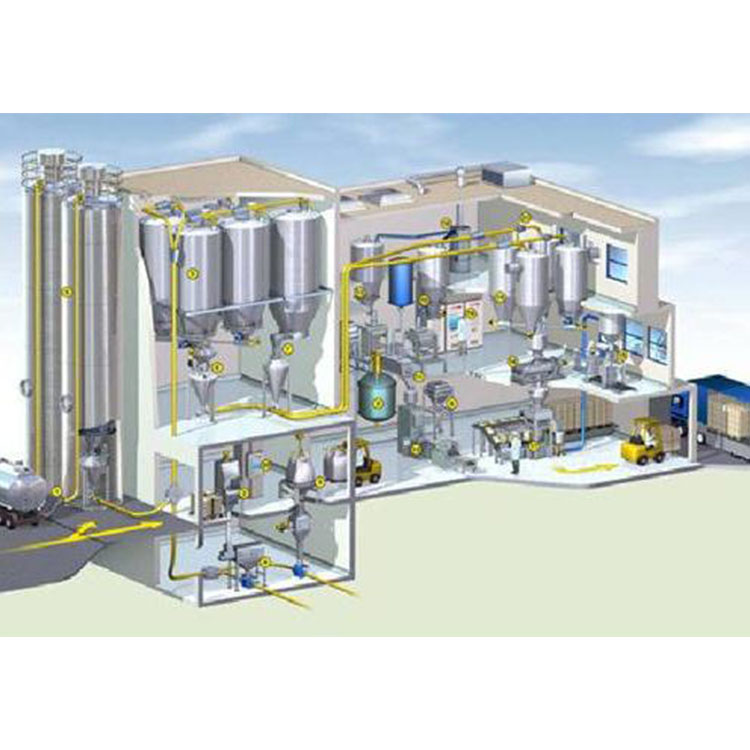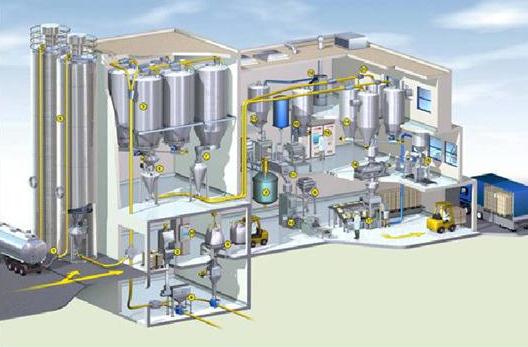
In industrial production, pneumatic conveying is a common piece of equipment. Throughout the entire conveying process, factors are crucial. What should be noted during the process? Before actual operation, it's essential to check if the power supply is properly plugged in and the wiring is good. If everything is correct, proceed to the next stage. Start the top bag dust collector, the air compressor, open the upper gate valve of the conveying equipment, begin feeding, and once the small hopper has sufficient material, start the Roots blower. Open the bypass valve, perform a full load test for 5-10 minutes to blow away any dirt in the pipeline and slag from welding. Check for leaks at all pipeline connection points, ensure the dust removal equipment is functioning properly, and that the pressure gauge is displaying correctly. If all is normal, continuous operation can proceed. Verify that the top dust removal equipment is working properly, with operating resistance < 1500Pa. Check for any damage to the permeability layer. Be cautious of slag burning through the bottom permeability layer during assembly. Upon completion of operation, ensure the power supply is disconnected, turn off the electric actuator to zero, empty the pipeline, and then shut down the centrifugal fan.
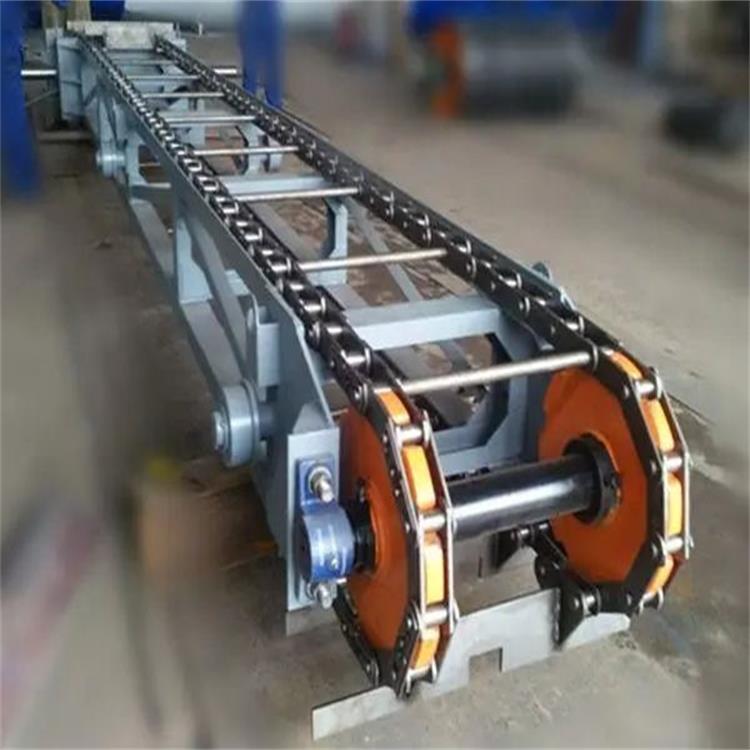
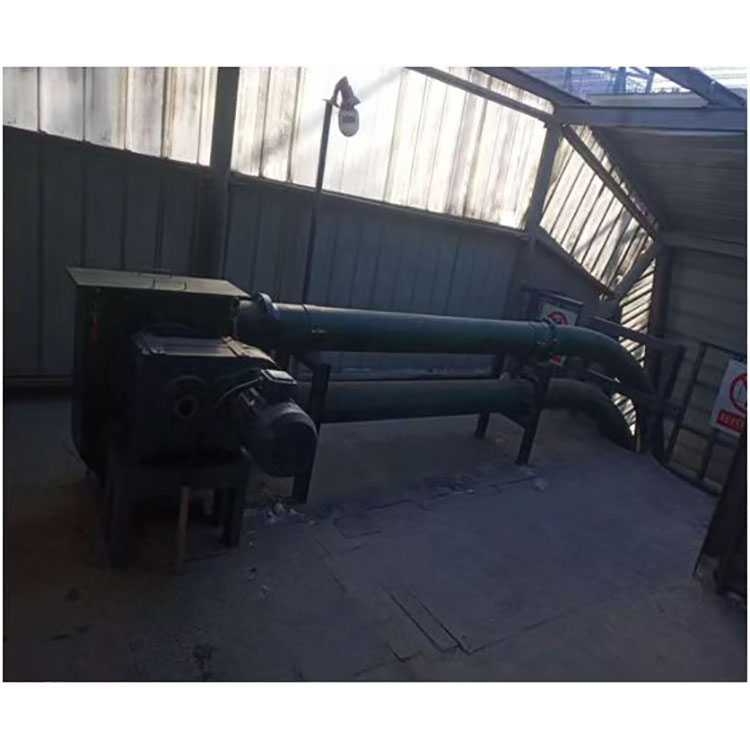 Chain Conveyer
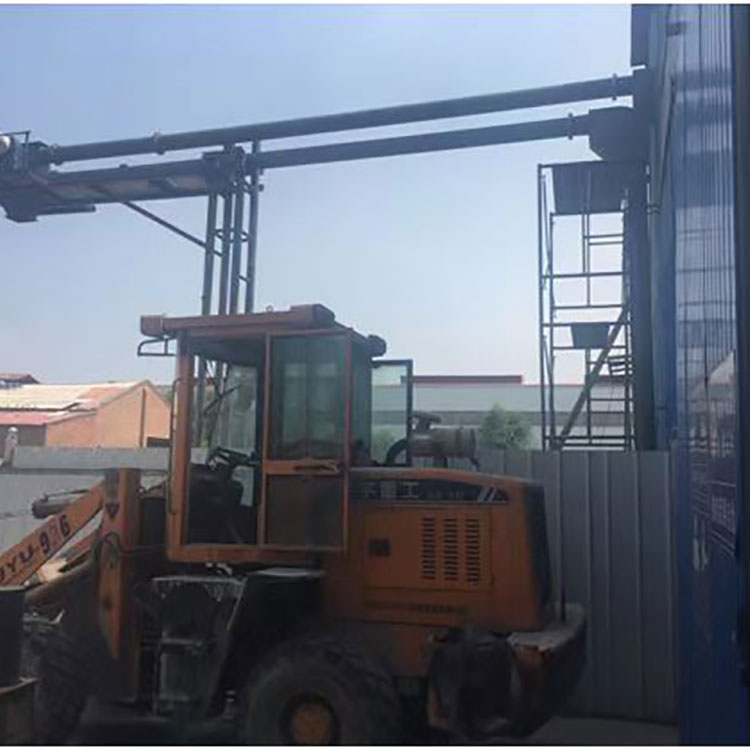 Chain Conveyer
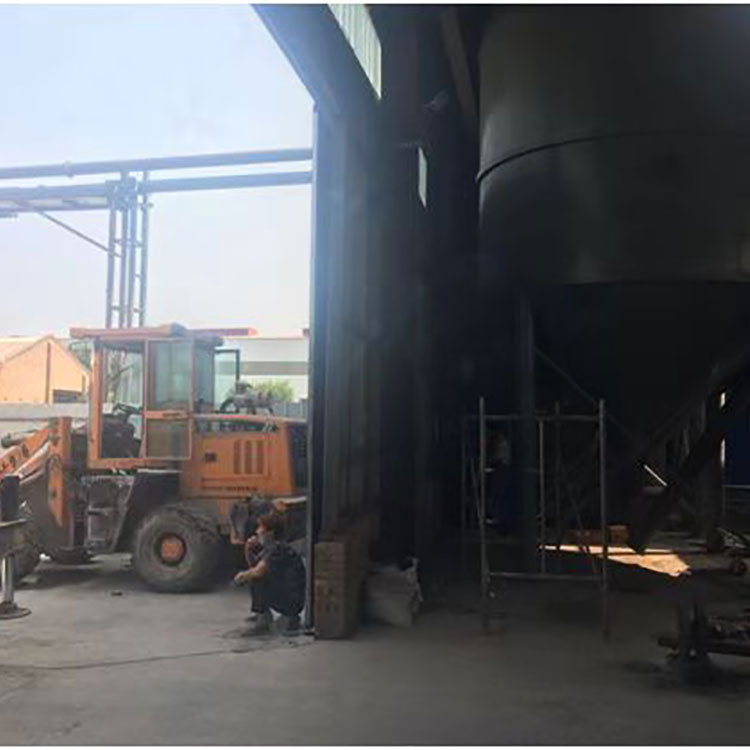 Chain Conveyer Manufacturer

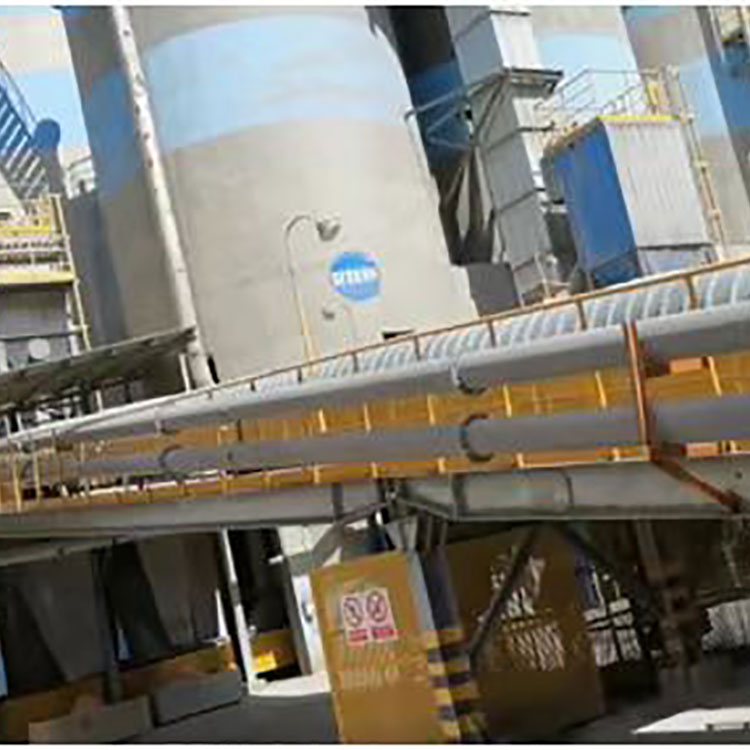 Chain Conveyer
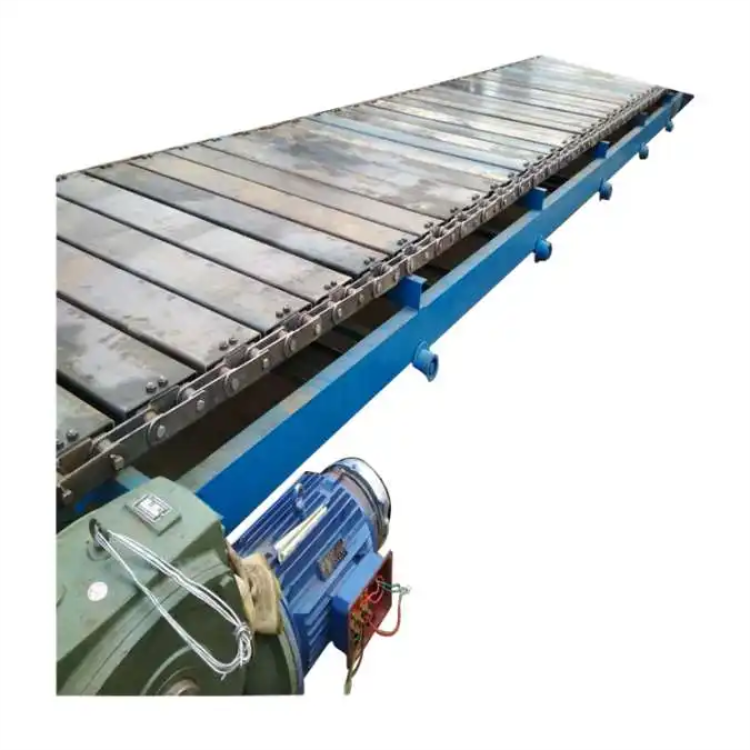 Belt conveyor
 Screw conveyor
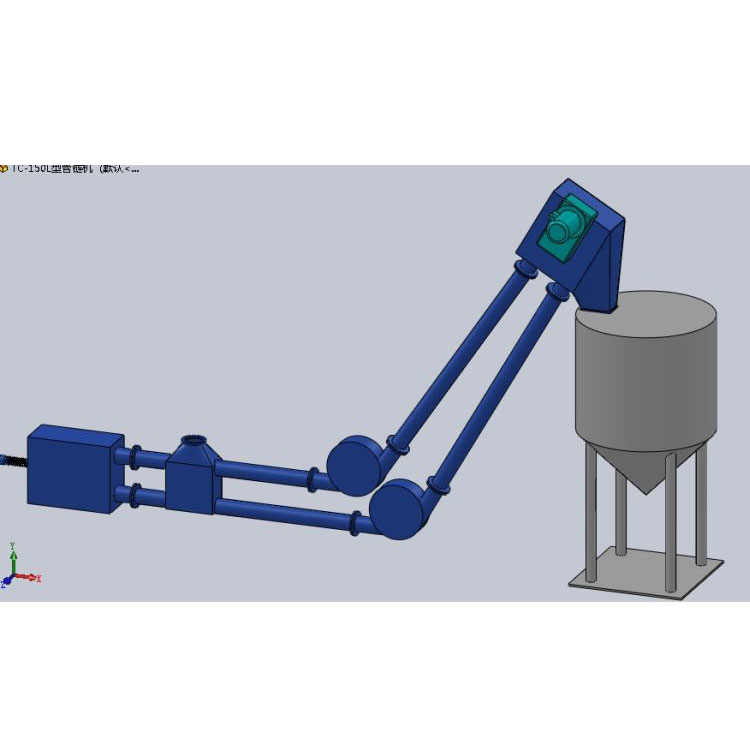 3D Swivel Chain Machine