





- AllProduct Category
-
Miscellaneous Products
Shielding Cabinet
Shielded Server Room
Shielded Room


详情描述
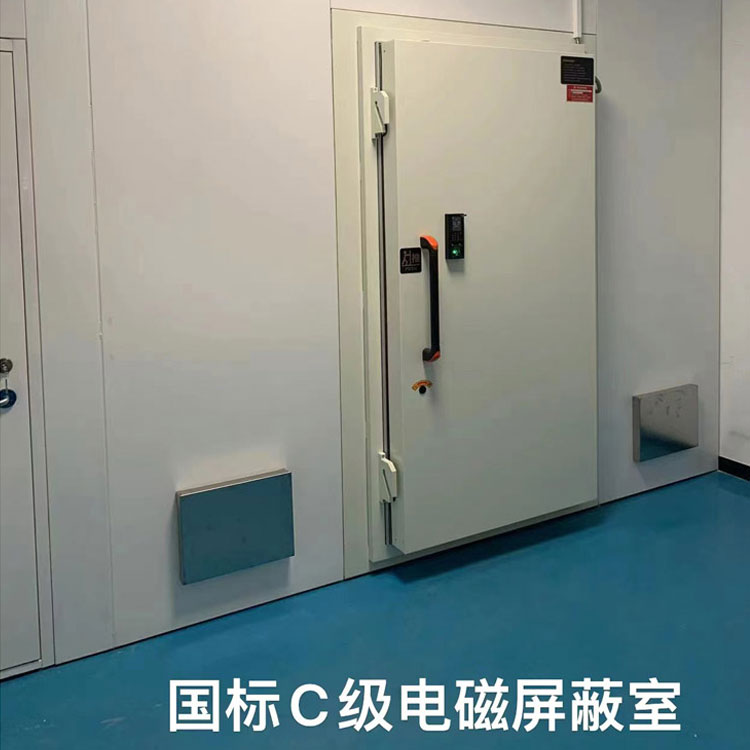
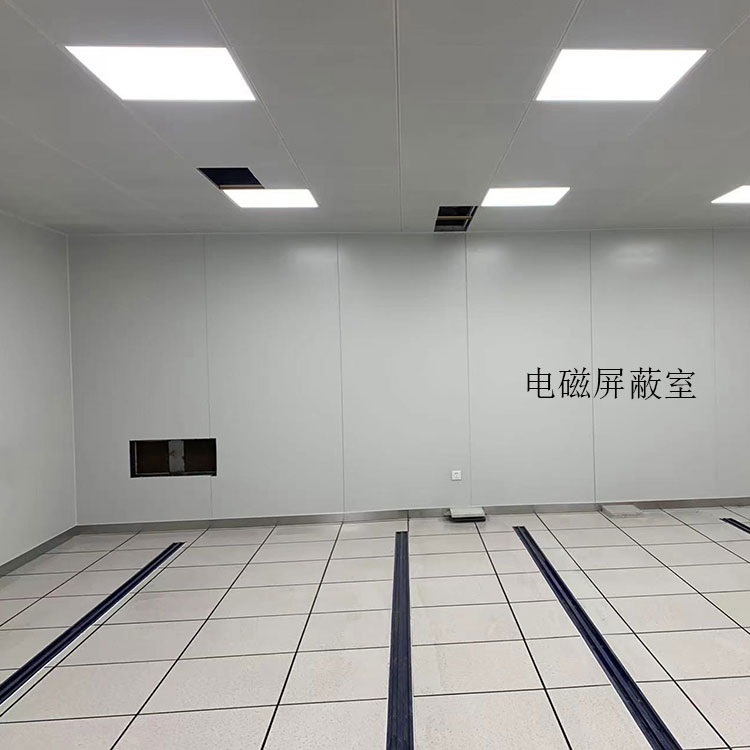
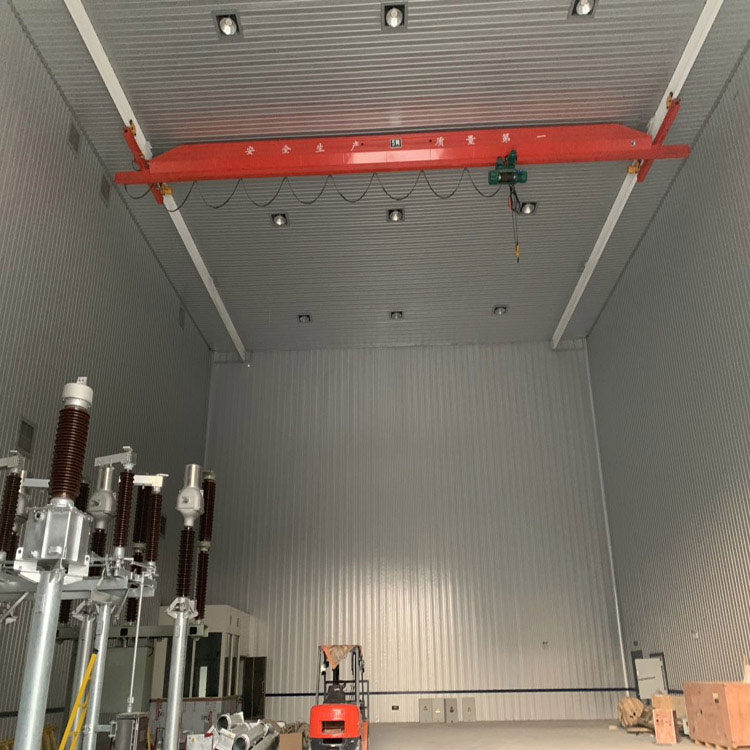
Low-frequency magnetic shielding room for cathode luminescence systems, scanning electron microscopes, transmission electron microscopes, material analysis equipment, and other precision instruments.
Basic Requirements
The laboratory will consist of an air cylinder room, changing room, air shower room, and ultra-clean room, all outside the laboratory space. Upon completion, the lab will meet the instrument installation requirements specified by the instrument manufacturers.
The site laboratory report indicates that the DC magnetic field exceeds the standard, necessitating the implementation of a passive magnetic shielding system.
Engineering design principles include: 1) Rational structure, with materials selected for energy conservation, environmental protection, flame retardancy, and rust prevention; 2) Adhere to the principle of people-oriented design, ensuring the overall aesthetics of the laboratory; 3) System stability and reliability, facilitating daily maintenance and repair.
Upon completion of the laboratory construction, the following requirements must be met:
- Ensure the AC magnetic field within the electron microscope room: frequency between 10 Hz to 1 kHz, <1mG (peak-to-peak), DC magnetic field: change less than 0.5mG within 5 minutes, and fully consider the impact of magnetic field changes in the later stage.
- 2. Ensure electron microscope room noise: 20-120Hz: <52dB, 120-450Hz: <43dB, above 450Hz: <47dB
- 3. Ensure indoor vibration: Vibration in the horizontal direction with frequencies between 0-10Hz, vibration rate < 7 um/sec; frequencies between 10-60Hz, vibration rate < 15 um/sec; frequencies above 60Hz, vibration rate < 20 um/sec.
- Vibration vertically with frequencies between 0-10Hz, vibration rate < 6um/sec; frequencies between 10-60Hz, vibration rate < 20um/sec; frequencies above 60Hz, vibration rate < 30um/sec.
- 4. The ground under the electron microscope should not be paved with steel plate, and it should be sturdy and durable for easy maintenance.
- 5. Detailed explanations are required for the key technologies of laboratory magnetic field shielding control.
- 6. Supply exhaust and air conditioning systems that meet the indoor constant temperature requirements (environmental temperature: 21°C +/- 4°C, stability: 0.5°C/h), with low noise and long-lasting durability.
- 7. The laboratory door width and height should accommodate the entry of equipment.
- 8. The power supply for the electron microscope main unit should be 220V, single-phase three-wire, without leakage protection, and equipped with a 25A current and an independent isolator.
- Magnetic shielding decorative section:
- The main shielding shell is constructed using a high permeability material welding structure to form a hexahedral magnetic shielding shell.
- 2. Low-carbon shielded steel plates (magnetic degaussing treated) require continuous full welding, and the structural housing needs to be double-sided welded.
- 3. Ridge: Welded with square steel for support; the beam is reinforced with square steel welding.
- 4. Welding Method: Full seam welding is used between panels.
- 5. The structure is assembled on-site. Based on the site conditions and technical requirements of the drawings, assembly and hoisting plans are formulated to ensure engineering and technical quality.
- 6. After steel plates are processed and trimmed, they must undergo a specialized anti-magnetic treatment before being transported to the construction site.
- Vibration Dampening Section:
- 1. Vibration isolation base for waveguide ports. Active damping equipment as a backup solution.
- 2. The quality of the vibration-reducing concrete foundation is determined by the specific foundation conditions. The concrete vibration isolation platform should achieve a "soft connection" with the external environment.


