An integrated high-tech building materials company encomp...


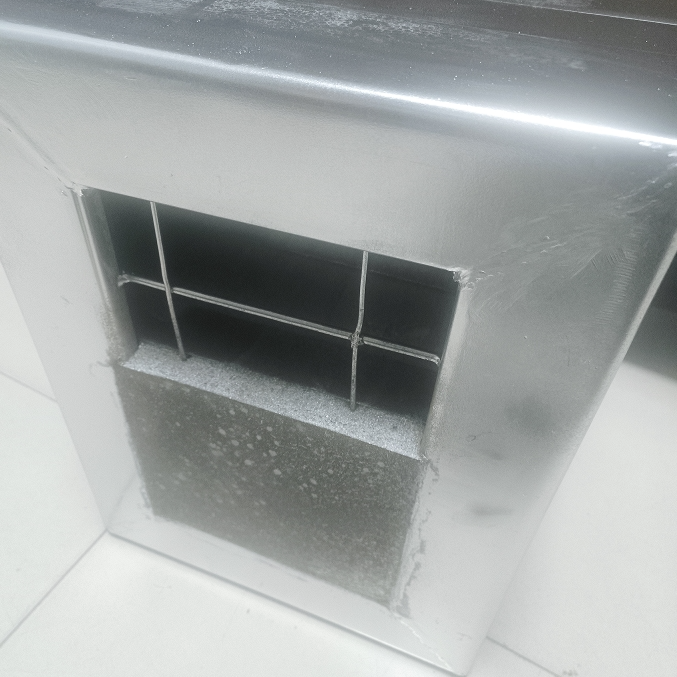
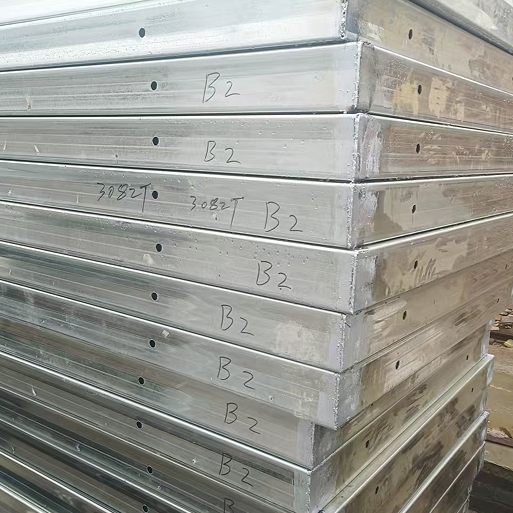
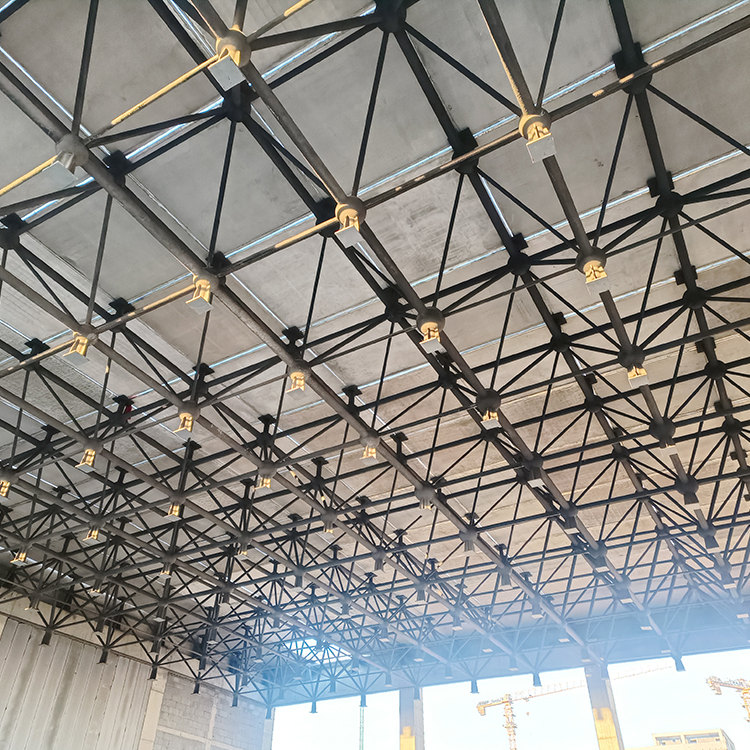
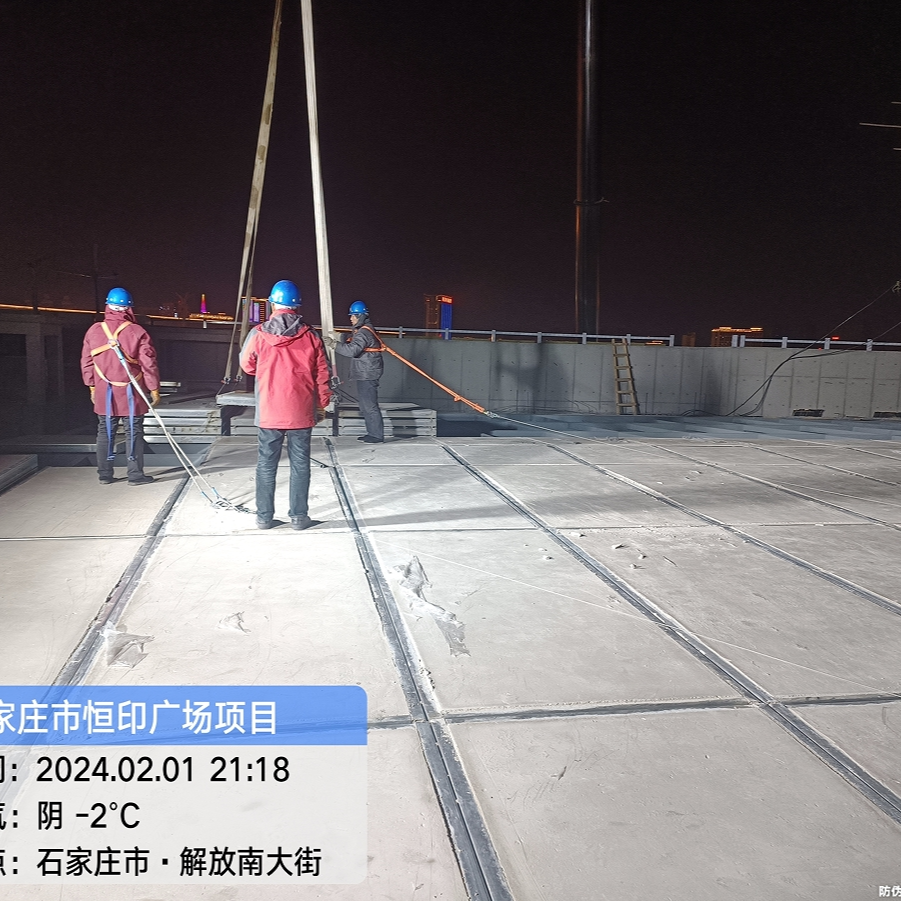
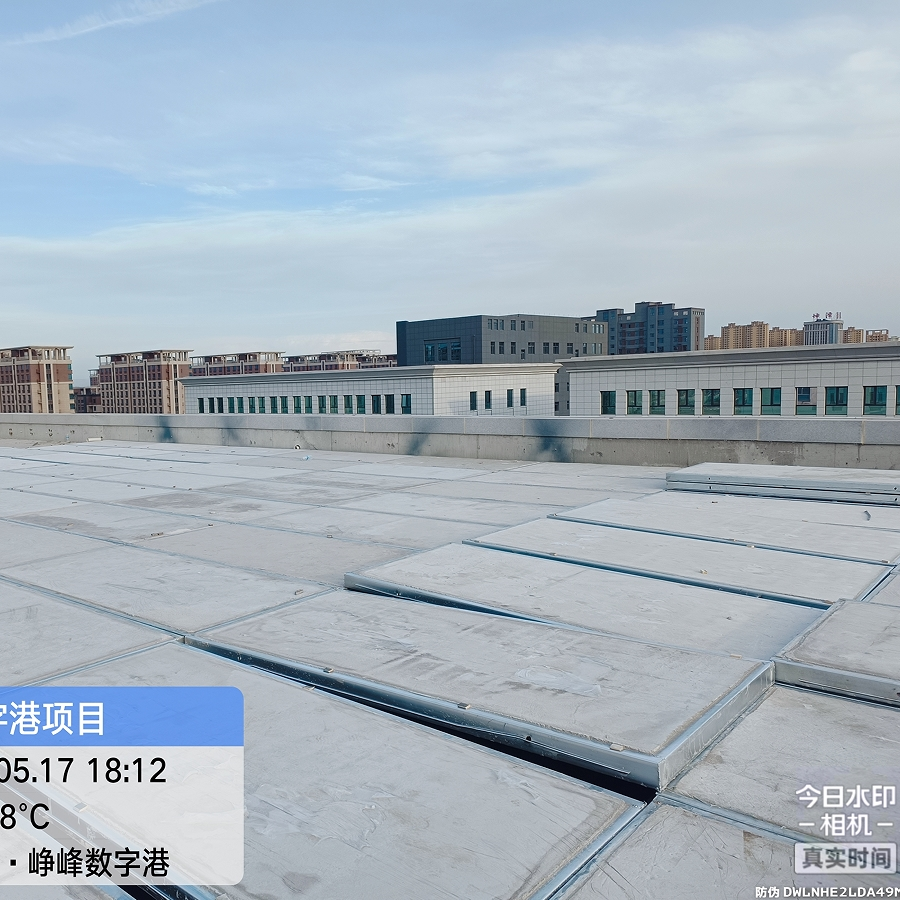
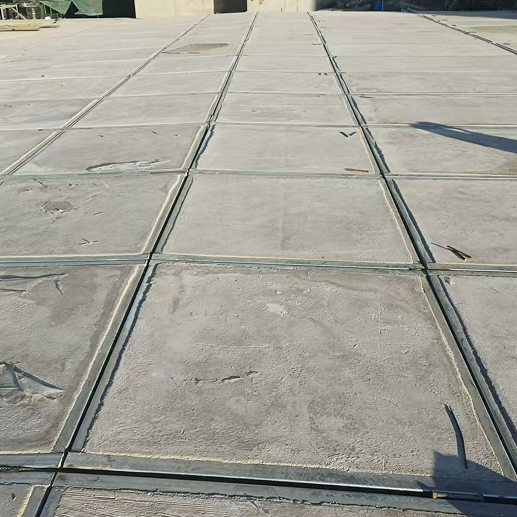
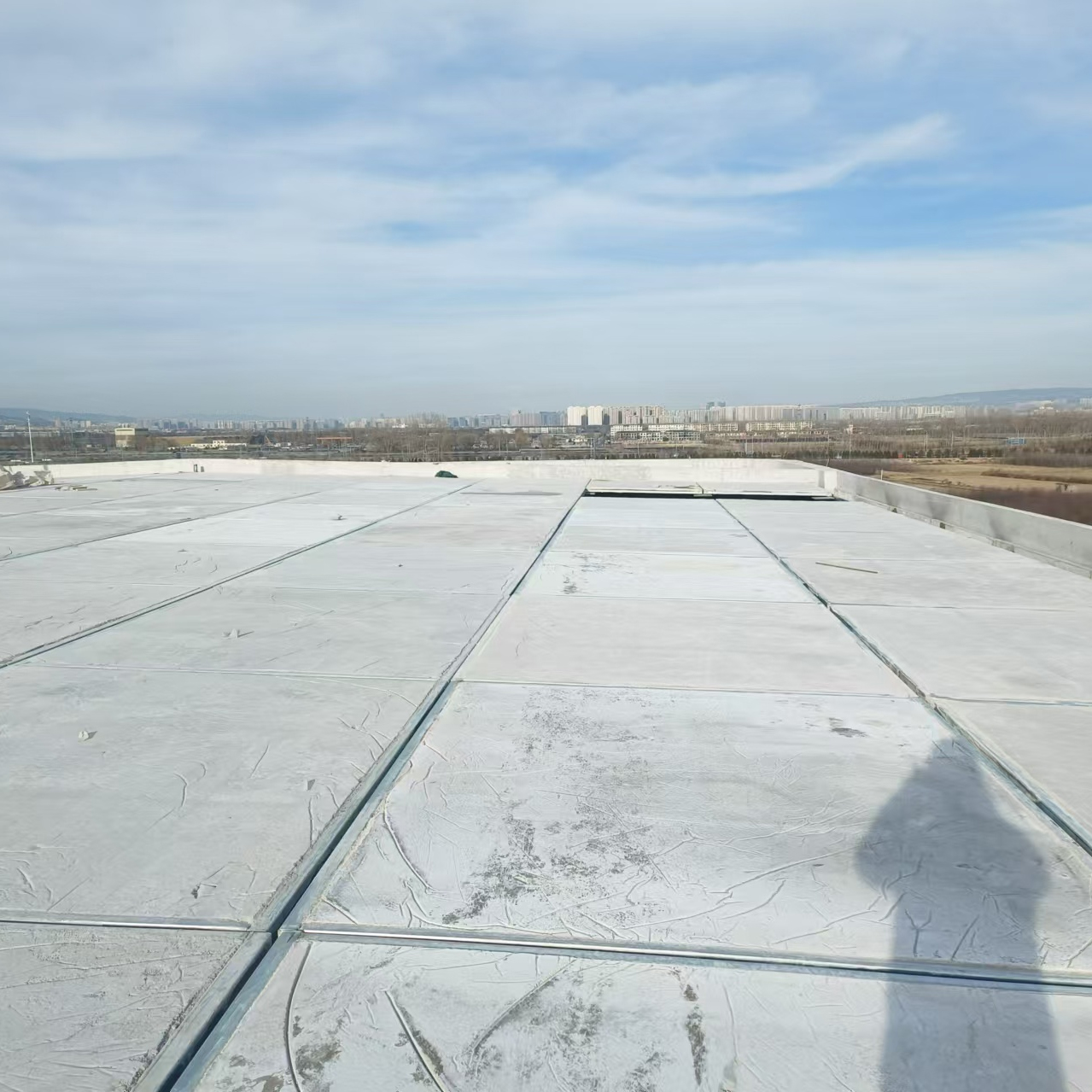
Steel frame lightweight panelForming the base layer of the roof, combining flexible waterproofing, why does the steel frame lightweight panel crack? We will explain it in detail next.
1. Material factors. The density of external thermal insulation boards should be between 18~22 kg/m³. Some construction units may use substandard materials, employing insulation boards with a density below 18 kg/m³, which is insufficient and prone to cause wall cracking. The natural shrinkage time of thermal insulation boards in a natural environment is up to 60 days. However, due to factors such as production enterprises' capital turnover and cost control, the aging time is less than 7 days. As a result, the thermal insulation boards have been installed on the walls before the aging process is complete. This leads to the continued shrinkage of the external thermal insulation boards after installation, causing the thermal insulation layer adhered to the additional thermal insulation boards to be pulled apart.
2. Construction Techniques. Due to the excessive flatness of the base surface, adjustments are made using adhesive thickness, multi-layer panels, and surface grinding to level, which can easily lead to quality issues with thermal insulation. Since the base surface's dust, particles, and other substances hindering adhesion have not been treated, the bonding area of the thermal insulation panels is too small, not meeting the specifications, resulting in不合格 thermal insulation area; Applying the mortar layer under direct sunlight or high temperatures causes the surface layer to lose moisture too quickly, leading to cracking.
3. Temperature Difference Variations. The thermal conductivity of expanded polystyrene board and crack-resistant mortar varies, with the former's thermal conductivity at 0.042 W/(m?K) and the latter's at 0.93 W/(m?K), a difference of 22 times. When summer sunlight directly hits the surface of the finishing mortar, the temperature can reach 50~70℃, and in the event of sudden rain, it can drop to about 15℃, resulting in a temperature difference of 35~55℃. Such temperature variations, along with diurnal and seasonal temperature fluctuations, can lead to deformation in the plastering layer and are prone to cracking.


b2b.china9.net © Zhongshang 114 Hebei Network Technology Co., Ltd.Address: Room 6009, Oriental New World Center, No.118 East Zhongshan Road, Qiaoxi District, Shijiazhuang City, Hebei ProvincePlatform Service Hotline: 4006299930