
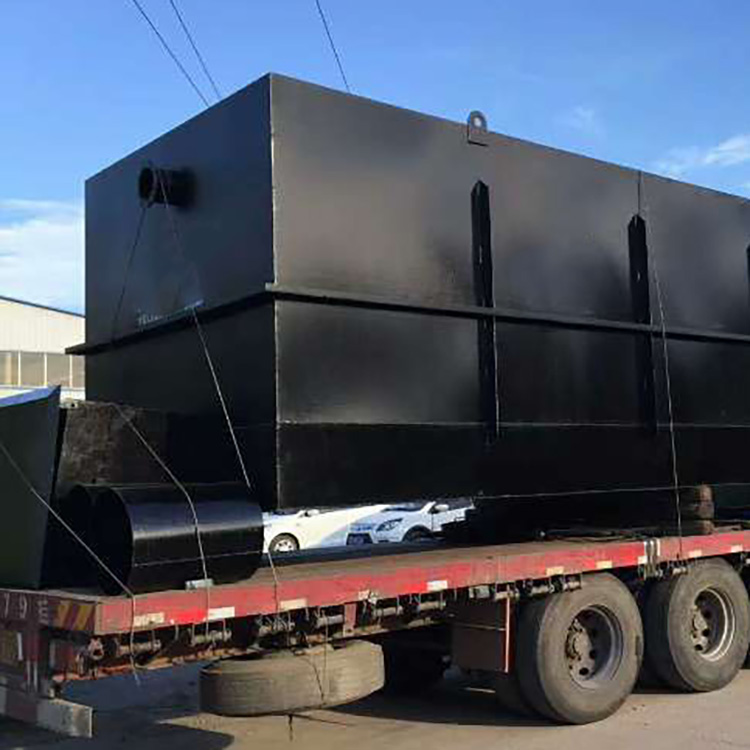
 Slaughterhouse Wastewater Treatment Equipment
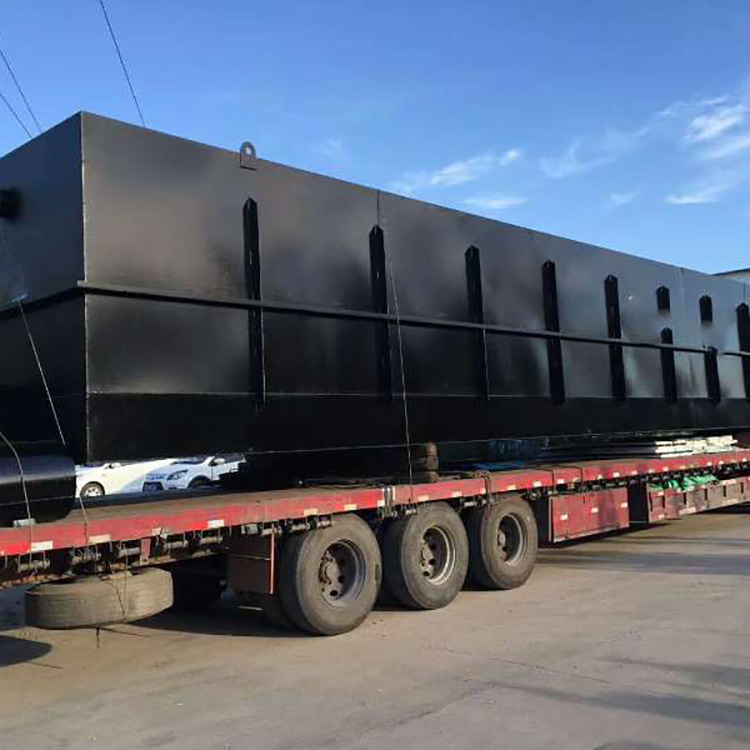 Slaughterhouse Wastewater Treatment Equipment
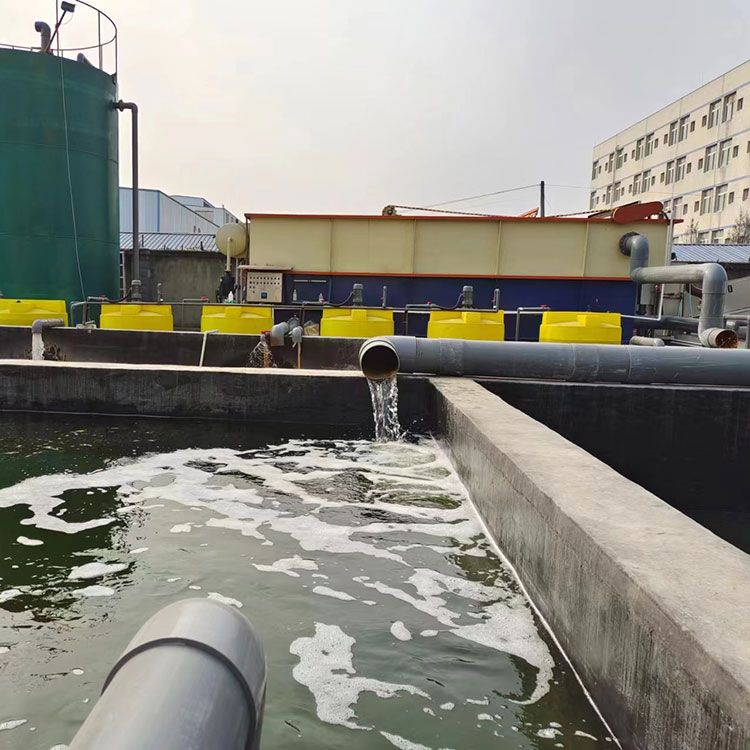 Kitchen Waste Water Treatment Equipment
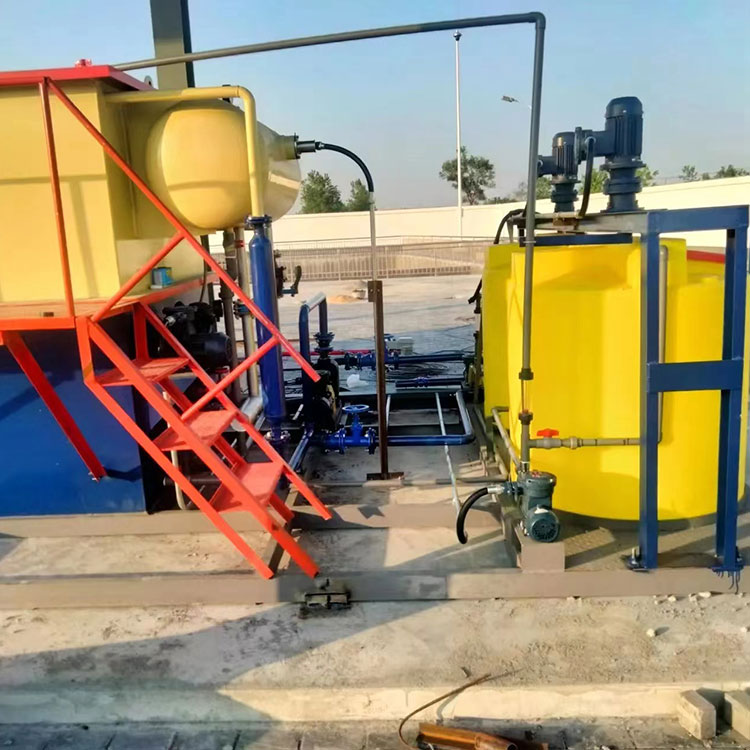 Kitchen Waste Water Treatment Equipment
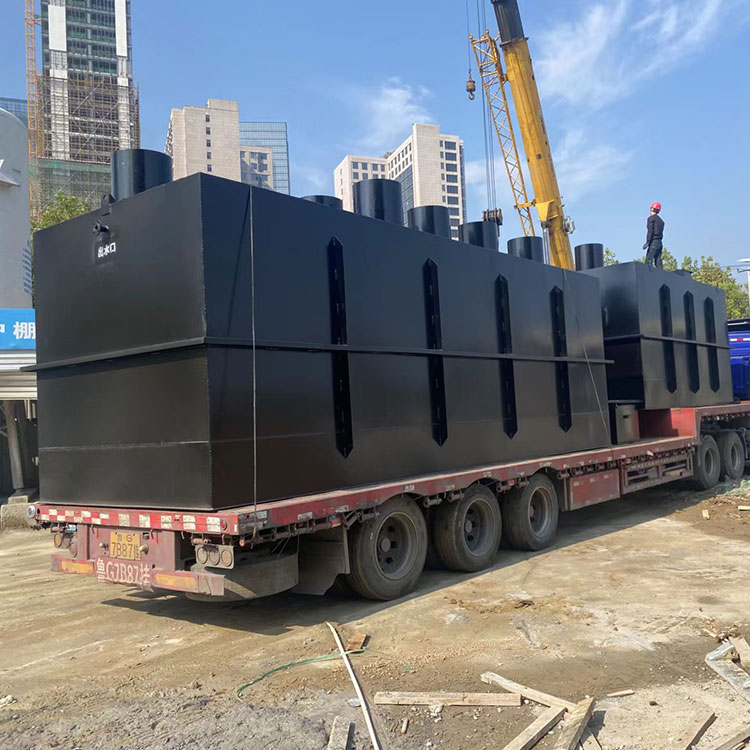 Wastewater Treatment Equipment
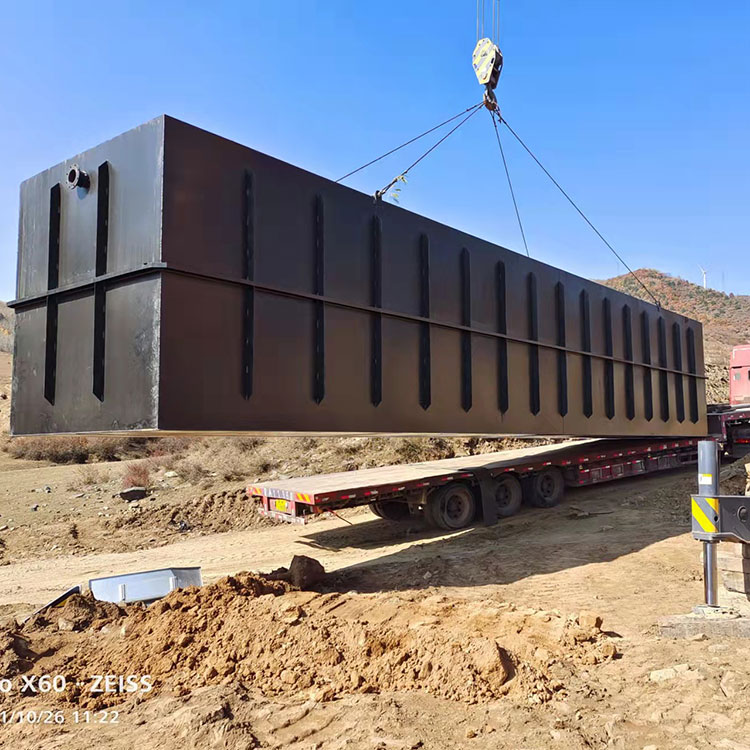 Integrated Wastewater Treatment Equipment
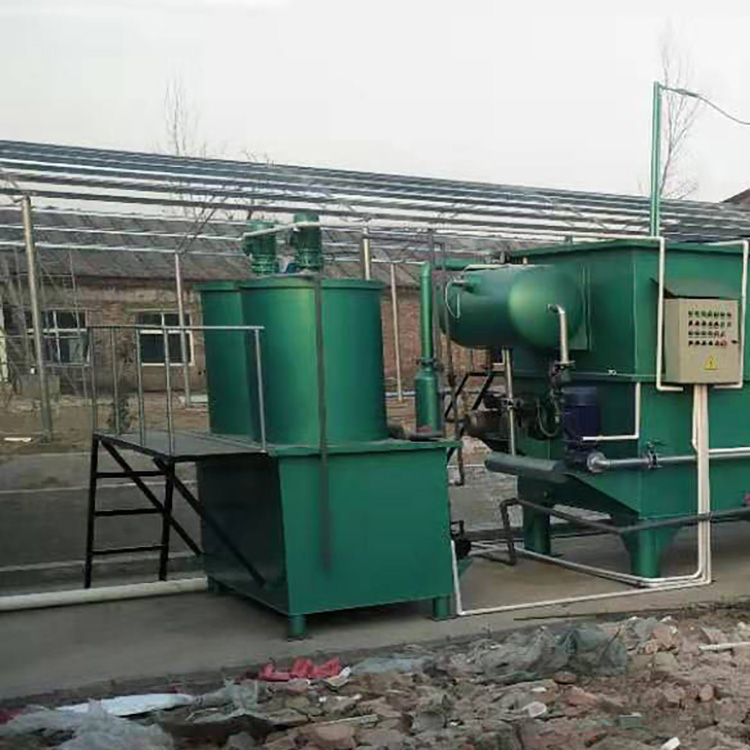 Aquaculture Wastewater Treatment Equipment
Product Details

Established manufacturer, specializing in the production of wastewater treatm...
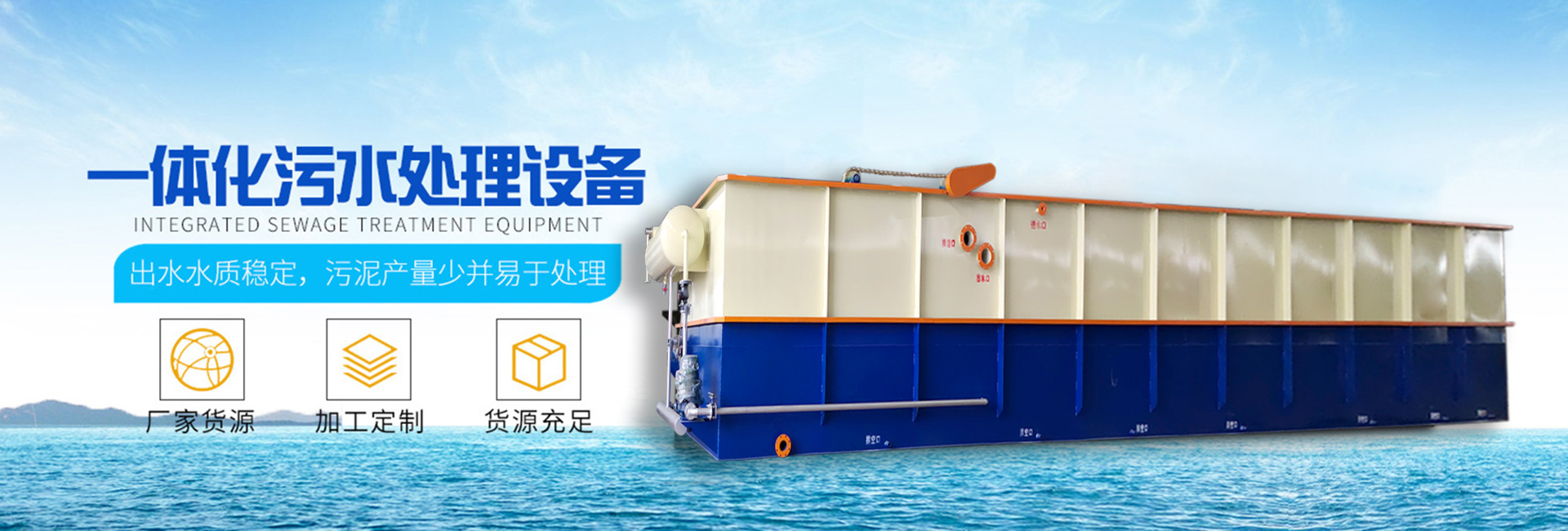

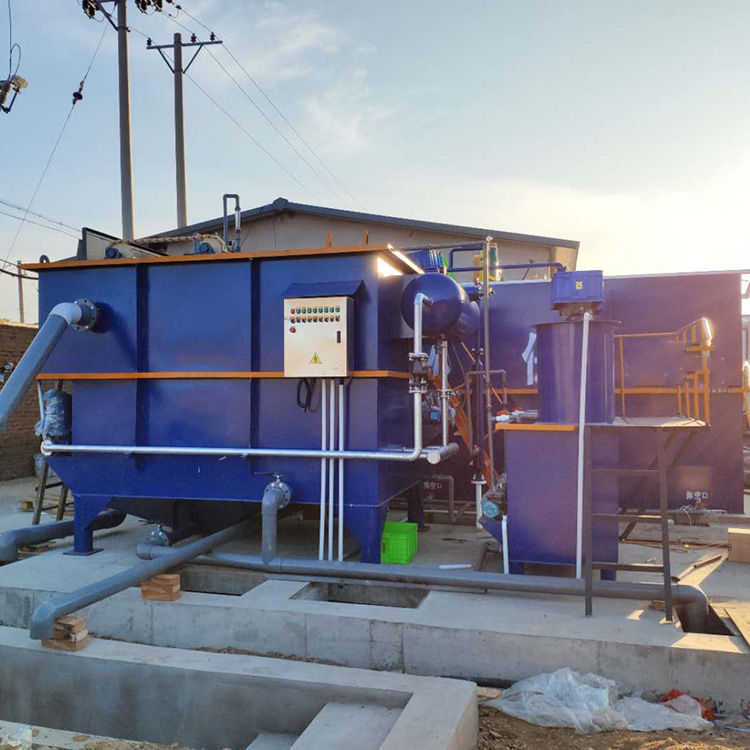
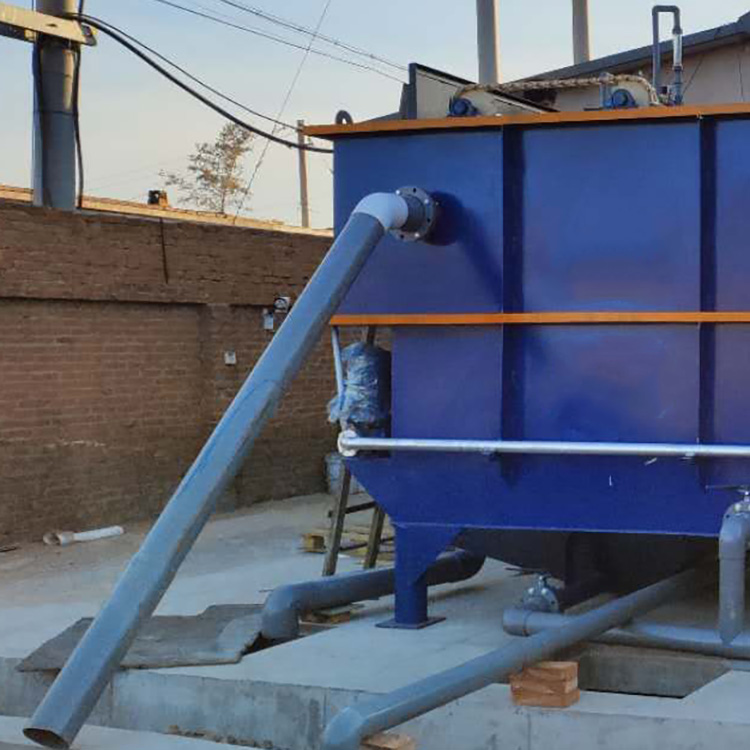
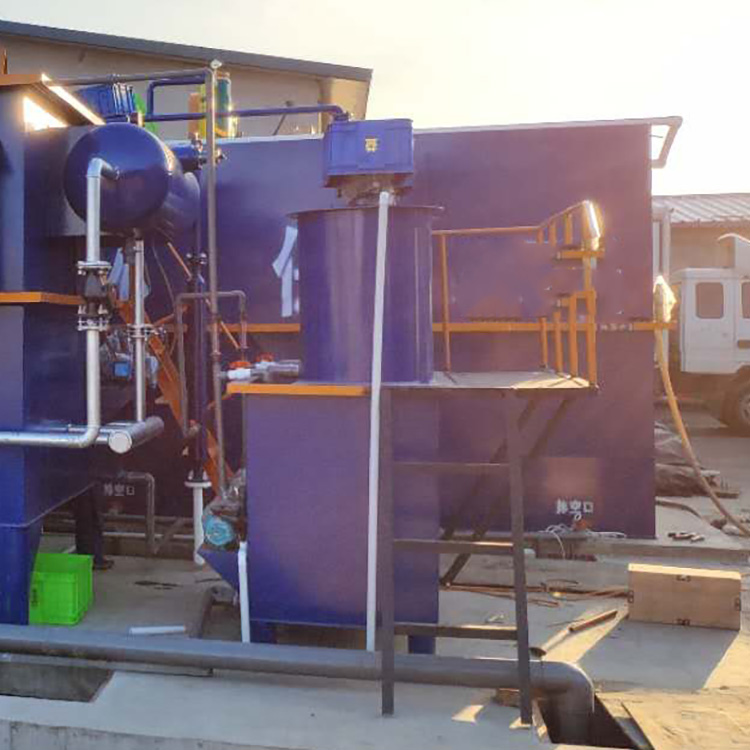
产品Price 25800.00/Tai
最小起订Quantity:1 Tai 供货总Quantity: 999 Tai


Power |
|
Treat wastewater volume |
12 tons |
Gas Cylinder Capacity |
40L |
Inlet pipe diameter |
DN90 |
Material |
Fiberglass |
Available for sale locations |
National |
Dyeing and Finishing Factory Wastewater Treatment Process I. Introduction to Dyeing and Finishing Wastewater Treatment Equipment The dyeing and printing industry is a major water consumer, with wastewater discharge volume and total pollutants ranking second and fourth among industrial sectors nationwide, respectively, making it one of China's key pollution industries. Dyeing and printing wastewater has always been a focus and难点 in wastewater treatment technology research due to its high discharge volume and treatment difficulty. At the same time, with the rapid economic development in China, water scarcity has become a limiting factor制约ing the further development of the dyeing and printing industry. To achieve sustainable development in the dyeing and printing industry, the resource recovery and reuse of dyeing and printing wastewater is crucial to reaching this goal. Based on the summary of operation experience in wastewater treatment equipment for the dyeing and finishing industry both domestically and internationally, and in conjunction with our company's scientific research achievements and engineering practices, we have designed a complete set of organic wastewater treatment units that can be buried underground. The equipment utilizes advanced technology from the late 1990s both domestically and internationally, producing the SJYWSZ series of wastewater treatment units primarily made from stainless steel and carbon steel with anti-corrosion structures. The primary purpose is to ensure that dyeing and finishing wastewater, as well as similar industrial organic wastewater, meets national discharge standards after treatment through this integrated unit. The equipment is mainly used for wastewater treatment in small and medium-sized dyeing and finishing enterprises or those with limited space. The effluent quality after treatment meets national discharge standards. The entire equipment can be buried underground, hence also known as "subterranean integrated wastewater treatment." It is suitable for various high-concentration dyeing wastewater, including knitting dyeing wastewater, wool dyeing and finishing wastewater, silk dyeing and finishing wastewater, chemical fiber dyeing and finishing wastewater, and cotton and cotton blended fabric dyeing and finishing wastewater. Section 2: Basic Working Principle of Dyeing and Finishing Wastewater Treatment Equipment Our SQWSZ integrated residential wastewater treatment equipment utilizes the activated sludge process to achieve wastewater purification. The principle is: anaerobic and aerobic bacteria consume organic pollutants in wastewater through their own life activities. At the same time, the biological flocs formed by microorganisms destabilize and flocculate suspended and colloidal organic pollutants, adsorbing them onto the surface of the activated sludge, degrading organic matter, and ultimately achieving the purification of wastewater. Section 3: Technology of Dyeing and Finishing Wastewater Treatment Equipment Our SQWSZ integrated wastewater treatment equipment is primarily constructed from glass fiber or carbon steel components treated for corrosion resistance. The unit is equipped with submersible aeration, which is driven by water flow to create a dual-function aeration system. During the treatment process, wastewater enters the aeration zone from the top of the unit, where the submersible aerator aerates and stirs the wastewater. This allows the incoming wastewater to quickly mix thoroughly with the existing mixed liquid, adapting to changes in incoming water quality to a great extent. The aerator, through its dual function of water flow propulsion and submersible aeration, ensures regular circulation of wastewater in the aeration zone, enhancing the dissolved oxygen content in the wastewater. Due to the continuous circulation of wastewater in the aeration zone, the water quality at each point is relatively uniform, with similar microbial counts and characteristics, resulting in almost identical operational conditions across the aeration zone. This maintains optimal conditions for the entire biochemical reaction, allowing organic matter to be gradually degraded by microorganisms, thereby purifying the wastewater. The purification efficiency is high: the COD removal rate is between 85% and 90%, and the effluent meets the emission standards of China's "Emission Standards for Pollutants from Textile and Dyeing Industry" (GB 4267-92), achieving standard emissions. It can also be further customized to meet customer requirements for ozonation and deep oxidation treatment, reaching the "Water Quality Standard for Recycled Water Used in Landscape Environment" (GB/T 18921—2002) for reuse. Four: Process Characteristics of Printing and Dyeing Wastewater Treatment Equipment 1. Our SQWSZ series integrated equipment, developed and produced in-house, utilizes a biological contact oxidation treatment process. It is smaller in volume than activated sludge pools, highly adaptable to water quality, excellent in shock loading resistance, and ensures stable effluent water quality without sludge expansion. 2. High specific surface area of the packing material facilitates easy microbial colonization and sloughing. Under the same organic load conditions, it achieves a high removal rate of organic matter, providing stable and reliable performance. Additionally, no chemical additives are needed, resulting in cost savings for subsequent operations and reduced operational expenses. 3. Hydrolysis and acidification can effectively reduce the color intensity of wastewater, enhance its biodegradability, decrease the subsequent treatment load, and significantly reduce the amount of decolorizing agents needed for later addition, saving on investment. 4. Ideal sedimentation effect, resulting in good water quality output. 5. Dyeing removal process, achieving a dyeing removal rate of over 99.4%, meeting colorimetric emission standards. 6. Properly handle excess sludge to ensure stable and reliable system operation, facilitate sludge discharge, and minimize manual operation. 7. Utilizes a unique construction method to minimize the spread of odors to a great extent. 8. Operation and management are straightforward, allowing for adjustments to the operational status based on actual conditions to achieve optimal performance. 9. High purification efficiency with BOD removal rate of 85% to 90% and color removal rate exceeding 99%. The effluent meets national secondary or first-class discharge standards. 10. Capable of treating wastewater from the dyeing and printing industry, as well as similar industrial organic wastewater.

Phone Consultation