




- AllProduct Category
-
Series Resonant Test Device
Online Monitoring System
High Voltage Insulation and Voltage Withstanding Equipment
Transformer Testing Equipment
Circuit Breaker Test Equipment
Relay Protection, Secondary Circuit Detection Equipment
Direct Current, Battery Testing Equipment
Cable & Line Testing Equipment
Surge Arrester, Insulator Testing Equipment
SF6 Testing Equipment
Oil & Gas Testing Equipment
Reactive Power Compensation, Generator Testing Equipment
Insulation and Grounding Resistance Equipment
Charging Station Test Equipment
Current Transformers, Measurement & Test Equipment
Safety Equipment Testing Devices
Other Testing Equipment & Accessories



详情描述

System Overview:
High-voltage equipment in power systems often experiences surface oxidation and corrosion, loose fastening bolts, aging at contact and busbar connections during long-term operation, leading to overheating of the equipment and even serious accidents. Inside the switchgear, there is exposed high voltage in a confined, enclosed space, making it impossible to conduct manual inspections and temperature measurements. Traditional temperature measurement methods are ineffective in addressing this issue.
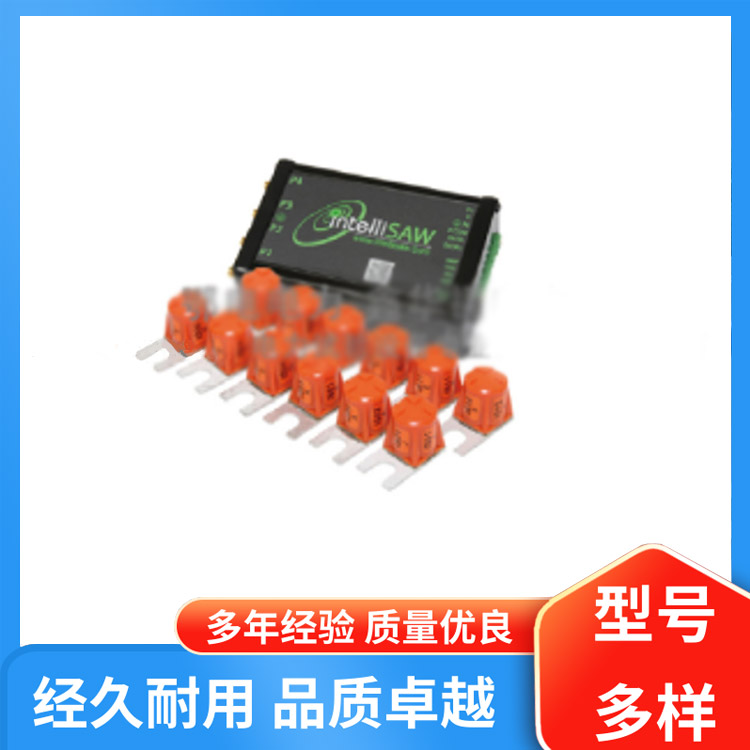
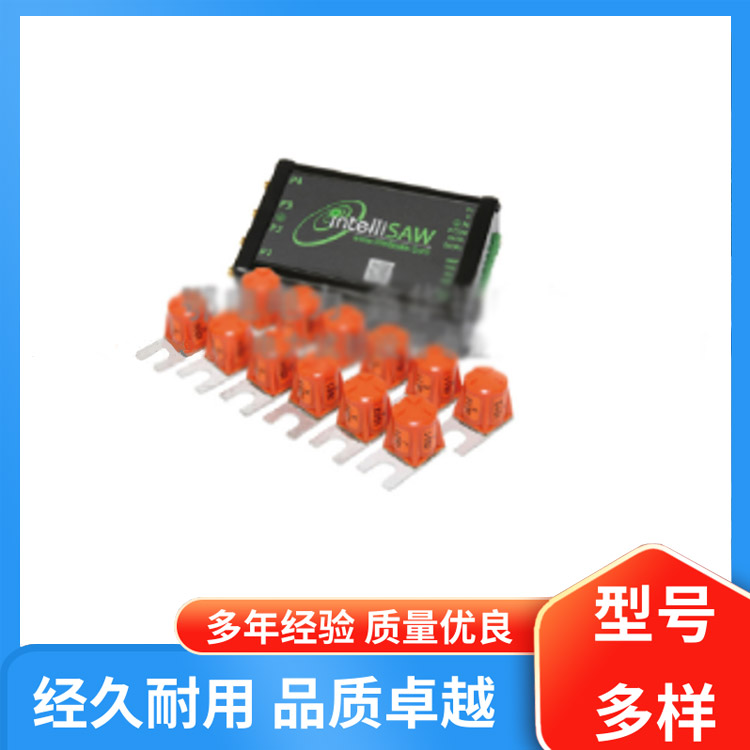
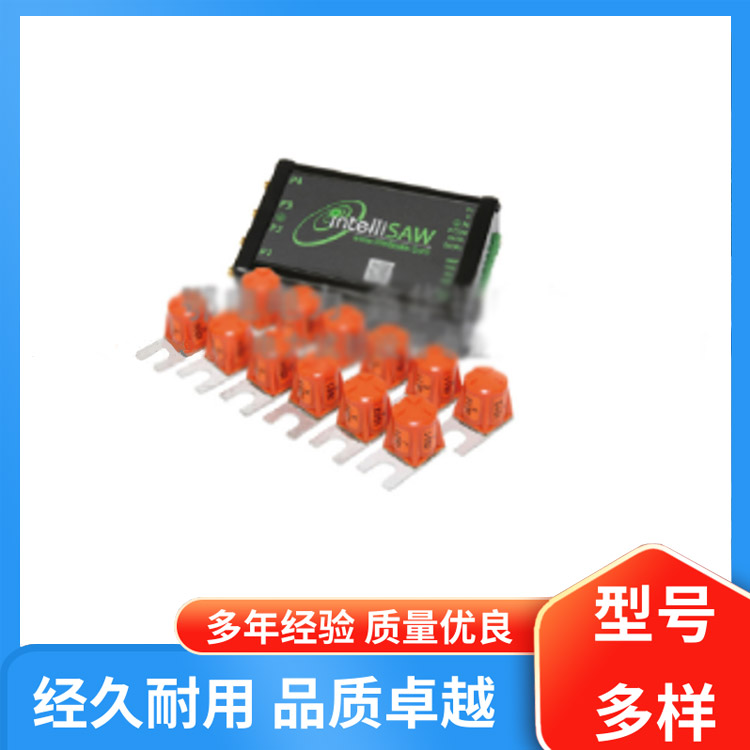
The ED8060 switch cabinet wireless temperature measurement system involves installing temperature sensors on the live terminal contacts inside the switch cabinet. After measuring the temperature of the point online, the data is wirelessly uploaded for centralized display and over-temperature alarms. It can also be connected to an electric power automation system, allowing users to remotely monitor the equipment's temperature operation status. The system automatically sends remote alarms when it detects abnormal equipment temperatures, ensuring timely elimination of potential hazards.
The ED8060 switch cabinet wireless temperature measurement system employs the surface acoustic wave temperature measurement principle. Its advantage over grating temperature measurement and thermistor measurement is that it requires no power supply, truly realizing passive and wireless functionality. This avoids issues such as the heating of CT induction power take-off coils, the need for maintenance with battery-powered systems, and the requirement for calibration in grating temperature measurement.
The ED8060 wireless temperature measurement system for switch cabinets consists of a control host, monitoring software, a reader, antenna, and sensors. Sensors are recommended to be mounted using screw kits and drilled onto the contact or outlet brackets, or they can be wrapped with heat shrink tubing around the outlet brackets. The temperature information of the sensors is transmitted to the nearest reader via the antenna, and the reader then feeds back the information to the control host via a wired connection for display.
Application Scope
1. Power Cable
Monitor the temperature of cable joints, cable itself, and the temperature of equipment such as switches inside the cable junction boxes.
2. High-voltage switchgear
Temperature monitoring for high-voltage switchgear components such as switch contacts, busbar joints, and cable joints
3. Transmission and distribution lines, transformers
Temperature of transmission and distribution lines, transformers, and their connecting components
4. Substation high-voltage busbar joint temperature online monitoring and overheating early warning
Product Features
Technical Features:
Utilizing cutting-edge digital and wireless transmission technology, unique insulation properties, and easy and cost-effective use.
Standardized design for easy expansion and integration with other systems, cost-effective, and flexible installation.
Guaranteed operation under specified distance, featuring ultra-low power consumption design, sensor battery life of 2-6 years, and replaceable battery.
Robust design against electromagnetic interference, ensuring safe, reliable, and high-accuracy operation.
Compared to other temperature measurement methods:
(1) Standard Temperature Measurement
Conventional temperature measurement methods, such as thermocouples, thermistors, and semiconductor temperature sensors, require metal wires for signal transmission and cannot guarantee insulation. The AT-II wireless temperature measurement system boasts excellent insulation properties, enabling it to isolate high voltage in switchgear cabinets. Consequently, it can be directly installed on high-voltage contacts within the switchgear, accurately measuring the operating temperature of the high-voltage contacts.
(2) Infrared Temperature Measurement
Infrared imaging instruments cannot penetrate the cabinet door to measure internal equipment; the cabinet door must be closed during the operation of the switch cabinet, which prevents infrared measurement. The AT-II Wireless Temperature Measurement System's temperature sensor is directly installed on the surface of energized objects, allowing for direct measurement of equipment temperature within an enclosed cabinet and transmission wirelessly.
(3) Fiber Optic Temperature Measurement
Fiber optic temperature measurement instruments use fiber optics to transmit signals, with their temperature sensors installed on the surface of live objects, and connected to the thermometer via fiber optics. Fiber optics are prone to bending, breaking, and are not heat-resistant. Accumulated dust can reduce insulation, and wiring within cabinets is difficult and expensive. The AT-II wireless temperature measurement system has no complex wiring, is fully insulated, and is cost-effective.


