



- AllProduct Category
-
Duct Series
Fan Series
Fire Damper Series
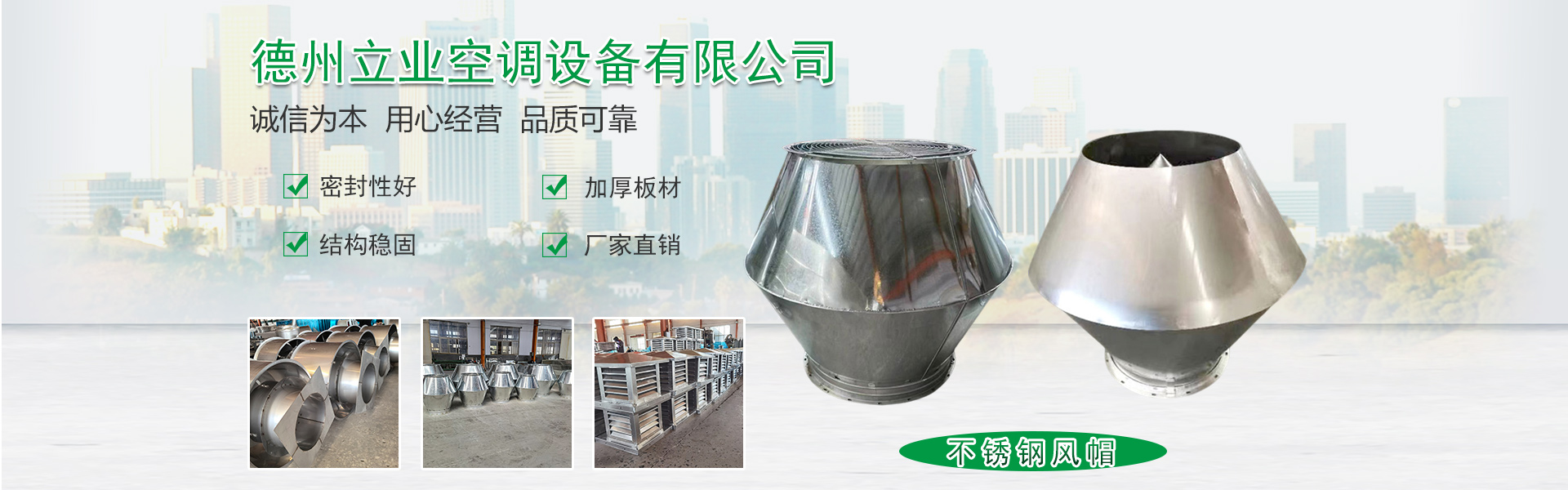
Hooded
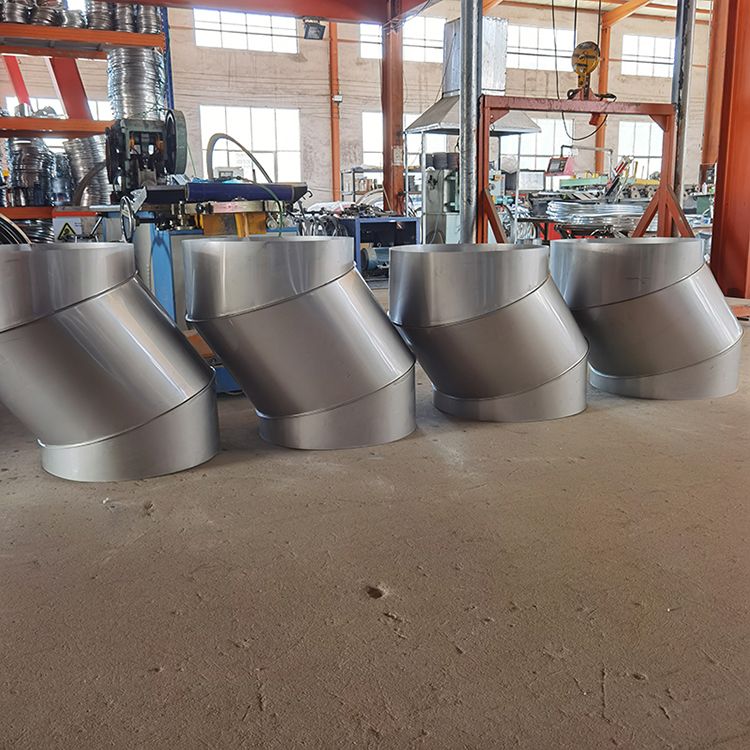
Elbow
Airflow Series
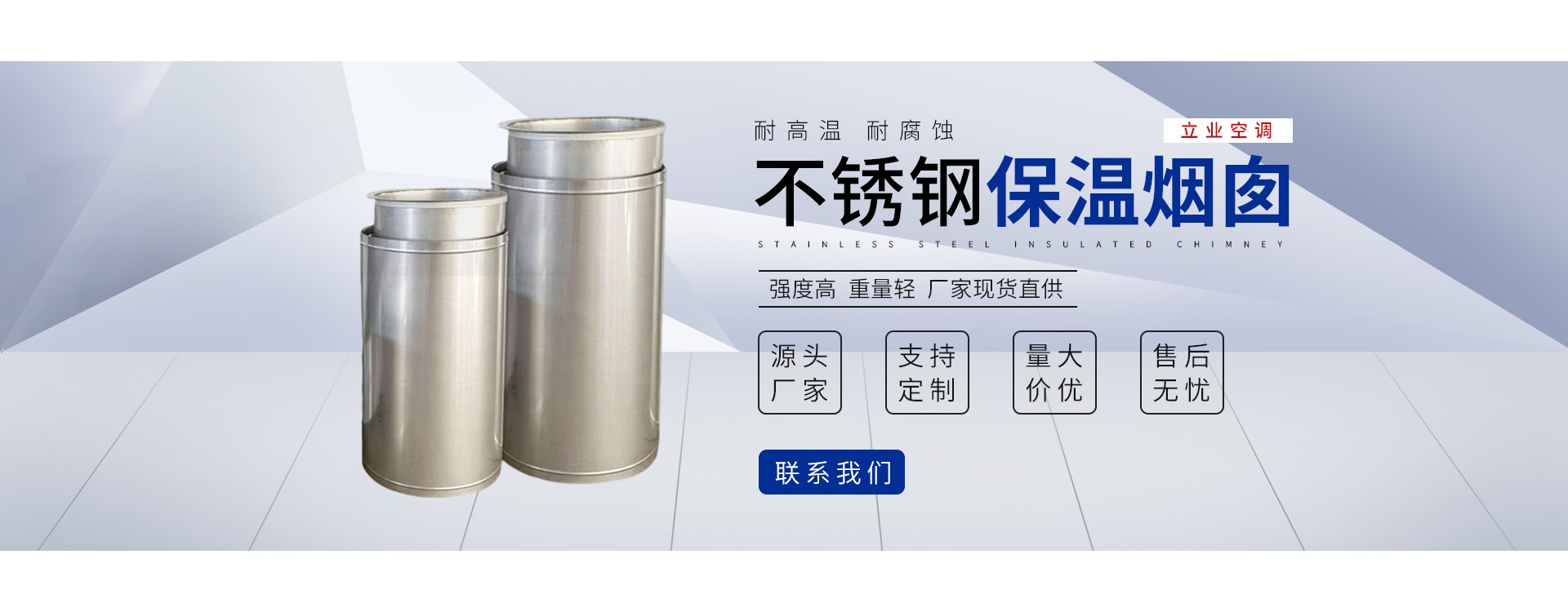
Chimney






详情描述
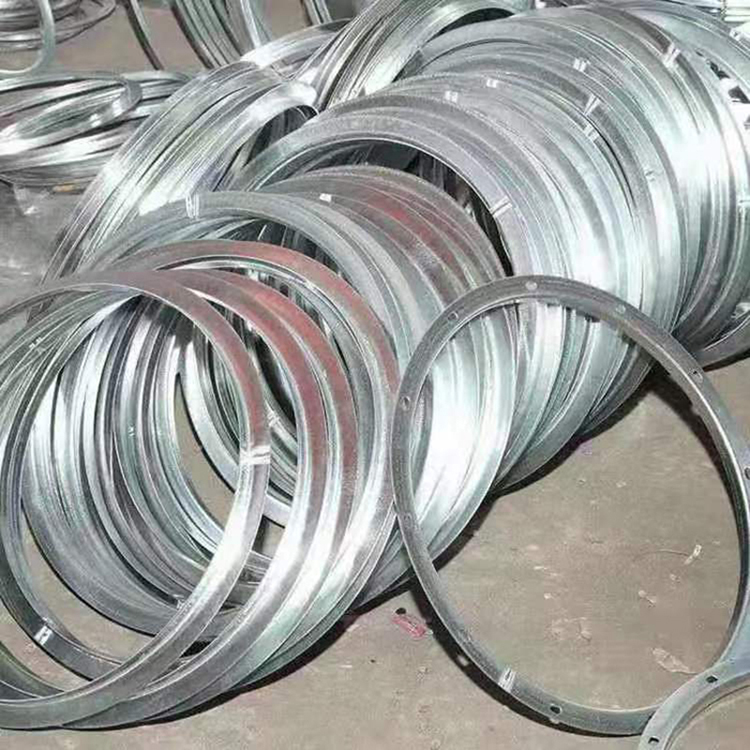
Bend flanges are commonly used for flange connections or flange joints, referring to a detachable connection consisting of a flange, a gasket, and bolts, all interconnected as a set to form a combined sealing structure. Pipe flanges refer to the flanges used for piping in pipeline installations, while those used on equipment refer to the inlets and outlets of the equipment.
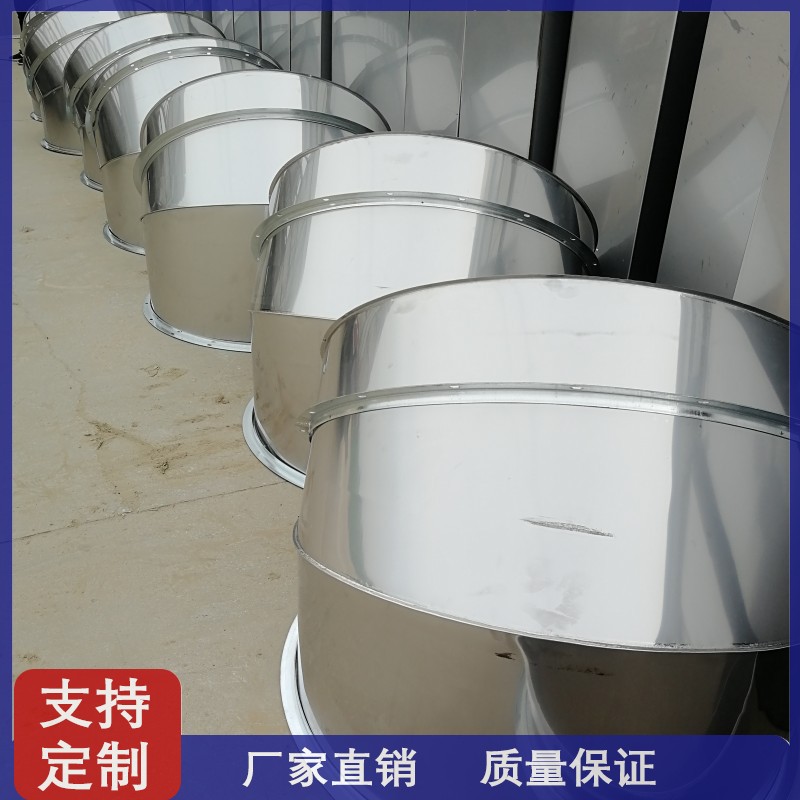
The production processes are mainly categorized into four types: forging, casting, cutting, and rolling.
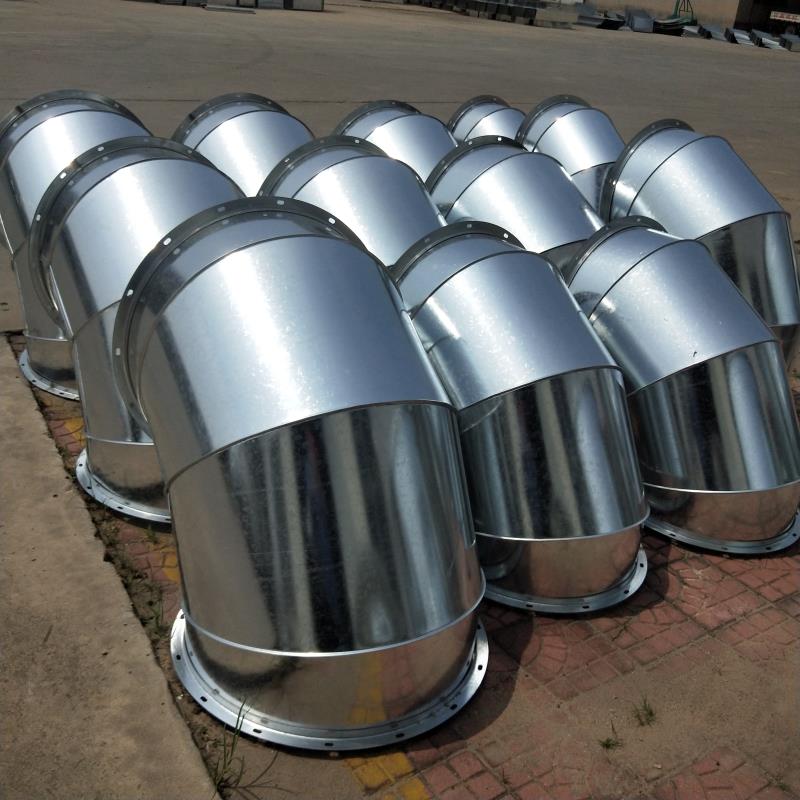
Cast Flanges and Forged Flanges
Forged flanges have precise blank shape and size, minimal machining, and low cost; however, they may have casting defects (porosity, cracks, inclusions); the internal structure of the castings has poor streamline (especially for machined parts, the streamline is even worse).
Forged flanges typically contain less carbon than cast flanges, making them less prone to rust. The forged parts have better streamline and a denser structure, offering superior mechanical properties compared to cast flanges.
Improper forging techniques can lead to large or uneven grain structure, hardening cracks, and higher forging costs compared to casting flanges.
Forgings can withstand higher shear and tensile forces than castings.
The advantages of castings lie in the ability to produce complex shapes at a lower cost.
Forgings offer the advantage of uniform internal structure, free from harmful defects such as porosity and inclusions found in castings.
Distinguish between cast flanges and forged flanges from the perspective of the production process, for instance, centrifugal flanges are a type of cast flange.
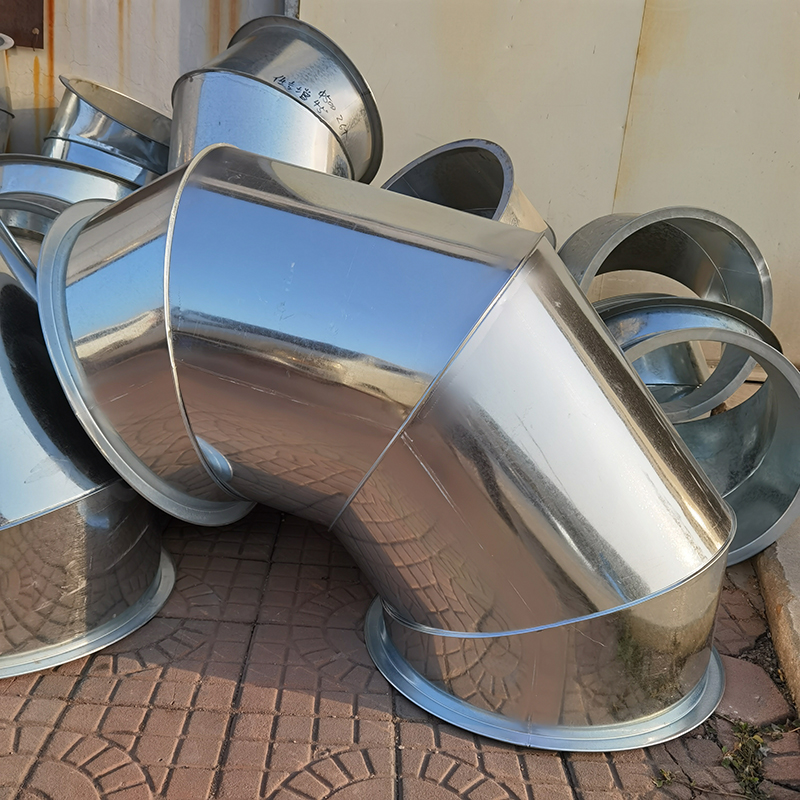
Centrifugal flanges are produced using precision casting methods, which offer a finer grain structure compared to standard sand casting, resulting in improved quality and a reduced likelihood of issues such as porosity, gas holes, and sand specks.
Firstly, we need to understand the production and manufacturing process of centrifugal flanges, the technique for making socket weld flanges via centrifugal casting, and the characteristics of the product, which are processed through the following steps:
The selected raw material steel is melted in a medium-frequency furnace, raising the molten steel temperature to 1600-1700℃.
② Preheat the metal mold to maintain a constant temperature between 800-900°C.
③ Start the centrifugal machine and pour the molten steel from Step 1 into the preheated metal mold from Step 2.
④ Allow casting to naturally cool to 800-900°C and maintain for 1-10 minutes.
⑤ Cool with water to near room temperature, then remove and demold the casting.

询价单


