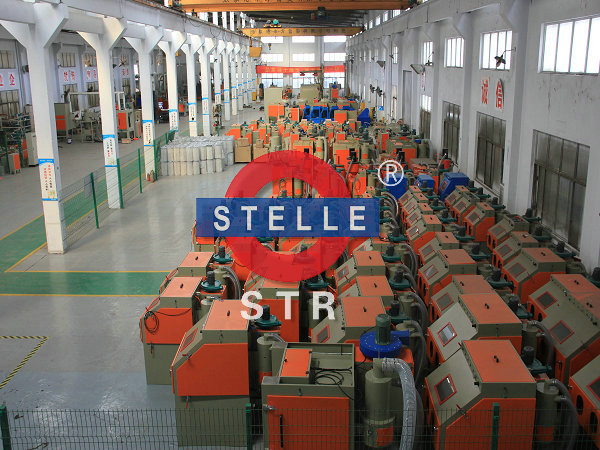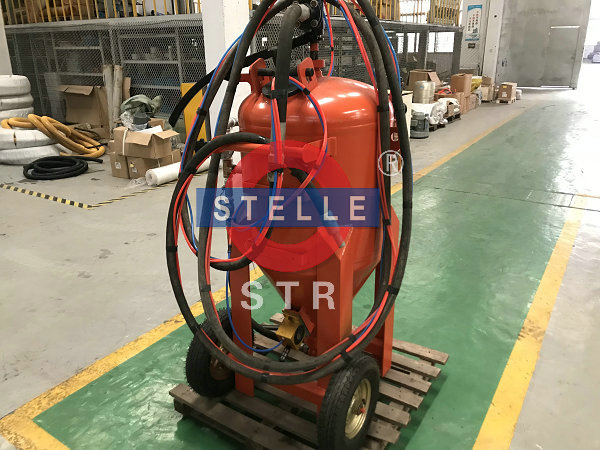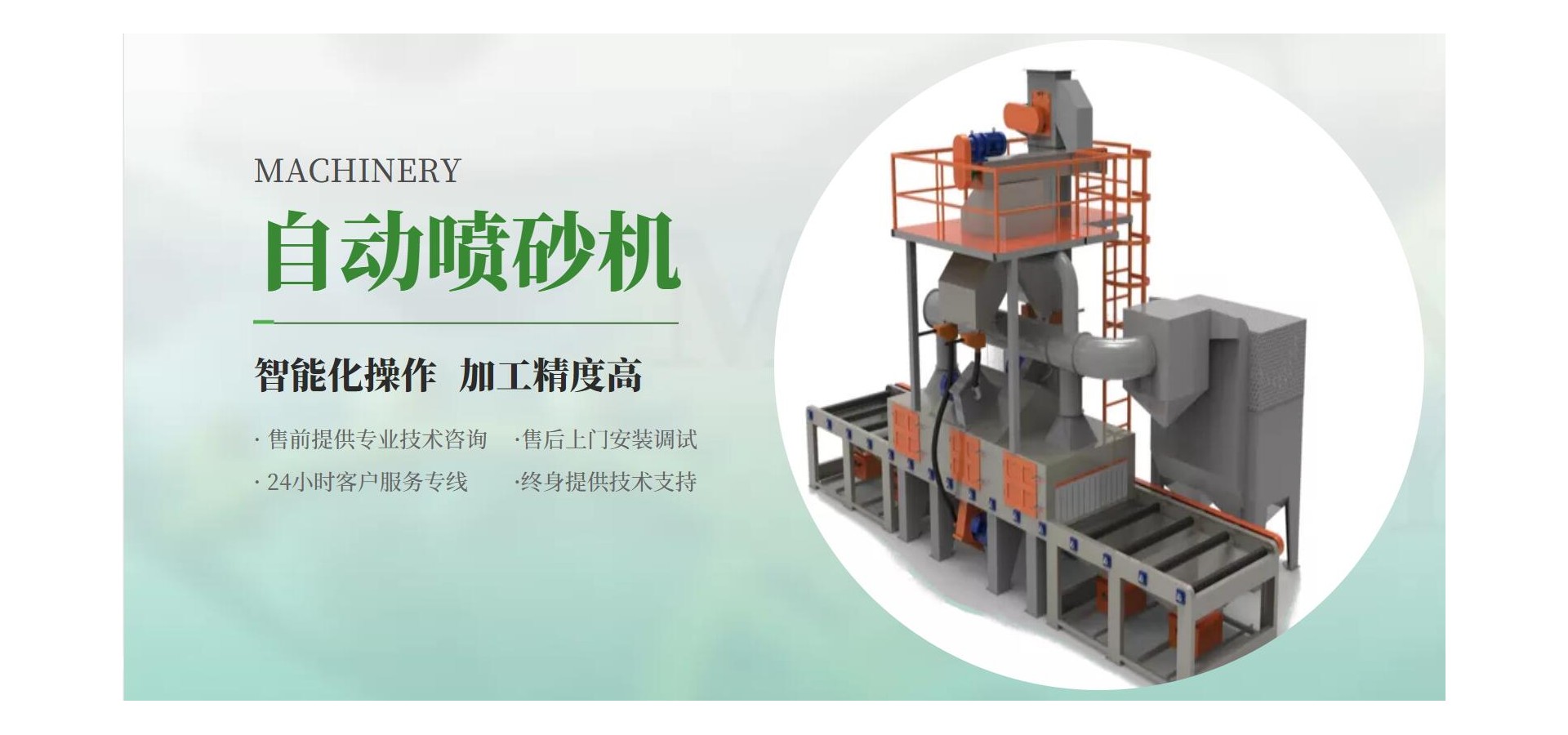

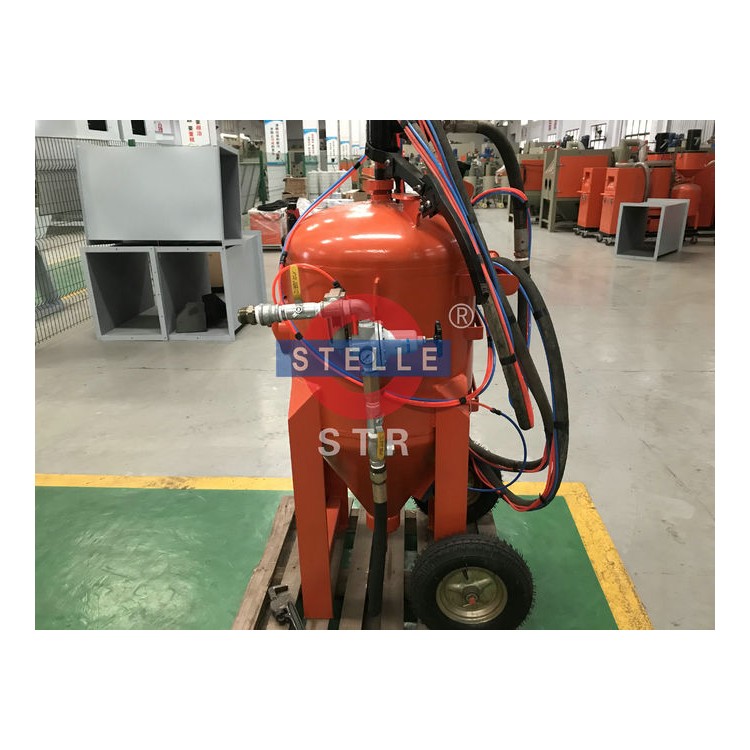
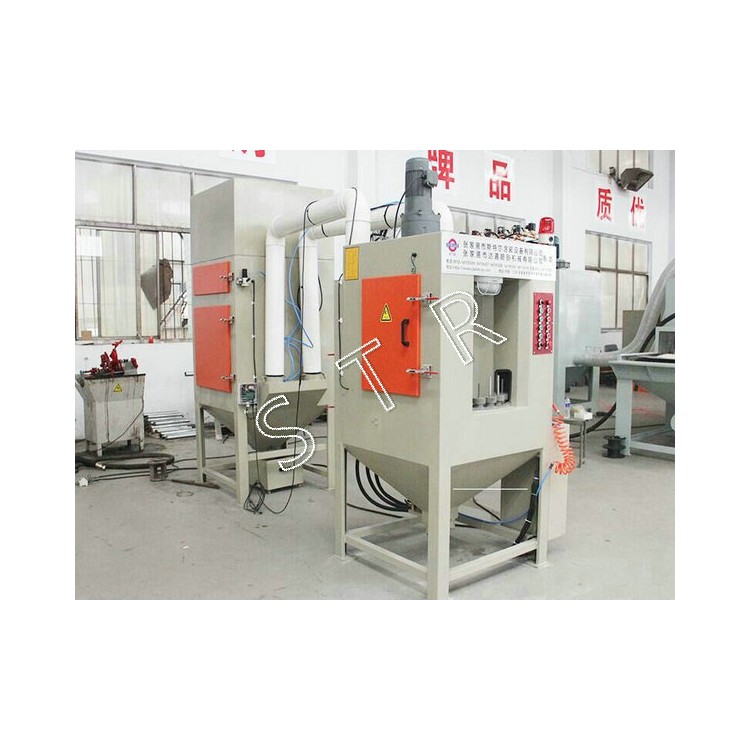
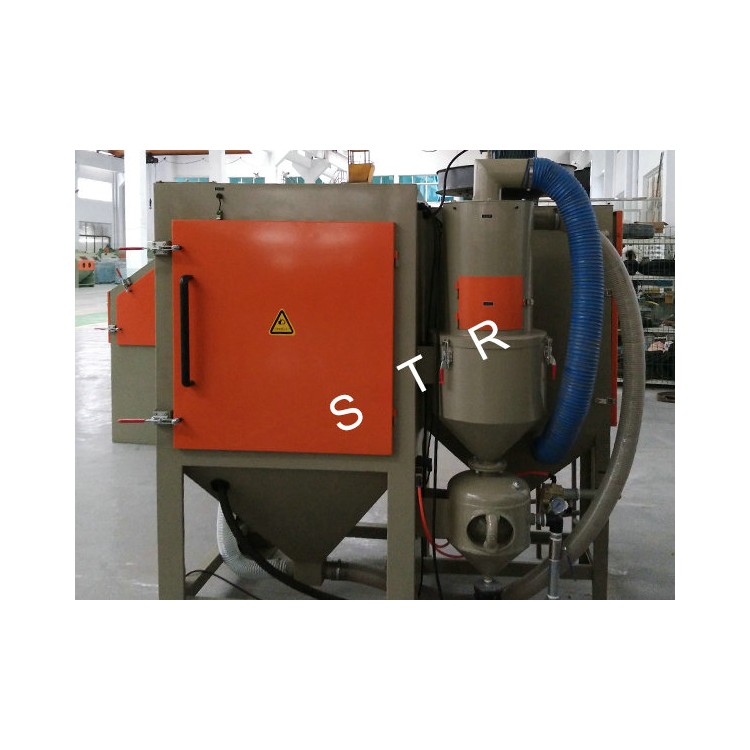
(Scroll down for a large collection of case photos for reference)
Our company produces waterSandblasting MachineIt is a traditional dry-typeSandblasting MachineBased on our company's R&D, the control system has been improved. It completely resolves the severe pollution issue associated with dry blasting, and dust is well-controlled. Unlike current wet blasting equipment, waterSandblasting MachineLow water consumption and rapid evaporation, preventing extensive waterlogging.喷射压力可在0.3-0.7 MPa adjustable, using only one-fifth of the sand compared to dry blasting under the same working conditions. The abrasive material ejected can also be recycled for reuse, significantly reducing operational costs. Our waterSandblasting machine: Eco-friendly cleaning, low sand consumption, and cost-effective—worth using by a wide range of customers.
It is suitable for a variety of operating conditions: graffiti removal, paint stripping, ship coating removal, rust and corrosion removal, industrial coating stripping (both surface and interior), general metal, stone, and wood cleaning, lead and asbestos removal, building and site maintenance and renovation, monument and artifact restoration, road marking removal, and the cleaning and removal of architectural coatings.
Section 2: Operating Instructions
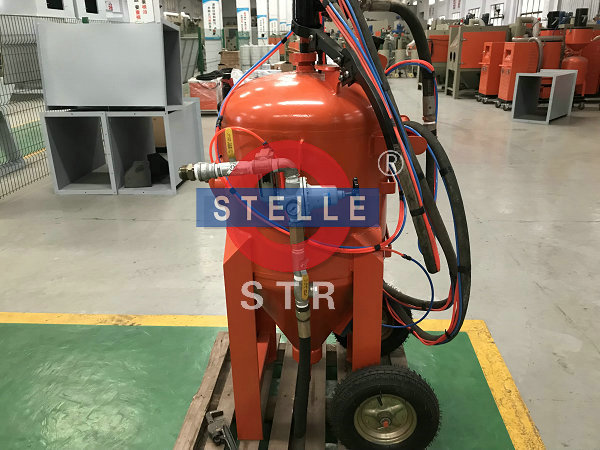
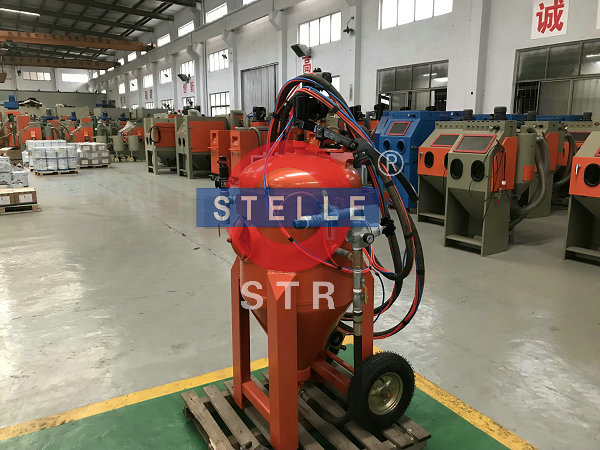
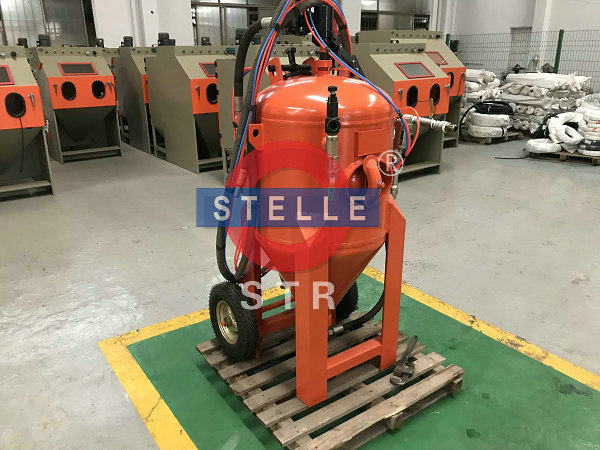
Basic Parameters of Sandblasting Pot
Diameter: 600mm
Volume: 0.4 m³
Height: 1.6m
Design Pressure: 0.8 MPa
Operation: Pneumatic Control
Net Weight: 160 kg
Pre-launch inspection
1. Inspect the compressor air source to ensure the supplied air is clean, free of moisture and oil, and prevent water contamination to the air control components. 2. Before starting the air compressor, make sure the air supply valve is closed. 3. Ensure all hoses and connecting pipes are functioning properly, rubber washers are undamaged, and installation is correct. 4. Make sure the equipment is placed on a level surface. 5. Ensure the sandblasting tank is clean and free of debris.
2. Sandblasting Pot - Add Sand and Water
1. Open the sanding nozzle, remove the downward air intake hose from the control cabinet, and rinse the sandblasting pot with water before filling it with water and abrasive. Drain the rinse water and reconnect the hose.
2. Add abrasive (4 bags, for a total of 10 bags, each bag weighing 25kg) to the sandblasting pot.
3. Fill the sandblasting pot with clean water, ensuring the water level is 5 cm above the abrasive material.
4. Close the sanding port and abrasive ball valve, open the air inlet ball valve to inflate, wait for the pressure to rise and then close the sandblasting control switch to begin the sandblasting operation. (Note: Wait momentarily before the abrasive reaches the sandblasting nozzle.)
5. For the first use, it is important to understand the consequences of starting from a high reading. Maintain a distance of 40cm between the work surface and the sandblasting nozzle, observe the results, then gradually decrease the distance and steepen the angle until the desired sandblasting effect is achieved.
Section 3: Refilling Sand
Shut off the intake ball valve.
2. Turn the exhaust valve to the "Open" position
3. Gradually open the exhaust valve to release the pressure inside the tank.
After all the pressure inside the sandblasting pot has been released, open the sand filling port and keep it open.
5. Add abrasive. Use water to flush down the sand remaining on the surface of the sand pot opening, then close the sand addition port.
6. Turn the exhaust valve to the "Closed" position
Note: To prevent injury from high-pressure gases and fluids, we must depressurize the high-pressure gases and fluids stored in the sand pot and high-pressure hoses before troubleshooting. Proceed with equipment maintenance only after confirming that depressurization is complete.