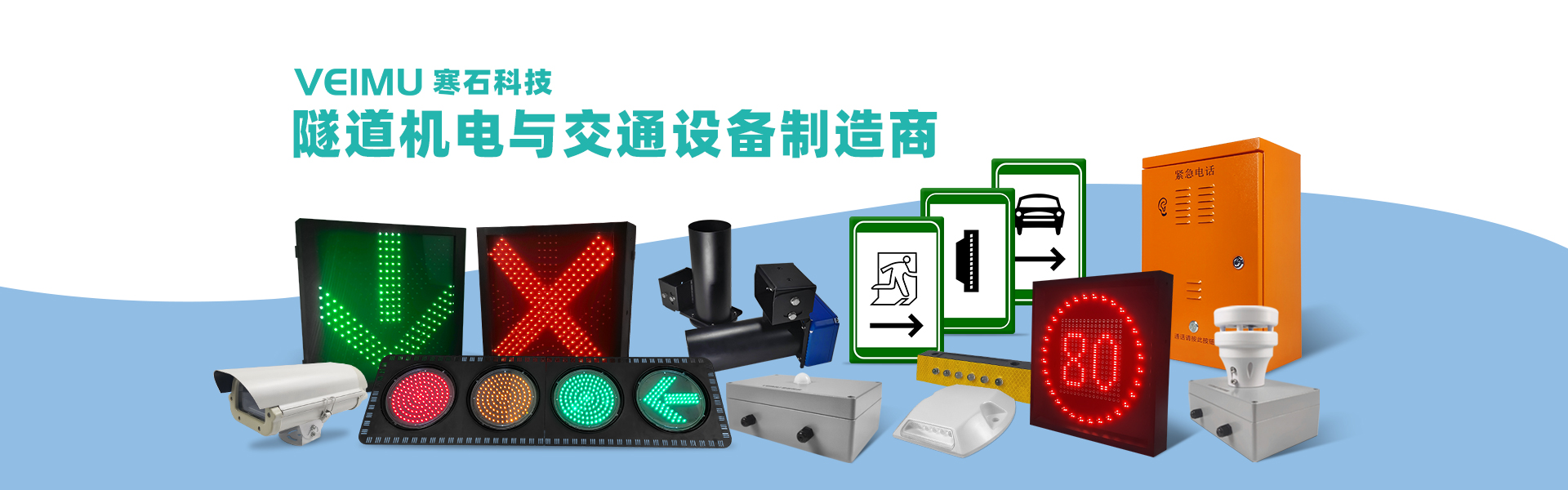
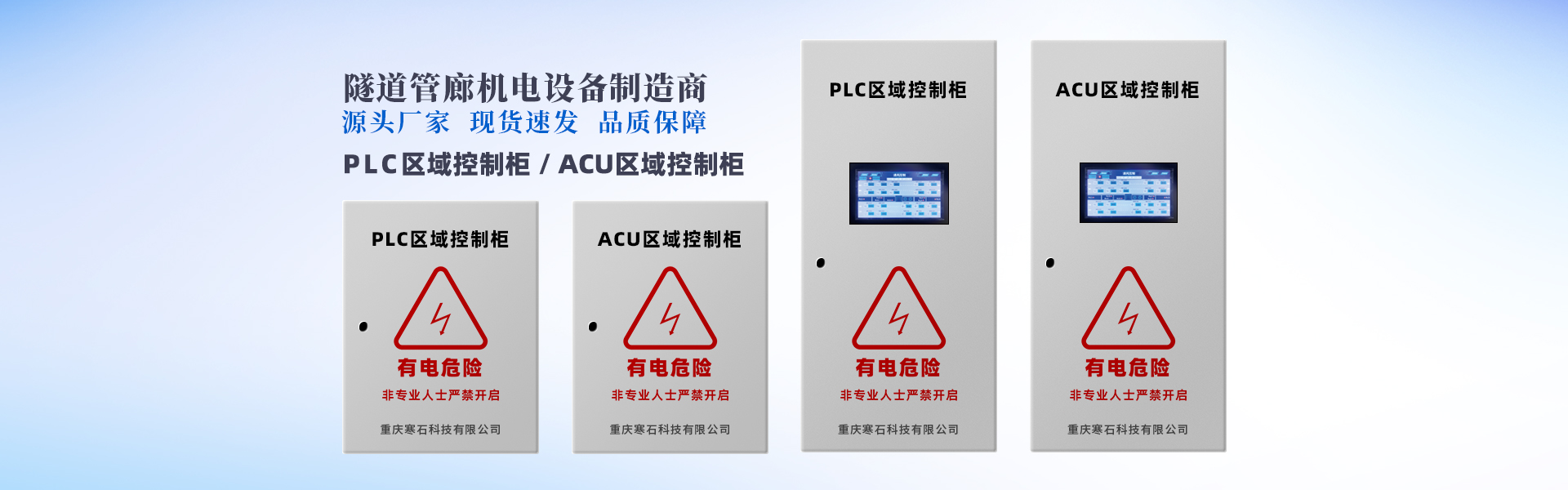

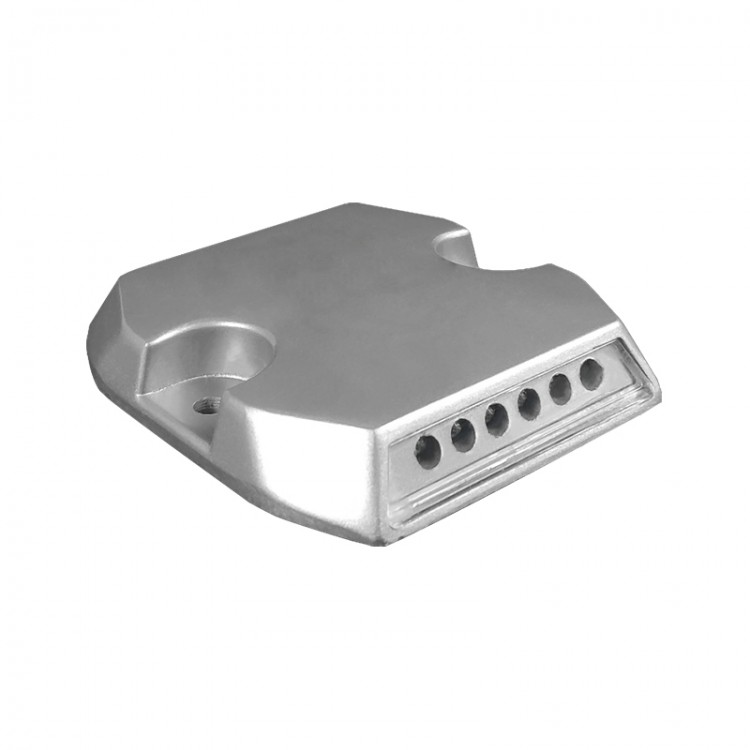
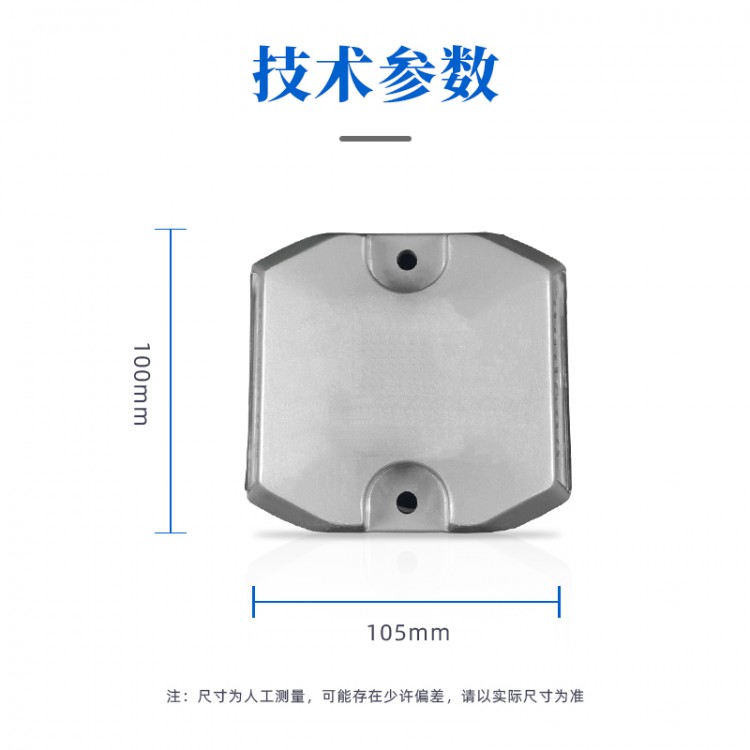

1. Active rail spikes are a type of spike, set along both sides of the road. They are used to indicate road and tunnel edges during nighttime or in foggy weather. Composed of a housing, LED, wires, and control devices, they can be powered by solar panels or AC power. They can either actively emit light or combine with passive retroreflective elements for visual guidance. The working mode is usually constant light or blinking. For tunnel use, active rail spikes must be resistant to oil stains, require a higher number of LEDs, and can use plastic housing. For road surface use, active rail spikes must withstand compression, commonly feature cast aluminum housing, and combine active lighting with retroreflective elements.
2. The active spike nails operate in a steady or synchronized blinking mode, connected via wires, with replaceable batteries and circuits. They offer greater pressure resistance, enhanced stability, and a longer lifespan.
3. Traditional solar road studs operate as a standalone system, independently handling photoelectric conversion, electrical energy storage, and LED blinking. They contain solar panels, circuits, and batteries, which make it difficult to achieve high compressive strength, and the batteries are not replaceable, affecting the lifespan of the studs. Active road studs feature the centralization of solar panels, batteries, and control circuits within a single control box, with an effective control range of up to 500 meters. Solar road studs retain only a simple LED and a voltage stabilization circuit for display purposes, reducing internal circuitry and enabling compressive strength up to 16 tons. Traditional solar road studs require ample sunlight at each stud point. Active road studs only need a single solar panel placed in a sunny location, making them suitable for installation on winding mountain roads with dense vegetation and insufficient sunlight on the ground. They play an indispensable role in tunnel and mountainous road applications.