







详情描述
In the field of industrial fluid conveyance, the 2CY series gear oil pumps have become a key equipment in industries such as petroleum, chemicals, power, and metallurgy, thanks to their stable performance and wide applicability. As a classic model of gear pumps, the 2CY series transmits oil through precise gear meshing, offering advantages such as compact structure, easy maintenance, and high pressure resistance. Its design not only maintains the reliability of traditional gear pumps but also adapts to diverse needs from ambient temperature lubricating oils to high-temperature hydraulic fluids through material optimization and technological innovation. For instance, in refineries, the 2CY series gear oil pumps can convey turbine oil and mechanical oil; in the food industry, specially treated models can even safely transmit edible oils. However, their operation relies on standardized operation and scientific maintenance. This article will analyze the core usage points of the 2CY series gear oil pumps.
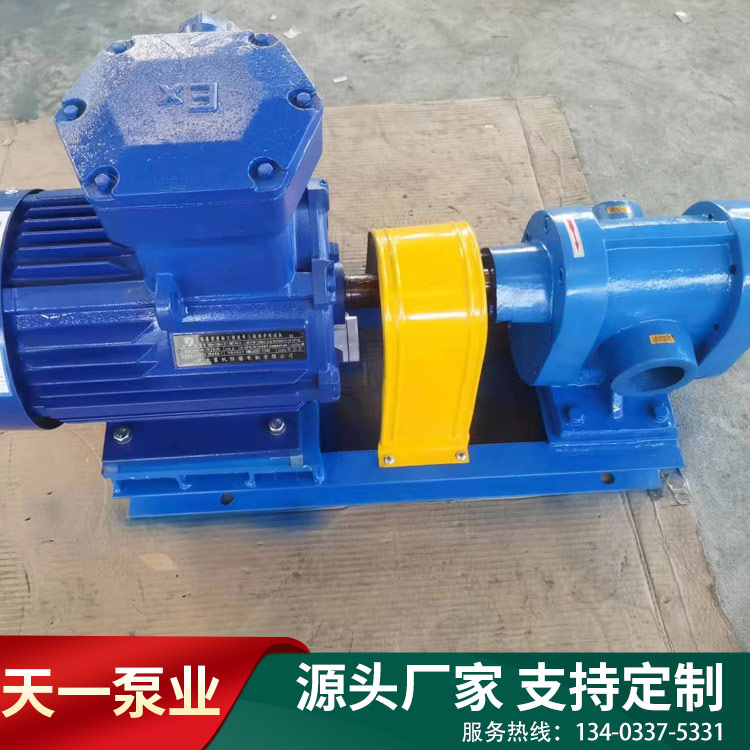
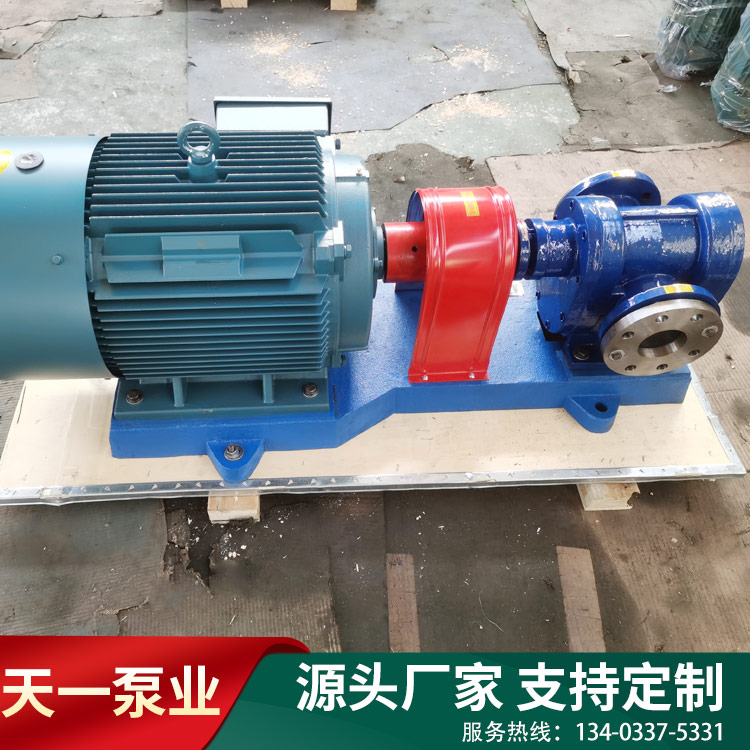
Section 1: Operating Specifications for the 2CY Series Gear Oils Pumps
Preparation Before Launch
Before installation, inspect the pump body for damage, ensure the motor is not damp or damaged, and clean any pipe impurities. Install a filter mesh with a mesh size of 30 or more at the oil intake to prevent hard particles from entering the pump chamber and causing wear. For mediums with high viscosity (such as heavy oil or low-temperature oil), preheat them to reduce flow resistance and avoid no-load operation due to insufficient oil intake.
Ongoing surveillance
After startup, monitor the pressure and vacuum gauge readings to ensure they are within the rated parameters (e.g., for the common model 2CY-5/3.3-1, the discharge pressure is 0.33 MPa, and the flow rate is 83.3 L/min). If abnormal noises or excessive temperature rise (usually not exceeding 80℃) occur, immediately shut down and inspect the bearing or seal condition.
Properly configured safety valves
Partial 2CY series gear oil pumps are equipped with built-in safety valves that automatically open when the pressure exceeds 1.5-2 times the rated value, protecting the pump and motor. However, note that the safety valve should not be used as a regular pressure regulating device; an additional overflow valve 914 must be installed for high-pressure conditions.
Section II: Key Usage Precautions
Medium Adaptability Limitations
The 2CY series gear oil pumps are suitable for clean oil fluids with viscosities ranging from 5 to 1500 cSt and temperatures not exceeding 80°C. For transporting media containing sulfur, highly corrosive substances, or fibrous impurities, special materials (such as stainless steel) or customized models must be selected to avoid accelerating the wear of gears and shaft sleeves.
Installation and pipe optimization
The pump housing should be close to the oil sump to minimize suction lift, and the pipes should be independently supported to prevent external forces from being transmitted to the pump housing. The diameter of the suction pipe is recommended to be larger than the standard, and a bottom valve should be installed for long-distance conveying to prevent backflow.
Selection of Sealing Systems
Based on the medium characteristics, shaft seals can be selected from skeleton oil seals (withstanding temperatures up to 100℃), mechanical seals (withstanding temperatures up to 200℃), or packing seals (withstanding temperatures up to 250℃). For instance, when transporting high-temperature thermal oil, packing seals are recommended and the leakage amount should be adjusted periodically.
Section 3: Maintenance and Troubleshooting Strategies
Daily Maintenance Points
Regularly replace bearing lubricant (DU bearings require medium self-lubrication, bronze bearings can be externally replenished).
Inspect gear mesh surface wear; replace if the gap exceeds 0.1mm.
Clean the safety valve core to prevent sticking and abnormal pressure.
Common Fault Analysis
Insufficient displacement: Often due to air leakage in the oil suction tube or clogged filter, requiring to tighten the joints or clean the filter screen.
Seal Leaks: Replace the skeleton oil seal due to aging; if the mechanical seal fails, inspect the wear on the static and dynamic rings, part number 814.
Unusual noises or vibrations: may be caused by gear misalignment or a loose coupling; a recalibration and reinstallation of 9 is required.
Conclusion: Unlocking Equipment Potential through Scientific Management
The operation of the 2CY series gear oil pumps represents both a triumph of technical design and the result of standardized operation. Every stage from selection and fitting to meticulous maintenance directly impacts their lifespan and performance. With the increasing complexity of industrial environments, users must flexibly adjust usage strategies in line with specific conditions (such as high temperatures, corrosive environments) and optimize configurations with the manufacturer's technical support. Only in this way can the 2CY series gear oil pumps continue to play the role of "the heart of fluid power" in modern production, ensuring stability and reliability for industrial processes.


