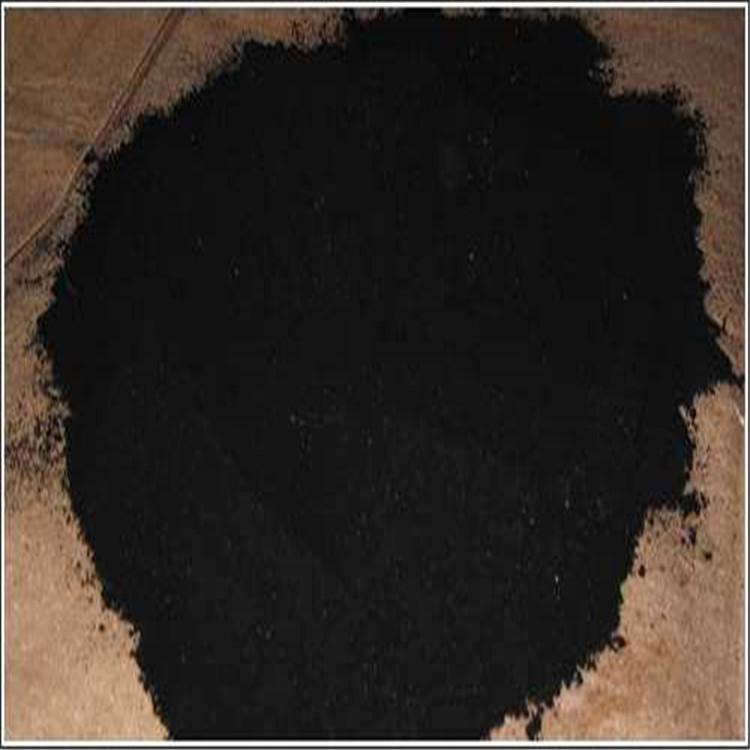
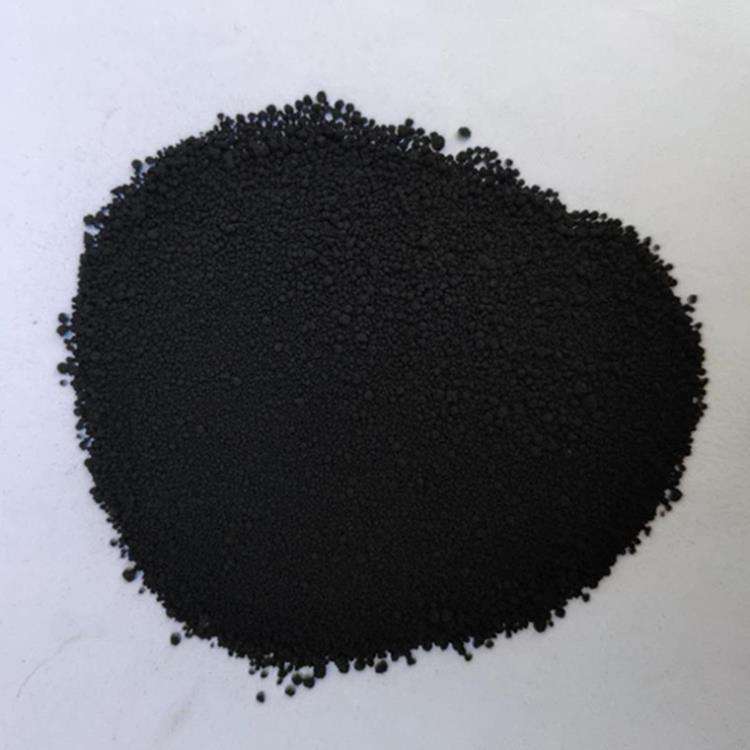
 Spray Carbon Black
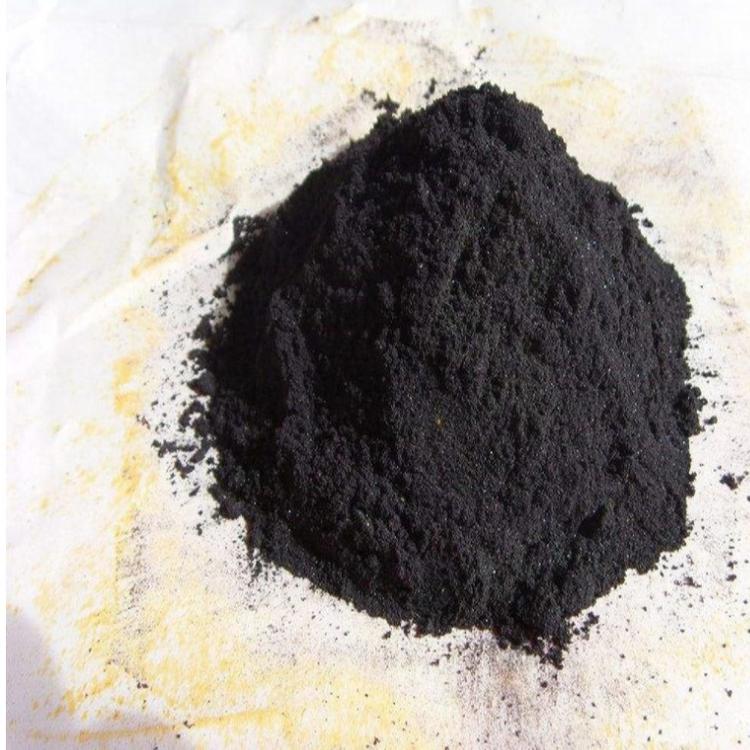 Carbon Black Manufacturer
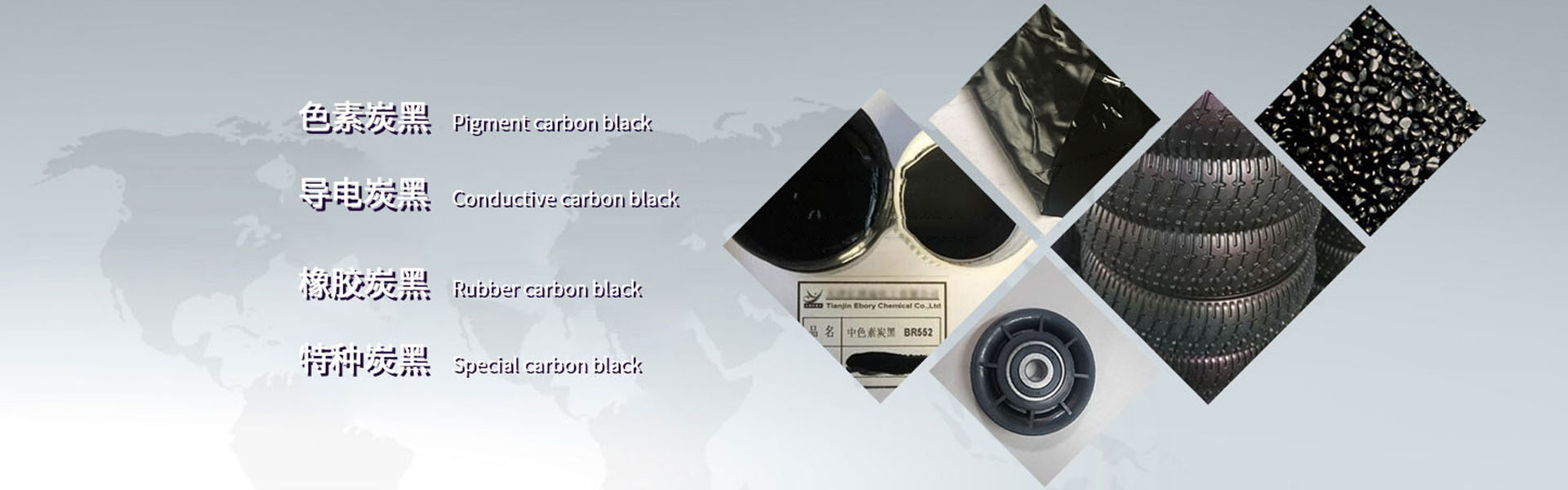
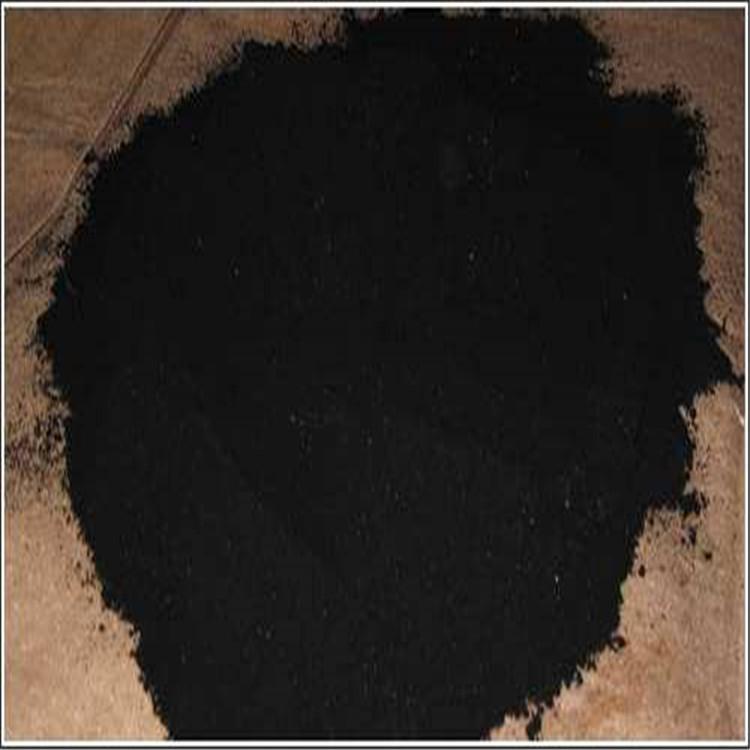 Acetylene Carbon Black
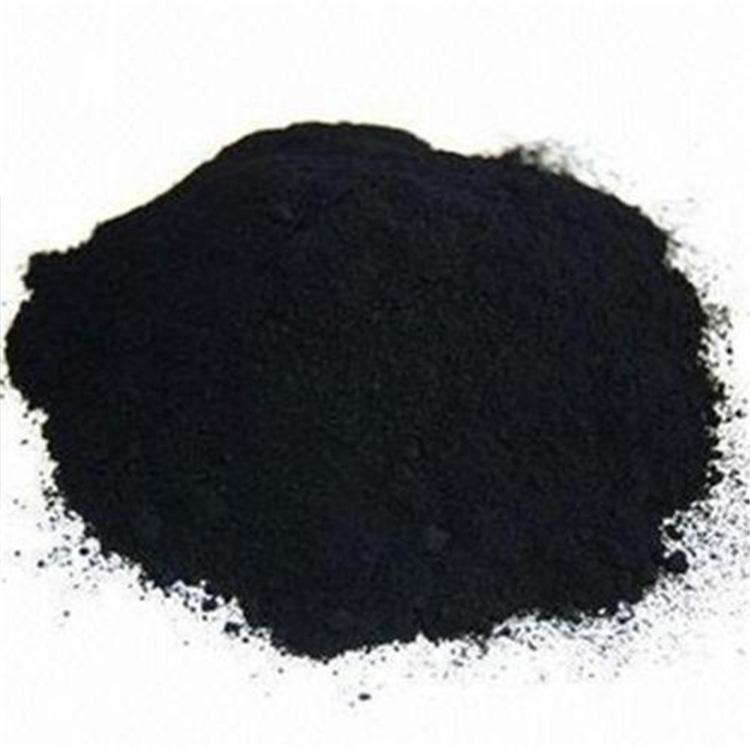 Pigment Carbon Black Manufacturer
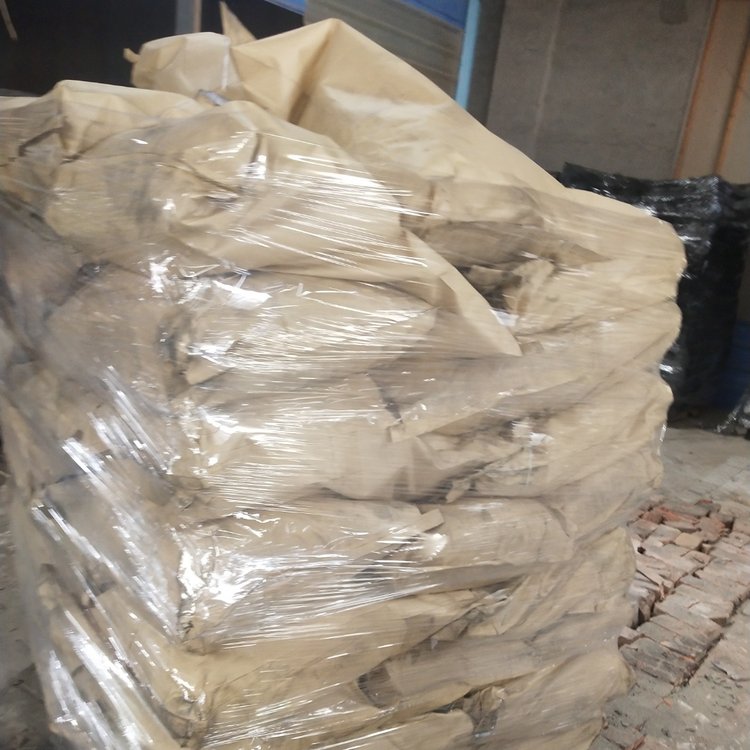 Half-reinforced carbon black
 Color carbon black
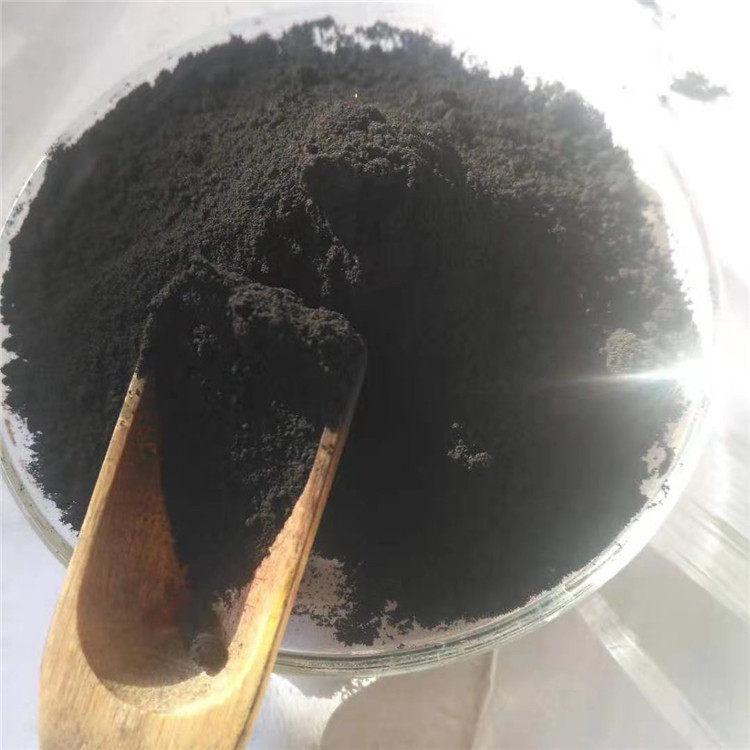 Conductive Carbon Black
Product Details

Chemical product technology development and consulting services, wholesale and retail of chemical products, rubber products, plastic products, hardware products, and electronic products


产品Price Negotiable
最小起订Quantity:1 ton 供货总Quantity: 9999 ton
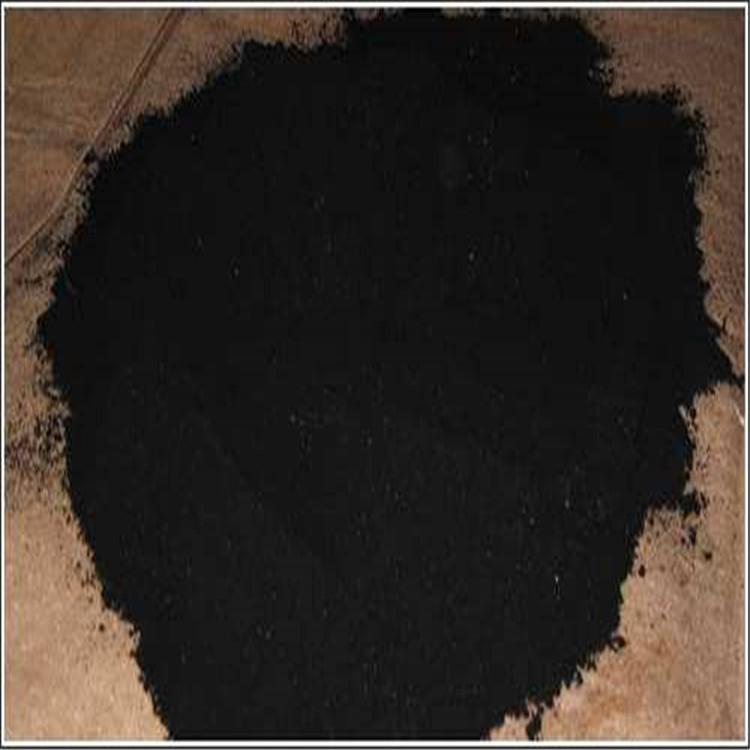
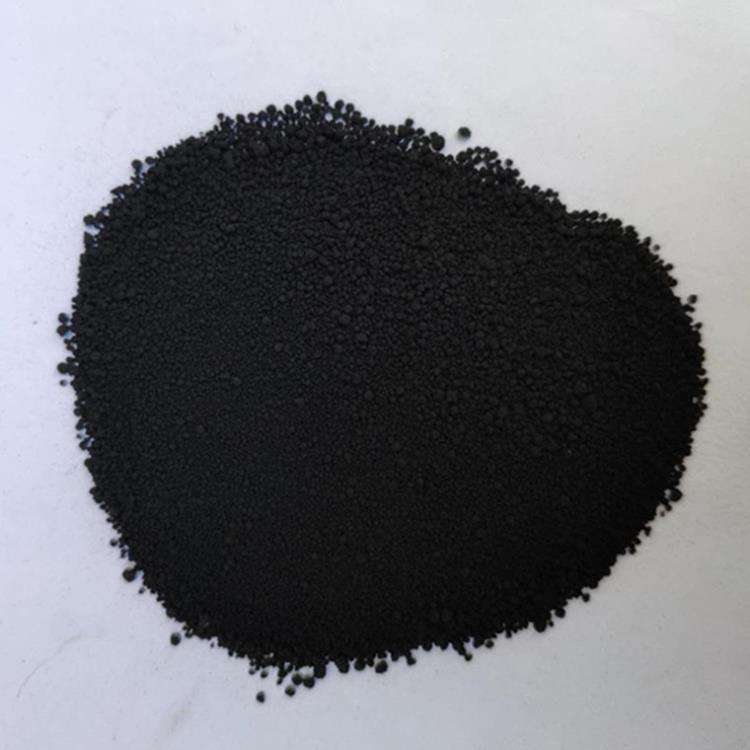
Calcium carbide black is mainly used forDry cell as electrolyte agentAlso used forConductive, antistatic, and thermal conductive rubber products, as well as conductive coatings and plastic materialsThe acetylene carbon black production process consists of acetylene gas preparation, acetylene cracking, carbon black collection, compression and packaging, as well as nitrogen production facilities. Acetylene Carbon BlackPerformance specifications:
1. Specific volume ml/g: The volume of a substance per unit weight. Unit: ml/g. Experimental method: Pour the item into a 50ml capacity bottle, gently swirl, weigh out 50ml of solid material, and then remove and weigh the weight. 2. Iodine Adsorption Value g/kg: The iodine adsorption value determination of carbon black is a commonly used method to measure the specific surface area of carbon black. Method: Immerse a quantitative sample of carbon black in a standard iodine solution of a specified concentration, mix it thoroughly, and wait until equilibrium is reached. Then, separate the carbon black from the iodine solution and titrate the concentration of the iodine solution. Calculate the ratio of the amount of iodine adsorbed to the amount of carbon black, which is the iodine adsorption value of the carbon black. 3. Hydrochloric Acid Absorption (ml/g): Due to the well-developed structure, large volume, and strong liquid absorption capacity of acetylene black, after adding an excess amount of hydrochloric acid to the sample and allowing it to absorb the acid thoroughly, apply a certain pressure to squeeze out the remaining hydrochloric acid. The non-expressed portion is the amount of hydrochloric acid absorbed by the sample. 4. Resistivity Ω.cm: Resistivity is a physical quantity used to express the resistive characteristics of various materials. The resistance of a wire made of a certain material, with a length of 1 meter and a cross-sectional area of 1 square millimeter, at room temperature (20°C), is referred to as the resistivity of that material. The unit of resistivity is ohm-meters (Ω.cm or ohmm), with common units being ohm-millimeters and ohm-meters. 5. pH Value: The hydrogen ion concentration index refers to the ratio of the total number of hydrogen ions to the total amount of matter in a solution. Its value is commonly known as the "pH value." It represents the numerical expression of the acidity or alkalinity of a solution, which is the negative value of the common logarithm of the concentration of hydrogen ions. 6. Heating Loss (%): Some substances are not completely pure and tend to absorb moisture, resulting in a reduction of the effective components upon heating. The amount of reduction is referred to as the heating loss. 7. Coarse Particle Fraction (%): Take a certain amount of the sample into a beaker, add the dilute solution as a wetting agent, mix it into a paste, then pour it into a 150μm (100 mesh) test sieve. Rinse with tap water. Dry and weigh the residue left on the sieve, which is the coarse particle fraction.