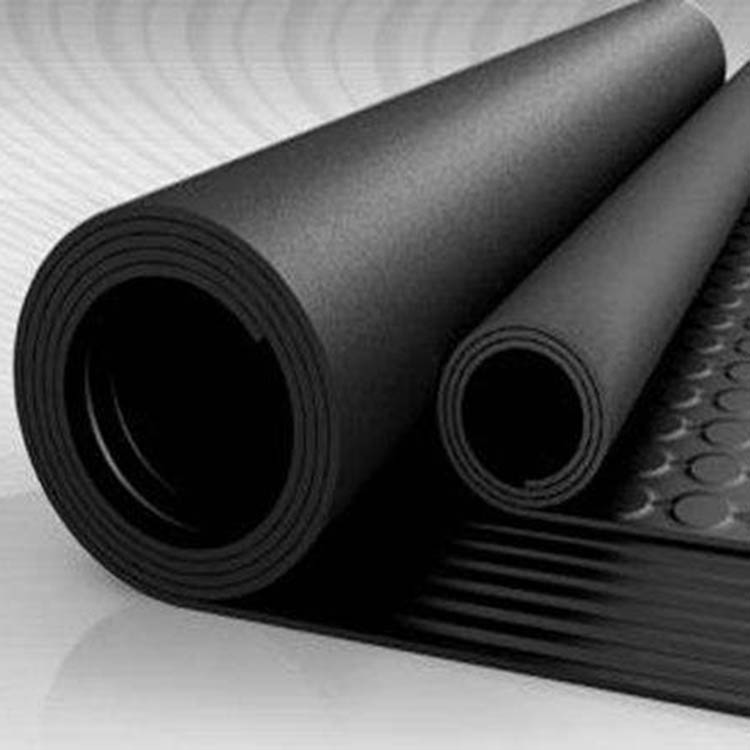














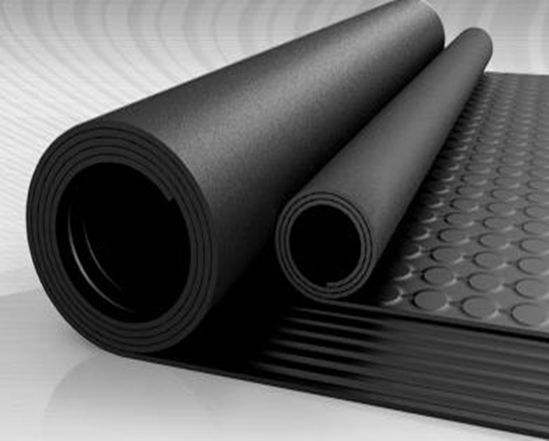
During the molding process of rubber products, due to the inherent cohesive force of the elastomer, it cannot be eliminated under high pressure. Upon demolding, an extremely unstable shrinkage often occurs (the shrinkage rate of rubber varies with different types of rubber), which must stabilize gradually after a period of time. Therefore, during the initial design of a rubber product, whether it's the formula or the mold, careful calculation and matching are essential. Otherwise, it may lead to unstable product dimensions and a decline in product quality.
2. Rubber is a thermosetting elastomer, while plastics are thermoplastic. Due to the different types of vulcanizing agents, the temperature range for shaping and curing rubber can vary significantly, and even be affected by changes in climate and indoor temperature and humidity. Therefore, the production conditions for rubber products must be adjusted appropriately at all times; otherwise, differences in product quality may occur.
3. Rubber products are made from compounded rubber, which is produced by密炼机curing rubber raw materials. Formulas are designed based on the characteristics of the required rubber products, and the desired product hardness is determined. The molding is done using a rubber plate vulcanizer. After molding, the final step is to trim the excess material, resulting in a smooth, burr-free surface.
4. Rubber products aging test falls under the category of aging tests. Rubber aging refers to the phenomenon where rubber and its products undergo changes in performance and structure due to the combined effects of internal and external factors during processing, storage, and use, ultimately leading to the loss of usability. This is manifested as cracking, sticking, hardening, softening, powdering, discoloration, and mold growth, among others.