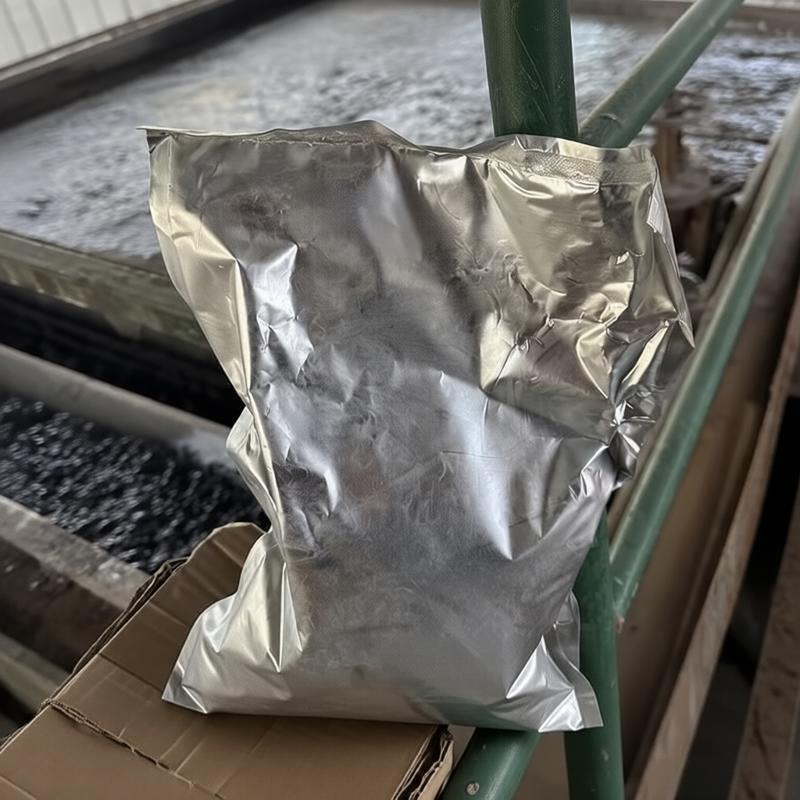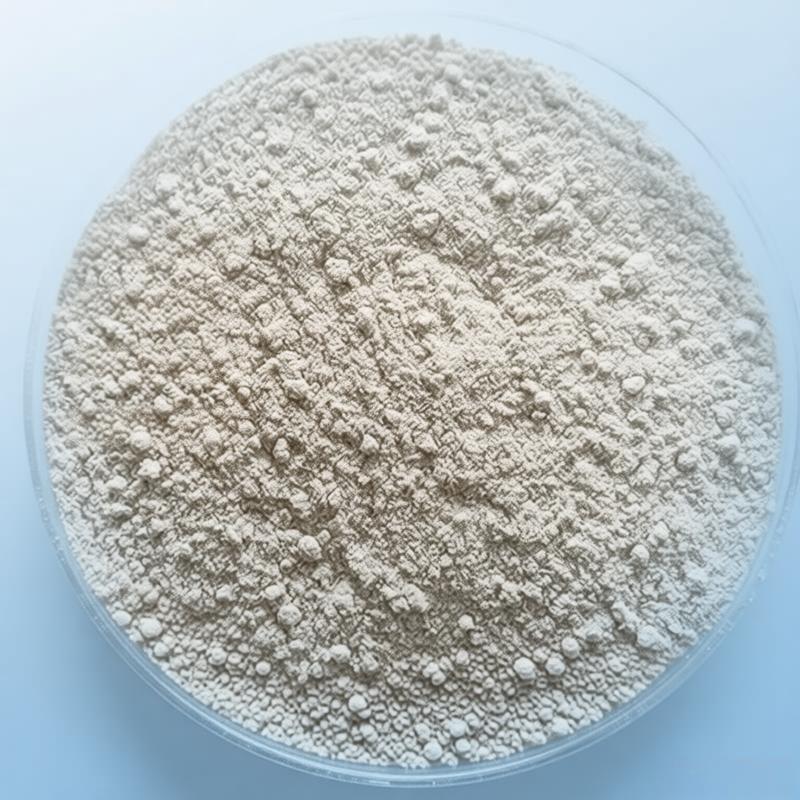









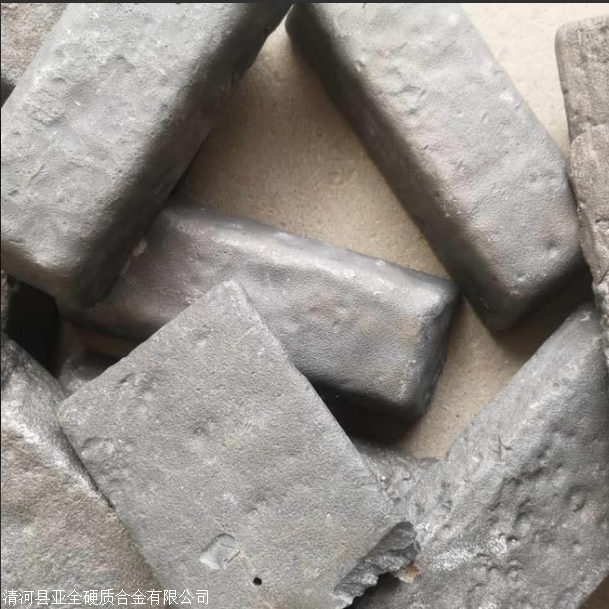
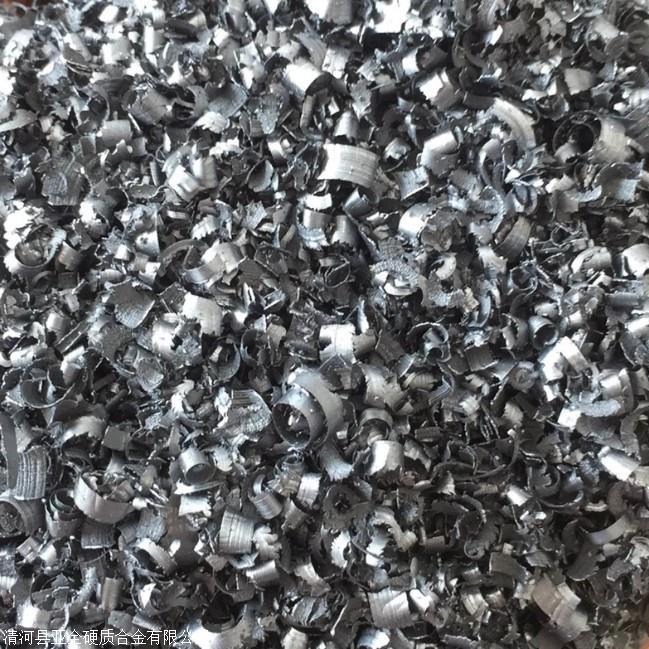

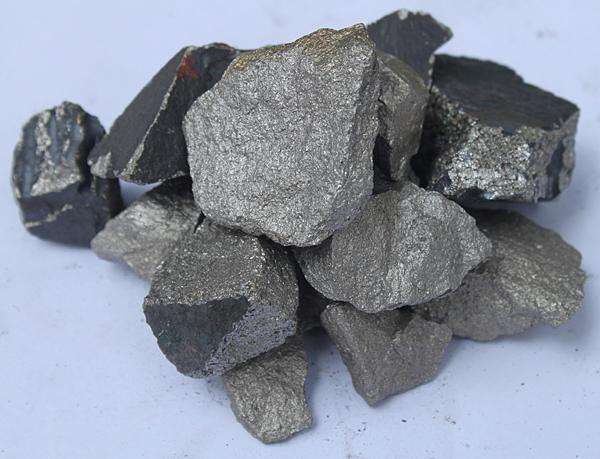
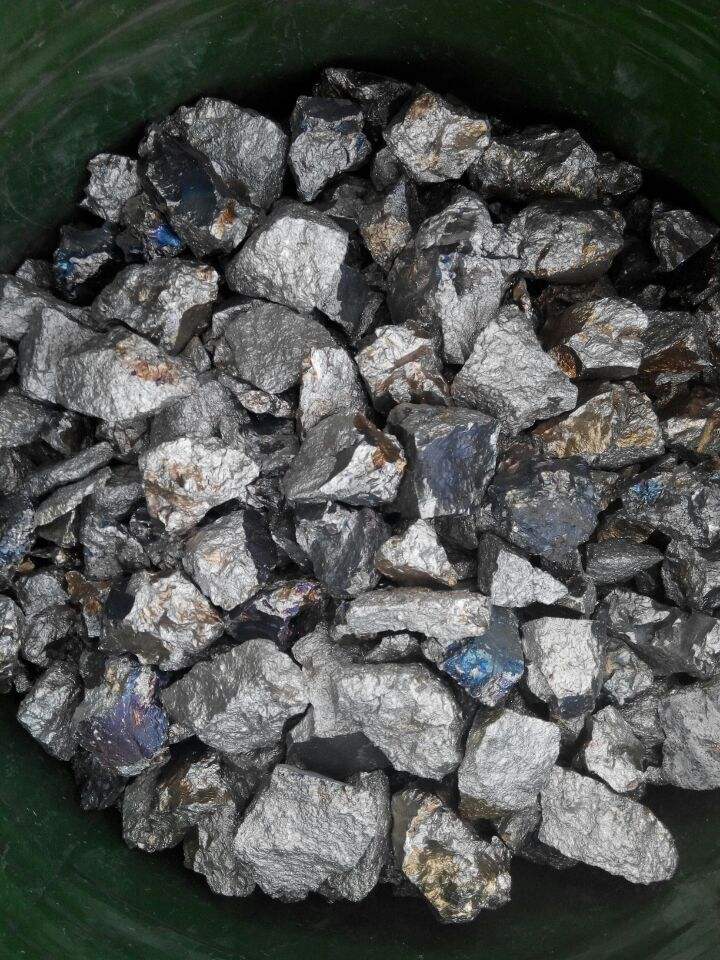
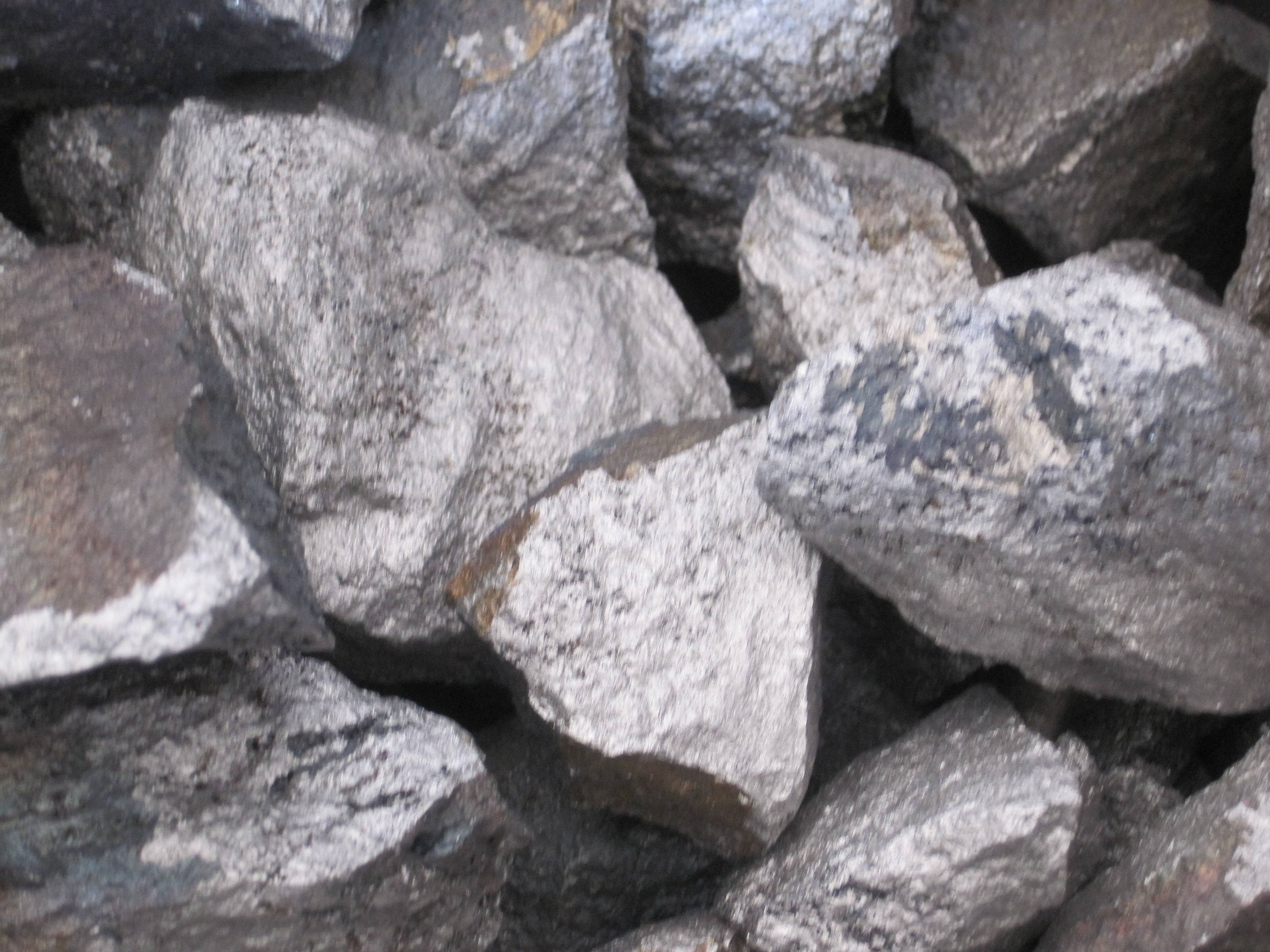
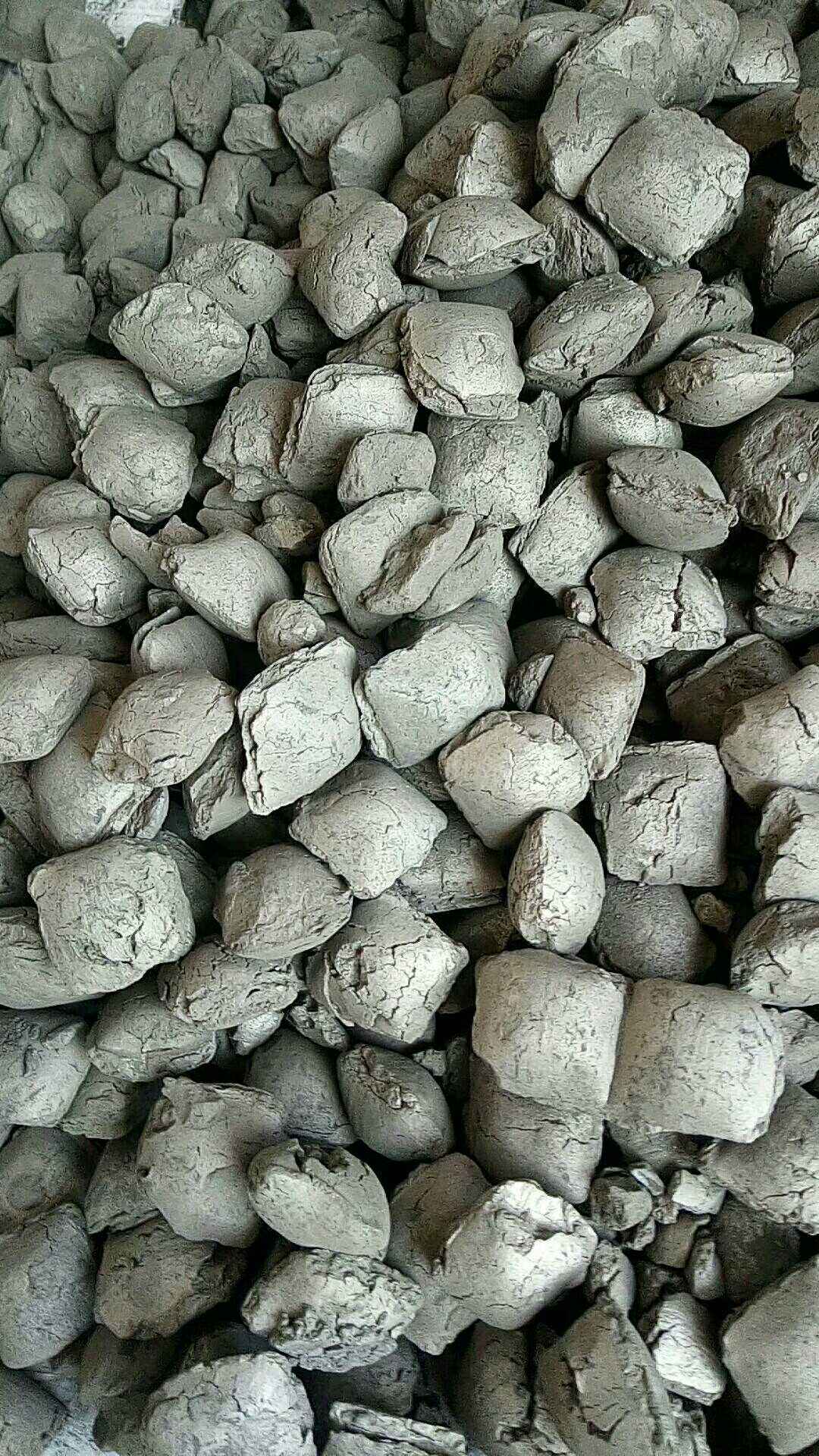
A ferrous alloy used in the steel industry. Its primary components are vanadium and iron, with impurities including sulfur, phosphorus, silicon, and aluminum. There are three types of vanadium iron based on vanadium content: FeV40 (V 35.0%~50.0%, Si<2.0%, Al<4.0%, C<0.30%, P<0.10%, S<0.10%); FeV60 (V 50.0%~65.0%, Si<2.0%, Al<2.5%, C<0.30%, P<0.06%, S < 0.05%); and FeV80 (V 75.0%~85.0%, Si<2.0%, Al<1.5%, C<0.30%, P<0.06%, S<0.05%). Additionally, there are vanadium additives with commercial names, such as Carvan vanadium (V 82%~87%, C 10.5%~14.5%), Nitrovan vanadium (V 78%~82%, C 10%~12%, N> 6.0%), Ferovan (V > 40%, Si 5.5%~7.0%, Cr 5.5%~7.5%, Mn 3.6%~4.5%), etc., used as additives in the smelting of alloy and low-alloy steels. Vanadium铝合金 is used in titanium alloy production, commonly referred to as "VQ" VAl. In 1801, Spanish mineralogist Rio (RiO, del A.M.) discovered vanadium while studying the lead mines of Zimapan, Mexico. However, he agreed with the possibility of lead chromate as an explanation, delaying the discovery of vanadium by 30 years. In 1831, Swedish chemist N. G. Sefstrom announced the discovery of vanadium while studying pig iron from the iron smelting of Taberg, Sweden. It was named "Vanadium" after the goddess Vanadis. In 1882, the Le Creurot steel mill extracted vanadium oxide from Bessemer converter slag containing 1.1% V using a low-temperature sulfuric acid treatment method, providing it for dye factories. In 1894, H. Moissan produced vanadium iron by reducing vanadium oxide in an electric furnace. In 1897, H. Goldschmidt smelted vanadium iron using the thermite process, which met the quality requirements for producing vanadium steel. R. V. Seth reported in 1924 the Swedish process for producing vanadium iron from vanadium-bearing magnetite, iron, and slag. During the Japanese occupation of China, in 1942, German technology was introduced to use Chengde vanadium-titanium magnetite concentrate as raw material, beginning the construction of "Nanman Special Iron Works" (which later became the Jinzhou Ferroalloy Factory after 1949), producing vanadium iron containing about 30% V. After the founding of the People's Republic of China, the Ministry of Heavy Industry's Iron and Steel Industry Administration issued the scientific research task "Fire smelting of Chengde Damiang vanadium-titanium magnetite concentrate to extract vanadium and produce vanadium iron" in 1954, which was completed in 1955, laying the foundation for the construction of China's vanadium iron industry. The Jinzhou Ferroalloy Factory resumed production of vanadium iron using Chengde vanadium-titanium magnetite concentrate as raw material in 1958. Vanadium iron production began using vanadium slag in 1959. The Panzhihua Iron and Steel Company began producing vanadium slag in 1978, propelling China into the ranks of the world's leading vanadium producers.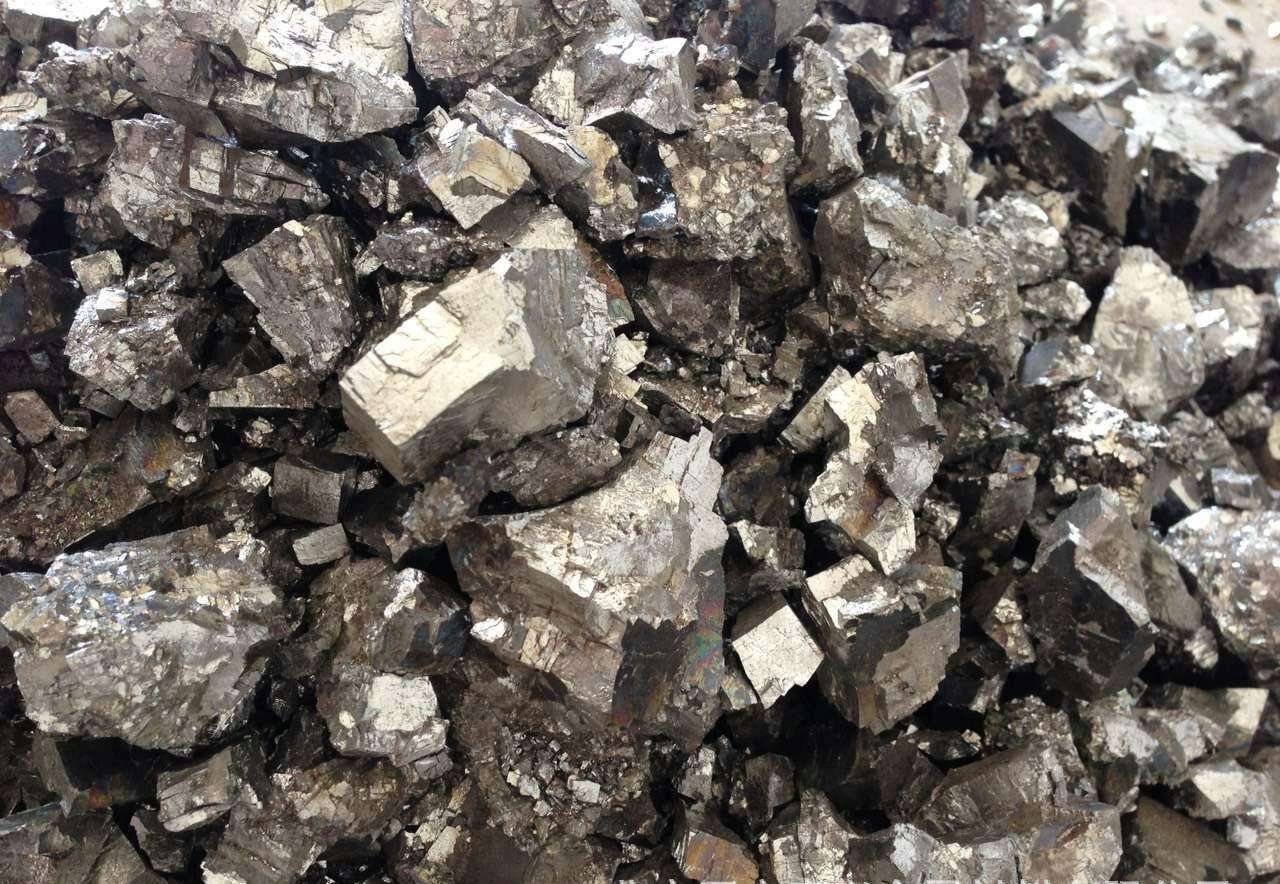
WeChat Official Account

Scan to follow Official Account